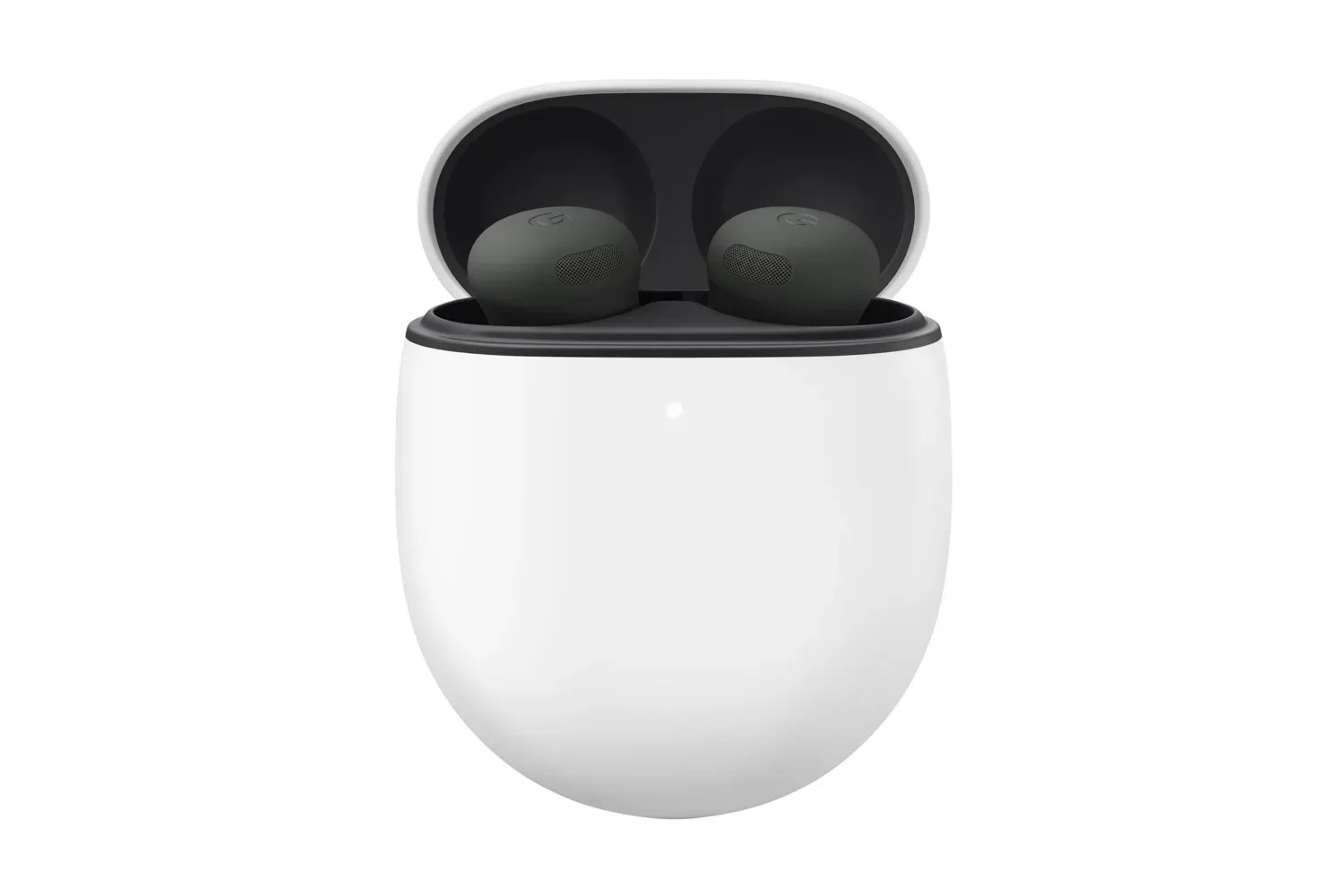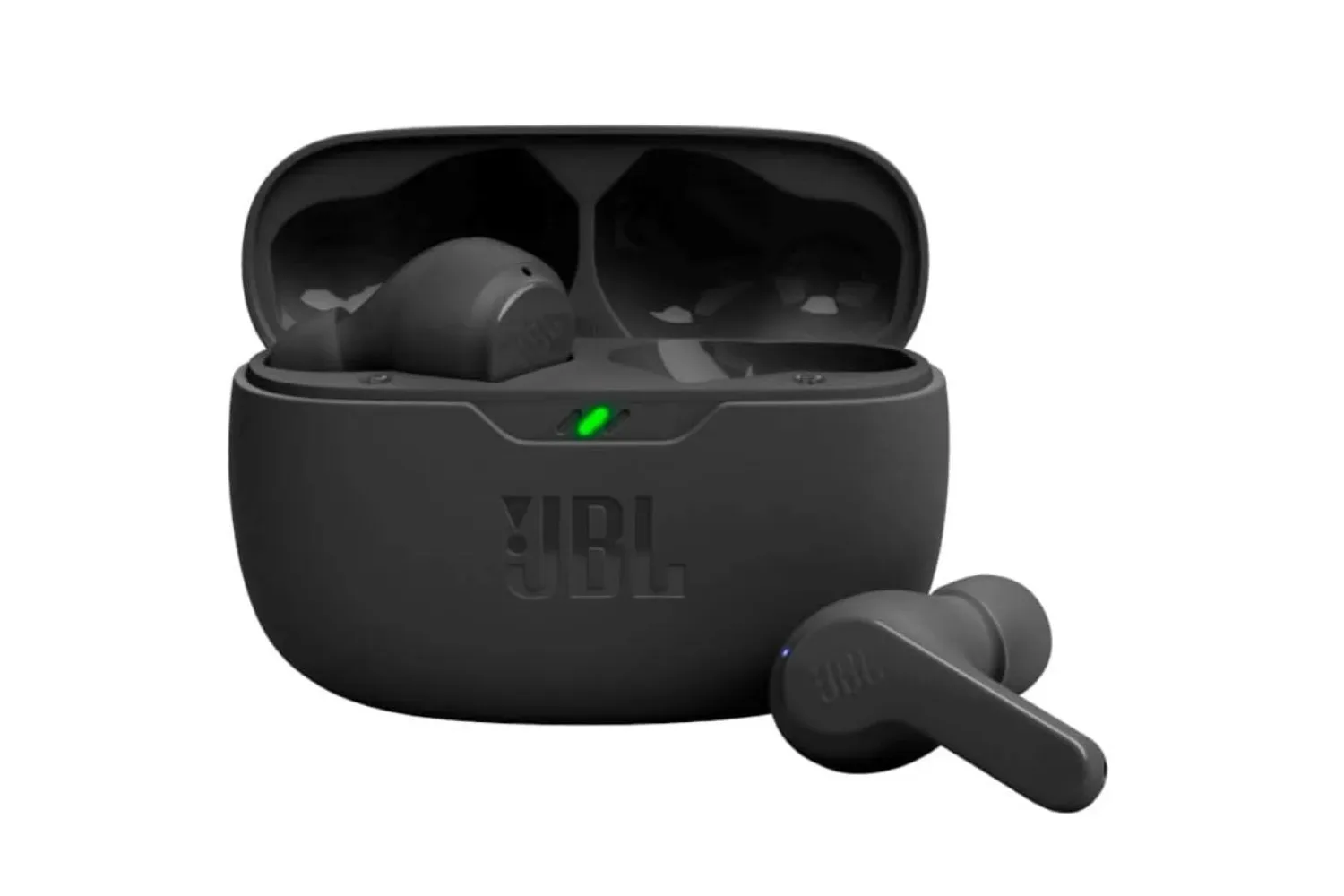
There is a particular kind of consumer-tech panic that arrives whenever someone starts comparing a modest pair of true wireless earbuds with premium hardware priced in the hundreds. The JBL Vibe Beam listing currently makes a simpler case: a recognizable audio brand, the everyday basics covered, and a $30 price rather than a premium-tier commitment.
Amazon is listing the JBL Vibe Beam for $30, a reduction of $20 from its stated $50 regular price. That is a 40% discount. Both black and white versions are included at that price, and the purchase is advertised with a three-month Amazon Music Unlimited trial.
The important caveat is timing. No end date has been provided for the offer, while the retailer labels the item as selling quickly. That does not establish when the price will change or stock will run out; it simply means shoppers should treat the $30 figure as a live, potentially temporary listing rather than a new permanent price.
What the JBL Vibe Beam offers on paper
The Vibe Beam is a pair of true wireless earbuds: the left and right earpieces operate without a cable connecting them, and their charging case stores extra power. JBL specifies up to eight hours from the earbuds themselves, with another 24 hours held by the case, for up to 32 hours total.
Those numbers deserve to be read correctly. “Up to” is a manufacturer maximum, not a guarantee for every listening pattern. Still, the claimed split is useful in practical terms. A person can use the earbuds for a session, return them to the case, and recharge them away from a wall outlet. The 24-hour case figure is not eight additional hours on top of an always-running bud; it represents power that becomes available through recharging the earbuds in the case.
JBL also lists 8mm drivers and its Deep Bass Sound tuning. A driver is the small speaker component inside each earbud that converts an electrical signal into audible sound. The 8mm measurement describes the driver’s size, but it should not be mistaken for a complete verdict on sound quality. Tuning, fit, and the material being played all affect what a listener hears. JBL’s description indicates an emphasis on its branded bass presentation, while the listing presents the overall output as suited to music and calls.
For calls, the Vibe Beam includes Voice Aware. This setting lets the user manage how much of their own voice they hear during a conversation. That can matter because sealed earbuds can alter the natural sense of one’s own speech. The feature is about monitoring the wearer’s voice, rather than a promise of improved call quality in every noisy place.
Fit, outside noise and the IP54 rating
JBL describes the Vibe Beam as having an ergonomic, stick-closed design. In plain language, the earbuds use a stemmed shape and sit in a way intended to create some physical separation from outside noise. This is passive isolation: reducing sound through the fit of the earbud itself. It is different from active noise cancellation, a technology that uses microphones and processing to counter external sound. No active noise-cancellation claim is part of the available product details, so buyers should not assume it is included.
Comfort is similarly personal. A design can be engineered for day-to-day wear, but ear shape and tip fit vary from person to person. The useful takeaway is more limited: the Vibe Beam is positioned for extended listening and regular calls, rather than as a novelty accessory to wear only briefly.
The earbuds carry an IP54 rating. An IP rating is a formal ingress-protection label: the first digit concerns resistance to solid particles such as dust, while the second concerns water resistance. Here, the “5” denotes dust protection and the “4” denotes resistance to water splashes. For a commuter, walker, or someone caught in light wet conditions, that can be relevant protection. It is not the same as a claim that the buds are waterproof or appropriate for immersion.
That distinction is worth keeping in mind because “water resistant” can be read too broadly. The stated rating supports the idea of handling dust and splashes, not unlimited exposure to water. Anyone choosing them for outdoor use should evaluate the published rating rather than infer a use case that is not specified.
Why the price is the main story
At its stated $50 regular price, the Vibe Beam is already presented as an entry-level option. At $30, the value calculation becomes much more direct. The listed feature set includes a charging case, an 8mm driver setup, voice-monitoring controls, an IP54 rating, and up to 32 hours of claimed total battery life. Shoppers primarily seeking an inexpensive wireless pair for music, calls, and everyday carry may find that more compelling than paying for a higher-end feature set they do not need.
It is also the sort of purchase where expectations help. The available specifications establish what JBL says the earbuds do; they do not establish performance beyond those claims. In particular, a branded sound profile and driver size do not tell a buyer precisely how the earbuds will sound to them, and a manufacturer’s battery maximum is not a personalized runtime forecast. The safest way to assess the listing is to weigh the disclosed features against the $30 price, not against assumptions about pricier alternatives.
For readers who follow consumer technology alongside gaming and entertainment news, it is a reminder that hardware coverage spans very different scales—from a small audio accessory meant to disappear into a pocket to broader computing developments such as Google’s Gemini 4 Carbon push into coding and cybersecurity. The Vibe Beam story is considerably more straightforward: it is a discounted set of earbuds whose appeal rests on price and a clearly stated group of everyday features.
What to check before checking out
- Confirm the live price: The listing is reported at $30, but no expiration date has been given.
- Choose the color: Black and white models are listed at the discounted price.
- Read the battery claim accurately: JBL states up to eight hours in the earbuds and up to 32 hours when including the case.
- Match the protection rating to the task: IP54 indicates dust protection and splash resistance, not waterproofing.
- Consider the music-trial offer separately: The advertised three-month Amazon Music Unlimited trial may be useful, but it should not be the only reason to choose the hardware.
With no stated end date, there is no basis to predict how long the $30 listing will remain available. But the disclosed discount is easy to quantify: $20 below the stated $50 price for a pair of JBL true wireless earbuds with a stated 32-hour total battery figure, IP54 protection, and Voice Aware controls. For a budget-minded buyer whose needs are straightforward, that is the central appeal.
Shop the products
Check current price, model and availability at the retailer.