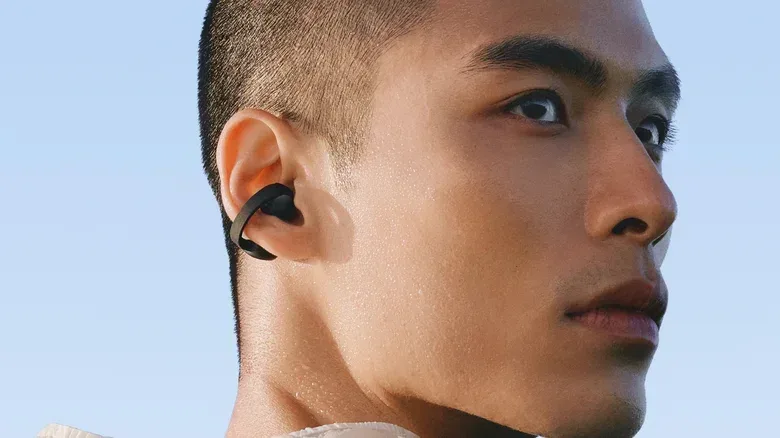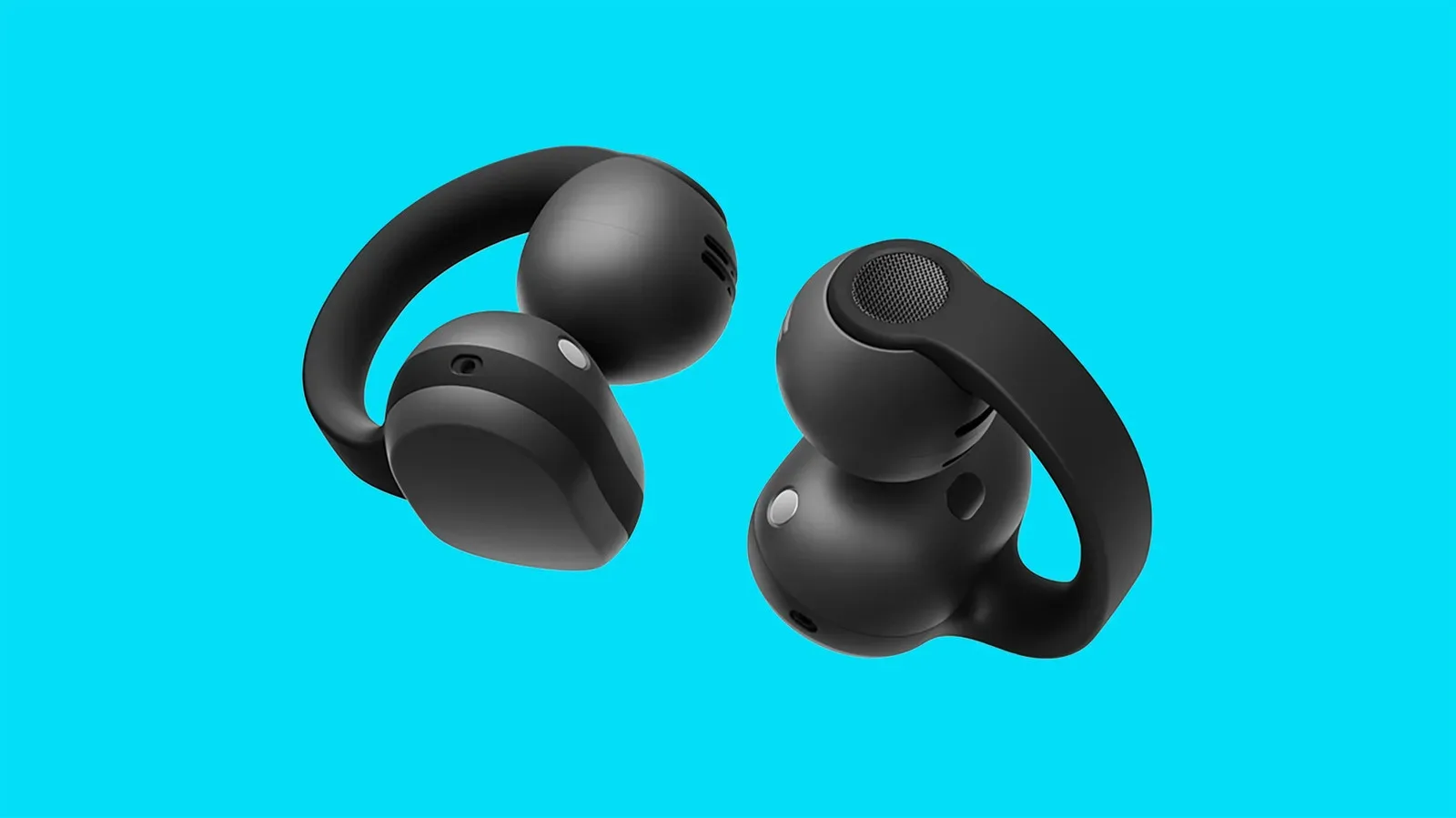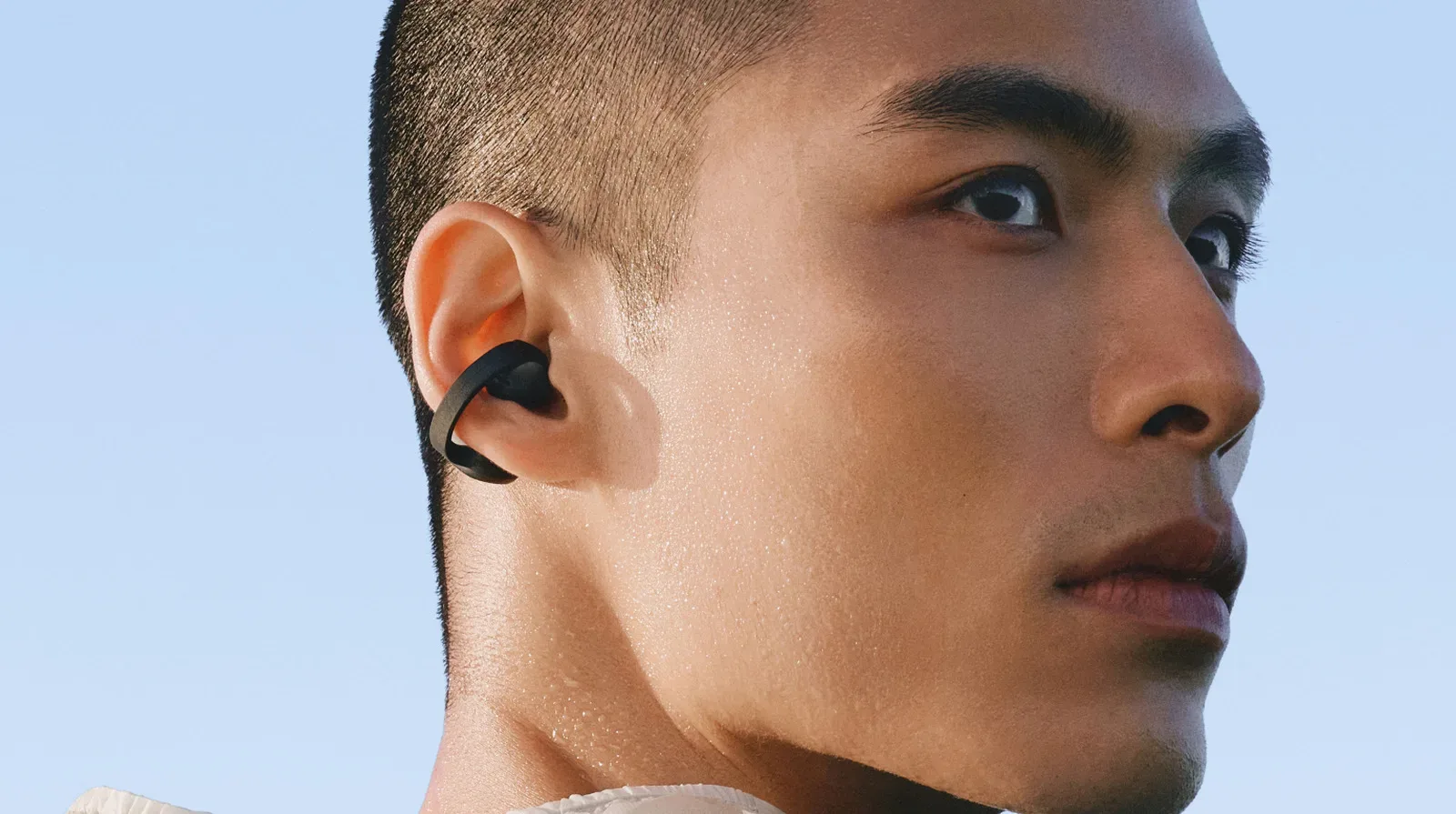
Samsung is preparing a new route into open-ear wireless audio with the Galaxy Buds On, a $229 pair of clip-on earbuds scheduled to arrive in early November 2026. The key idea is apparent in the name and the shape: rather than relying on an ear-canal seal, each earbud clips around the ear for a more secure hold while aiming for a low-pressure fit.
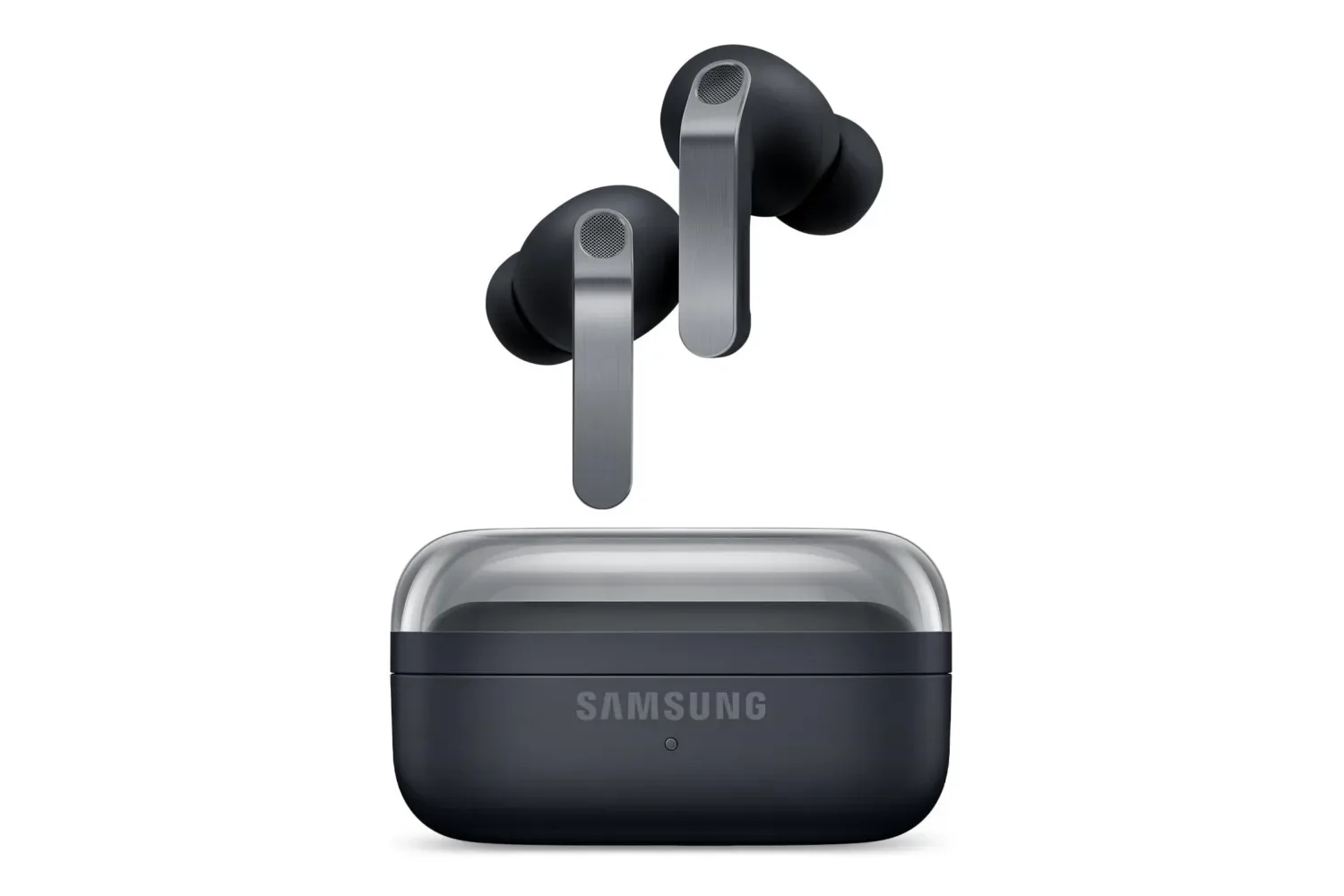
That puts the Buds On in a different lane from conventional sealed wireless earbuds and, importantly, from Samsung’s Galaxy Buds 4 Pro. They do not offer the Pro model’s high-level noise cancellation. Samsung is instead emphasizing comfort, stability, call handling and an attempt to tackle a familiar open-ear compromise: other people hearing what is playing.
For players, commuters and anyone who dislikes the plugged-up sensation of standard buds, that combination could be meaningful. It also comes with the usual open-ear question: can an earbud keep music reasonably private without losing the awareness and less-invasive feel that drew people to this category in the first place? Samsung has outlined its answer, but the biggest audio questions will remain questions until the product is available.
A clip-on design built around an open-ear fit
The Galaxy Buds On use a clip-on form factor intended to stay put more reliably than an earbud that simply rests near the ear. Samsung says it used data from more than 119 million ear scans to inform a fit across different ear shapes and sizes. That is an unusually large figure, but it should be read as design input rather than a guarantee that one physical shape will feel ideal to every listener.
The claimed low-pressure fit is the more practical part of the pitch. Traditional wireless earbuds frequently create a seal around the ear canal. That seal can support isolation and noise-cancelling performance, but some users find it uncomfortable over longer sessions. An open-ear product avoids that specific approach, leaving the ear canal less obstructed.
There is a tradeoff embedded in that design. Samsung is not positioning the Buds On as the alternative for someone whose overriding priority is high-level active noise cancellation; the Galaxy Buds 4 Pro remain the relevant comparison inside Samsung’s own lineup. The Buds On are for the listener who considers physical comfort, awareness of their surroundings and a secure fit at least as important as shutting the world out.
Samsung has tried open designs before. The Galaxy Buds Live were an earlier open-type effort, while the Galaxy Buds 4 launched earlier in 2026 with a semi-in-ear, open-type profile. The Buds On move beyond that semi-in-ear direction with a clip-on design. It is a notable distinction: the clip is meant to provide retention without requiring an ear-tip seal.
Samsung’s answer to sound leakage
Sound leakage is one of the central challenges for open-ear audio. Because the earbuds are not designed to seal the ear canal, sound can escape outward. This matters in quiet offices, shared spaces, public transit and any setting where a listener would rather not turn a podcast into a tiny public-address system.
Samsung says the Buds On use Audio Leakage Reduction technology. Its description is technical but straightforward in intent: reversed sound waves at the rear of each bud are protected in an effort to cancel escaping sound. In simple terms, the company is attempting to manage the audio that travels away from the listener, rather than merely accepting leakage as the cost of an open fit.
The wording here deserves care. Samsung claims the feature reduces leakage; there is no supplied comparative measurement, test condition or indication of how it performs at differing volumes. It would be premature to treat this as equivalent to silence for nearby people. Still, the presence of a dedicated leakage-reduction system identifies the problem Samsung is trying to solve, and it is a more useful target than pretending open-ear designs have no privacy downside.
Open-ear listening can be particularly appealing when a person needs to remain responsive to a room, a teammate or a household. But privacy is just as much a social consideration as awareness. The Buds On will need to balance both, especially at the $229 asking price.
Amplification and battery claims
Samsung says the Galaxy Buds On include a new high-efficiency Class-D amplifier. An amplifier is the component that powers the audio signal sent to the speaker hardware. “High efficiency” in this context is about pursuing forceful sound while being mindful of power consumption, which is especially relevant in a small wireless earbud.
The company’s stated battery figure is up to 9.5 hours of music playback on a single charge, extending to up to 38 hours with the charging case. Those are estimates, not an assurance of identical results for every listening pattern. Playback volume, calling and feature use can all be relevant to how a real-world routine compares with a quoted maximum, though Samsung has not provided those test conditions here.
On paper, 9.5 hours means the Buds On are aimed at more than a short commute or a quick gaming session. The 38-hour total also frames the case as a substantial part of the ownership experience rather than just a storage accessory. As with all quoted endurance figures, the useful question for prospective buyers is not solely the biggest number, but whether the single-charge figure lines up with their longest uninterrupted use.
The earbuds carry an IP54 water-resistance rating. That rating offers another clue to their intended everyday role, though Samsung has not detailed a particular sports or outdoor-use claim alongside it. Buyers should avoid turning a stated water-resistance rating into an unsupported assumption about every kind of exposure.
Three microphones, a VPU and noise-aware calling
The Buds On feature three microphones and a voice pickup unit, or VPU. Samsung says the VPU detects speech vibrations, with the microphone array and processing working together to isolate a caller’s voice and reduce surrounding noise.
This is separate from the question of high-level noise cancellation for the listener. Call-noise reduction is about what the person on the other end hears. Samsung says its algorithms have been trained on ambient sounds including construction noise and car horns. The ambition is clear: preserve speech in places where the background is neither quiet nor predictable.
Again, the company has not provided a call-quality comparison, recordings or metrics. What can be said is that voice pickup is receiving considerable attention in the hardware and software design. For people taking work calls or chat sessions while walking around noisy spaces, that is likely to be more relevant than an abstract spec-sheet contest over microphone counts.
Head gestures are the most unusual control option
The standout interaction feature is head-gesture control. Samsung says users can nod or shake their head to accept or decline calls, and can also dismiss alarms and notification readouts. It is an attempt to make common responses possible without reaching for a phone or touching an earbud.
There is obvious convenience in that idea, particularly when hands are occupied. It could be useful during a game when a call arrives, while carrying something, or when a phone is not immediately accessible. At the same time, its value will depend on accuracy and on whether it fits naturally into a person’s habits. Samsung has described the supported actions, but has not shared further detail about customization, sensitivity or the exact circumstances in which gestures are available.
That makes this a feature to view as a potentially helpful extra rather than the sole reason to choose the Buds On. Gesture controls are most compelling when they save a repeated annoyance. The ability to deal with a call or an alarm hands-free is easy to understand; whether it becomes routine will come down to execution.
The Galaxy phone ecosystem is part of the proposition
Samsung is also tying the Buds On closely to Galaxy smartphones. Opening the case will connect the earbuds to Galaxy phones, and the buds will support access to Gemini Live and Quick Voice Memo recordings. These are not universal-platform promises in the information available so far; they are explicit Galaxy-phone integrations.
That relationship is worth considering before the hardware itself. Someone already using a Galaxy phone may see automatic connection and the listed voice-related tools as a convenient extension of devices they own. Someone outside that ecosystem should not presume equivalent behavior or feature access without further confirmation.
The broader release lands in a busy field, with Sony, Bose and Sennheiser also pursuing open-ear wireless earbuds. Samsung’s differentiator is not simply that the Buds On leave the ear canal more open. It is the package of a clip-on hold, a claimed leakage-reduction system, voice-focused hardware, head gestures and Galaxy integration.
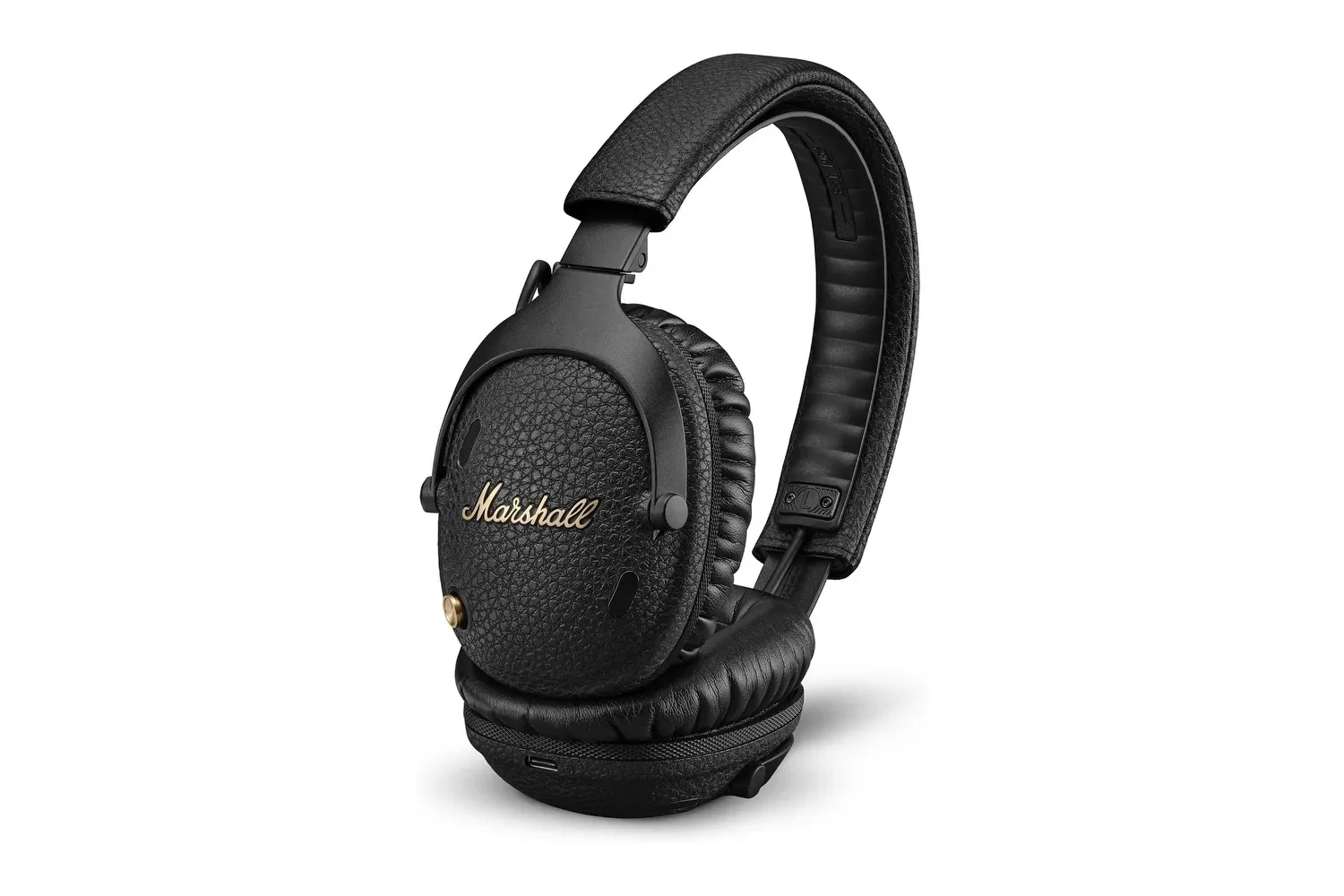
Anyone comparing personal-audio options may also want to consider when a conventional over-ear design makes more sense; battery life and active noise cancellation remain major strengths in that category. The Buds On are making a different argument: less seal, less pressure, more awareness, and hopefully less escaped audio than open-ear designs usually imply.
What is confirmed, and what still needs proof
The confirmed outline is substantial. Samsung’s Galaxy Buds On are clip-on, open-ear wireless earbuds with IP54 water resistance, a Class-D amplifier, three microphones, a VPU, head-gesture controls and stated battery life of up to 9.5 hours per charge or 38 hours with the case. They are planned for early November 2026 at $229.
The unknowns are just as important to a purchase decision. Samsung has not supplied independent evidence for the effectiveness of Audio Leakage Reduction, call-noise reduction or gesture reliability. Nor is there supplied detail on audio tuning, comfort across lengthy use, or how well the promised fit translates from scan-informed design to individual ears.
For now, the Galaxy Buds On look like Samsung’s clearest attempt to make open-ear listening feel deliberate rather than compromised. The clip-on construction addresses stability, the low-pressure aim addresses comfort, and the leakage technology directly confronts the format’s most awkward public-space limitation. Whether all those pieces cohere is still unproven, but the design is at least focused on the real decisions buyers face when they choose open-ear audio over a conventional sealed bud.