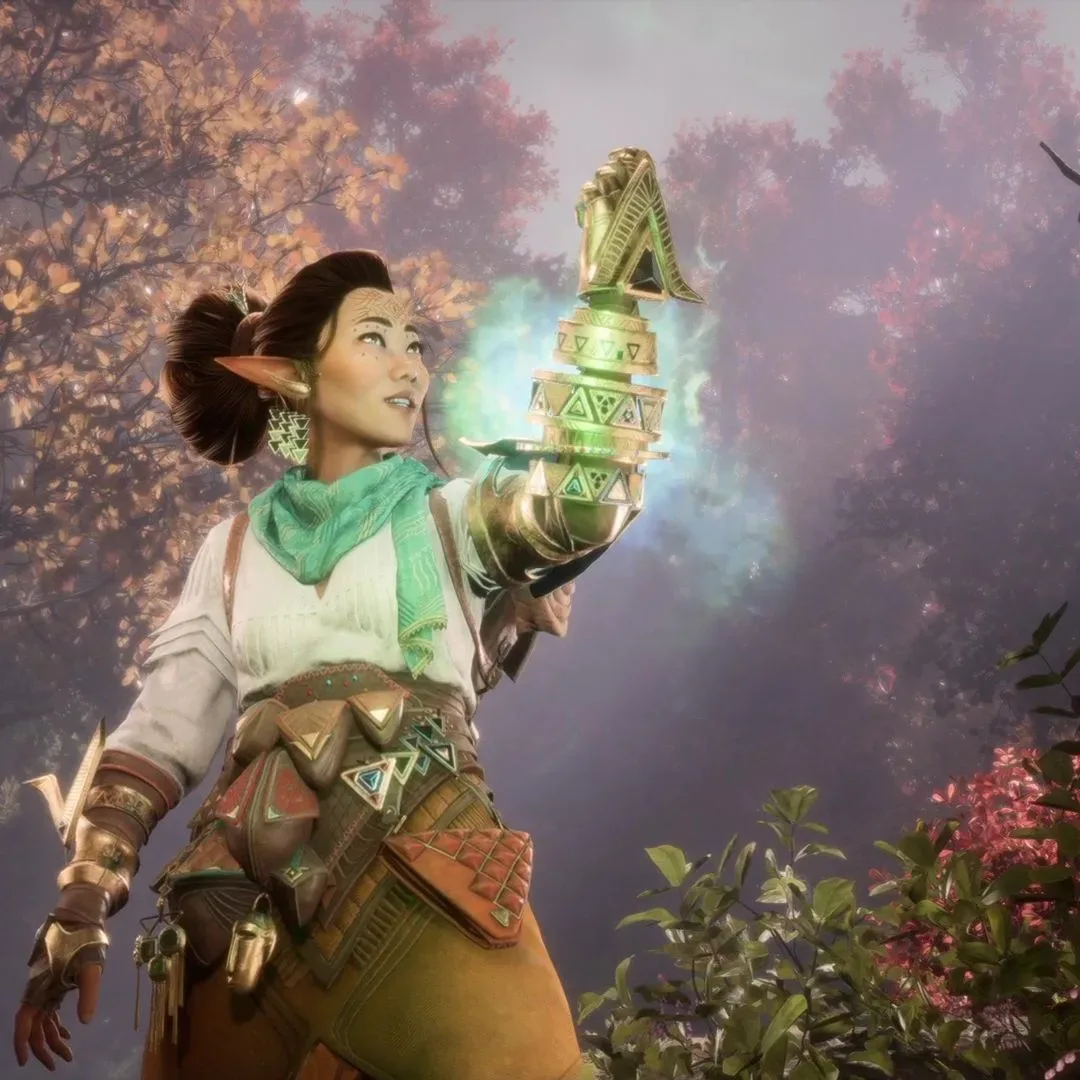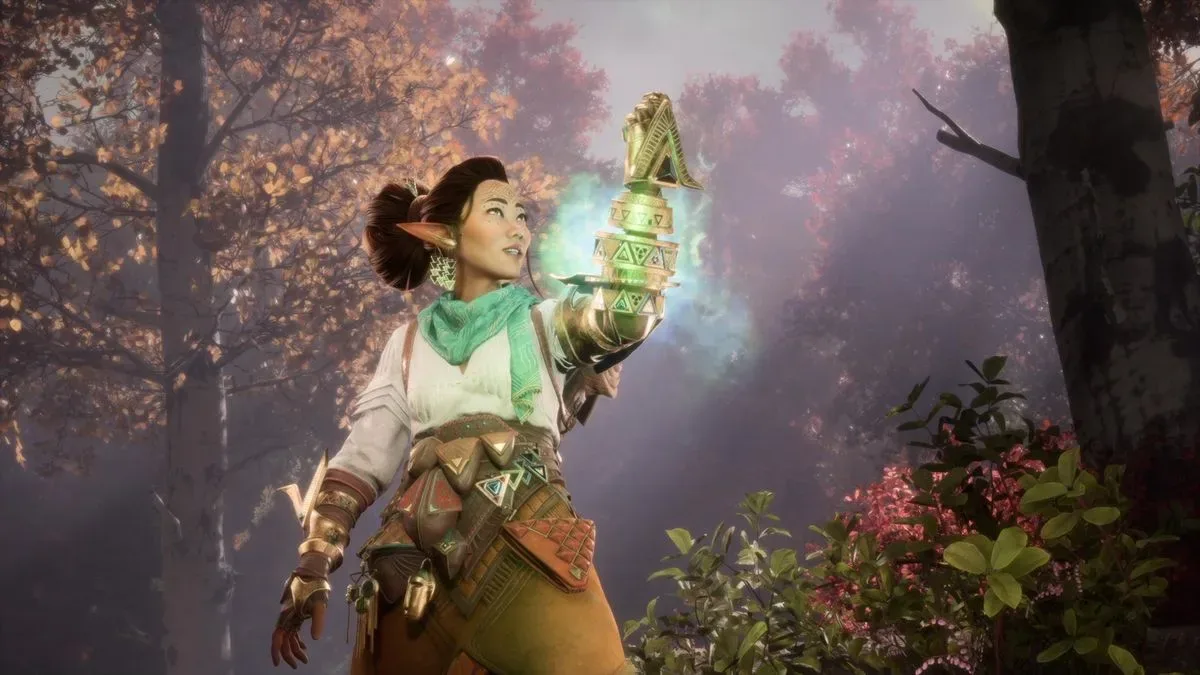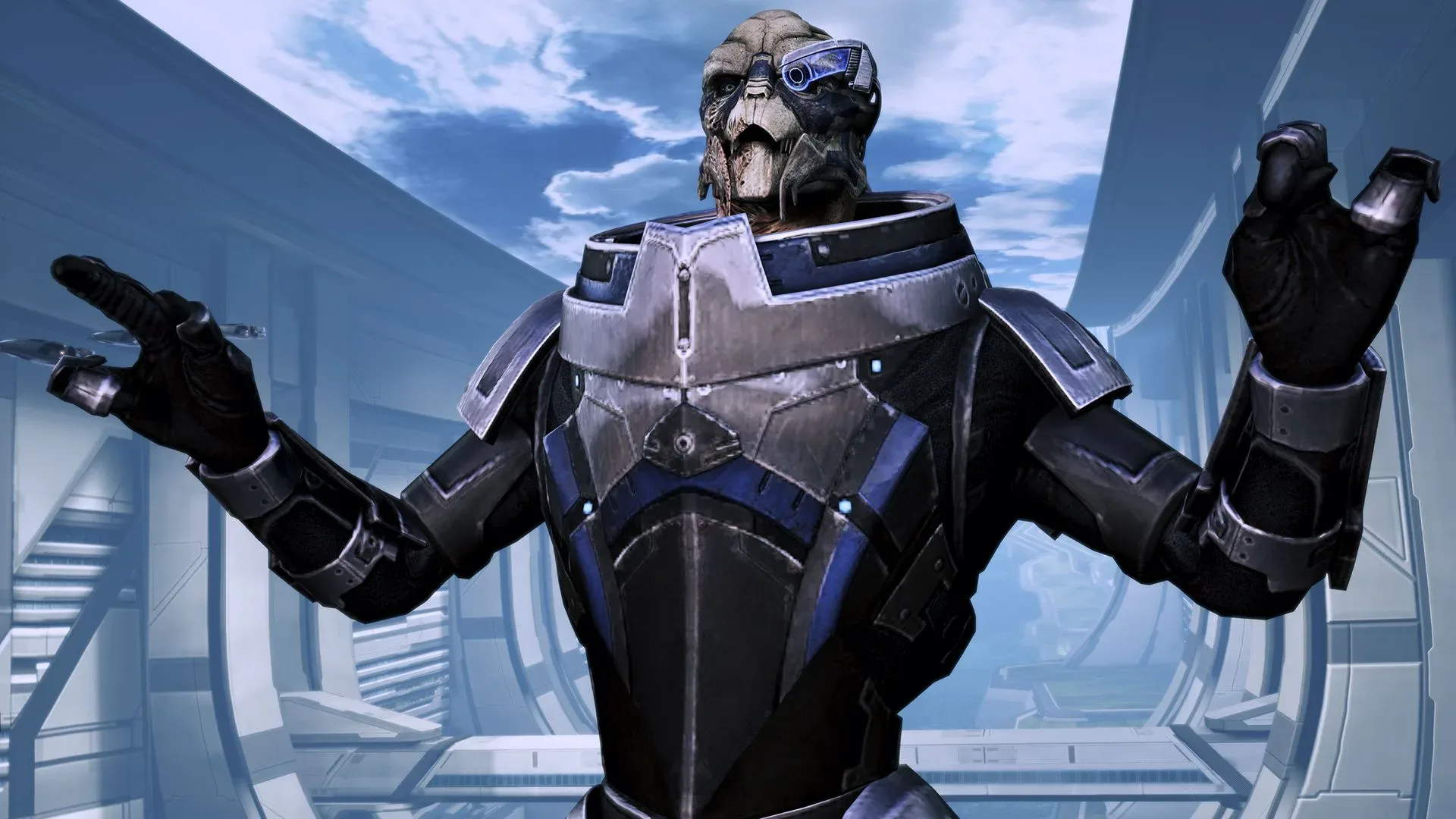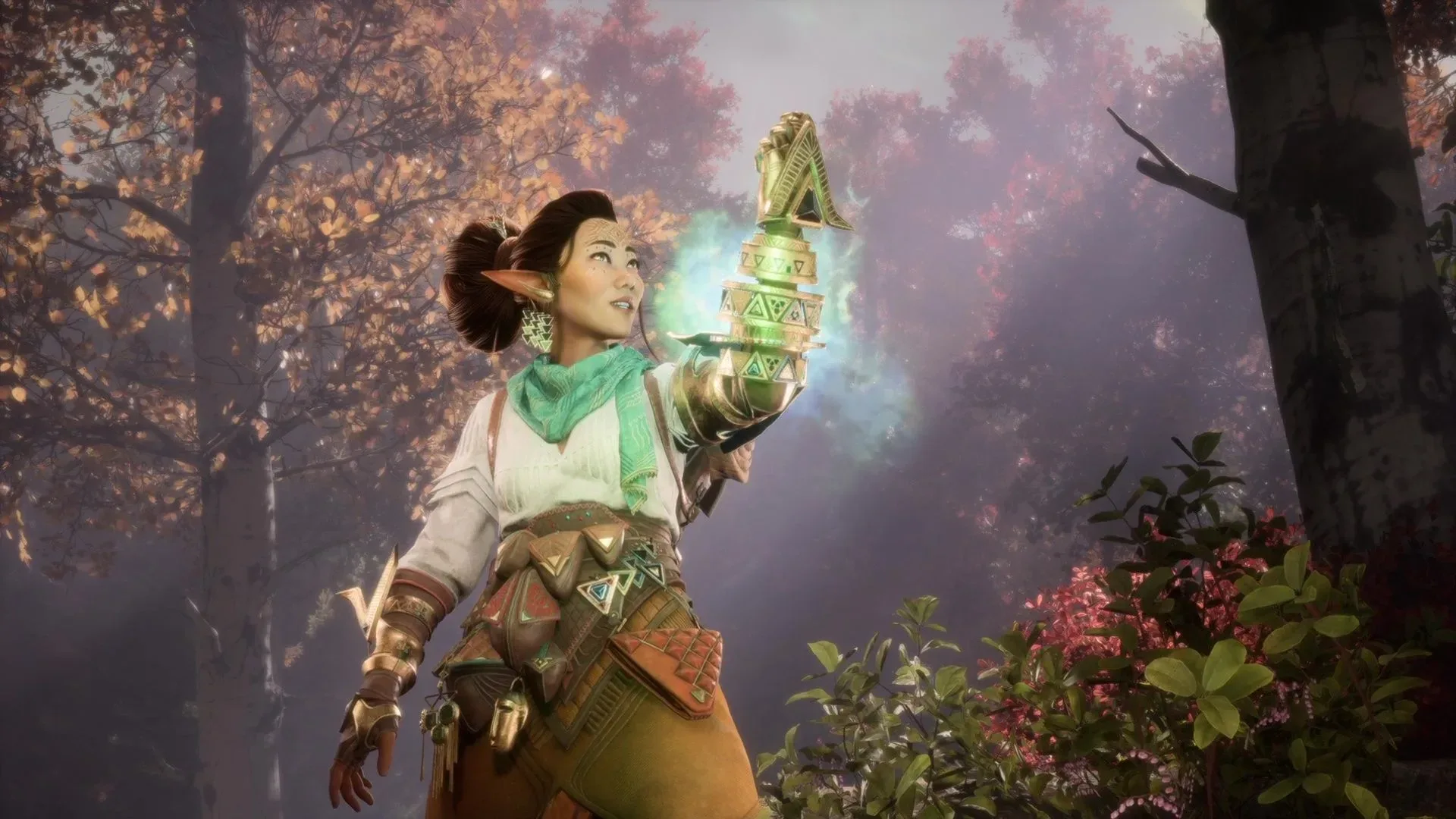
BioWare veteran James Ohlen has offered a pointed reminder amid the studio’s closure: dissatisfaction with Dragon Age: The Veilguard should not be turned into blame directed at the many people who worked on it.
Ohlen, who served as creative director on Baldur’s Gate and Baldur’s Gate II, initially used his public response to recommend former BioWare staff to prospective employers. He described the people affected as among the strongest RPG developers in the business and specifically invited hiring managers seeking writers, designers, artists, or engineers to start with them. He also offered to make introductions for former colleagues where helpful.
That is a practical offer at a difficult time. A studio closure can put people from many different disciplines into the job market at once, despite their work spanning radically different responsibilities. A game’s writers may have worked on dialogue, story structure, or character material; designers may have handled systems, encounters, progression, or quests; artists and engineers contribute still other essential pieces. Treating all of those people as if they individually authored every visible decision in a finished game is not a serious way to understand how large-scale RPGs are made.
A response to misplaced blame
After hostile replies blamed The Veilguard’s developers for BioWare’s downfall, Ohlen addressed that framing directly. His central point was straightforward: most people on a team of The Veilguard’s size had little or no control over the elements that critics disliked. He also noted that BioWare continued to employ people who had contributed to games fans already loved.
“The majority of people on a team the size of Veilguard’s had little or no say in the things you disliked about it,” Ohlen wrote.
This does not require fans to suddenly share every creative preference found in a game. Criticism of a game’s design choices, writing, pacing, mechanics, characters, or overall direction is a normal part of the conversation around any major release. The distinction Ohlen is drawing is between criticism of work and indiscriminate hostility toward workers—especially people whose jobs have just disappeared.
It is also an important distinction because “the developers” is often used online as though it describes one person making every call. It does not. In a project of this scale, the phrase encompasses specialists whose influence varies substantially. A person responsible for art, engineering, animation, quality assurance, production, narrative implementation, or individual design assignments may not have been a decision-maker on the specific feature that has become the focus of an argument.
Creative disagreement is not a license for cruelty
Dragon Age: The Veilguard earned strong critical reviews, while also receiving substantial criticism from portions of the long-running series’ fan base over some of BioWare’s creative decisions. Both parts of that picture matter. A game can be well received by critics and still leave longtime players unconvinced by particular choices. Neither response makes it reasonable to collapse a complicated production into a target for personal abuse.
Related coverage includes BioWare Veteran Urges Compassion for Veilguard Team After Studio Closure.
One particularly vocal line of criticism has focused on the game including a nonbinary recruitable companion, with some commenters presenting that inclusion as evidence that BioWare had become “woke” and had irreparably damaged the series. Ohlen’s follow-up appears aimed at the broader pattern of treating the people behind a game as ideological enemies rather than as individuals with different roles, opinions, and levels of authority.
Ohlen did not pretend that he is above debates about modern storytelling. He said he has concerns about cases where political messaging can interfere with good storytelling. But he paired that observation with a reminder that earlier BioWare work included material that was controversial in its own time. He identified himself as responsible for elements including the Broodmothers in Dragon Age: Origins and Zevran’s same-sex romance options.
His larger argument was not that every player has to agree about those subjects, or about the new game’s direction. It was that people can hold views that do not fit neatly into a political label while still respecting people with whom they disagree. That is a considerably more useful premise than assuming that every creative decision reveals the private beliefs of every person credited on a game.
What “team size” means in practice
Ohlen’s wording about a team “the size of Veilguard’s” gets at a basic production reality. Modern role-playing games are not typically the work of a single writer, designer, or director. They are assembled through interdependent work across many disciplines. The people who build and polish the game are crucial to its quality, but being crucial does not mean each person has final authority over its overall creative direction.
For players, this is useful context when evaluating a release. It is possible to say that a story choice did not work, that a combat system was not to one’s taste, or that a sequel departed too far from expectations. Those are claims about the finished work. It is much harder—and generally baseless—to infer that every artist, programmer, designer, and writer involved personally chose or endorsed every controversial aspect of it.
The difference becomes even more consequential after layoffs. Individual developers are not abstract representatives of a company or franchise debate. They are professionals seeking their next roles, often with skills that transfer across studios and genres. Ohlen’s offer of referrals foregrounds that immediate human reality rather than asking people to relitigate every argument surrounding a game.
For employers, the message is equally clear. A person’s contribution to a project should be assessed on their actual role, portfolio, collaboration, and expertise—not through a sweeping verdict imposed on a studio’s final release. BioWare’s history includes Baldur’s Gate, Dragon Age, and Mass Effect; the people affected by its closure bring experience from a studio long associated with RPG development, even if audiences differ sharply on particular titles and eras.
The uncertain future of BioWare’s series
The closure also raises questions about what happens to the franchises connected to BioWare. One former lead has suggested that the rights to Mass Effect and Dragon Age could potentially be sold, while also warning that they could simply be placed in a corporate vault. No outcome is established by that observation, but it captures the uncertainty facing fans: the studio’s closure does not, by itself, answer what will happen to the series next.
That uncertainty makes the present-tense issue more pressing. Franchise speculation can wait; the immediate concern is the people who worked at the studio and are now looking for work. Ohlen’s public recommendation is therefore more than a defense of one game. It is a request for basic proportionality in how gaming communities discuss a painful industry event.
There is plenty of room to debate what players want from future RPGs, what made earlier entries resonate, and whether The Veilguard succeeded on its own terms. But a closure and layoffs are not a scorecard for online culture-war arguments. They are a disruption to the livelihoods of writers, designers, artists, engineers, and other developers—many of whom did not have the authority to dictate the flashpoints critics now associate with the game.
For more on the wider business pressures and industry developments shaping games, see Joking Joystick’s coverage of Epic’s AI MegaJam and developer grants.