The cleanest number in Apple’s latest iPhone Pro pricing story is also the one most likely to start an argument: the entry-level iPhone 11 Pro cost $999 in 2019, while the entry-level iPhone 18 Pro is listed at $1,199 in 2026. That is a $200 increase in seven years, or 20% before accounting for any differences in the devices themselves.
It is a meaningful rise, particularly because the newer phone’s price is also $100 above the preceding iPhone 17 Pro. But “base Pro” has changed substantially in that stretch. The iPhone 11 Pro began at 64GB of storage; the iPhone 18 Pro begins at 256GB. The current comparison is therefore useful as a view of the cost of buying into Apple’s Pro tier, but it is not an exact like-for-like comparison of an identical capacity or feature set.
For players, creators and anyone treating a phone as a small all-purpose computer, that distinction matters. Storage, sustained processing performance, camera flexibility and efficient cellular hardware can affect day-to-day use far more directly than a simple model-name comparison. The $1,199 figure may be a higher cash barrier, while the device at that price is positioned to do appreciably more than its 2019 counterpart.
The price comparison at a glance
- iPhone 11 Pro, 2019: $999 starting price for 64GB.
- iPhone 16 Pro: $999 starting price two years before the iPhone 18 Pro.
- iPhone 17 Pro: $1,099 starting price, based on the stated $100 gap to the iPhone 18 Pro.
- iPhone 18 Pro, 2026: $1,199 starting price for 256GB.
The important pattern is not a smooth, automatic annual climb from 2019 onward. The available comparison specifically identifies a $999 iPhone 16 Pro only two years before the $1,199 iPhone 18 Pro, followed by a $100 year-over-year increase from the iPhone 17 Pro. That makes the recent change feel sharper than the seven-year total alone suggests.
There is also a wider hardware-cost backdrop. Higher RAM and component prices have put pressure on consumer electronics, and iPhone pricing has risen alongside that environment. RAM, short for random-access memory, is the working memory used while a device is actively handling apps and tasks; its component cost is one part of the broader bill of materials for modern phones. That does not turn every retail-price change into a direct one-to-one RAM calculation, but it is relevant context for why device makers may face increased pressure around pricing.
Apple’s iPad Pro pricing illustrates that the phenomenon is not confined to the iPhone Pro: the iPad Pro entry price moved from $999 to $1,199 in June. The iPhone change is therefore best understood as part of a broader premium-device squeeze rather than an isolated oddity.
Why the 64GB-versus-256GB difference changes the conversation
A base-model price is generally the most visible figure in a launch lineup, but base storage is not a cosmetic specification. It shapes how long a buyer can realistically keep apps, games, media and locally stored files without needing to manage space. The iPhone 18 Pro’s 256GB starting point is four times the capacity of the iPhone 11 Pro’s 64GB entry configuration.
That does not erase a $200 price rise. A shopper still needs $200 more at checkout to enter the current Pro lineup than they did for the 2019 entry model. But it does mean the comparison should not be framed as Apple charging $200 extra for the same baseline bundle. The capacity floor has been lifted along with the dollar amount.
Related coverage includes iPhone Pro Pricing: From $999 in 2019 to $1,199 in 2026.
Practical value will vary by person. Someone who primarily messages, streams and keeps little local media may see 256GB as more than they require. Someone who keeps large games, captures plenty of photos or video, or works from a phone may find the higher floor more useful. The point is not that more storage automatically makes a price increase painless; it is that capacity is a tangible part of what has changed.
It is also a reminder to compare the configuration you actually need, not just a launch headline. The most meaningful shopping question is not solely “what did the cheapest Pro cost seven years ago?” It is “what does the least expensive current Pro include, and does that meet my needs without an additional storage upgrade?”
From the iPhone 11 Pro’s triple-camera moment to newer Pro hardware
The iPhone 11 Pro arrived as Apple’s first Pro-branded iPhone and introduced a three-camera arrangement comprising wide, ultra-wide and 2x telephoto lenses. Its Super Retina XDR OLED display was described as brighter and as having double the contrast of the prior XS line. It used a matte-finish, single-piece milled-glass design and came in space gray, midnight green, gold and silver.
It also marked a few transitions that help explain how quickly a phone can become a product of its era. The model had Apple’s U1 ultra-wideband chip, a component intended to assist device-to-device connection through updated AirDrop and to support AirTag tracking. Ultra-wideband, often shortened to UWB, is a short-range wireless technology used here for proximity-aware interactions. The phone dropped 3D Touch, the pressure-sensitive display layer used for input based on how firmly the screen was pressed, allowing room for a larger battery. Yet it still used Lightning rather than USB-C, a connector change that would not come to iPhones until the iPhone 15.
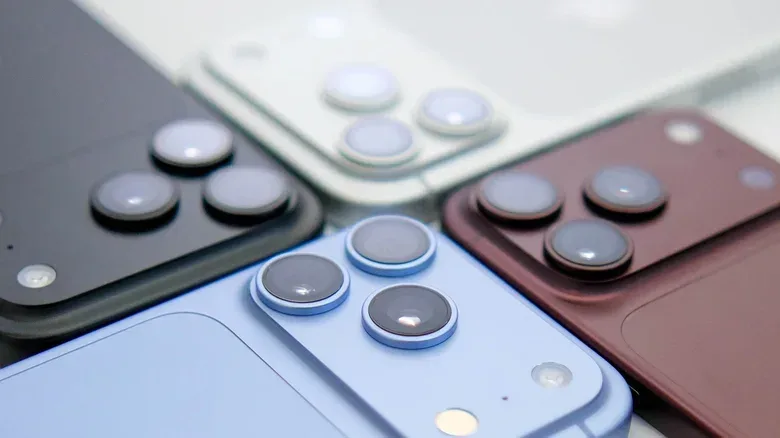
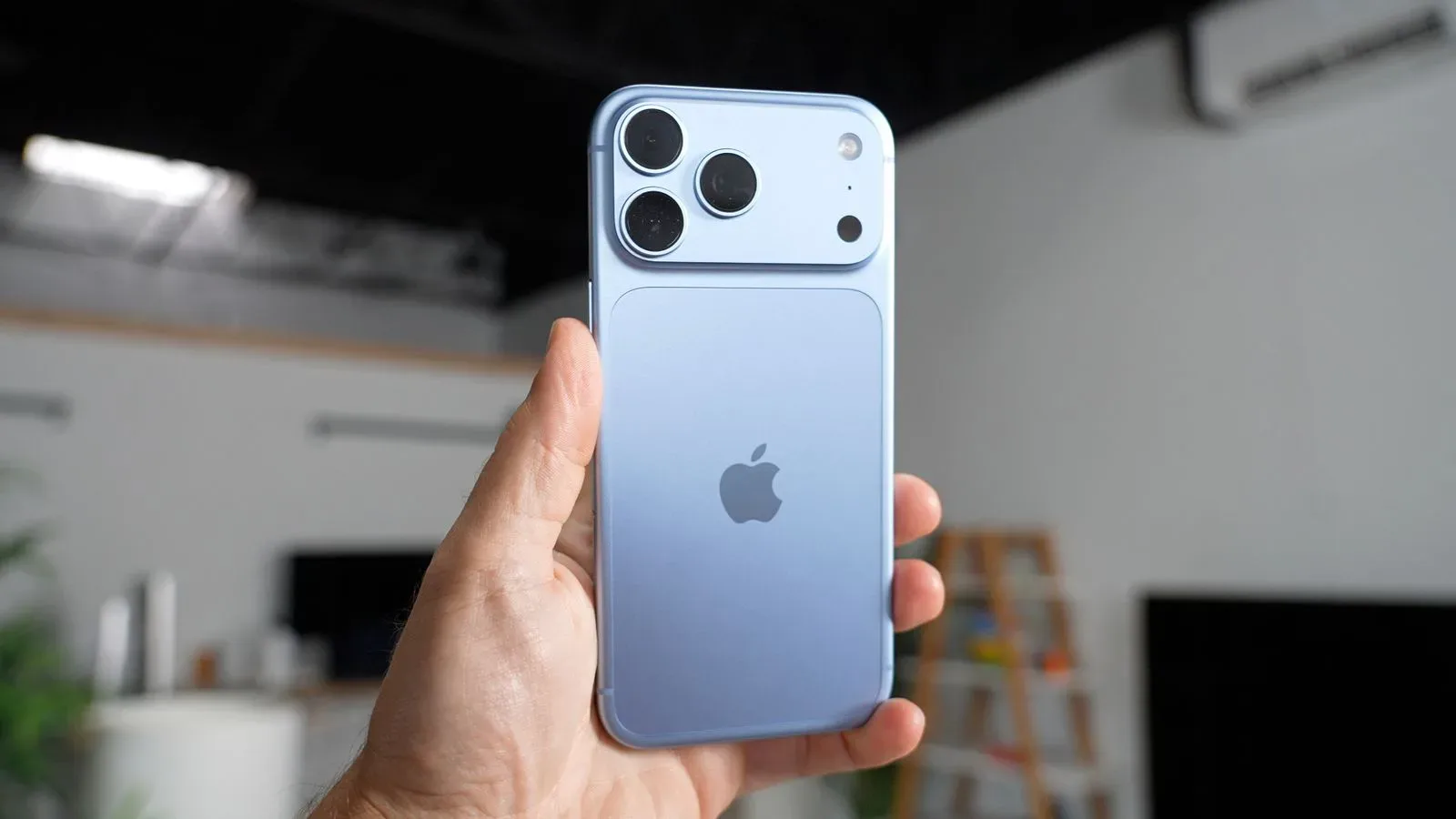
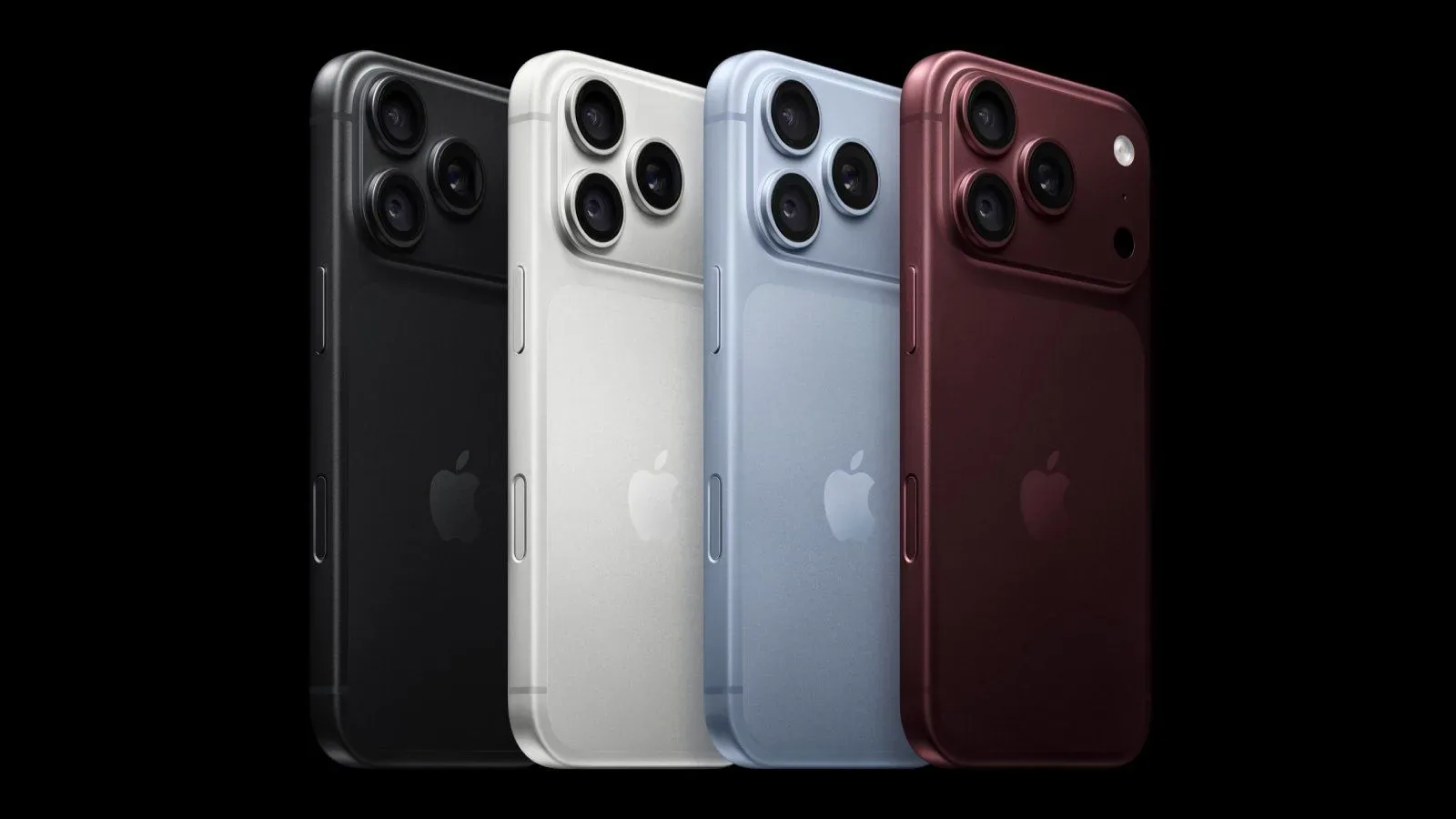
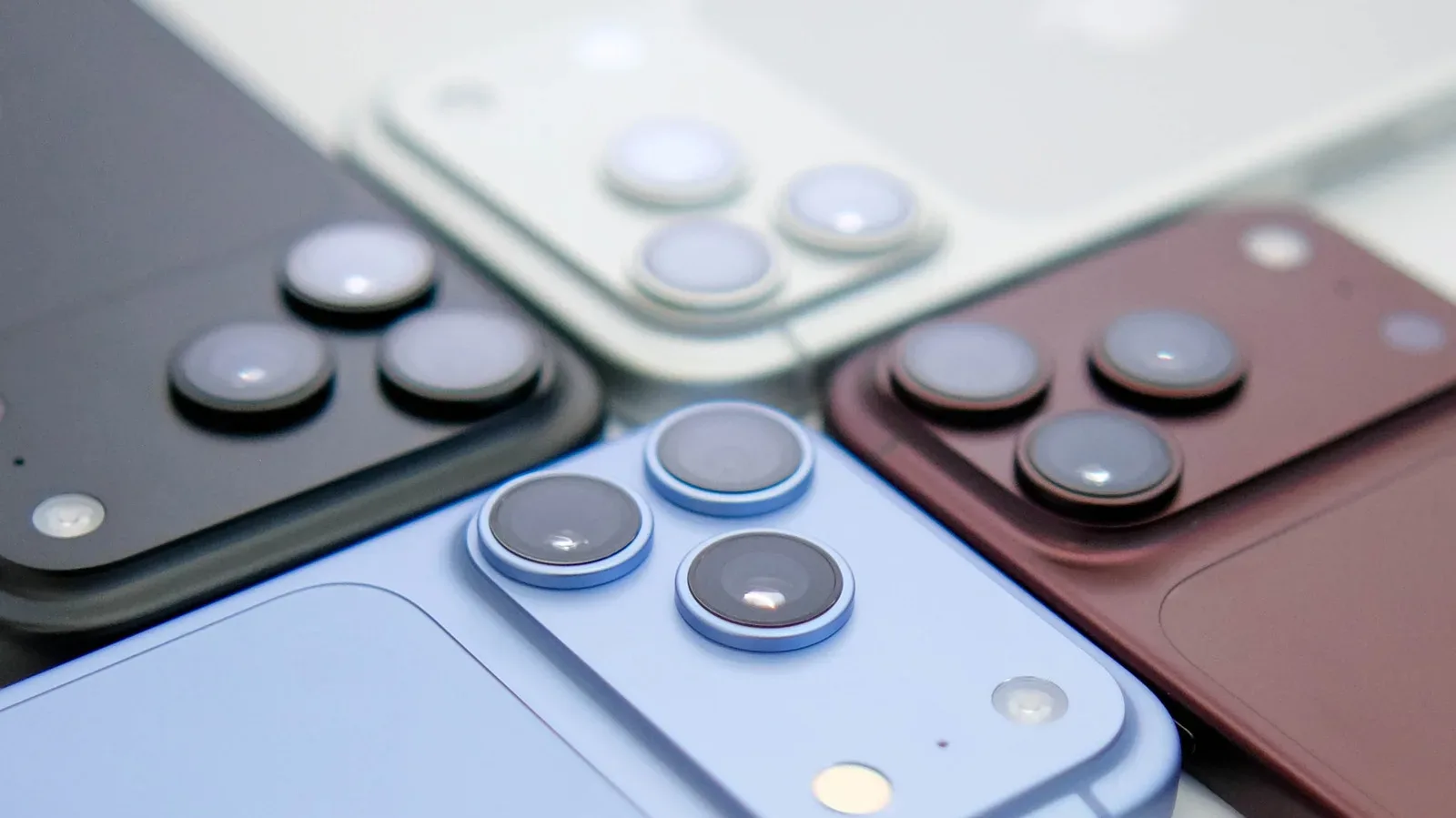
The iPhone 18 Pro’s listed changes show where the modern Pro pitch is focused: a 2nm A20 Pro processor, a main camera with a variable aperture ranging from f/1.48 to f/4.0, a smaller Dynamic Island, a larger vapor chamber and an in-house C2 cellular modem designed to improve energy efficiency. Glacier Blue and Burgundy join the color options.
Several of those terms deserve translation. A processor is the chip that carries out the phone’s computing work. The 2nm label identifies the process generation associated with the A20 Pro in this comparison. A variable aperture means the main camera can change the opening through which it receives light; the quoted f/1.48-to-f/4.0 range describes that adjustable aperture. It is a hardware capability rather than a vague promise of “better camera” results.
The vapor chamber is especially notable for people who play demanding games on a phone. It is part of the thermal system, intended here to help the iPhone maintain performance during intensive workloads. “Sustained performance” is the key phrase: peak speed is one thing, but a device facing a prolonged heavy task also has to manage heat. A larger vapor chamber is presented as an answer to that extended-load problem, not merely as a line-item upgrade.
Likewise, the C2 modem concerns the cellular connection between the phone and mobile networks. Apple’s stated emphasis is energy efficiency. A modem is not glamorous hardware, but efficiency can matter because wireless connectivity is a constant background demand for many phone owners.
What the recent $200 step means for buyers
The most immediate consumer implication is simple: the entry price for Apple’s current Pro phone is now $1,199. Buyers who consider the Pro tier their normal upgrade destination must budget around that number, and those moving from an iPhone 16 Pro face a notably different baseline only two years later.
At the same time, the decision should not be reduced to a scorecard that awards the newer model points for every specification. A newer processor, variable aperture, better cooling and an efficiency-focused modem are all distinct upgrades, but their importance is conditional. The larger thermal solution will be more relevant to people who routinely subject a phone to intensive tasks, including gaming. The 256GB baseline will be more relevant to people close to the limits of 64GB. A smaller Dynamic Island may matter to buyers who value a more compact screen cutout, while others may scarcely notice it.
That is why the iPhone 11 Pro-to-iPhone 18 Pro comparison has two valid readings. The first is the blunt budget reading: Apple’s base Pro price is $200 higher than it was in 2019, and the increase from the $999 iPhone 16 Pro is concentrated over just two years. The second is the product reading: the entry model now carries four times the storage and a collection of hardware changes that include a new processor, camera system changes, cooling and modem work.
Neither cancels the other. The extra storage and broader specification help explain why a label-to-label price comparison is incomplete; they do not make the increased up-front cost disappear. Anyone considering a phone upgrade should separate those two questions: whether the newer Pro offers hardware they will use, and whether that bundle is worth the higher admission price.
For a broader look at whether a phone needs specialized software rather than simply more hardware, see our guide to deciding whether you need a dedicated PDF reader on your phone.
The bigger lesson: entry prices need context, not excuses
Premium smartphones now consolidate cameras, high-end processors, connectivity hardware, storage and demanding applications into a single handheld device. The iPhone 11 Pro was already a high-priced flagship at $999. Seven years later, the iPhone 18 Pro’s $1,199 starting point is higher, and recent component-cost pressure provides important context for the latest increases.
Context is not an excuse buyers are required to accept. A customer deciding whether to upgrade has every reason to focus on the amount leaving their account today. But context does make the comparison more precise. The 2019 $999 Pro was a 64GB phone with a triple-camera system, U1 chip and Lightning port. The 2026 $1,199 Pro is a 256GB phone with the stated A20 Pro, variable-aperture main camera, larger vapor chamber, C2 modem and USB-C-era lineage behind it.
The honest takeaway is therefore more useful than either extreme. Apple’s Pro entry price has climbed, and the latest jump is material. It has also not simply sold the 2019 base configuration at a new sticker price. Prospective buyers should treat both facts as part of the calculation.