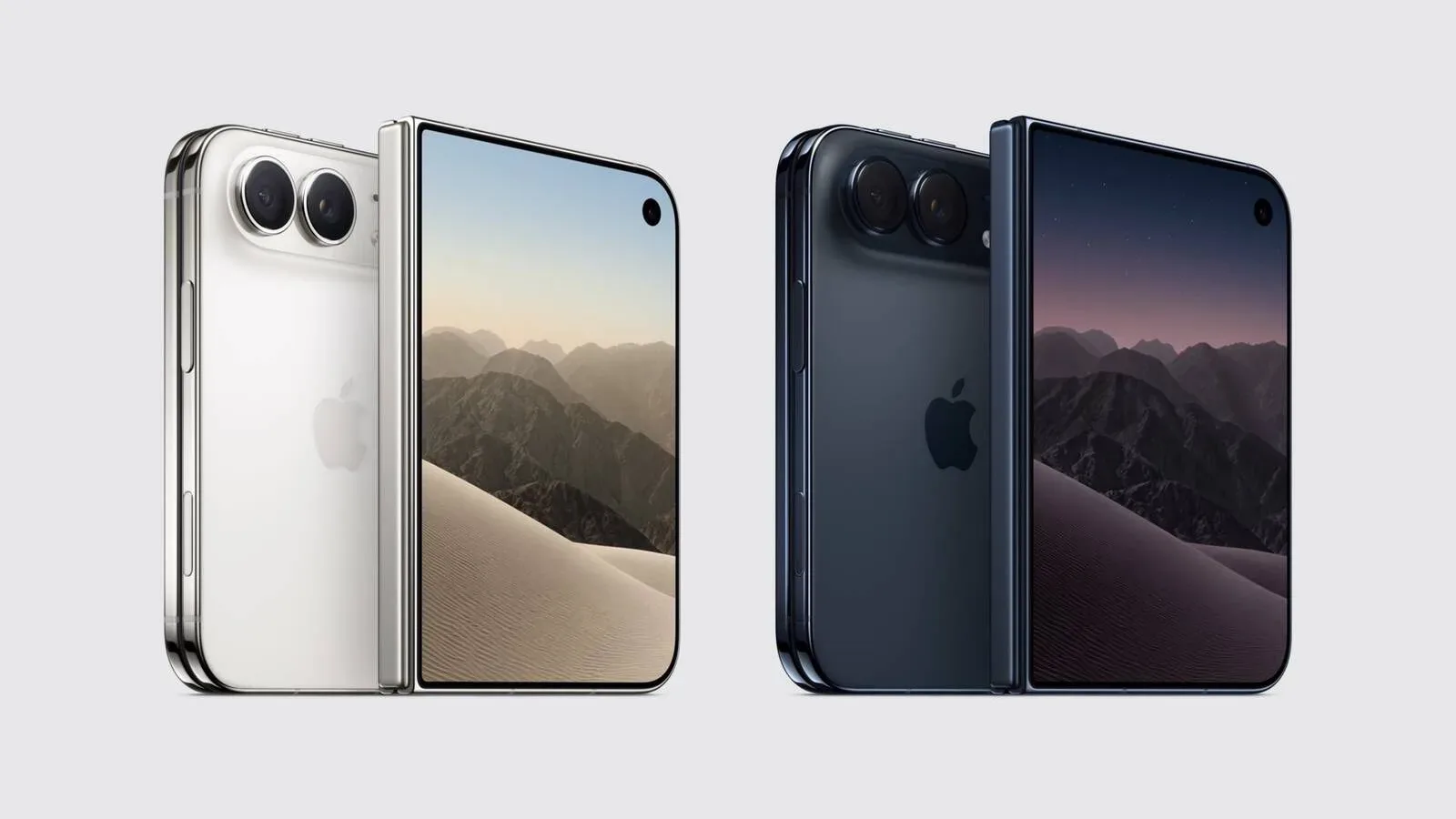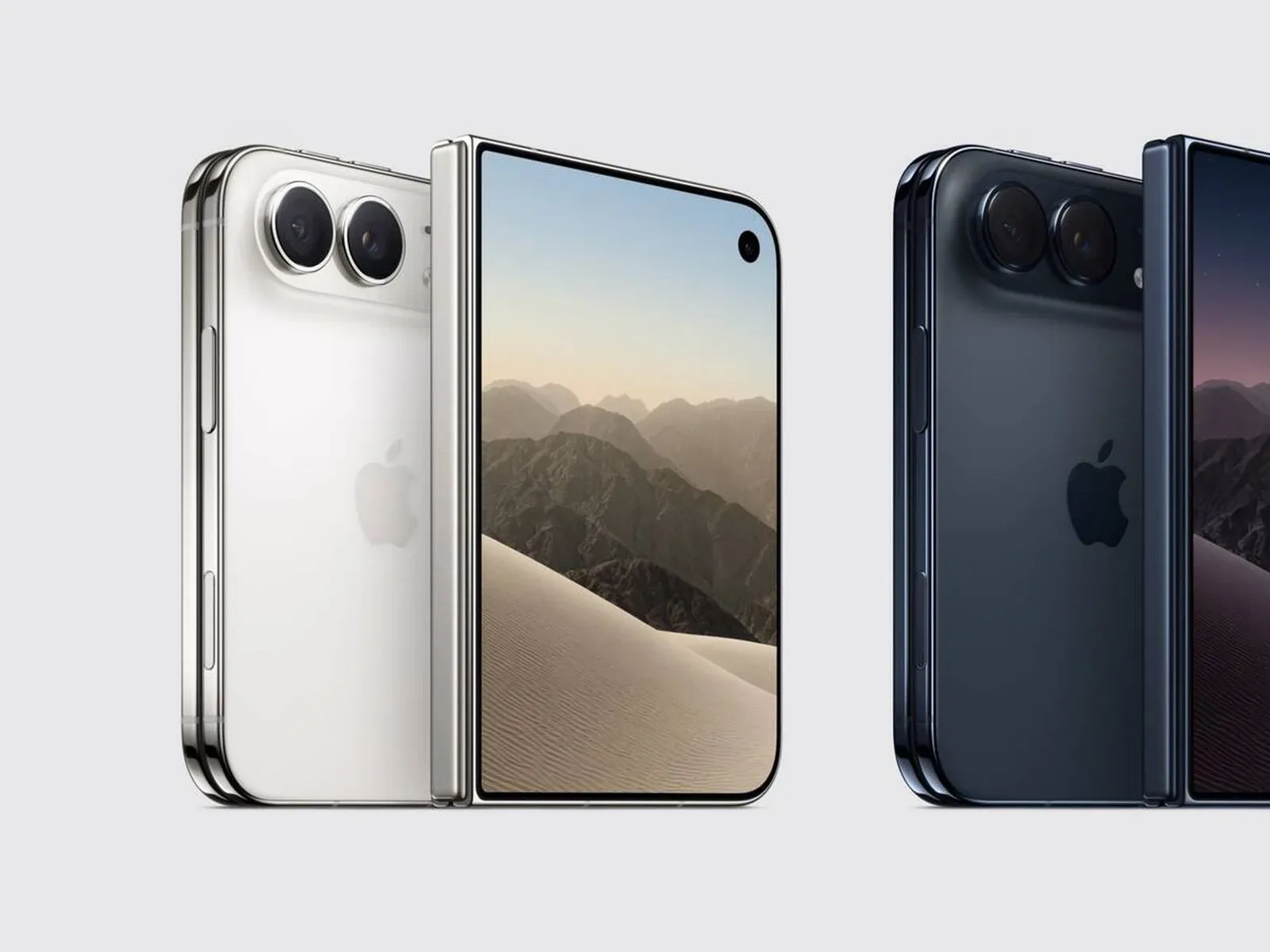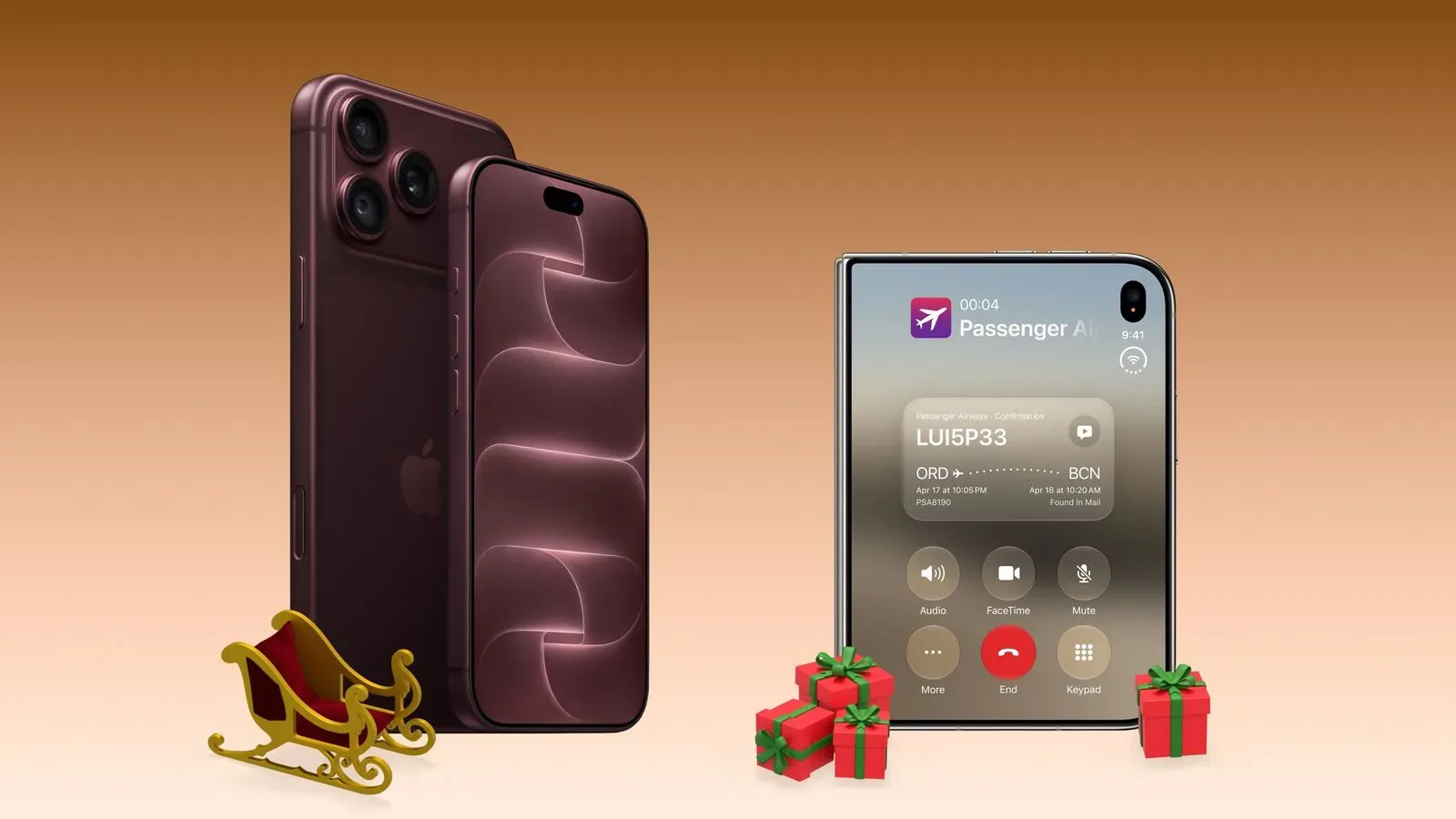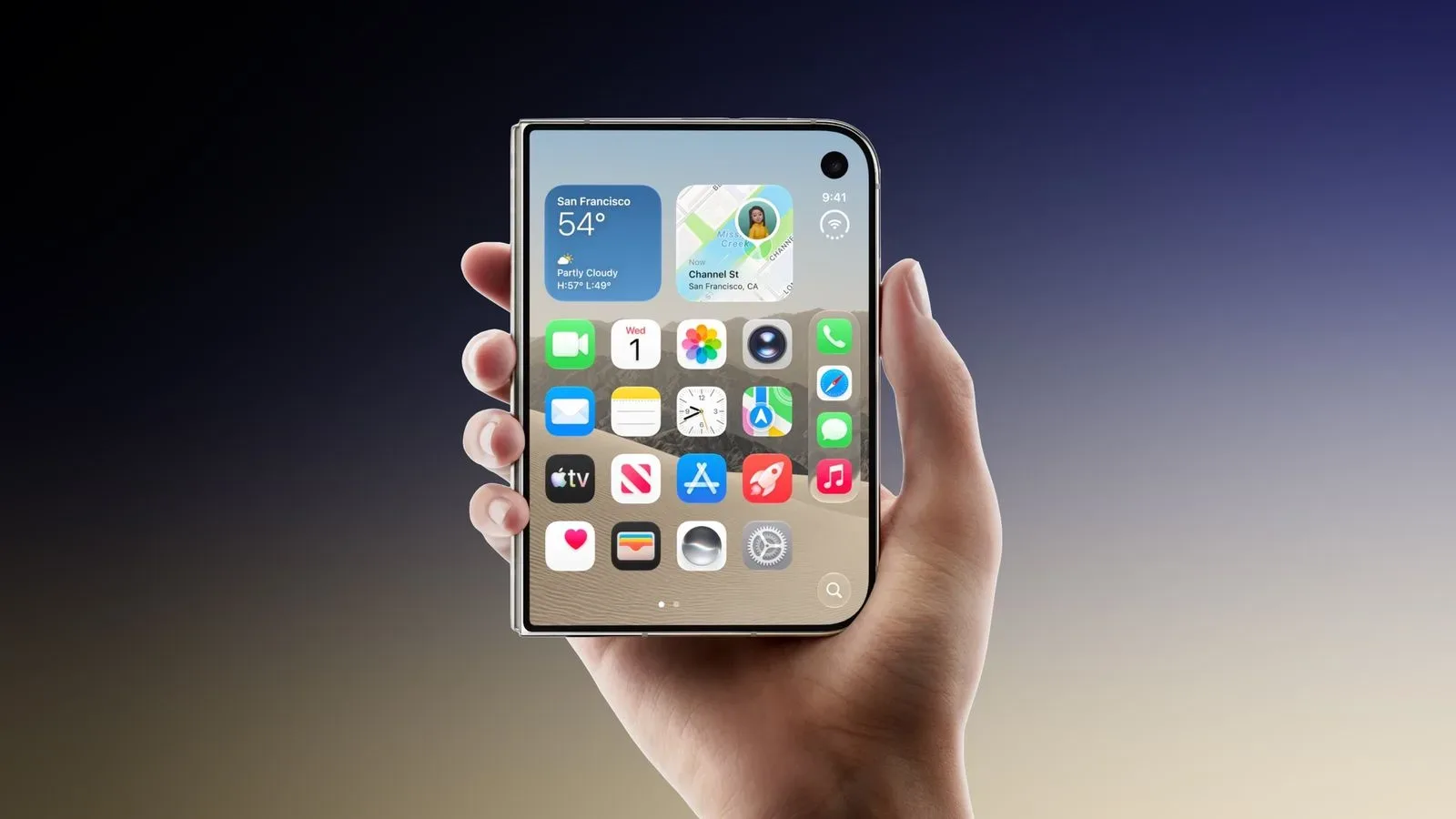
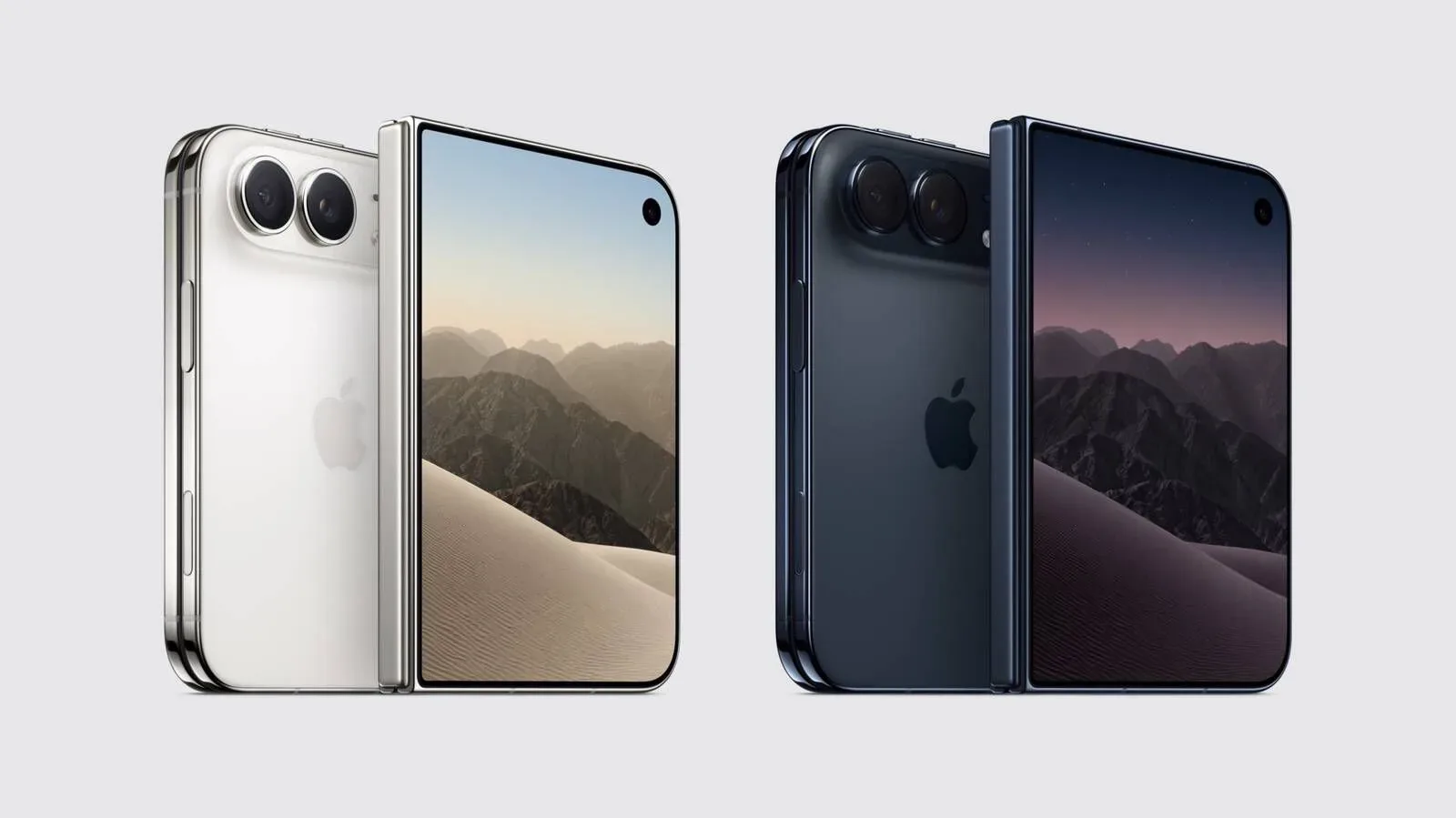
Anyone who bought and received an iPhone Duo on its October 23 launch day has reached a key decision point. Apple’s first foldable iPhone launched on a Friday, and the standard U.S. 14-calendar-day return period for a device received that day ends on Friday, November 6. For a buyer who is still undecided, the calendar matters more than the date a preorder was placed.
The important qualifier is received. Apple calculates the return period from the day the customer takes delivery of the product, not from the day the order was submitted. That means the November 6 cutoff is specifically relevant to people whose iPhone Duo arrived, or was collected, on October 23. A preorder that arrived later has a later deadline based on its own delivery date.
This is less glamorous than unfolding a new phone for the first time, but it is the practical part of a major hardware purchase: establish the applicable window, identify the seller, protect personal data, account for service-plan consequences and make the return request before time expires. Buyers should not assume that every Apple purchase follows the exact same timetable, especially across countries and purchase channels.
The launch-day deadline in the United States
For direct Apple purchases in the United States, the stated standard is 14 calendar days from receipt. Calendar days include weekends, so this is not a two-week business-day clock. A launch-day iPhone Duo received on October 23 reaches the end of that standard period on November 6.
That rule applies whether the direct purchase happened through Apple online or at an Apple retail store. In practical terms, a U.S. buyer who received the device on launch day and intends to seek a refund should begin the process by the deadline rather than treating it as a shipping-only date or assuming a grace period.
There are two ways to start a direct-Apple return mentioned for U.S. customers: through Apple’s online Order Status page or at an Apple retail store. Starting with the order record can be especially useful for confirming the device’s delivery date and ensuring the request is attached to the correct purchase.
Return eligibility is not a verdict on whether the iPhone Duo is a good device. A return window exists to give customers a defined period in which to decide whether the purchase suits them. A buyer may simply prefer a conventional handset, find that a foldable form factor does not fit their routine, or decide a different device is more appropriate. The central issue is meeting the policy’s timing and condition requirements.
Canada has a different clock
Canadian buyers who purchased directly from Apple have a slightly longer stated period: 15 calendar days from receipt to initiate a return. For an iPhone Duo received on October 23, that makes Saturday, November 7 the relevant date.
The distinction between 14 and 15 days is small, but it is material when a buyer is looking at a weekend deadline. The safest approach is still not to wait until the final day. A return can involve locating packaging and accessories, preparing the device, and resolving any account or carrier details that are separate from the hardware transaction.
UK and EU online orders: notification and dispatch are separate steps
The most significant variation applies to customers in the UK and European Union who bought online. Consumer-protection rules create a two-stage process: customers have 14 days after receipt to notify Apple that they intend to return the device, and then have a further 14 days to send it back or arrange collection.
For an iPhone Duo received on October 23, a customer who gives notice on November 6 could have until November 20 to dispatch the device. That added dispatch period is not the same thing as an extra two weeks to make up one’s mind. The first action, notifying Apple of the return decision, must happen within the initial 14-day period.
This distinction is worth spelling out because “return by” can mean different things in different systems. In the UK/EU online scenario, the initial requirement is to communicate the intention to return. The later period concerns getting the hardware back to Apple or arranging collection. Treating the later shipping date as the only deadline risks missing the earlier notice requirement.
The online treatment also covers devices ordered online and collected at an Apple Store. However, a phone purchased directly in a physical Apple Store is generally subject to the initial 14-day window instead. Collection and in-store purchasing can look similar from the customer’s perspective because both end with a device handed over at a shop counter, but the original transaction method is what matters here.
Why the order method matters
For a buyer sorting through receipts and confirmations, the useful question is not merely “Did I pick it up in a store?” It is “Was the order placed online, or was the purchase made in the physical store?” An online order collected in store falls into the online-purchase situation described above; a direct store purchase generally does not receive that additional UK/EU dispatch period.
This is a reminder that the purchase record is more useful than memory when a deadline is near. The receipt, order confirmation and delivery or collection date establish the details needed to determine which timeline applies.
A return checklist for the iPhone Duo
Before handing over the device, buyers should work through the required practical steps. The goal is to avoid a preventable snag after the return has been initiated.
- Confirm the receipt date. The return window runs from when the iPhone Duo was received, not from preorder or purchase-order placement. Launch-day delivery is the fact that creates the November 6 U.S. deadline or November 7 Canadian deadline discussed here.
- Confirm who sold the device. Apple’s stated return policies apply to purchases made directly from Apple. A carrier or other retailer sets its own return terms, and those terms may differ.
- Initiate the return through the applicable route. Direct Apple purchasers can use the online Order Status page; U.S. customers can also initiate a return at an Apple retail store. UK/EU online customers should make sure their notification is submitted within the initial 14 days.
- Disable Find My. Apple asks customers to turn off Find My before the iPhone Duo is returned. This is an account-security step: Find My is the service associated with locating an Apple device, and a returned phone should not remain tied to the previous owner’s Find My setup.
- Gather original materials. Apple asks for the original packaging and included accessories to be returned with the device. Put those items aside before beginning the handoff or packing process.
- Check the cellular account separately. Returning the phone may not automatically cancel a newly started mobile service plan. Contact the carrier to understand cancellation requirements and any fees that could apply.
The carrier-plan issue is a separate boss fight
A phone purchase and a cellular plan can be connected, but they are not necessarily the same agreement. A buyer who activated a new plan alongside the iPhone Duo should not assume that returning the hardware also ends the service. Apple advises customers to contact their carrier regarding cancellation requirements and potential associated fees.
That separation is particularly important for people who bought through a carrier or third-party retailer. In that case, the seller’s own return policy controls the device return, rather than Apple’s direct-sales policy. The carrier relationship may also have its own terms regarding service cancellation. A refund for the phone and an end to wireless service should therefore be treated as two outcomes to verify, not one automatic process.
It is also sensible to distinguish a device return from an account-security task. Disabling Find My is required before the hardware goes back, while contacting the carrier addresses the service side. Original packaging and accessories address the contents of the return. Each step solves a different problem, and completing only one does not substitute for the others.
What the deadlines do—and do not—mean
The November 6 date is not a universal iPhone Duo deadline. It does not apply to every preorder, every region, or every retailer. It is the standard U.S. cutoff for a direct-Apple buyer who received the phone on October 23. Canada’s launch-day recipient date is November 7 under its 15-day policy. UK/EU online buyers have the important notice-then-dispatch structure, while direct in-store purchases generally remain within the initial 14-day period.
Nor should a customer infer that physical store collection always means a physical-store purchase. An online order collected from an Apple Store is specifically covered by the UK/EU online arrangement described above. Conversely, a device purchased from a carrier, even if it is an iPhone Duo, belongs under the carrier’s policy rather than Apple’s.
For shoppers weighing other Apple-related buying decisions, the same fine-print mindset matters: promotional headlines and product excitement are only part of the transaction. Our look at iPhone deal fine print similarly underscores why the terms around a purchase deserve attention alongside the headline offer.
Practical takeaway for launch-day owners
If a launch-day iPhone Duo owner in the U.S. bought directly from Apple and wants to return it, November 6 is the decisive date. Canadian launch-day recipients have until November 7 to initiate the return. UK and EU online customers must notify Apple within 14 days of receipt, then can use the additional 14-day period to send the device back or arrange collection; for an October 23 receipt and a November 6 notification, that can mean dispatch by November 20.
In every case, begin with the actual delivery or collection record, identify the seller, disable Find My, retain the original packaging and included accessories, and separately contact the carrier if a new cellular plan was started. That is the cleanest route through what can otherwise become a frustrating end-of-window scramble.