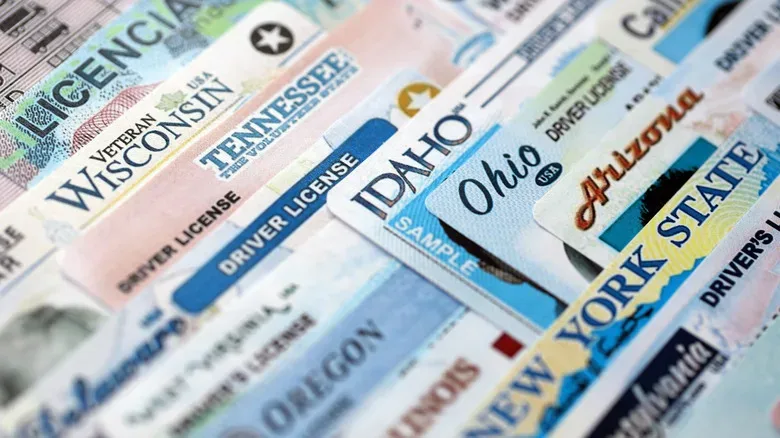
IDScan.net has begun offering free credit monitoring and identity-protection services to people affected by a recent security incident involving information stored in customer accounts on its cloud platform. The company says its investigation remains ongoing, but it has determined that an unauthorized third party may have accessed or copied certain data.
The potentially affected information may include customers’ full names along with driver’s-license numbers or other government-issued identification numbers. That is the sort of data nobody wants dropped as loot after a bad security roll: unlike a password, a driver’s-license number is not something a person can simply replace in a few clicks.
IDScan.net says it is contacting people who may have been impacted and that access to the information required payment. It also says it is cooperating with federal law enforcement during the investigation. At this stage, the company has not publicly confirmed a connection between the incident and reports involving Nexus, a dark-web marketplace that allegedly offered scans of identification documents for sale.
What IDScan.net has said about the incident
The central detail is straightforward, if unsettling. IDScan.net has said an unauthorized party may have gained access to, or copied, customer information contained in accounts hosted in the IDScan.net cloud. The company’s description does not state that every account was affected, nor does it provide a public total for the number of people whose information may be involved.
It does identify the possible categories of data at issue: full names and driver’s-license or other government-issued ID numbers. Those are meaningful details in any identity-related incident because official documents are often used to establish a person’s identity with financial institutions, online services, employers, venues, and other organizations.
The company’s remedy is free credit monitoring and identity-protection services for potentially affected individuals. Anyone contacted by IDScan.net should read the notice closely, retain a copy for their records, and follow the enrollment information supplied through the company’s official communication. It is sensible to be cautious about unexpected messages that imitate a breach notice, particularly when they ask for personal information or direct recipients to unfamiliar web addresses.
Free monitoring does not reverse exposure of an identification number, but it can be a useful early-warning layer. The important word is “layer.” A monitoring offer should not be mistaken for a magic shield or a reason to stop watching account activity. Security is less a single legendary item and more an inventory full of small, practical defenses.
The reported Nexus link remains unconfirmed
The timing has drawn attention because a September 1 report identified IDScan.net as a possible source of documents offered through Nexus, a dark-web ID marketplace. Nexus was reported to have sold scans of more than 153 million U.S. and Canadian driver’s licenses, as well as millions of other identification documents.
Nexus reportedly shut down before an FBI investigation into the marketplace. However, it is vital not to turn a possible lead into a settled fact. IDScan.net has not publicly linked its security incident to Nexus. The available information supports concern and scrutiny, but it does not establish that the reported marketplace inventory came from this incident or that every document mentioned in reports was tied to IDScan.net.
That distinction matters. Cybersecurity reporting can become a telephone game at speed, especially once enormous numbers and dark-web claims enter the chat. A platform acknowledging a security event, an outside report naming a possible source, and a law-enforcement investigation are all significant facts. They are not automatically proof of one fully mapped chain of events.
For people potentially affected, the practical priority is not solving that attribution question from the sidelines. It is protecting their accounts, understanding what information may be exposed, and remaining alert while the investigation develops.
Why identification-document exposure can be especially serious
A password leak is serious, but users can change passwords. A payment-card problem is stressful, but a bank can generally issue a replacement card. Government-issued identification information can be more complicated. A license or identification number may be requested as part of verification processes, and copies or scans of documents can carry additional personal details beyond a simple account credential.
That is why names paired with driver’s-license numbers deserve careful attention. A person who believes their information may be involved should be especially watchful for unfamiliar account activity, unexpected credit inquiries, notices about accounts they did not open, changes to contact details they did not request, or messages that create urgency around “verifying” identity information.
Phishing attempts can become more convincing when criminals have accurate personal details. An email or text that knows a name may look more legitimate at first glance, even though the real test is still where it sends the recipient and what it asks them to do. Treat unexpected requests for passwords, codes, full identification numbers, or payment details with suspicion.
Gamers and collectors are not outside this risk simply because the breach concerns licenses rather than game accounts. Digital storefronts, collectible marketplaces, grading services, payment platforms, event-ticket accounts, and social channels can all become targets for account takeover or impersonation attempts. The same basic rule applies whether someone is guarding a bank account or a rare-card sales listing: never hand over a login code because a message says the clock is ticking.
For another example of how platforms respond to bad actors and enforcement systems, see our coverage of limited matchmaking and permanent cheating bans in Call of Duty. The circumstances are entirely different, but both situations underline that verification, evidence, and process matter more than rumor-driven certainty.
Practical steps for people who receive a notice
IDScan.net says it is reaching out to those potentially impacted. If you receive a notice that appears genuine, start by confirming it through channels you locate independently, rather than trusting a link or phone number supplied in an unexpected email or text. Go to the organization’s official site by typing its address into a browser, or use a number from an existing account record.
- Save the notification. Keep the date, the stated incident details, and any enrollment deadline for the offered services.
- Use the free services if appropriate. Review the terms and enrollment process carefully, and make sure you are using official contact paths.
- Review financial accounts regularly. Look for unfamiliar charges, transfers, account changes, credit activity, or correspondence.
- Be skeptical of follow-up contact. A real breach can inspire fake “support” calls, texts, and emails designed to collect even more information.
- Strengthen important logins. Use unique passwords and multi-factor authentication where available, with priority given to email and financial accounts.
- Document anything suspicious. Dates, screenshots, emails, messages, and reference numbers can help if an account provider or identity-protection service needs to investigate.
None of these actions requires guessing whether a report about Nexus will ultimately be connected to IDScan.net’s incident. They are reasonable responses to the company’s own disclosure that personal details may have been accessed or copied.
What remains unknown
Several major questions remain unanswered publicly. There is no confirmed public connection between the IDScan.net incident and the Nexus marketplace. The scope of the affected customer population has not been specified. It is also not clear exactly when the possible unauthorized access occurred, what systems were involved, whether particular types of identification were more broadly affected than others, or how long the investigation may take.
There is also an important difference between data being accessed and data being used for fraud. The company has disclosed possible access or copying of information; that alone does not prove that every affected person will experience identity theft or financial harm. Still, the nature of the data makes vigilance a sensible response rather than an overreaction.
IDScan.net’s promise of free monitoring and identity protection acknowledges the potential seriousness of the incident. Its stated cooperation with federal law enforcement also indicates that the matter is being investigated beyond routine customer support. More definitive information may emerge as the company’s investigation and the related federal work continue.
Until then, the clearest takeaway is refreshingly unglamorous: rely on confirmed details, do not assume unverified connections are proven, use official support channels, and keep an eye on the accounts and records that matter most. In cybersecurity, boring habits rarely get a cinematic cutscene, but they are often what keeps a bad situation from unlocking its next level.