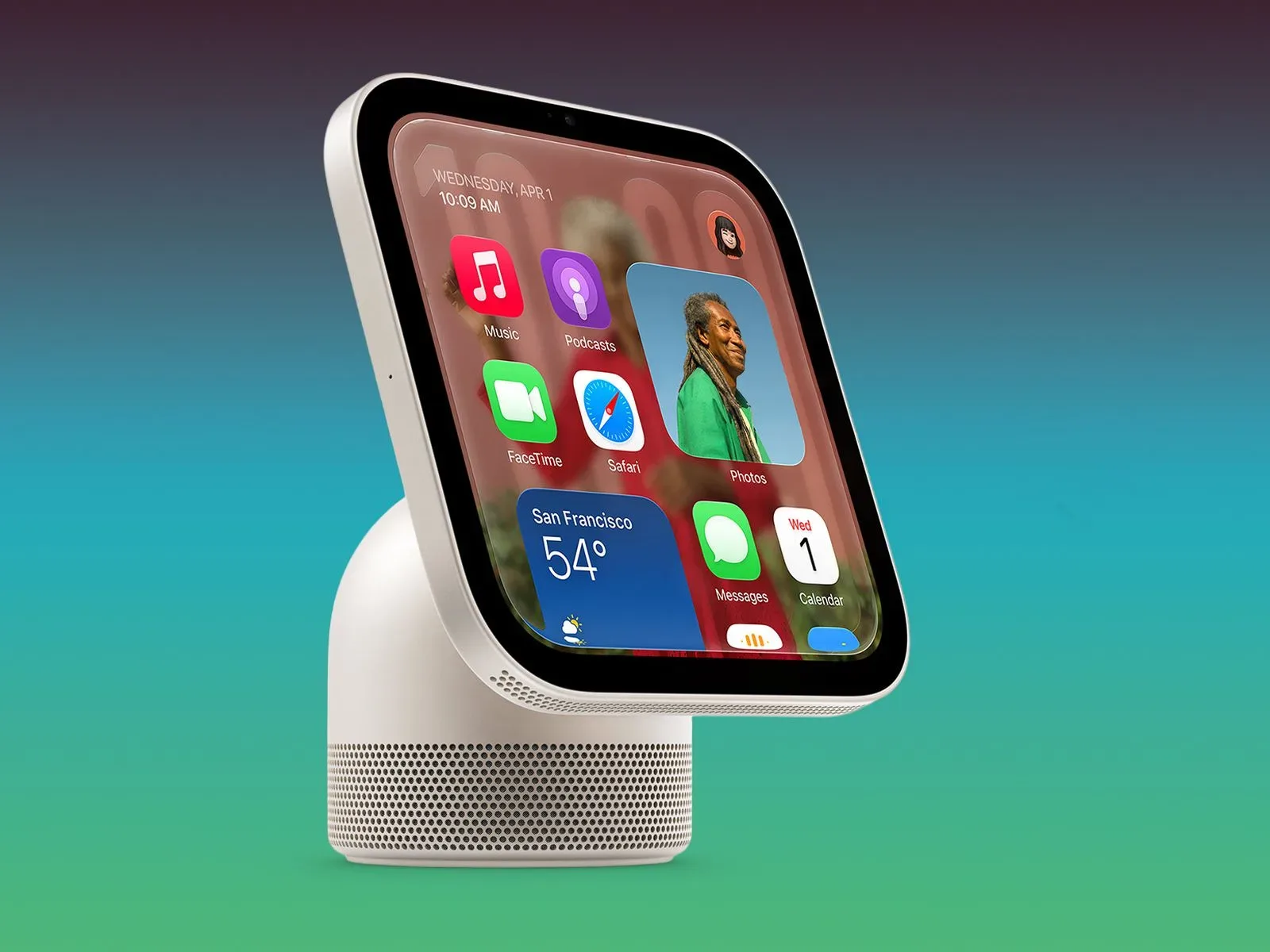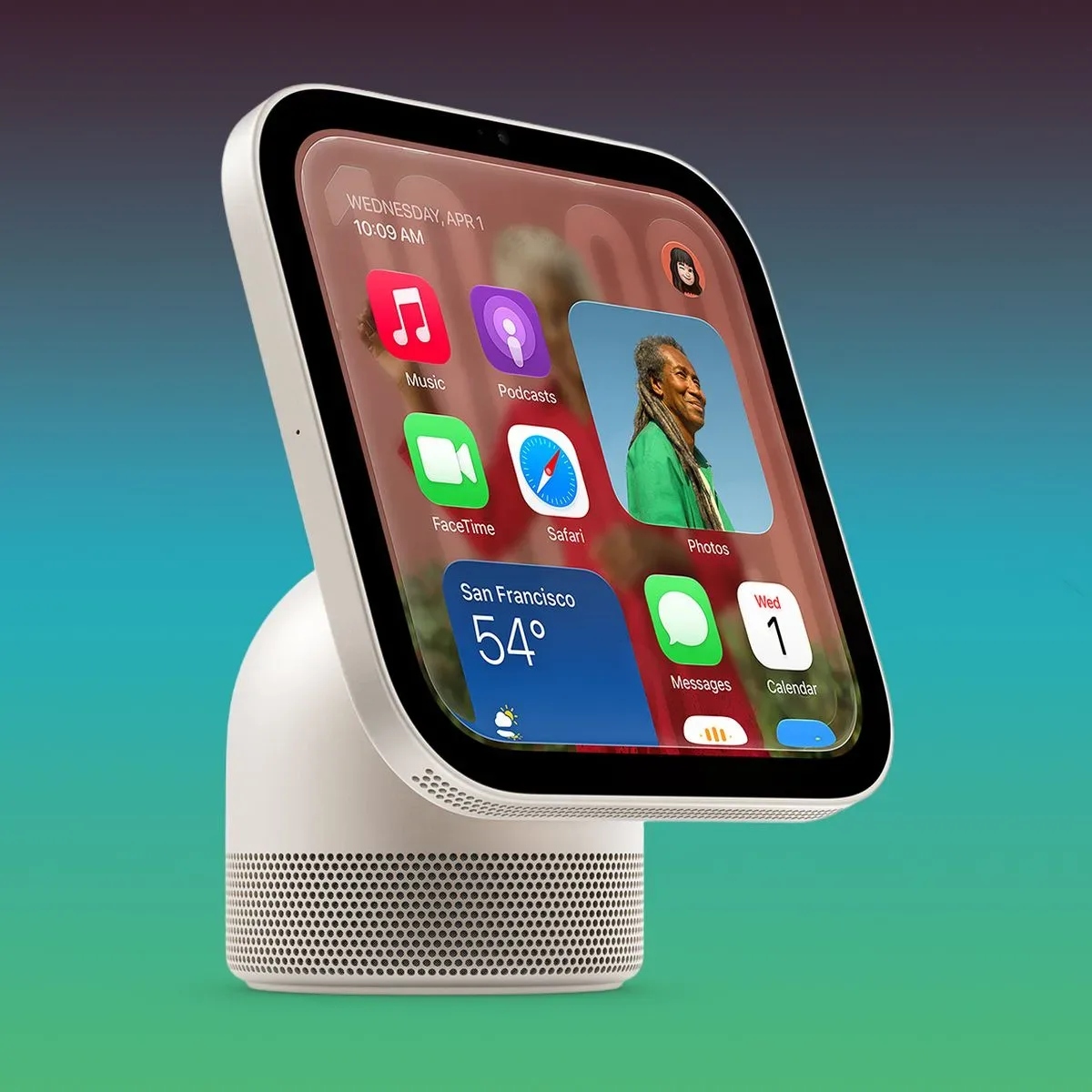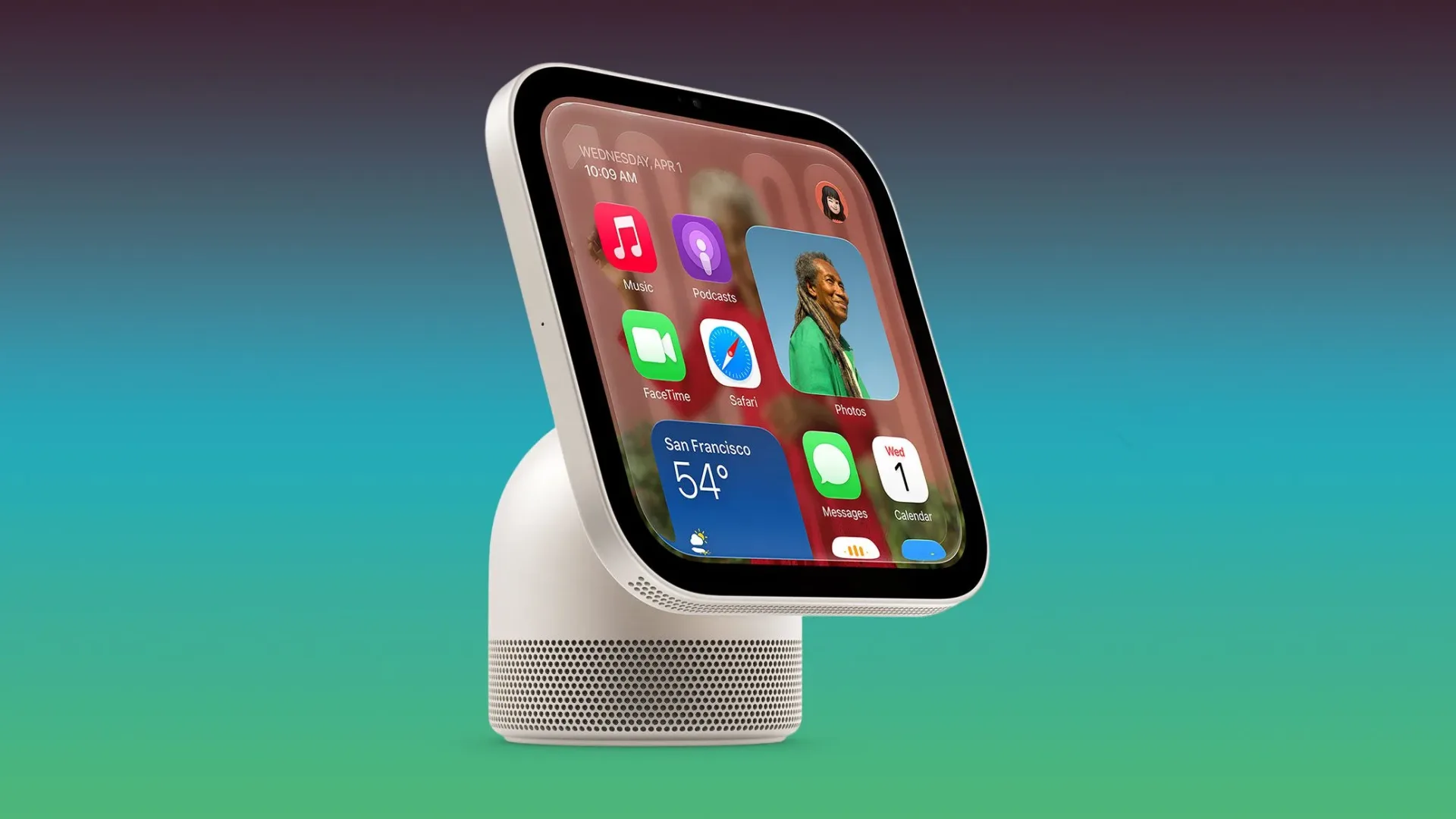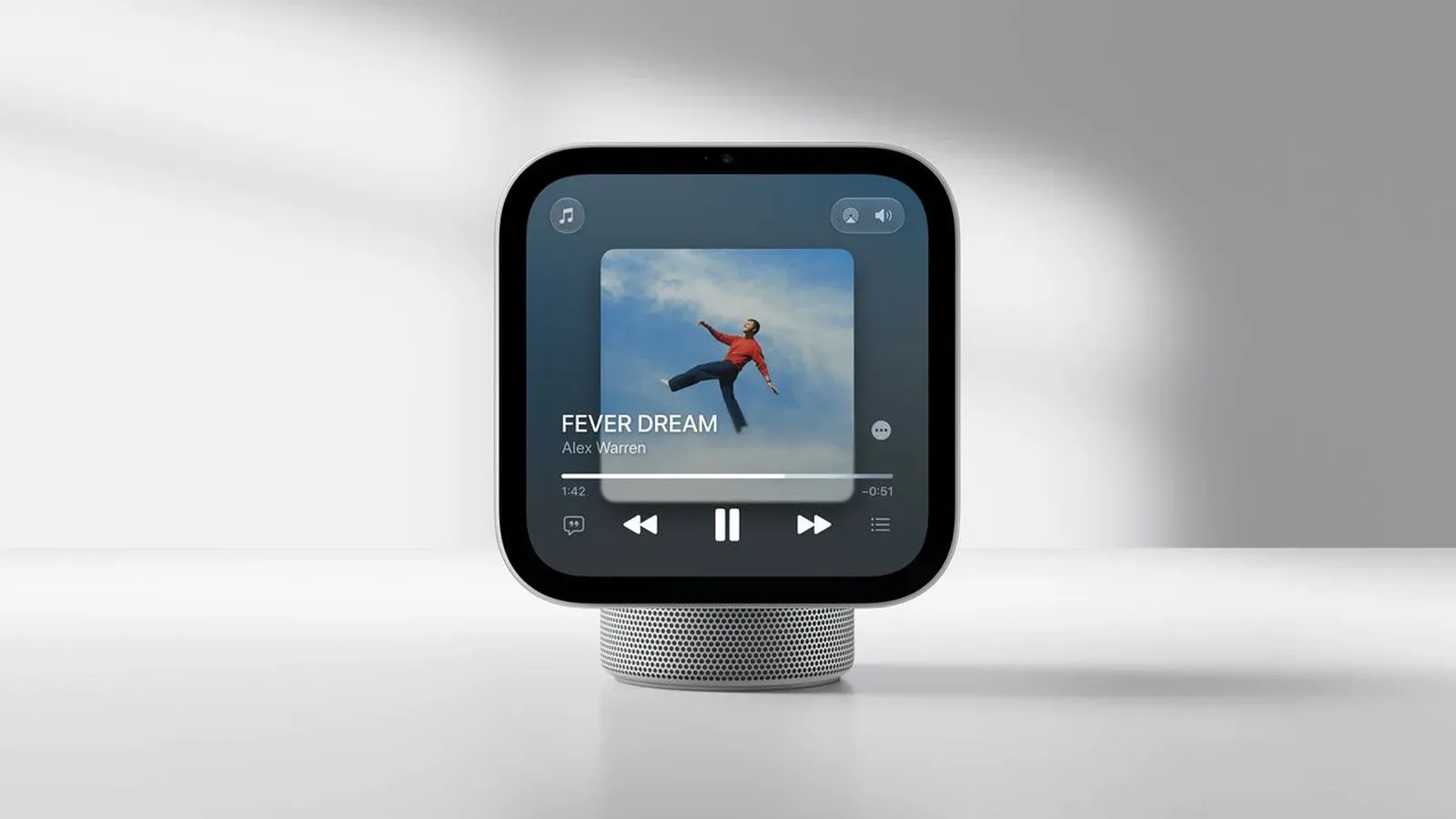
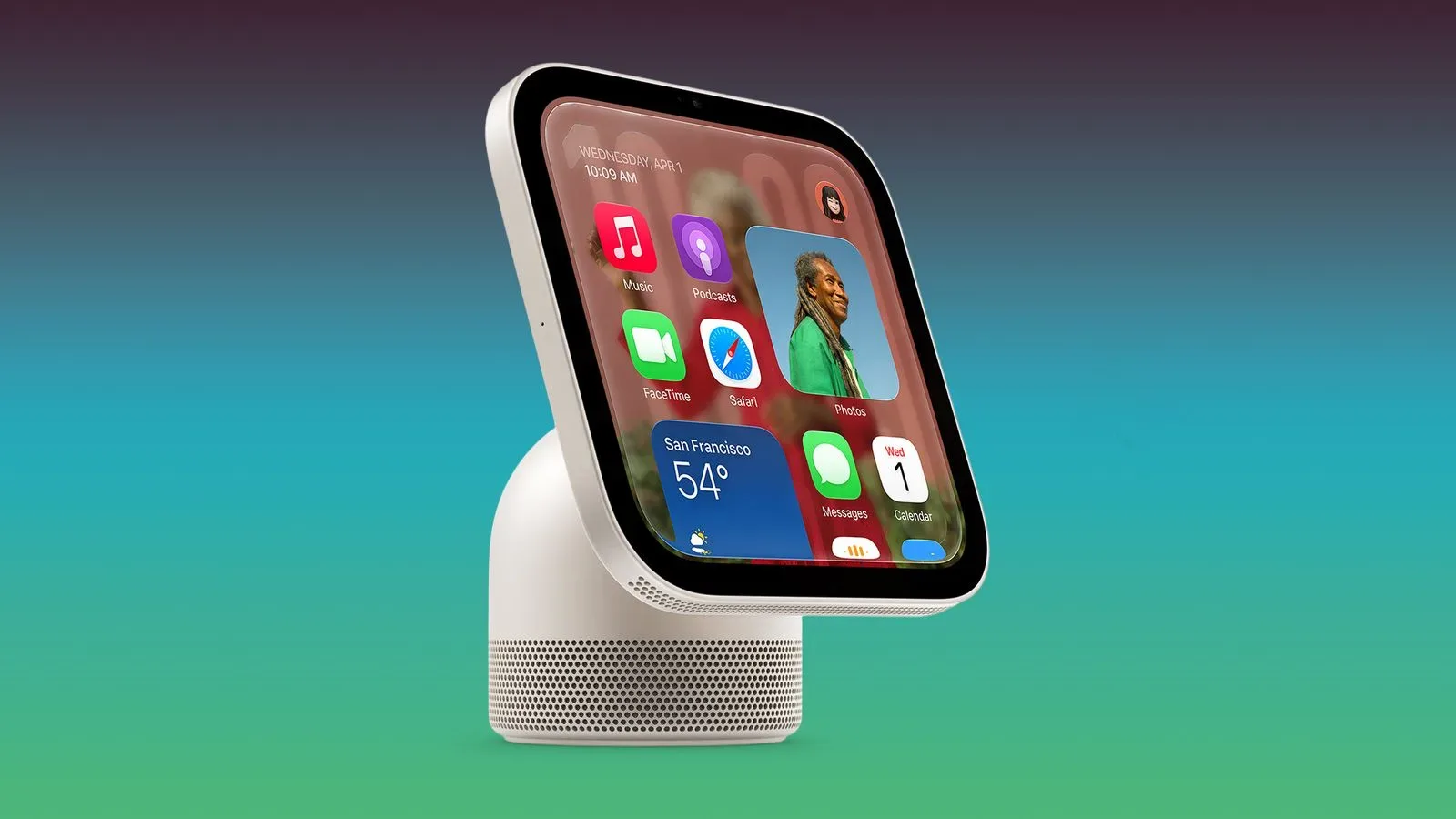
Apple’s HomeView smart-home hub is due to arrive on November 13, but code found in the iOS 27.3 beta indicates that the platform may have ambitions beyond its announced launch feature set. The most notable clue is a new category labelled “Conversational Apps” in the software that HomeView uses to present apps from a connected iPhone or iPad.
That is a meaningful phrase, but it is not an announcement. The code does not identify apps, name partners, give a release window, or establish that third-party AI chatbots will actually ship on HomeView. It does, however, suggest active groundwork around a kind of app experience that differs from straightforward music and video playback. Related preparations reportedly cover two-way audio routing, session management and interruptions, although the implementation is described as incomplete.
Separately, the HomeView software appears to include anti-spoofing protections tied to its face-recognition system. The reported design would require iPhone authentication before personal data can be displayed after three spoof attempts against a profile. Code also points to an escalating lockout cooldown system that is still being developed.
Together, those discoveries sketch the outline of the main challenge for a household display: it is potentially a shared screen, but it may surface deeply personal information. HomeView is designed to put communications, calendars, reminders and other individual content close to where the household gathers. The value of that convenience depends heavily on knowing who is standing in front of the screen.
A “Conversational Apps” label is a clue, not confirmation
HomeView will not have an App Store. Instead, it is set to display CarPlay-style third-party audio and video apps from an attached iPhone or iPad. In that context, a distinct Conversational Apps category suggests that the system’s app-display layer could eventually recognize a different class of connected-phone experience.
Conversational app is broad language. It could describe an AI chatbot, but the current evidence does not say that ChatGPT, Claude, or any other named chatbot is supported. Nor does it confirm that every service fitting that description could appear. It is equally important that the category has reportedly been found in beta software rather than described in Apple’s product materials.
The technical supporting references are useful for interpreting the direction without overstating it:
- Two-way audio routing generally means audio can travel in both directions: a person can speak to a service through HomeView and hear its reply through the device. That is relevant to a voice-led interaction rather than a passive media display.
- Session management is the handling of an ongoing interaction—such as tracking whether a conversation is active, resuming it, ending it, or deciding which connected device owns it.
- Interruptions concern what happens when another activity needs attention. A FaceTime call, Intercom message, smart-home alert or another user action could potentially pause, displace or coexist with a conversation.
Those capabilities would matter for a hub intended for communal rooms, where a spoken request may be interrupted more often than an interaction on a personal phone. But they are implementation building blocks, not a reliable promise of final functionality. Beta code frequently exposes work in progress, and the discovery itself notes that these pieces are not yet fully connected.
Apple has already announced Siri AI for HomeView, including the ability to continue conversations in the Siri app on other Apple devices. That establishes a first-party conversational component at launch. The newly spotted category may indicate an eventual route for connected-device conversational apps alongside it, or it may remain unused. There is not enough evidence to determine which outcome is more likely.
Why the privacy features matter as much as the AI clue
HomeView’s announced personalization makes recognition more consequential than it would be on a basic smart display. The device supports face recognition for up to six people, with each person receiving a personal Home Screen containing their own apps and widgets. When an enrolled user is recognized, their iPhone or iPad is nearby and it has been recently unlocked, HomeView can present personal material from Messages, FaceTime, Calendar, Reminders and Find My.
That arrangement has several gates rather than treating a face match alone as the key to everything. Still, any system that changes its visible information based on a recognized face needs to defend against attempts to fool it.
Anti-spoofing refers to safeguards intended to distinguish a real, present person from an imitation used to bypass identity checks. The discovery does not specify the detection methods HomeView uses, so it would be inappropriate to assume particular sensors or techniques. What it does reveal is the proposed response: following three spoof attempts for a profile, the user would need to authenticate using an iPhone before personal data could be shown.
That response is significant because it separates broad device access from sensitive profile access. A family display could remain useful for household controls, shared media or general information while personal content is held back until an additional trusted-device check is completed. The exact behaviour after a spoof attempt, including what content remains visible, has not been detailed.
The system is reportedly enabled in HomeView software 27.2. Apple has not publicly described it, so the discovery offers a look at an underlying security layer rather than a complete explanation of its user-facing operation.
The proposed lockout ladder
Additional code indicates that Apple is working on a cooldown scheme for lockouts. The design resembles the increasing wait periods used after repeated incorrect passcode entries on an iPhone. Based on the current finding, the first lockout could be cleared immediately; the second would require a one-hour wait; the third would lead to a four-hour wait; and the fourth and any later lockouts would impose an eight-hour wait.
As with the conversational-app references, this should be treated as unfinished work. The cooldown periods remain in development, and any current lockout can reportedly be cleared immediately after iPhone authentication. The timings therefore describe a possible future policy rather than a confirmed launch-day restriction.
An escalating cooldown is designed to make repeated attempts progressively less practical without making an initial error disproportionately punishing. On HomeView, it could matter particularly because the device can recognize several members of a household and may sit in a shared, accessible location. The report does not establish precisely which events trigger these lockouts, whether they are tied to individual profiles in every case, or when the proposed wait periods might become active.
What is actually coming at launch
HomeView launches November 13 at $299 in desktop and wall-mounted versions. Both versions feature a 7-inch Liquid Retina display; the tabletop model includes a speaker base. Apple’s announced experience combines household controls, communication, media, camera viewing and individual surfaces for up to six recognized users.
Core announced functions include:
- Personal Home Screens with apps and widgets for recognized enrolled users.
- Siri AI that can continue an interaction in the Siri app on other Apple devices.
- Faces such as Photos, Flow, Snoopy, Home Modular and Home Camera.
- Apple Music, Podcasts, News and Apple TV, plus compatible third-party audio and video apps delivered from a connected iPhone or iPad.
- Handoff from iPhone and multiroom audio with HomePod, HomePod mini and AirPlay speakers.
- FaceTime with Center Stage, Messages entered by voice or keyboard, and Intercom.
- Web-based step-by-step recipes with hands-free timers.
- Smart-home controls and a Home Camera face that can show as many as nine live camera feeds.
- Smoke and carbon monoxide alarm sound detection, along with support for Apple Home Collection products, other Works with Apple Home accessories and Matter.
Supported iCloud+ subscriptions add camera-based recognition of people, pets, packages and vehicles when used with compatible cameras. That feature, like profile recognition on the device itself, illustrates why authentication and identity confidence are central rather than peripheral considerations for HomeView.
For readers tracking Apple’s wider AI rollout, the situation also has a regional limitation: HomeView is not being sold in the European Union because Siri AI is not currently available in iOS there. Apple says it is working with the EU on a path to make it available. That limitation applies to the announced product availability and should not be confused with the unannounced Conversational Apps references in beta code.
What prospective owners should take from the findings
The practical takeaway is to split the story into confirmed features and potential direction. HomeView’s launch hardware, $299 price, November 13 date, shared-screen functions and phone-connected audio/video app model have been announced. Siri AI is also part of the stated feature set. A separate Conversational Apps category, however, is evidence of development work—not evidence that a particular chatbot will be available, or that it will be available at launch.
The anti-spoofing discovery is more directly connected to the product’s stated design. HomeView plans to reveal personal content only when a recognized person meets additional nearby-and-recently-unlocked iPhone or iPad conditions. A fallback iPhone authentication requirement after suspected spoofing would fit that layered approach. The exact security behaviour, and the eventual cooldown timetable, remain uncertain until Apple explains them or they appear in finished software.
In short, the beta code points to a hub that may become more conversational while tightening the checks around whose information it reveals. The first possibility is intriguing, but unconfirmed. The second is a reminder that a home display handling messages, calendars, cameras and recognition cannot treat face matching as a novelty feature. On this kind of device, it is part of the privacy boundary.
Apple’s broader Siri AI availability remains a live issue, as reflected in its recent changes to Siri AI access and demand queues. For HomeView, the next meaningful step will be official detail on whether the beta’s conversational framework becomes a user-facing option—and which safeguards will be in force when it does.