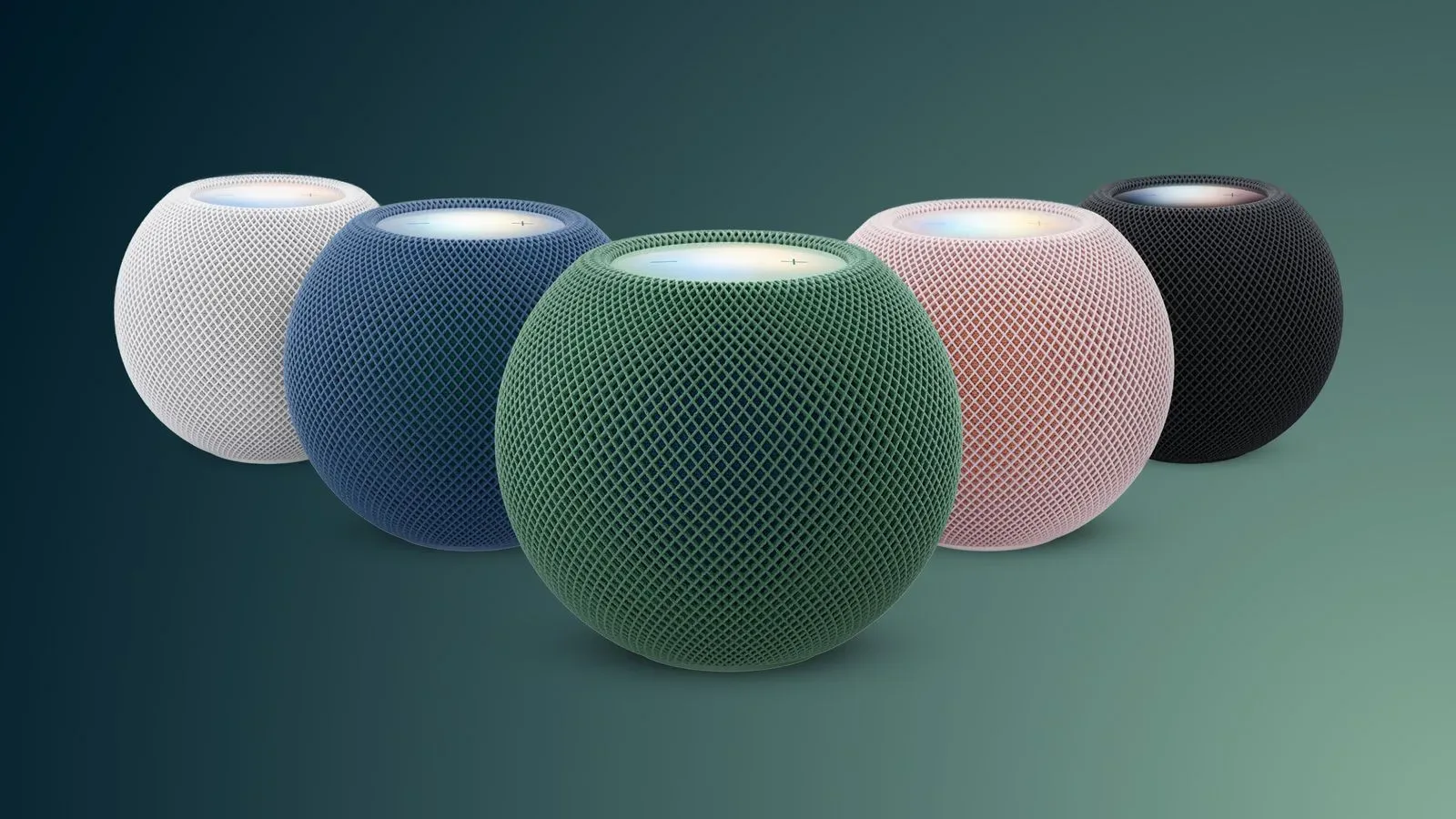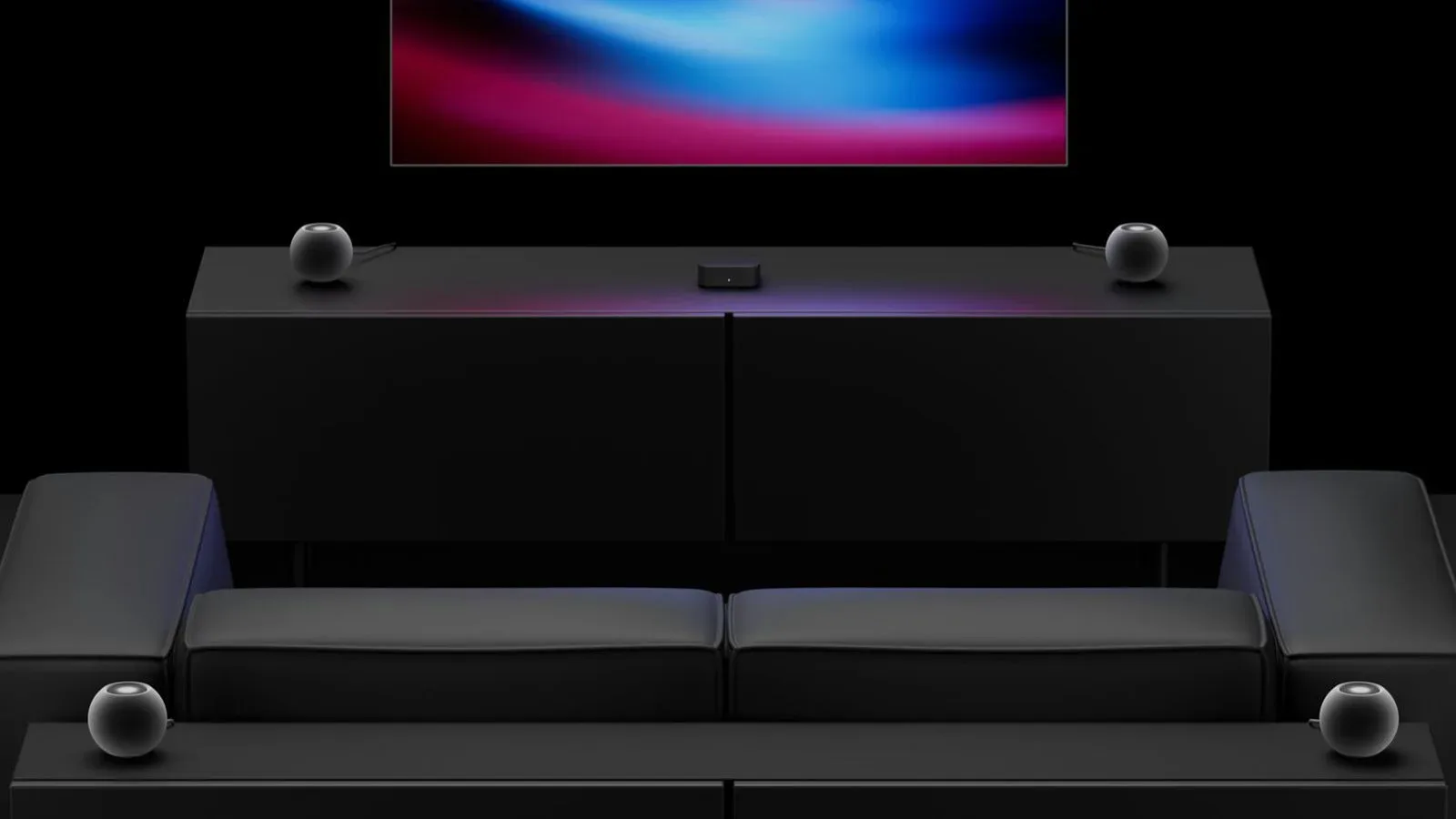
Apple’s HomePod mini 2 may be a more consequential speaker update than its basic component list initially suggests. Early side-by-side impressions report a substantial improvement in audio quality over the first-generation HomePod mini, with clearer output at higher volume, greater apparent range and more convincing bass among the recurring observations.
That matters because the two generations look broadly similar on paper in the areas people might expect to define a small smart speaker. Both product specification pages list a full-range driver and dual passive radiators, the hardware intended to support low-end response and high-frequency detail. The newer model, however, replaces the earlier S5 chip with an S10 chip and is described as using advanced computational audio.
In other words, the HomePod mini 2’s reported leap is not necessarily evidence of an all-new speaker assembly. It appears more likely that processing is playing a larger role in how the same basic acoustic ingredients are controlled. That distinction is useful for anyone trying to decide whether the second-generation model is a modest refresh or a meaningful upgrade for music and smart-home use.
What the early comparisons found
One comparison used the same music, matched volume and repeated switching between the new and old speakers while streaming Apple Lossless through Apple Music. Its verdict was that the HomePod mini 2 delivered noticeably greater range, louder and clearer sound, and a stronger ability to fill a room without the quality falling away.
A separate direct comparison reached the same overall conclusion, calling out the new model’s stronger bass in particular. Those are subjective listening impressions rather than laboratory measurements, so they cannot establish a universal margin of improvement. Room layout, placement, listening level and musical material all affect how a compact speaker performs. Still, the agreement across two reported side-by-side tests is more informative than a vague claim that the new speaker merely sounds “rich.”
The practical takeaway is straightforward: prospective buyers should not assume that similar driver and radiator language means identical performance. The HomePod mini 2 seems positioned as the more capable choice for people who found the original short on room presence or low-end weight.
Why a newer chip could change the sound
Computational audio is a broad term for using software and on-device processing to shape playback. Rather than simply sending an audio signal to a speaker, a device can use algorithms to manage aspects of the output in real time. The supplied details do not specify exactly which adjustments the HomePod mini 2 performs, so it would be premature to assign particular techniques to it. But the S10 versus S5 change gives the newer model considerably newer processing hardware to work with.
That helps explain how two products with similarly described core speaker hardware could be perceived differently. Physical components remain fundamental: the driver produces sound, while passive radiators help extend bass response without their own powered voice coils. But the electronics controlling the signal can influence the balance between loudness, clarity and bass, especially in a small enclosure where there are unavoidable physical limits.
It is important not to overstate the case. The available information does not say that the HomePod mini 2 uses different drivers or radiators, and it does not provide frequency-response measurements, maximum-volume figures or distortion data. “Better” remains an assessment supported here by early listening comparisons, not a fully quantified technical claim. Yet the repeated reports of clearer, louder output and fuller bass give shoppers a reason to take Apple’s computational-audio language seriously.
Faster Siri may be as important as the sound upgrade
The S10 chip’s possible benefit is not limited to music playback. Early reporting also indicates that the HomePod mini 2 responds much faster than the original HomePod mini to basic requests, including starting music and operating smart-home devices.
For a smart speaker, that responsiveness can affect daily satisfaction just as much as tonal quality. A delay between saying a command and seeing a light, plug or other connected device react can make a voice-control setup feel unreliable even when it eventually works. A faster response creates a more direct interaction: ask for a song, or issue a basic home command, and the speaker acts within seconds rather than leaving the user waiting beside it.
The reported speed improvement currently concerns what Apple calls Siri Classic. Apple has said its more intelligent and personalized Siri AI is not yet available on the HomePod mini 2 and will arrive through a future software update. Buyers should therefore separate the two points. There is evidence of a speedier experience for existing basic Siri tasks, but there is not yet evidence here of the future personalized AI features operating on the speaker.
That caveat is particularly relevant for upgrade decisions. Someone whose frustration is command latency may have a tangible reason to consider the newer HomePod mini now. Someone waiting specifically for the more advanced Siri experience should recognize that it remains dependent on a later update rather than a feature available at release.
What the hardware comparison does—and does not—tell us
- Listed acoustic hardware: Both generations are described with a full-range driver and dual passive radiators.
- Processor: The HomePod mini 2 uses an S10 chip, replacing the original model’s S5.
- Reported result: Early direct comparisons describe louder, clearer sound, greater range and improved bass from the new speaker.
- Voice control: Basic Siri music and smart-home requests are reportedly much faster on the newer model.
- Still pending: Apple’s more intelligent and personalized Siri AI is planned for a future software update.
This is a familiar lesson in modern consumer hardware: a specification sheet can identify the physical building blocks, but it does not always reveal the whole experience. Processing, software behavior and response time can materially change how a device feels in use. In this case, the early reports suggest the HomePod mini 2 may deliver an upgrade in both of the speaker’s main jobs: playing audio and responding to spoken requests.
Who has the strongest case to upgrade?
The most compelling case is for original HomePod mini owners who use one speaker as their main room-audio device and regularly want more volume or bass. The reports specifically point to a sound that carries more effectively without losing clarity, which addresses a limitation that can be especially apparent in a compact speaker.
There is also a practical case for households that lean heavily on voice-operated smart-home routines. If the older speaker’s pauses have made commands feel sluggish, the reported improvement to everyday Siri responses could be more meaningful than headline audio terminology. Faster control is not glamorous, but it is one of the clearest quality-of-life benefits a smart speaker can offer.
Conversely, owners content with the original model’s sound and response times have less reason to treat the listed driver and radiator specifications as proof of a wholesale redesign. The case for the HomePod mini 2 rests on the combination of early listening impressions and the newer processor, not on confirmation of substantially different core speaker hardware.
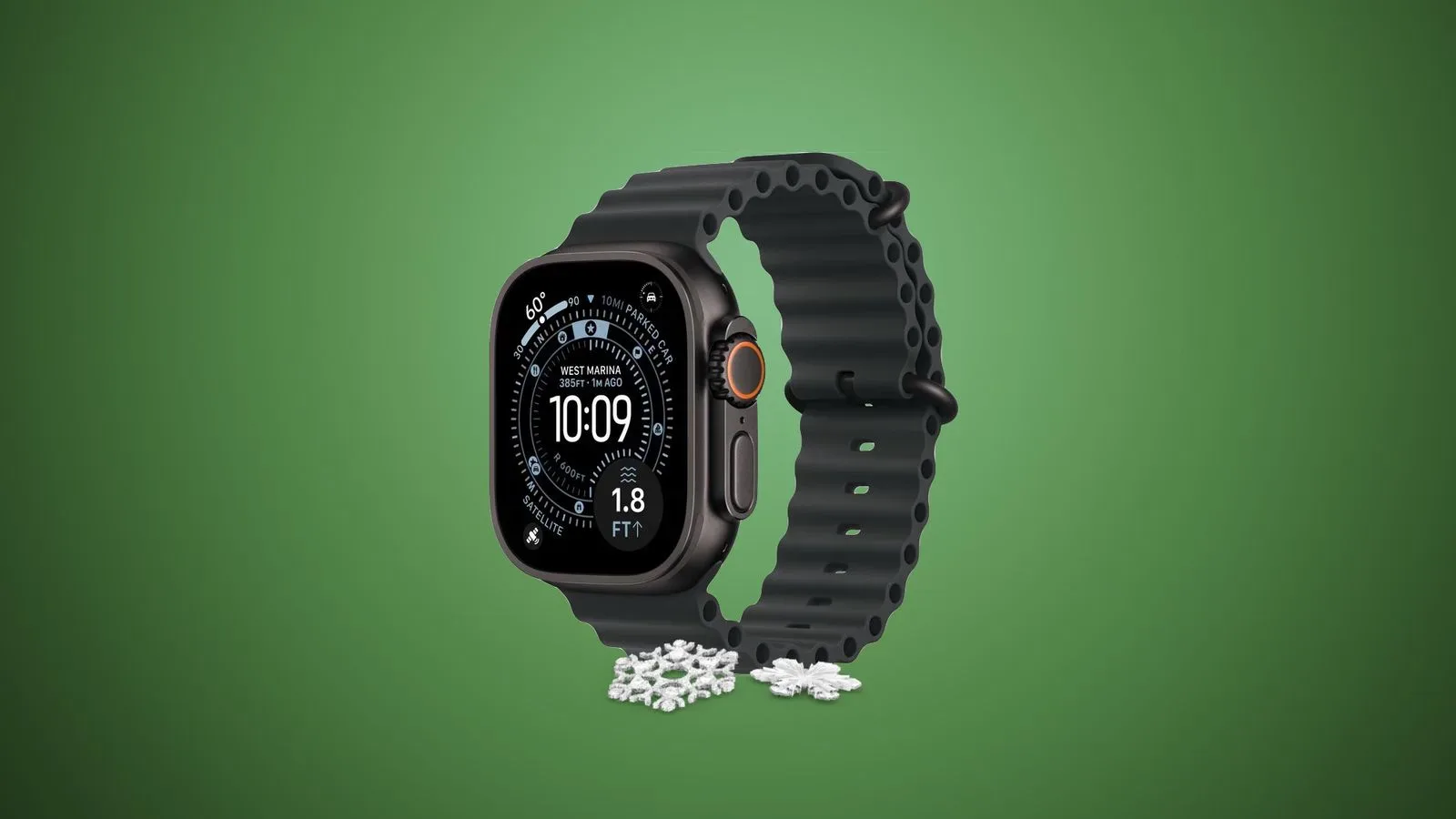
The new HomePod mini was released last week in the United States at $149. For shoppers already comparing Apple hardware, there is also a separate Apple Watch Ultra 3 discount worth noting, though it is unrelated to the HomePod’s audio and Siri changes.
The bottom line from the available evidence
Early reviews indicate that the HomePod mini 2 does have improved sound compared with the original: clearer and louder playback, a broader sense of range, and stronger bass are the key claims. Because those observations come from comparative listening rather than published measurement data, they should be read as encouraging real-world impressions rather than an exact performance specification.
Even so, the explanation is plausible within the confirmed hardware changes. The newer S10 chip gives Apple a more modern foundation for its computational-audio approach and appears to improve the speed of basic Siri interactions as well. The result may be a rare small-speaker refresh where the upgrade is not obvious from the driver list, but becomes apparent in the two moments that count: when the music starts, and when the speaker is asked to do something.