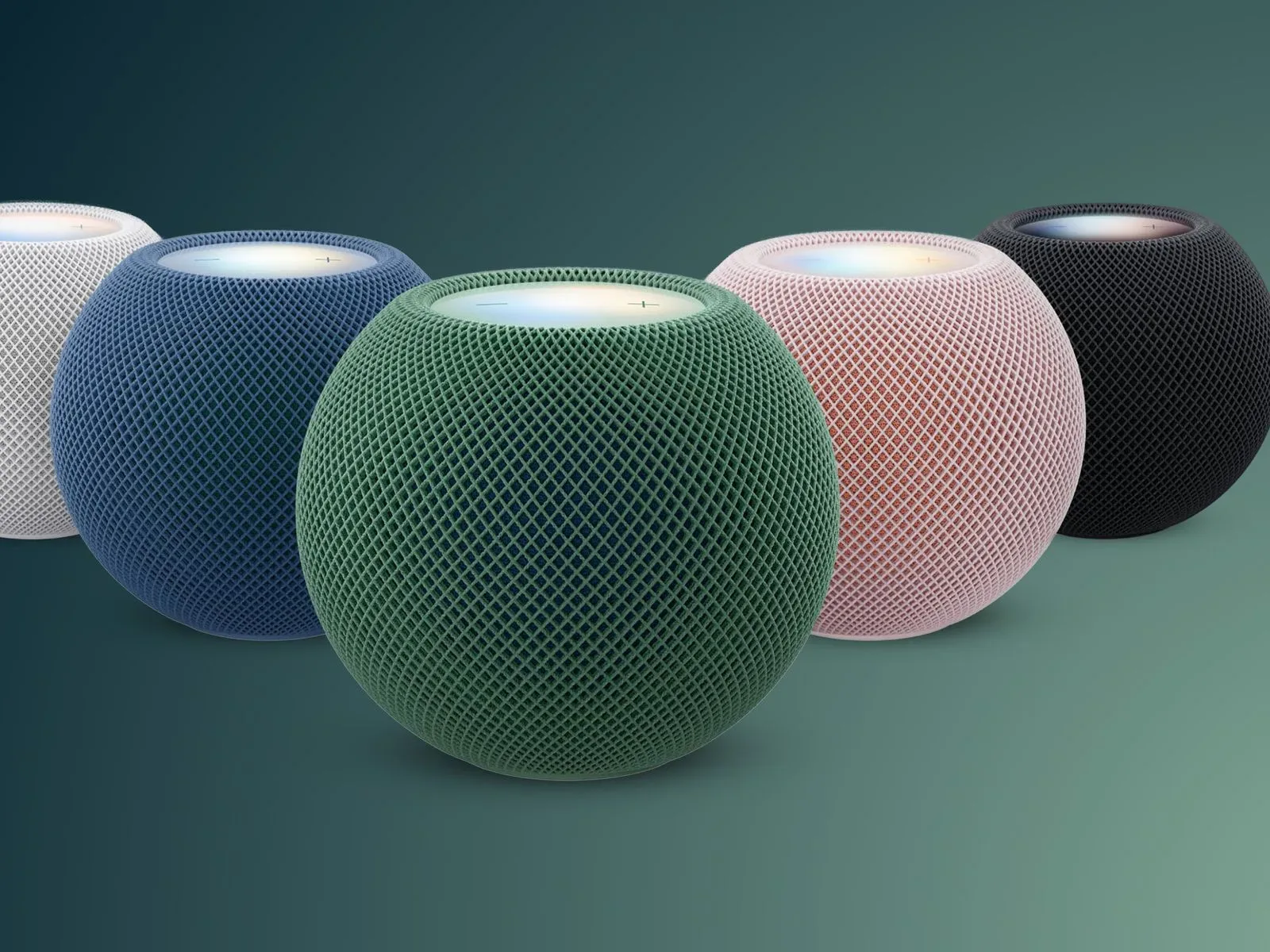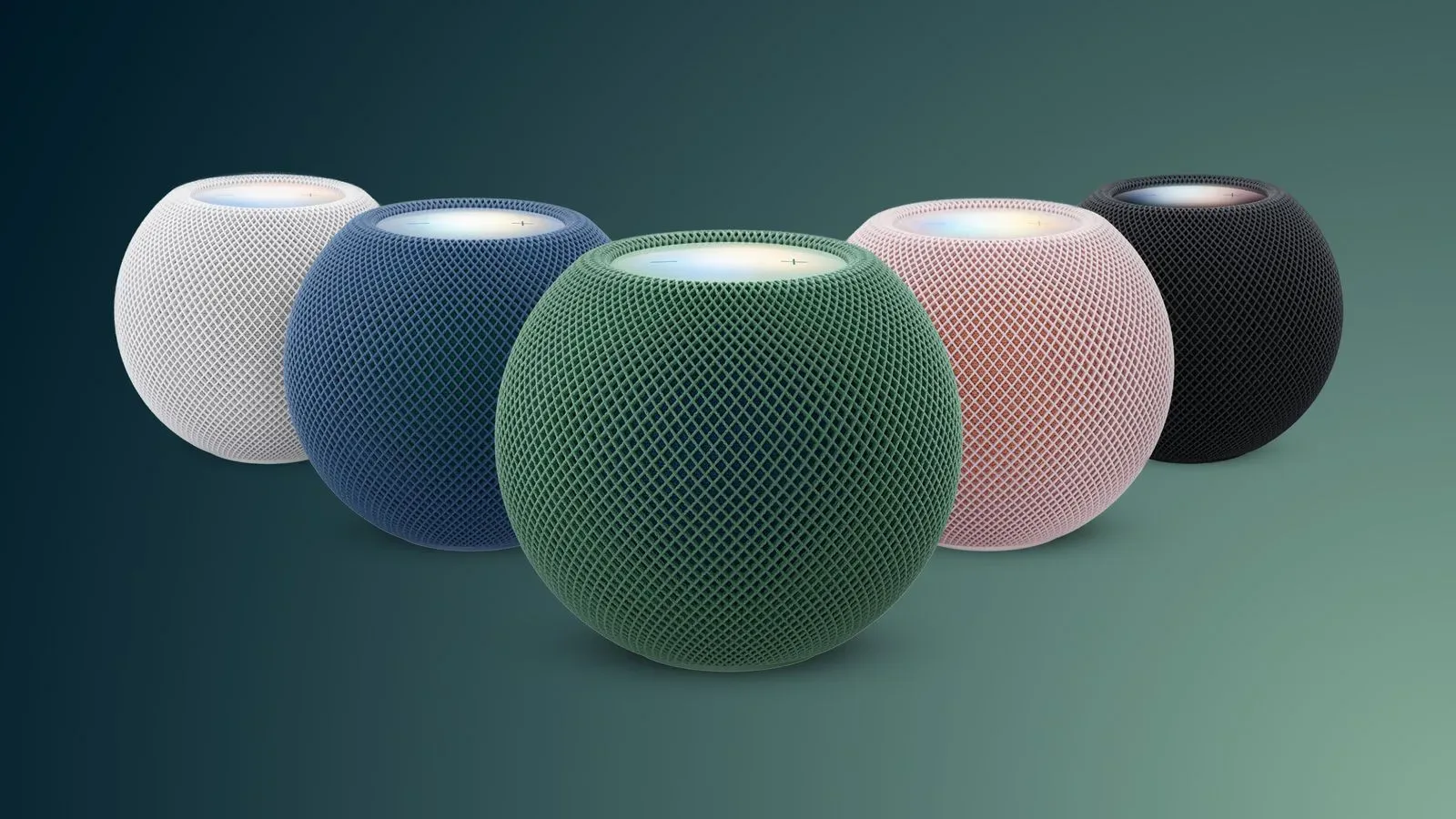
Apple’s HomePod mini 2 is set to arrive for pre-order customers and go on sale in stores on Friday, October 30, following more than two weeks of pre-orders. The compact smart speaker enters at $149 in the United States, bringing a newer processor, Wi-Fi 6E support, expanded Apple TV 4K speaker configurations and two new colors. Its most consequential promised change, however, will not be there on day one: Siri AI is planned for a future software update with no release date attached.
That split between hardware available now and intelligence promised later is the key detail for anyone weighing an immediate purchase. The new HomePod mini has upgrades that can matter right away for an Apple-centered audio setup, but shoppers looking specifically for Apple Intelligence-powered voice assistance will need to wait—and should treat the timing as unknown rather than imminent.
Siri AI is the headline upgrade, but not a launch feature
Apple describes Siri AI as a more intelligent and personalized Siri experience powered by Apple Intelligence. It debuted on iPhone 15 Pro models and newer iPhones in September, but the HomePod mini 2 will launch without it. Apple has confirmed that it is coming in a later software release, while offering no date or deployment window.
That distinction is important because “AI” can sound like a feature that is integral to the hardware currently shipping. In this case, the HomePod mini 2 may be ready for the capability, but customers cannot use it at launch. A future update is not the same as a confirmed launch-day function, particularly when its schedule has not been specified.
For existing Apple households, Siri AI may ultimately be the change with the biggest effect on how a HomePod is used. Voice assistants are the interface for music requests, questions and smart-home-style commands, so improvements in personalization or understanding could be more noticeable than a specification-sheet change. Yet the practical buying advice remains simple: buy the new model for the functions confirmed for October 30, not for an update whose arrival remains undated.
S10 chip and “computational audio”: what Apple has, and has not, said
The HomePod mini 2 uses the S10 chip found in Apple Watch Series 10 hardware. That replaces the S5 chip used in the original HomePod mini, a substantial generational jump in the processor named by Apple. The company says the S10 enables advanced computational audio.
Computational audio is a broad term for audio processing handled through software and silicon rather than by changing a speaker’s physical drivers alone. It can cover how a device analyzes or adjusts sound. But Apple has not explicitly said that the HomePod mini 2 sounds better than the original HomePod mini. That leaves an important limit on any early comparison: the newer chip is confirmed, and Apple’s computational-audio claim is confirmed, while a definitive sound-quality improvement is not.
Prospective buyers should therefore avoid turning the processor change into an unsupported promise of stronger bass, greater volume, clearer dialogue or any other specific listening result. Those may be areas people hope to see improved, but they have not been confirmed here. The S10 also has obvious relevance to Apple’s future Siri AI plans, though the company’s current message is still that the voice feature will arrive via software later.
Wi‑Fi 6E brings a more modern connection option
The second-generation mini moves from Wi-Fi 4 to Wi-Fi 6E. Wi-Fi 6E is a newer Wi-Fi standard that adds access to the 6 GHz band when used with compatible networking equipment; in general, its value is a more up-to-date wireless foundation rather than a guarantee of better results in every home.
For a smart speaker, the practical significance is potentially smoother connectivity in an appropriate setup, but it is not a feature owners can fully gain from the speaker alone. A compatible Wi-Fi network is necessary. It is also worth separating this change from audio quality: Wi-Fi 6E is a networking upgrade. It does not itself establish that the HomePod mini 2 produces improved sound.
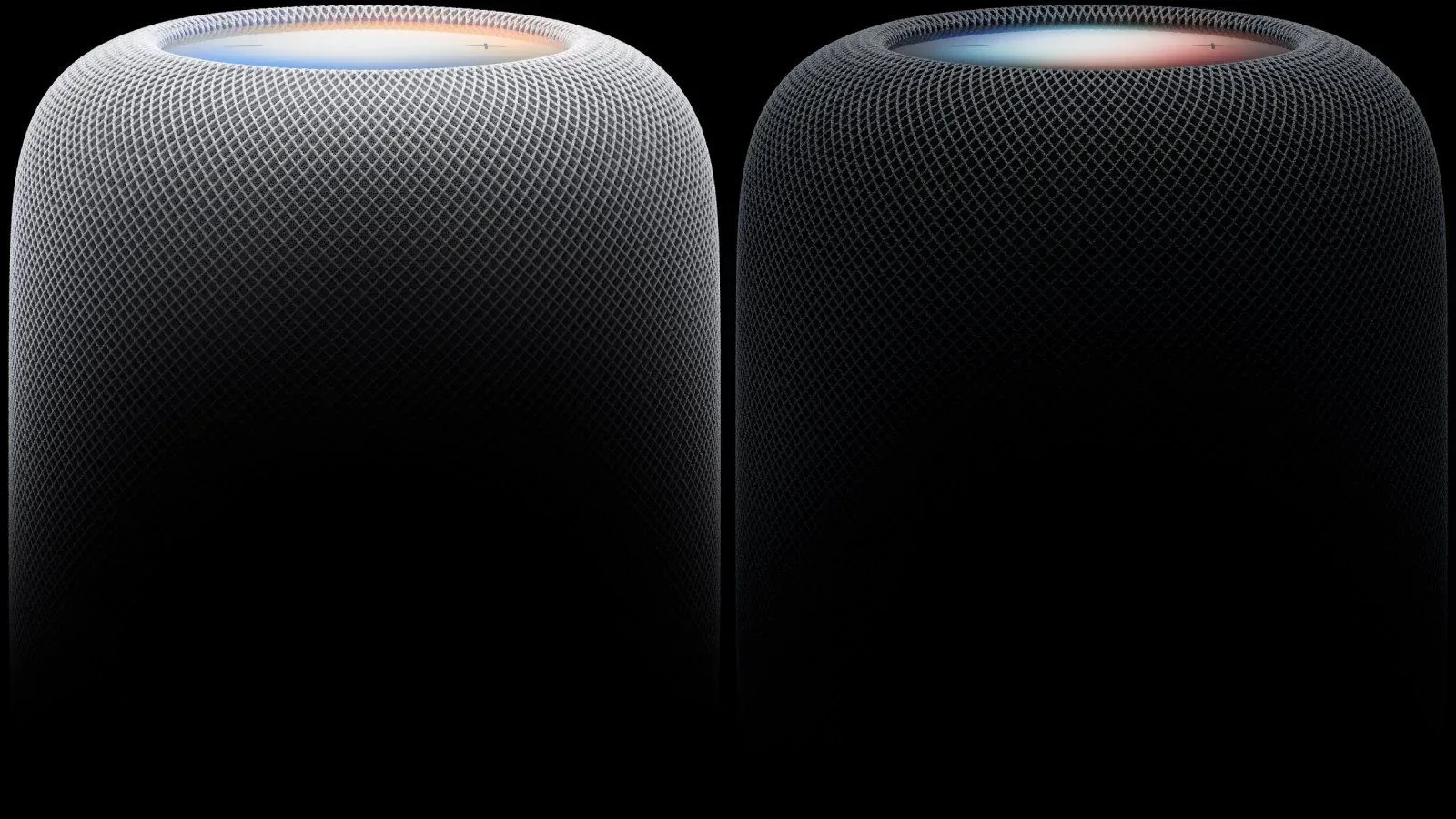
The compatibility story extends beyond the speaker. Macs with Wi-Fi 6E and later can use the HomePod mini 2 as their default audio output. The full-size HomePod 2 now supports that capability too, provided it has the latest HomePod software version 27.2 installed through Apple’s Home app. That gives a newer Mac owner an all-Apple wireless audio route without treating the mini as only an iPhone or Apple TV accessory.
Apple TV 4K gains a four-speaker surround option
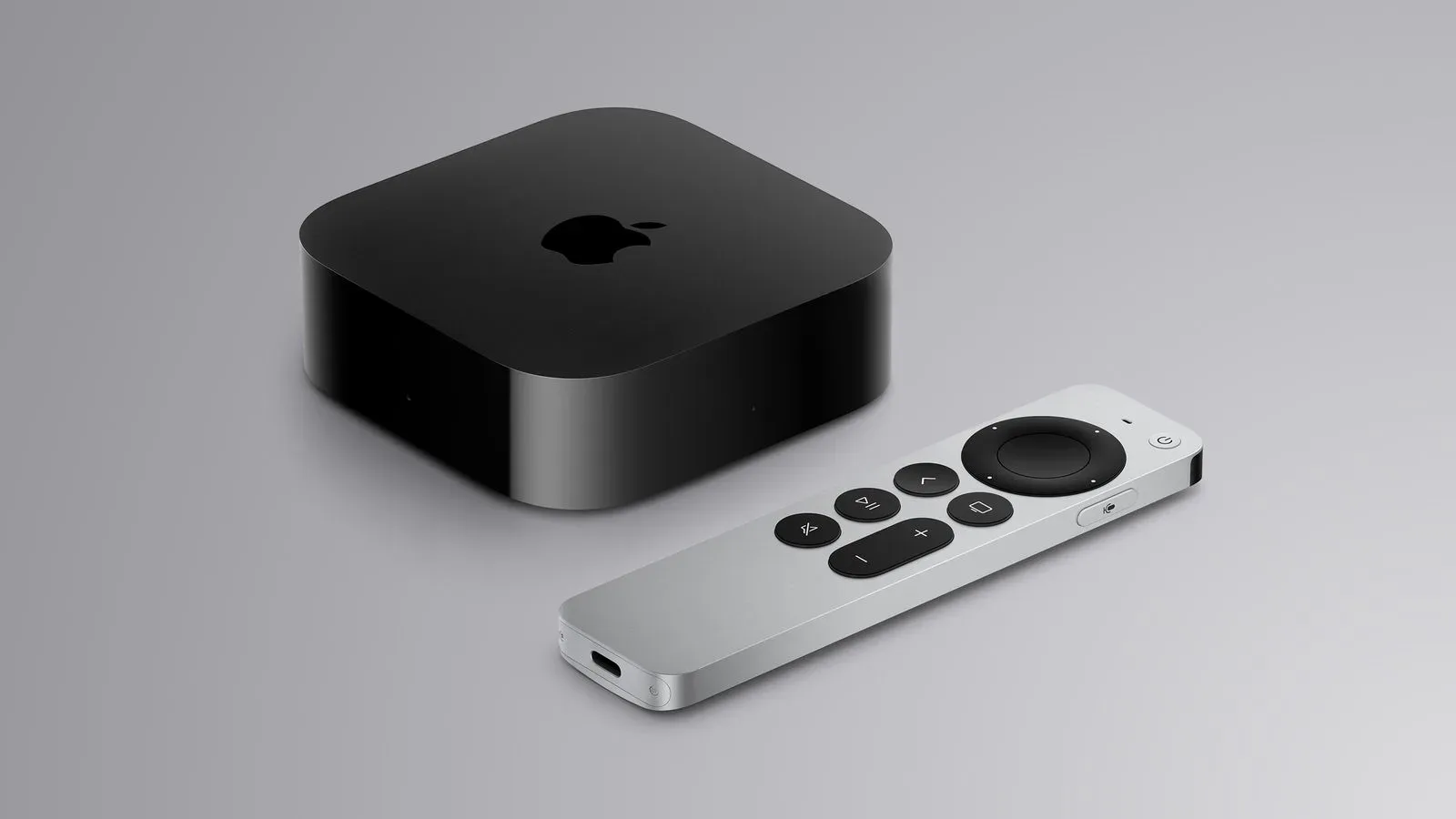
The new fourth-generation Apple TV 4K can connect to four HomePod mini 2 speakers or full-size HomePod 2 speakers in front and rear pairs for surround sound. This is a notable expansion for people building an Apple-only living-room system. Rather than stopping at a stereo pair at the front of the room, compatible users can configure front and rear speaker pairs around the viewing area.
Apple says the two front HomePods can virtualize the center channel to some extent. A center channel is the dedicated speaker placement commonly used in home-theater systems, often associated with anchoring dialogue to the screen. “Virtualize” means the front pair is attempting to create the effect of that center position rather than relying on a separate physical center speaker.
That does not make the arrangement equivalent to a conventional 5.1 system. A 5.1 setup normally includes left, center and right front speakers, surround channels and a subwoofer. The HomePod arrangement provides a basic surround path inside Apple’s ecosystem, while dedicated home-theater fans may still prefer the discrete center speaker and subwoofer that a proper 5.1 configuration provides. It is best understood as convenience and ecosystem integration, not a replacement claim for every traditional surround installation.
The new configuration also adds a practical purchase consideration: four speakers is a materially different commitment than a single HomePod mini 2. The $149 U.S. price is for each speaker. Anyone interested in the surround feature should first make sure they have the fourth-generation Apple TV 4K, then decide whether the value lies in starting with one speaker, building a front pair or eventually pursuing the four-speaker layout.
Three microphones, five colors, and a visual feature shared with older models
The HomePod mini 2 has three Siri microphones, compared with four in the prior model. This is a rare case where the raw count decreases rather than increases. A microphone total alone does not establish better or worse voice pickup, so it should not be used to infer a real-world performance result without further evidence. It is simply a design-specification change buyers should know about, especially if they expected every second-generation figure to go upward.
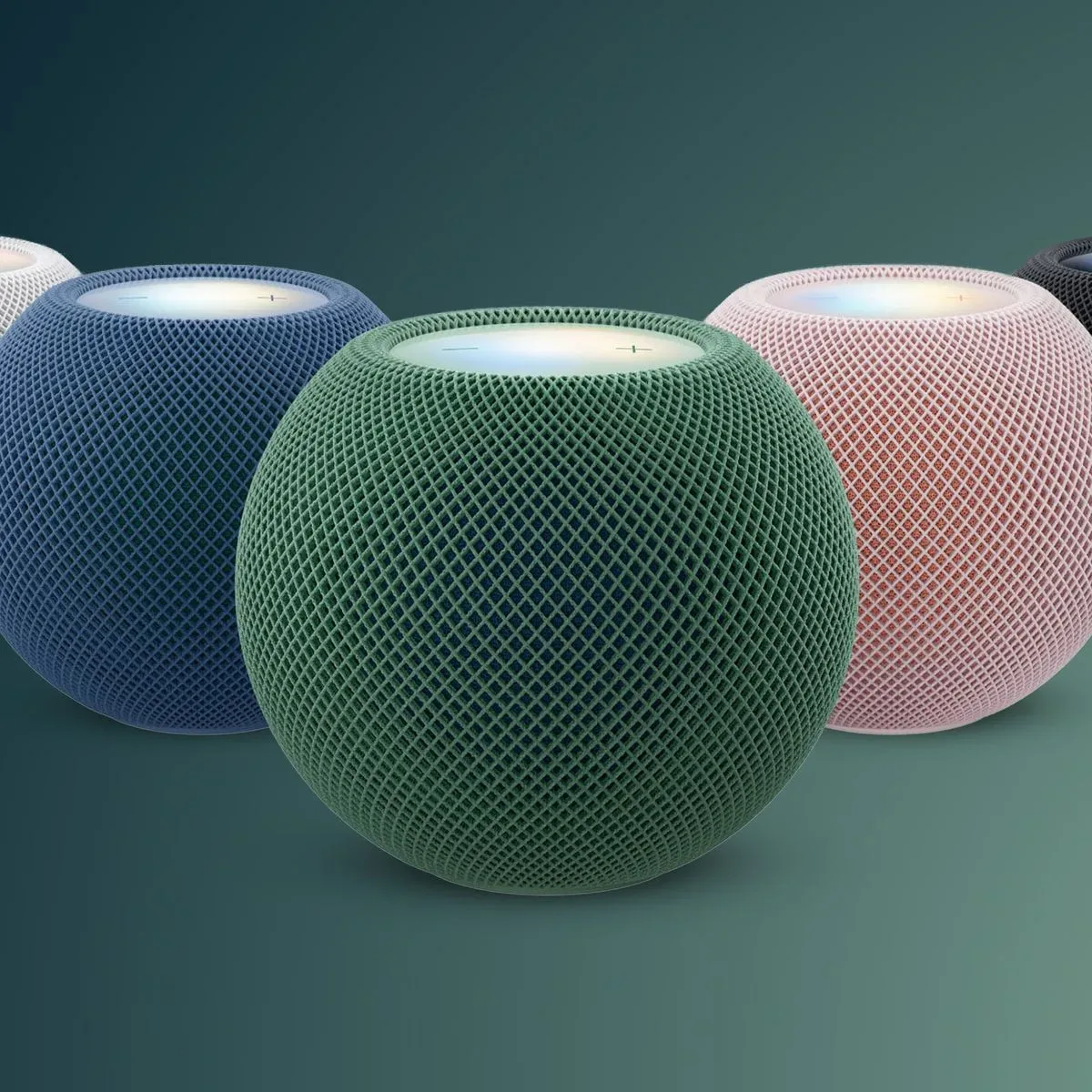
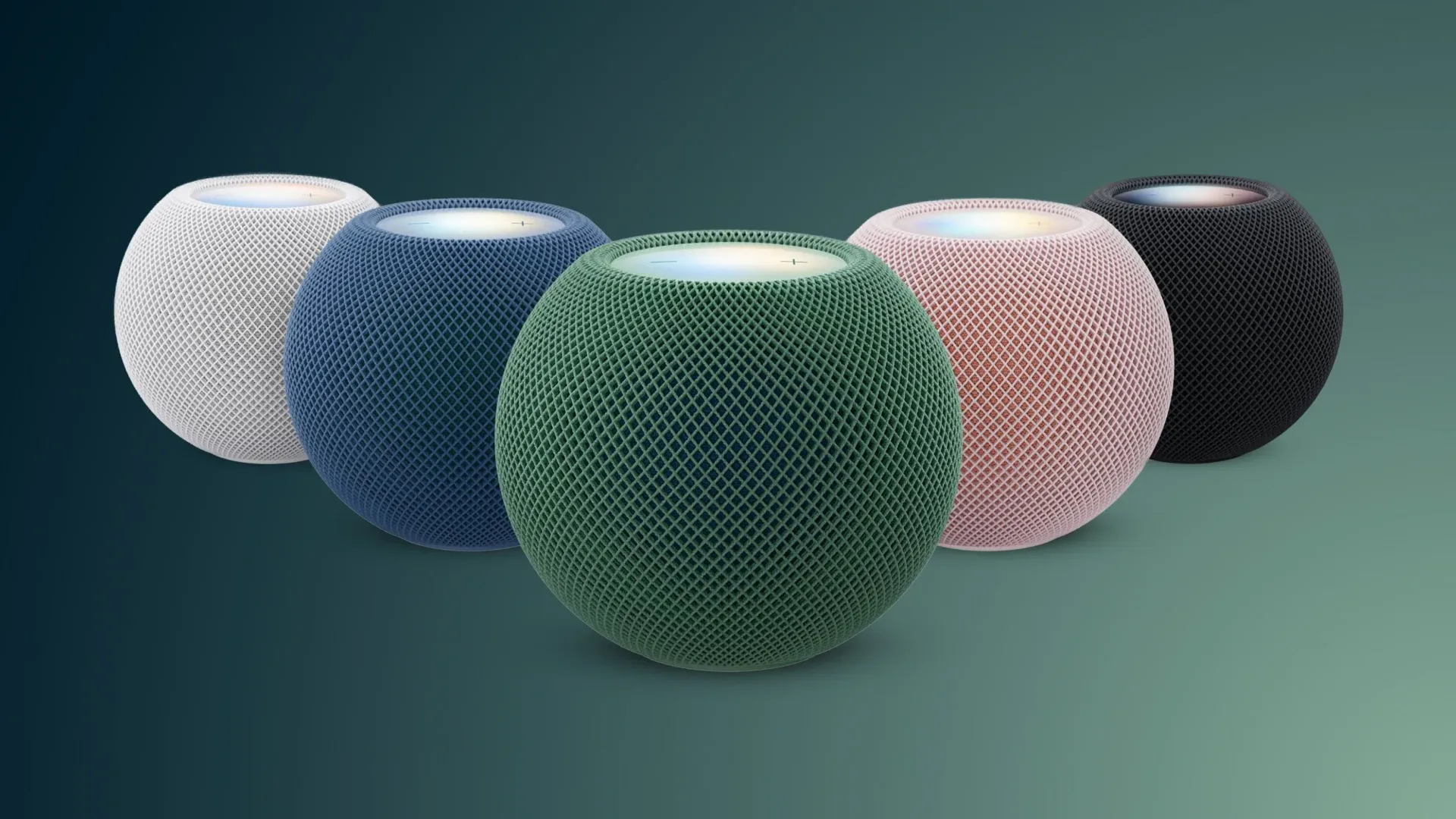
Color is more straightforward. The new mini comes in green and pink, alongside blue, midnight and white. The expanded palette gives the smaller HomePod more decorative flexibility for desks, bedside tables and shelves, where a compact speaker is often more visible than larger audio equipment.
It also adds Sound Glow, a lighting effect in which the top surface glows and pulses alongside the music. But this is not an exclusive reason to replace an existing speaker. A software update has brought Sound Glow to the first HomePod mini and the full-size HomePod 2 as well. Current owners who mainly want the synchronized light effect can receive it without buying new hardware.
Price and upgrade context
At $149, the HomePod mini 2 costs more than the original model did at its $99 introduction. The previous mini later rose to $129 in June, putting the second-generation model $20 above that most recent price. The added cost comes with the S10 chip, Wi-Fi 6E, new color options and the broader ecosystem capabilities described above, though Siri AI’s absence at launch complicates the value calculation for people prioritizing Apple Intelligence.
For Apple users already considering devices and services around the ecosystem, the HomePod mini 2’s appeal is less about one isolated specification than how its parts fit together: a newer network standard, default Mac audio support on compatible hardware, and an Apple TV 4K route to front-and-rear speaker pairs. Readers comparing Apple hardware may also find our coverage of the A16 iPad listing and Apple Arcade trial eligibility useful.
The clearer upgrade case is for buyers who can use those confirmed connectivity and home-theater changes now, or who prefer the new colors. Existing original HomePod mini owners should note that Sound Glow is already available to them by update, while the new model’s sound-quality improvement has not been explicitly confirmed. And for anyone whose entire decision rests on the smarter Siri, waiting for Apple to detail the software update may be the most informed move.