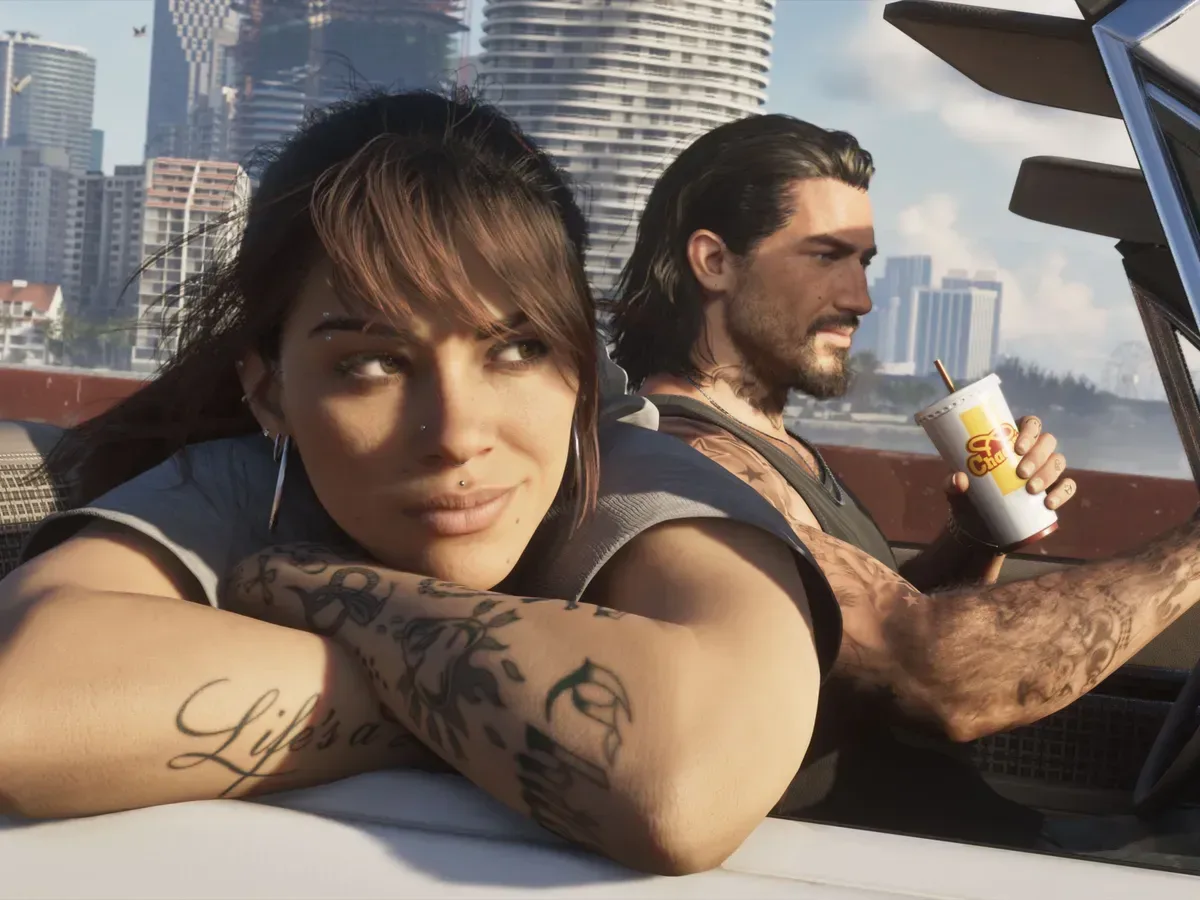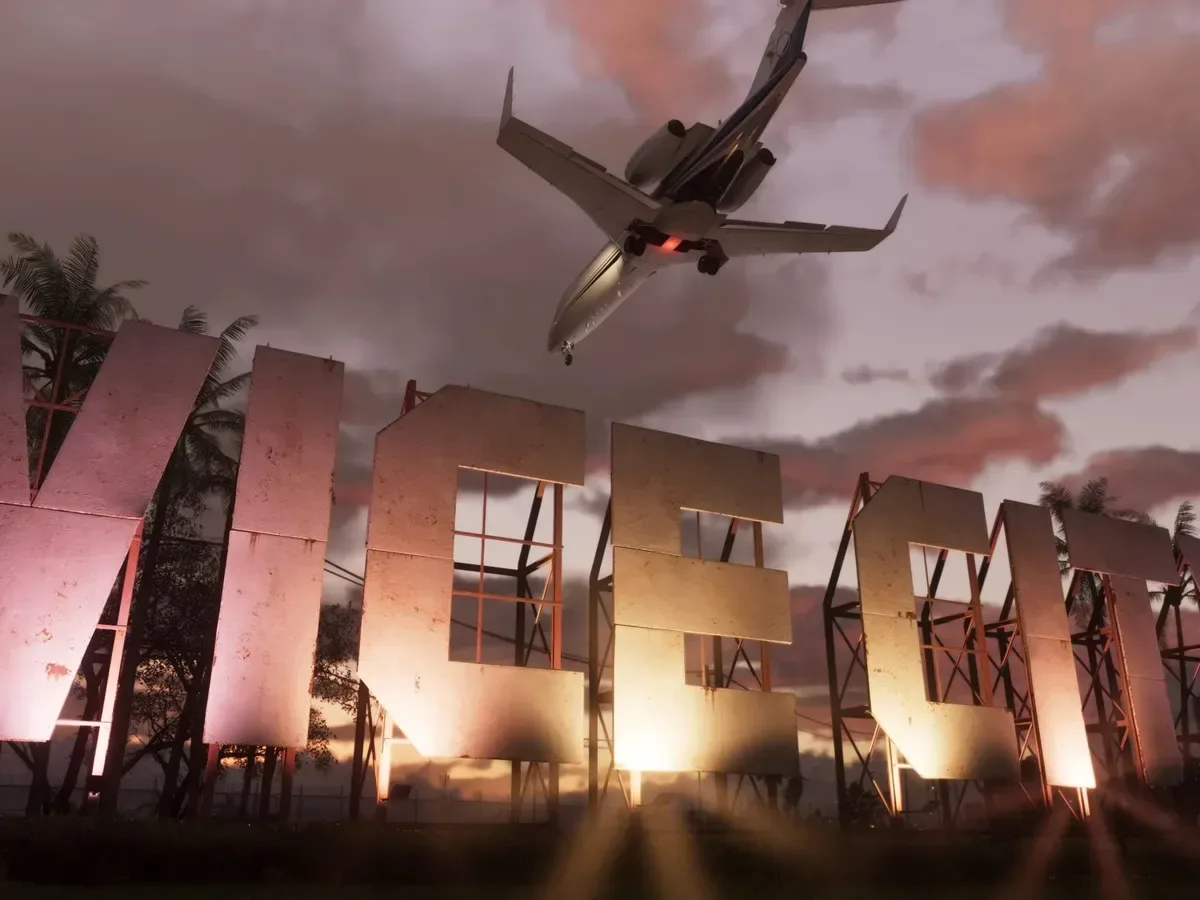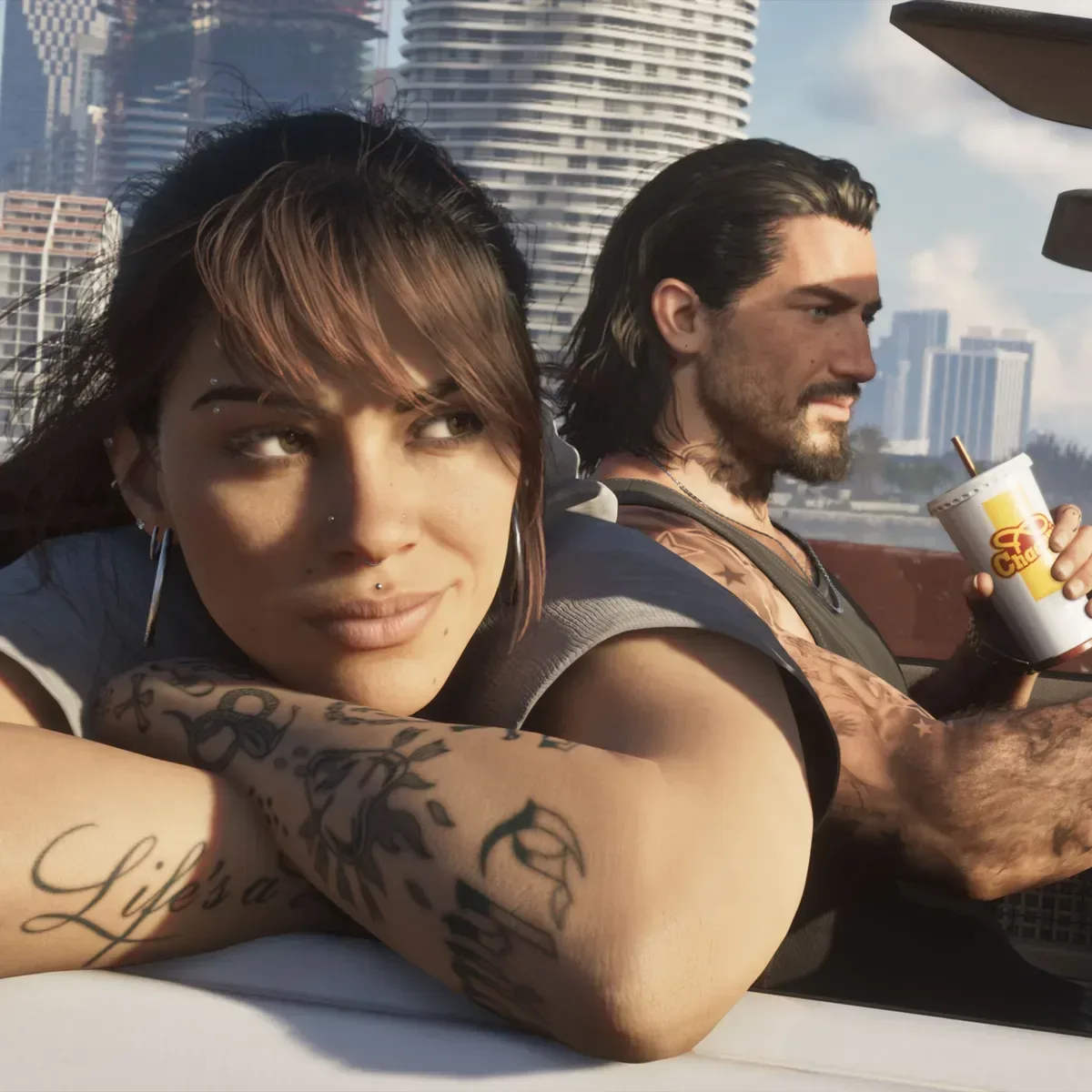
Grand Theft Auto 6 has always been expected to make a big leap in visual detail, world density and the sheer amount of activity happening around its two leads, Jason and Lucia. The more intriguing question now is how much that added detail will change the moment-to-moment rhythm of causing trouble in Vice City.
Rockstar Games has outlined several systems that sound more grounded than the anything-goes behavior many players associate with Grand Theft Auto V. NPCs will react differently depending on how a weapon is carried. Police will not necessarily treat every visible firearm as an instant shootout, but a weapon held as if it is about to be fired can raise the temperature quickly. Cars can be repaired and refueled at gas stations. Sleep is tied to the recovery of certain attributes. Even Jason and Lucia’s relationship is being tracked as part of their shared life in the Miami-inspired setting.
Those ingredients have created the inevitable pre-release argument: is this a richer version of Grand Theft Auto, or is the series inching toward a realism simulator where a getaway can be interrupted by a low-fuel light?
The answer will depend less on the existence of fuel, sleeping and cautious civilians than on whether Rockstar makes them meaningful without making them chores. For now, the details suggest a studio trying to preserve a famously wild sandbox while giving its population and protagonists more believable stakes.
A gun in a holster is not the same as a gun in hand
Co-development lead Rob Nelson has described a more layered response system for weapons. Carrying a long gun on a character’s back is expected to draw far less alarm than walking down a street with the same weapon in hand. Residents may move away when they see an armed character, and the amount of gear being carried and the manner in which it is displayed are both meant to matter.
Police behavior is also set to have more steps than the immediate mayhem that players may remember from 2013’s Grand Theft Auto V. An officer seeing a firearm can issue a warning. Escalation comes when the player holds a long weapon with both hands in a ready-to-fire posture.
That does not necessarily mean GTA 6 is turning every armed encounter into a lecture on proper public conduct. It does mean the game appears to distinguish between presence, threat and action. In practical terms, a player may be able to move through the city carrying a weapon without automatically detonating the social order, while raising it at the wrong time could turn nearby pedestrians and law enforcement into active participants in the situation.
It is a logical evolution for a world with more sophisticated character behavior. A dense, sharply rendered city full of people who ignore a shotgun suddenly appearing in front of them can undermine the illusion faster than an absurd radio commercial ever could. Rockstar’s position appears to be that, at the fidelity and population complexity GTA 6 is aiming for, that old level of indifference no longer fits.
Related coverage includes GTA 6's Fuel Stops and Gun Reactions Raise Questions About Rockstar's Realism Balance.
Still, players are right to wonder how often such reactions will be enforced. Grand Theft Auto works because it can tell a criminal drama one moment and let someone launch a vehicle into a billboard the next. If every weapon switch starts a lengthy escalation sequence, impulsive play could feel constrained. If the system instead creates more opportunities for tense standoffs, stealthy intimidation, panicked crowds and narrowly avoided police attention, it could make the usual chaos more dramatic.
Fuel stops could make chases stranger, not smaller
The mechanic receiving perhaps the loudest mix of jokes and skepticism is vehicle fuel. GTA 6 will let players use gas stations to repair and refuel cars, giving a traditionally background piece of open-world scenery a functional purpose. Refilling is said to take around 10 seconds and is generally not expected to cost much, which is an important detail. Rockstar seemingly understands that nobody wants to spend the best part of a virtual afternoon watching a fuel nozzle slowly click away.
A quick refuel is not the same thing as a survival-game hunger bar. Yet it changes the mental map of Vice City. A gas station may become a pit stop, a last-second detour, a place where a damaged stolen car is made roadworthy, or a risky waypoint while police attention is high.
That could help create more varied escapes. Rather than every chase ending when a car crashes, disappears into a tunnel or simply outruns the wanted level, an empty tank might force a bad decision. Do you abandon the vehicle and flee on foot? Jack a replacement car? Risk stopping at a station? Find a boat, bike or alleyway instead? Used sparingly, fuel limitations could turn familiar getaway loops into small, unscripted stories.
There is an equally plausible downside. Grand Theft Auto vehicles have traditionally been tools for instant motion and accidental comedy. They are how players decide, without planning, to drive from a beach to a swamp, from a mission to a helicopter, or from a traffic jam directly through a storefront. If refueling occurs too often, it risks converting freedom into maintenance.
The 10-second estimate is encouraging because it signals that Rockstar may be targeting atmosphere and occasional consequence rather than a punishing simulation. The question players will have to answer after launch is frequency. A fuel gauge that becomes relevant during select long trips or extended escapes could be memorable. One demanding attention every time a mission turns into a city-spanning sprint would be far harder to forgive.
Rest, romance and the difference between flavor and friction
Vehicle fuel is only one part of GTA 6’s wider effort to give daily actions a gameplay role. Jason and Lucia can be rested or tired, and sleep affects the regeneration of certain attributes. Their relationship is also intended to be tracked, adding another layer to a story built around two central characters rather than one isolated antihero.
These systems potentially give downtime a reason to exist. Between jobs, pursuits and criminal schemes, players may have decisions that affect how prepared the pair is for what comes next. The details are still limited, so it is unclear how visible or demanding these effects will be. They could be light-touch role-playing cues, substantial strategic considerations, or something in between.
One telling point is that a more extensive grocery system was considered and ultimately removed. Players would have needed to buy food to replenish the refrigerator. That cut reveals the line Rockstar appears to be drawing. The team wants ordinary actions to carry purpose, but not every domestic detail is worth turning into a compulsory loop.
That distinction matters. The best immersive mechanics do not demand attention merely because real life does. They make players see spaces differently. A restaurant can become a useful stop rather than set dressing. A bed can be preparation for a difficult job. A gas station can shape an escape. A civilian crowd can become an early warning system when it notices a weapon. If these interactions feed the larger sandbox, they justify their presence.
If they only delay the next mission, they become the virtual equivalent of waiting behind a customer buying an impossible number of snacks and lottery tickets.
Why Red Dead Redemption 2 is the obvious comparison
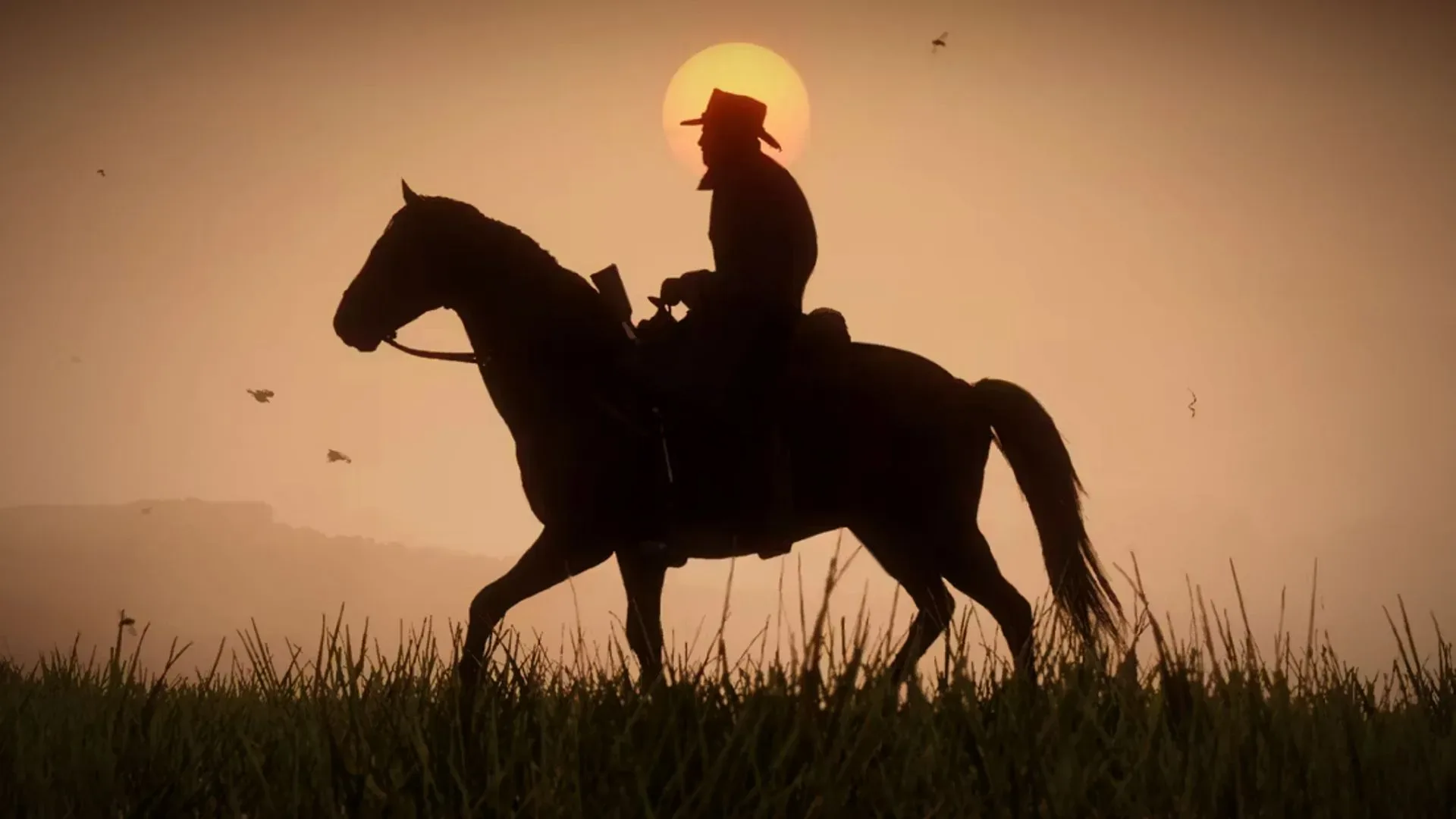
Much of the reaction has compared the emerging GTA 6 approach with Red Dead Redemption 2. The comparison makes sense: Rockstar’s 2018 western found power in small behavioral details, quiet travel and a world that could slow down long enough for its characters to feel embedded in it. GTA has historically used a faster, more satirical and more explosive language.
But GTA 6 does not have to choose one identity entirely over the other. A reactive public can make criminal behavior more consequential without eliminating the option to cause spectacular trouble. Vehicle upkeep can add improvisation without making every drive an errand. Relationship and rest systems can support Jason and Lucia’s arc without turning the campaign into an obligation calendar.
Indeed, more believable systems may make the series’ biggest moments land harder. When the ordinary city behaves credibly, the extraordinary disruption stands out. A calm street that gradually clears because someone is visibly carrying a rifle has more tension than a street where no one notices. A chase made uncertain by damage and fuel can be more exciting precisely because the player cannot rely on the same escape route forever.
For more on the studio’s past concerns about how a single central character could follow GTA 5’s ensemble, revisit Rockstar’s Red Dead Redemption 2 character-scale debate.
The crucial promise is still fun
GTA 6 is scheduled to launch on November 19 for PlayStation 5 and Xbox Series X/S. Months ahead of release, the discussion is naturally operating on partial information. Nobody outside the finished experience knows the exact fuel consumption rate, how forgiving police warnings will be, how much sleep changes performance, or whether relationship tracking becomes a central system or background texture.
What is clear is that Rockstar is pursuing a more responsive version of Vice City. Its map is being positioned as the most realistic in the series so far, and the gameplay systems described so far are consistent with that goal. People notice weapons. Cars need attention. The protagonists have lives between jobs.
That can be a thrilling direction, provided the game remembers its own essential fantasy. Grand Theft Auto is not beloved because players want a digital checklist of civic responsibilities. It is beloved because the world gives their decisions momentum, whether those decisions are clever, reckless, cinematic or profoundly silly.
Realism is most valuable here when it supplies new complications, new stories and new ways for plans to unravel. A gas station should be an opportunity for a memorable disaster, not an invoice. A wary pedestrian should raise tension, not drain spontaneity. GTA 6 has the chance to make its chaos feel more alive than ever; it just cannot let authenticity take the wheel and refuse to floor it.