Google’s 2026 shutdown list is a reminder that a device, app, or beta feature can be part of an ecosystem without being a permanent part of it. The most gaming-specific casualty is Steam for Chromebooks, the beta program that let compatible ChromeOS machines install Steam games. It ended in January 2026. But the wider slate of discontinuations matters to players and households too: Google Assistant has been replaced by Gemini across major mobile use cases, the Pixel Tablet is no longer sold, and established Nest speakers are no longer in production.
None of those decisions means that every affected piece of hardware suddenly stops functioning. In several cases, existing equipment remains usable or supported. The more meaningful change is strategic. Google is concentrating functions that were previously divided among standalone products and services into Gemini, Google Health, newer Google Home hardware, and web or mobile-first services.
For people who use ChromeOS as an inexpensive secondary computer, a smart display as a living-room audio endpoint, or Gmail as a hub for other inboxes, that consolidation has practical consequences. Features can persist for a while, but a product’s role can change rapidly once its successor becomes the preferred path.
Steam for Chromebooks is the clearest gaming loss
Steam for Chromebooks was a beta program, meaning it was an unfinished, trial-stage feature rather than a finished platform promise. It enabled users to install Steam games on ChromeOS hardware, giving some Chromebooks a route into PC gaming that did not depend on streaming.
Its January 2026 end means ChromeOS no longer has that Google-backed beta route for installing Steam games. The distinction matters. Steam is a storefront and library platform, while ChromeOS is Google’s operating system for Chromebooks. The program’s closure does not describe a shutdown of Steam itself; it ends the ChromeOS beta initiative that linked compatible Chromebooks to locally installed Steam titles.
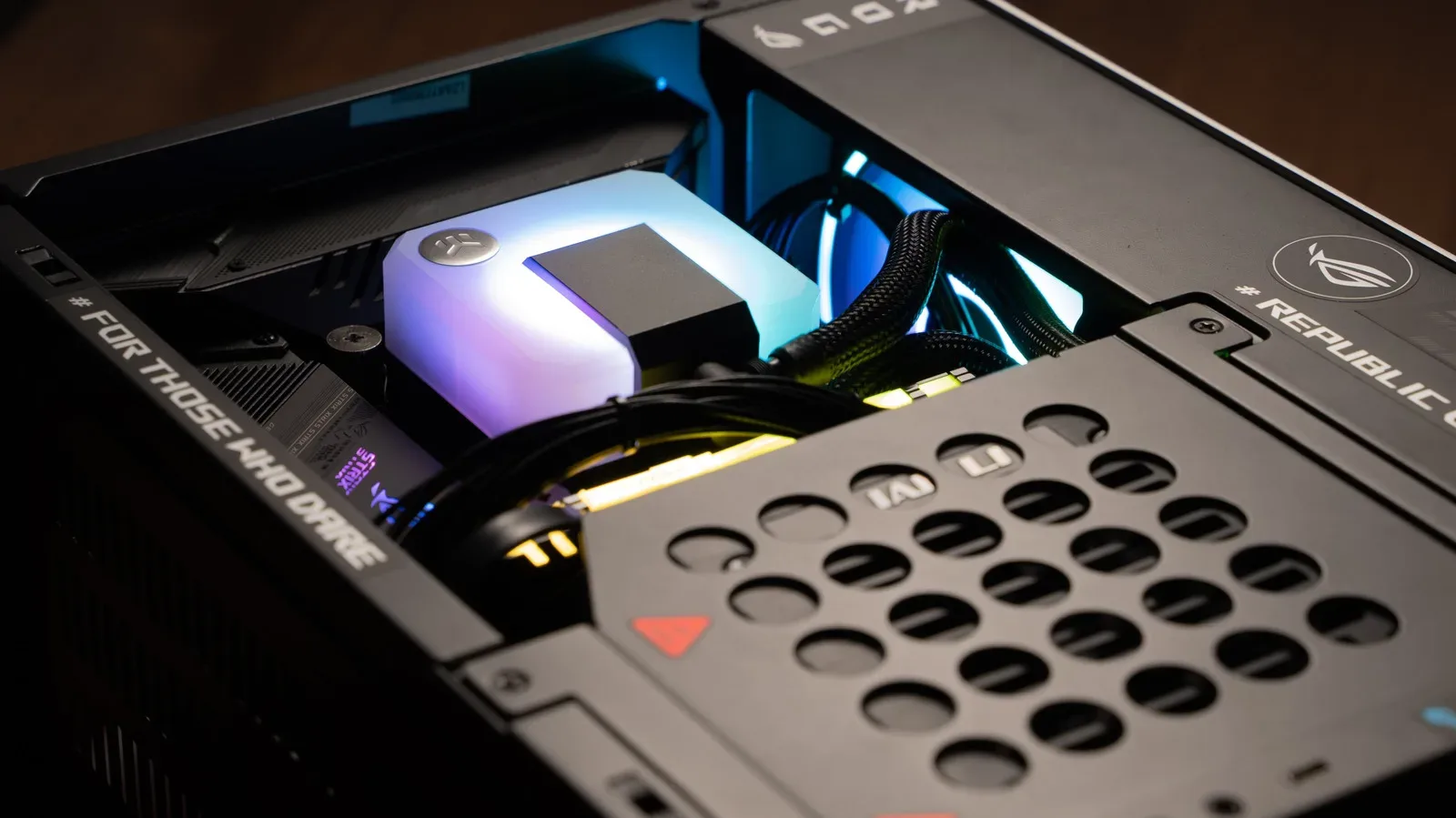
For prospective Chromebook buyers, the lesson is straightforward: gaming compatibility should be treated as a specific device-and-service question, not as a broad assumption based on a laptop’s branding. A Chromebook may still be useful for web work, media, and other supported applications, but the Steam beta is no longer a reason to expect a ChromeOS gaming path. Anyone deciding between a compact ChromeOS system and a conventional PC should map out the software they actually need before buying hardware. That planning mindset also applies to small-form-factor desktops, where component choices and intended workloads need to be considered together; building a Mini PC requires more planning than a standard tower.
The closure also shows the limitations of beta access as a long-term purchasing argument. Betas are useful opportunities to try a new capability, but they are not equivalent to a permanent feature commitment. For a game library, where purchases and saves can span years, platform continuity is particularly important.
Google Assistant’s replacement reaches phones, wearables and cars
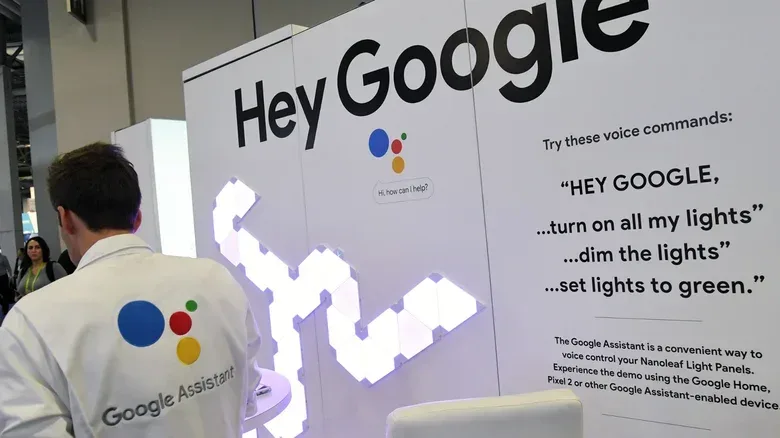
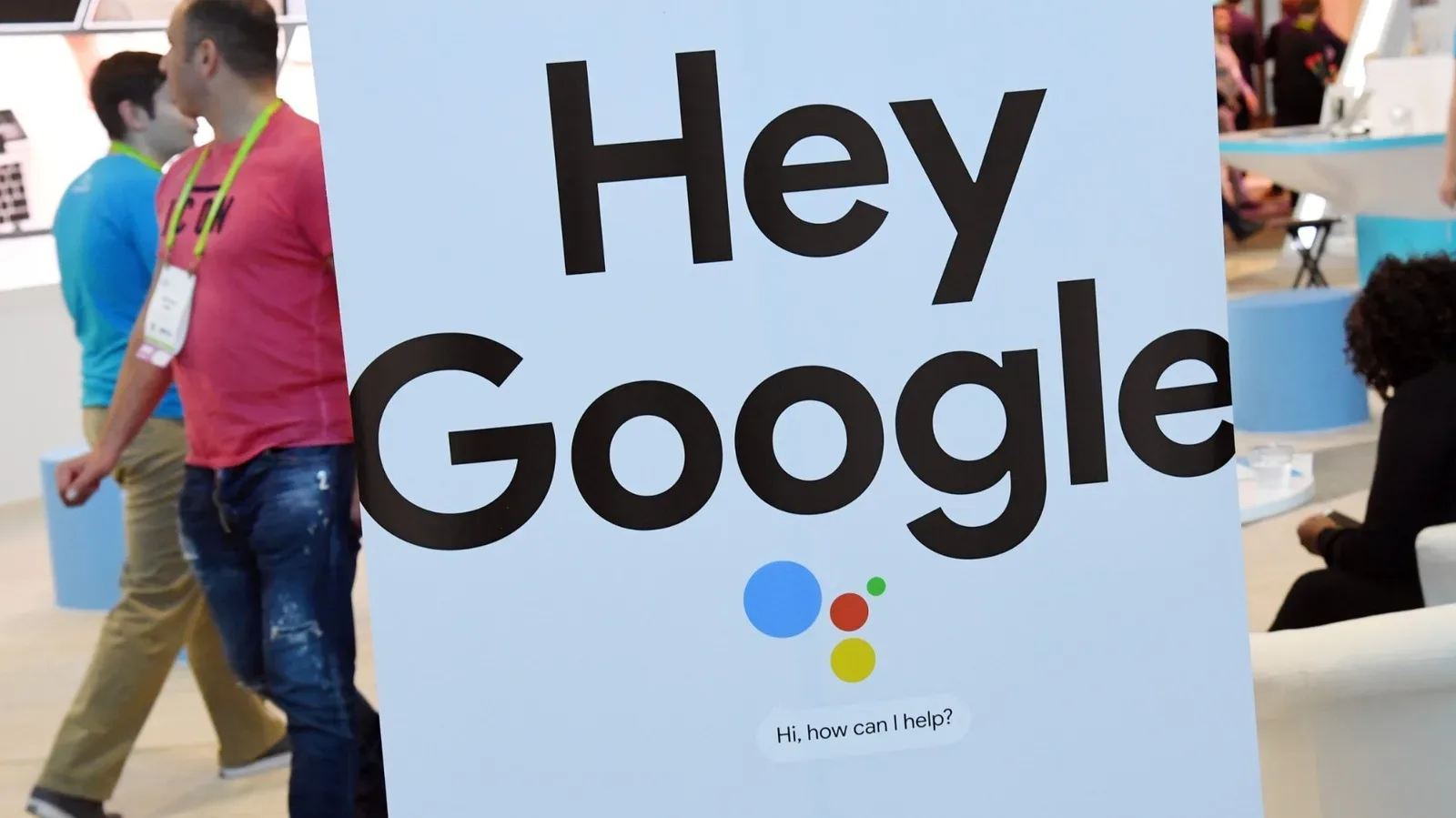
The largest transition in day-to-day use is the shift from Google Assistant to Gemini. Google Assistant, introduced in 2016, had become a familiar voice interface across phones, tablets, smart-home devices, headphones, vehicles, and more. It handled spoken requests such as controlling lights, playing music, contacting people, and searching for information.
Related coverage includes Google’s 2026 Shutdowns Reshape Assistant, Fitbit, Nest and Gmail.
Google initially aimed to complete the mobile transition by the end of 2025, then moved the deadline to September 2026. Assistant is now unavailable on mobile devices, Wear OS watches, headphones and earbuds, and Android Auto experiences projected from a user’s phone. Gemini is intended to take over those jobs.
That does not make Google Assistant universally gone. It remains usable on older products including Nest Audio, Nest Mini, the original Google Home, Google Home Max, and vehicles with Google built-in. That split is worth understanding: Android Auto projected from a phone is distinct from a vehicle that has Google built-in. In the former case, phone-based Assistant access has been phased out; older built-in implementations are listed among the places where Assistant remains usable.
For a gaming setup, voice assistants commonly live at the edges rather than the center: music control, lighting, timers, reminders, or a quick web lookup while a game is paused. The change may therefore feel minor to some users and disruptive to others, depending on which commands became habitual. The immediate practical step is not to assume that a phone command, earbud command, and speaker command will all behave the same way during the transition. Google’s product lineup now spans both Assistant-based legacy devices and Gemini-based replacements.
Pixel Studio followed a similar consolidation path. The standalone Pixel app, introduced with the Pixel 9 series for AI-assisted image creation from text prompts, was shut down in March 2026. Image generation is being moved into Gemini. The pattern is clear: separate entry points are being reduced in favor of a single flagship assistant.
The Pixel Tablet and familiar Nest speakers leave the store
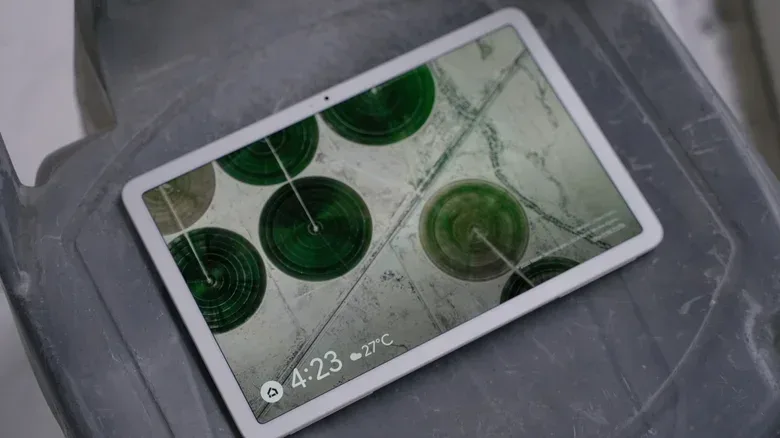
Google discontinued the Pixel Tablet in September 2026, removing its tablet listing and the tablet category from store navigation. Introduced in 2023 at $499, the device paired an 11-inch, 60Hz LCD display with a Charging Speaker Dock. The dock was central to its identity: it added a dedicated speaker and worked as a Cast target, allowing music and podcasts to be sent to it.
That arrangement tried to make the tablet more than a screen left in a drawer. Docked, it could occupy a shared-room role similar to a smart display; undocked, it was a tablet. Google had sold it for as little as $250 during the 2025 Black Friday sale, but there is now no current Google-branded tablet. Reports of a successor with a 120Hz panel did not result in a released product.
Its removal is notable for anyone using a tablet as a portable companion for guides, streaming, chat, or a casting destination away from the TV. The Pixel Tablet’s particular appeal was its included dock rather than merely its display specifications. A 60Hz panel refreshes its image 60 times per second, while the discussed but unreleased 120Hz panel would have doubled that rate. However, the relevant fact for existing owners is not a theoretical successor: the current product is discontinued.
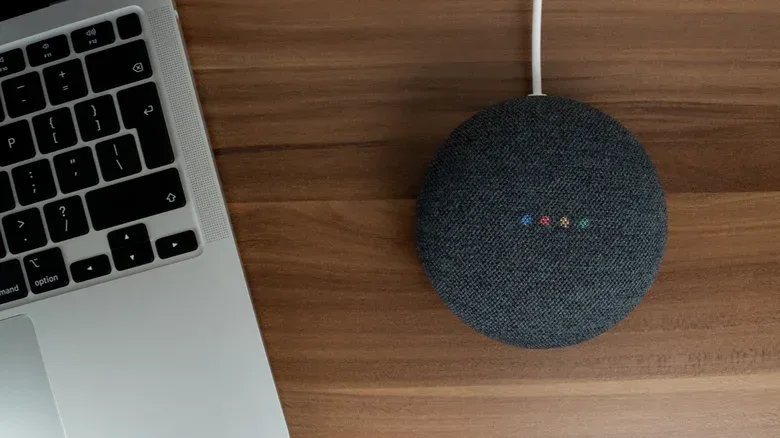
Google also ended production of the Nest Mini and Nest Audio in June 2026. The $50 Nest Mini, launched in 2019, was an accessible entry into voice control, music playback, and smart-home management. Nest Audio arrived in 2020 for $99 as the original Google Home’s successor. Its two-driver arrangement included a 75mm woofer and 19mm tweeter, and it was among Google’s stronger-sounding speaker options short of the larger Home Max.
Existing Nest Mini and Nest Audio owners are not being cut off from software updates in the near term; Google says support will continue for the foreseeable future. The replacement purchase option is the $99 Google Home Speaker, which uses Gemini and provides 360-degree sound. Its driver is smaller at 58mm, so it should not be treated as a like-for-like specification match purely because the price is the same.
Fitness data, dark-web alerts and email fetching are being rerouted
Google’s service changes extend well beyond consumer hardware. In May 2026, the Fitbit app became a unified Google Health portal, and Google Fit data began moving to Google Health. Fitbit wearables and newer Fitbit Air and Fitbit Edge devices are now tied to that health destination. Fitbit’s Web APIs have also been wound down.
An API, or application programming interface, is a mechanism software uses to communicate with other software. When a web API is wound down, third-party tools that relied on it can no longer treat it as an ongoing connection point. For Fitbit users, the immediate direction is clear: Google Health is the place to monitor metrics. It includes an AI-assisted Health Coach, although the social features associated with the former Fitbit app are not part of the new experience.
Dark Web Report, introduced in 2023 and made available to all Google account holders from July 2024, also ended in 2026. The service looked for personal details such as email addresses, phone numbers, and physical addresses that may have appeared in breach-related dark-web material. Google said the tool did not provide sufficiently helpful next steps and is focusing instead on tools intended to provide clearer, actionable protection guidance.
It is important not to confuse a breach-monitoring alert with a repair mechanism. A notification can tell a person that data may have surfaced; it does not itself undo a breach. The end of Dark Web Report removes a Google-account-integrated monitoring option, while other services such as Have I Been Pwned exist separately.
Gmail is shedding older forms of third-party mailbox integration as well. Gmailify, which provided Gmail features such as spam protection, search, and automatic sorting for Yahoo, AOL, and Outlook accounts, was discontinued in the first quarter of 2026. Existing users can continue using it until January 2027, when the wind-down is due to complete.
Gmail’s Android and iOS apps can still access outside accounts through IMAP, short for Internet Message Access Protocol. IMAP is an email synchronization standard. Google has also ended POP fetching for third-party accounts; POP, or Post Office Protocol, is an older method of retrieving mail. The practical trade-off is that third-party inboxes can remain accessible in Gmail through IMAP, but users no longer receive all the Gmailify extras, including its spam-protection layer.
Google Earth Pro gets a longer runway
Not every shutdown is immediate. Google announced in July 2026 that the legacy Google Earth Pro desktop application will stop being available for download after June 25, 2027. People who want to keep using it can download and install it before June 2027; it is expected to continue working after the download wind-down.
Google is shifting emphasis to Google Earth on the web and Android or iOS. Satellite imagery and Street View remain available free of charge, while additional data layers are moving to tiered subscription plans. The key distinction is between software availability and software operation: the desktop download will disappear after the deadline, but an installation completed beforehand is expected to continue running.
What this collection of closures says about Google’s direction
These changes do not all have the same stakes. Ending a Chromebook gaming beta is different from replacing an assistant embedded across phones and wearables. Discontinuing a tablet is different from changing an email protocol. Yet the common direction is toward fewer separate Google-branded doors into the same kinds of tasks.
Gemini becomes the center for conversational assistance and image creation. Google Health becomes the destination for Fitbit and Google Fit information. The newer Google Home Speaker becomes the promoted smart-speaker option. IMAP becomes the supported way to synchronize third-party email in Gmail’s mobile apps. Google Earth’s web and mobile products become the priority over the legacy desktop download.
For users, the useful response is to inventory dependencies rather than panic over every discontinuation. Identify which device performs a unique job, which data is stored only in one service, and which workflows rely on a beta or legacy connection. Check whether an older product is merely no longer sold, still receiving updates, or facing a hard access deadline. Those are very different situations—and 2026’s Google retirements include all three.