Amazon is currently listing the 41mm Google Pixel Watch 5 at $300, down from $400. That is a $100 reduction, or 25% off the stated price. For anyone already in the Android ecosystem and weighing a smartwatch purchase, the discount puts the decision less on abstract feature-counting and more on whether this particular mix of display, health tracking, GPS, connectivity and Google services fits the way they actually use a watch.
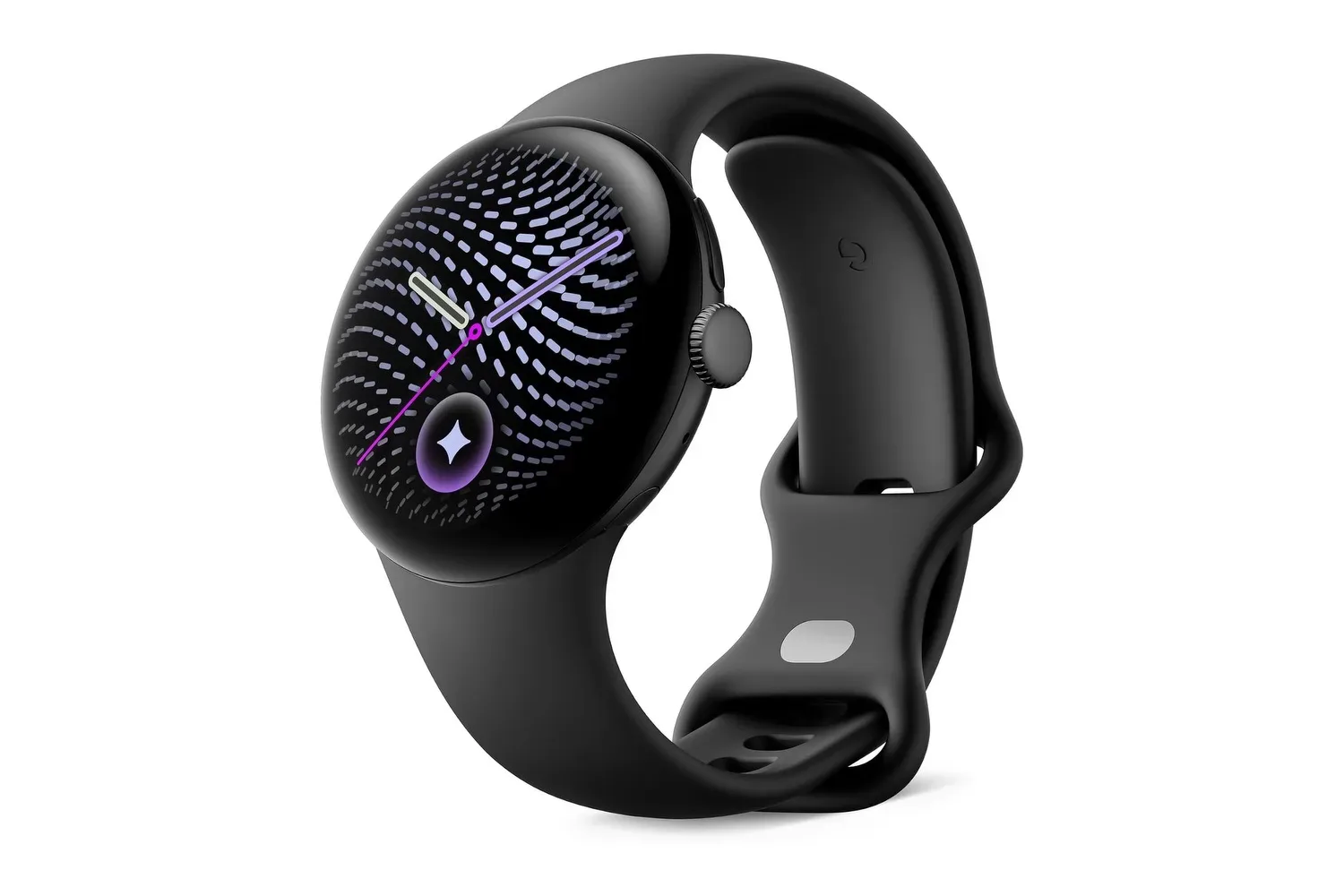
The Pixel Watch 5 is positioned as a health-focused Wear OS smartwatch that works with Android phones. Its headline hardware is a domed Actua 360 AMOLED display, rated for up to 3,000 nits of brightness, with protection from Corning Gorilla Glass 5. It also carries a Snapdragon W5 Gen 2 processor, 64GB of storage, built-in GPS, Wi-Fi 6, Bluetooth 6, NFC for Google Wallet, Ultra Wideband, and Gemini-based assistance.
At $300, the practical question is not whether the watch does a lot. It plainly has a broad specification list. It is whether buyers will make regular use of the features that distinguish it: the outdoor-friendly display, the set of body and activity measurements, on-wrist Google help, and a claimed battery range that changes significantly depending on settings.
The deal: $300 for the 41mm Pixel Watch 5
The current listing reduces the Pixel Watch 5 from $400 to $300. A discount of this size matters most to shoppers who were already considering a smartwatch rather than to people seeking a cheap basic tracker. This is still a full smartwatch with an emphasis on Android integration, not merely a step counter or a single-purpose running device.
Potential buyers should nevertheless treat a retailer price as a snapshot. Listings and sale periods can change, and the supplied details do not establish how long the $300 price will remain available. It is sensible to check the final price, chosen finish, and any subscription terms before completing a purchase.
A display built for quick checks indoors and outside
The Pixel Watch 5 uses a 41mm domed Actua 360 AMOLED screen. AMOLED is a display technology in which pixels produce their own light, rather than relying on a separate full-screen backlight. In day-to-day smartwatch use, that approach suits watch faces and notifications because it can present bright visual elements against dark areas.
Its stated peak brightness of 3,000 nits is particularly relevant outdoors. A nit is a unit used to describe display brightness. Higher brightness can make a screen easier to read in direct sunlight, which is useful when checking a route, workout data, a payment prompt or a notification without stopping to shade the screen.
The panel can vary its refresh rate from 1Hz to 60Hz. Refresh rate describes how frequently a display updates each second. At 60Hz, scrolling and animated interface elements can appear smoother. At 1Hz, the display updates far less often, a behavior that can conserve energy when a constantly animated screen is unnecessary. The watch also lowers its always-on display brightness to 1 nit in dark conditions, an effort to keep the watch visible without becoming an intrusive light source.
Corning Gorilla Glass 5 is specified as the protection layer over the domed screen. The practical benefit is resistance to normal scratches, though no glass makes a smartwatch invulnerable to impacts or wear. Buyers who work or exercise in environments where their wrist frequently meets hard surfaces may still want to consider how they will protect and maintain the device.
Battery claims should be read alongside the screen settings
Google’s stated battery estimate is approximately 30 hours with the always-on display enabled, extending to roughly 48 hours in Battery Saver mode. That contrast makes clear that display behavior is central to the watch’s endurance.
Always-on display means the watch face remains visible in a reduced-power state instead of becoming fully blank between wrist raises. It is convenient for checking the time at a glance, but it uses power. Battery Saver is intended to extend operating time by prioritizing energy conservation. Which figure is more meaningful will depend on a buyer’s preferences: a person who wants a continuously visible face will likely focus on the 30-hour estimate, while a person who prioritizes less frequent charging may place more value on the Battery Saver figure.
Battery results can also vary with the use of GPS, wireless connections, screen brightness, notifications and health monitoring. The provided figures are useful reference points, not a promise that every routine will match the same result.
Health tracking is broad, but the terms deserve unpacking
The Pixel Watch 5 tracks heart rate, daily physical activity, sleep patterns and stress levels. It can also take an ECG reading, measure blood oxygen and skin temperature, and use a cEDA sensor to track the body’s response to stress.
ECG is short for electrocardiogram: a recording of the heart’s electrical activity. Blood oxygen refers to the amount of oxygen carried in the blood. Skin temperature is a surface measurement, distinct from treating a wearable’s reading as a general medical thermometer result. The supplied information describes these as watch features but does not set out medical diagnoses or guarantees, so users should view the device’s information within the limits and guidance provided with the watch.
The cEDA sensor is intended to monitor electrodermal activity, a measurement related to changes in the skin that can reflect the body’s response to stress. The important distinction is between observing a trend or moment of physiological response and determining a cause. A watch can provide data and prompts; it does not by itself explain every change in how a person feels.
Health Guardian adds insights for blood-pressure trends, insulin-resistance trends and sleep breathing quality. The use of “trends” is meaningful: these tools are framed around patterns over time, rather than a single reading settling a health question. The Pixel Watch 5 also has loss-of-pulse detection, which can alert emergency services if a pulse stops. This is a potentially important safety feature, but it should not be treated as a replacement for emergency planning or medical care.
GPS, readiness data and the case for active Android users
Built-in GPS mapping supports running, biking, hiking and other outdoor activities. Built-in GPS means the watch can use location data for mapping and route-related functions without making the phone the sole source of location information. That is especially attractive for people who prefer to keep a handset put away during a walk, run or ride.
The watch also offers daily readiness scores and weekly cardio targets. A readiness score is intended to summarize signals relevant to whether a user may be ready for activity, while a cardio target provides a weekly exercise objective. Neither replaces personal judgment, but together they make the watch more than a passive recorder of completed workouts. They are meant to turn accumulated sensor data into prompts that may influence how someone plans activity.
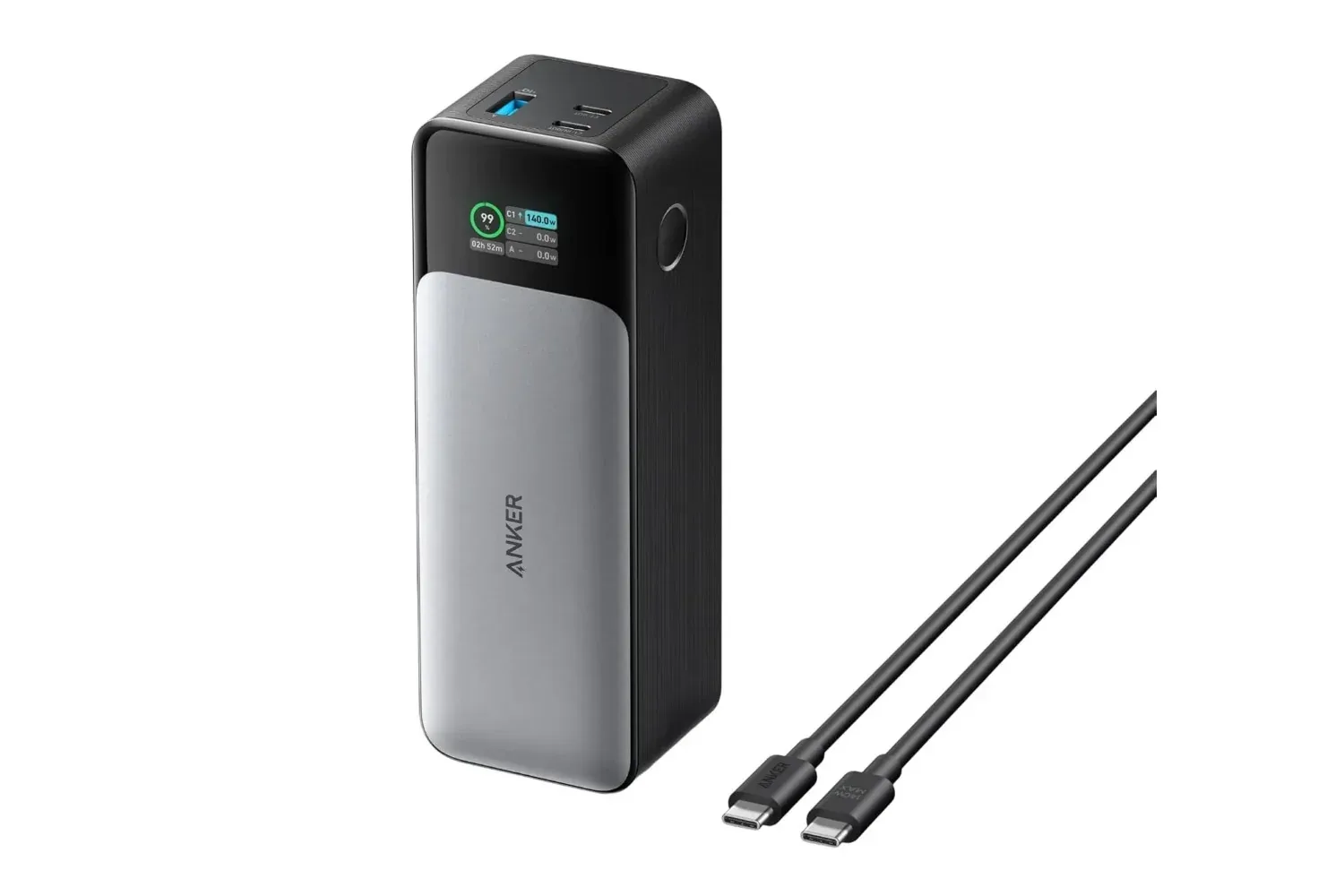
For an Android phone owner, the Pixel Watch 5’s strongest argument is this convergence of smartwatch utility and activity tracking. NFC enables Google Wallet payments. Wi-Fi 6, Bluetooth 6 and Ultra Wideband are included for device communication. Users interested in more on-the-go hardware may also want to consider how charging accessories fit into their setup; recent charging gear aimed at travelers underscores how much a portable-device routine can depend on compact power options.
Gemini and the subscription distinction
Gemini Intelligence lets users raise their wrist, ask a question or request help with routine tasks. The watch can also surface relevant information when needed. This is the convenience side of the product: a user may be able to act on a small piece of information without pulling out a phone.
There is a notable split in the feature set. Personalized coaching built with Gemini is available through a Google Health Premium subscription. That means shoppers should distinguish between Gemini functionality included with the watch and the coaching experience that requires an ongoing subscription. The sale price lowers the hardware cost, but it does not erase the need to evaluate recurring-service value separately.
Repairability and finish choices add practical value
One of the more consequential specifications is that the battery and display components are user-replaceable. Wearables are exposed to charging cycles, daily knocks and screen wear, so components that can be replaced can make a difference to long-term ownership. The supplied details do not describe the repair process, parts pricing or required tools, but the ability to replace these components is still a welcome practical consideration.
Finish options are Matte Black, Polished Silver, Satin Pyrite and Champagne Gold. That is a cosmetic choice, but watches are unusually visible personal devices. A buyer who intends to wear one throughout work, exercise and sleep may reasonably give the finish more weight than they would for a phone or an accessory that stays in a bag.
Who the $300 Pixel Watch 5 listing suits
- Android users seeking one device for notifications, payments, activity and health data: the Wear OS platform, Google Wallet support, Gemini and comprehensive sensors align with that role.
- Outdoor exercisers: built-in GPS mapping and a display rated at up to 3,000 nits address two common needs: route awareness and outdoor readability.
- People who value ongoing wellness data: sleep, stress, heart-rate, blood-oxygen, skin-temperature and cEDA tracking provide a wide set of measurements to review over time.
- Buyers concerned with longevity: replaceable battery and display components make repairability part of the product story.
People primarily looking for the longest possible time between charges should look closely at the difference between the always-on and Battery Saver estimates. Likewise, anyone drawn mainly by AI coaching should account for the Google Health Premium subscription rather than assuming every Gemini-related feature is part of the one-time purchase.
At its listed $300 price, the Google Pixel Watch 5 combines a bright 41mm domed screen, broad health sensing, GPS, Google payment support, modern wireless connectivity and repairable core components in one Android-oriented wearable. The discount makes it a stronger proposition, provided buyers match the watch’s health and assistance features to their own habits and check the listing details before buying.
Shop the products
Check current price, model and availability at the retailer.