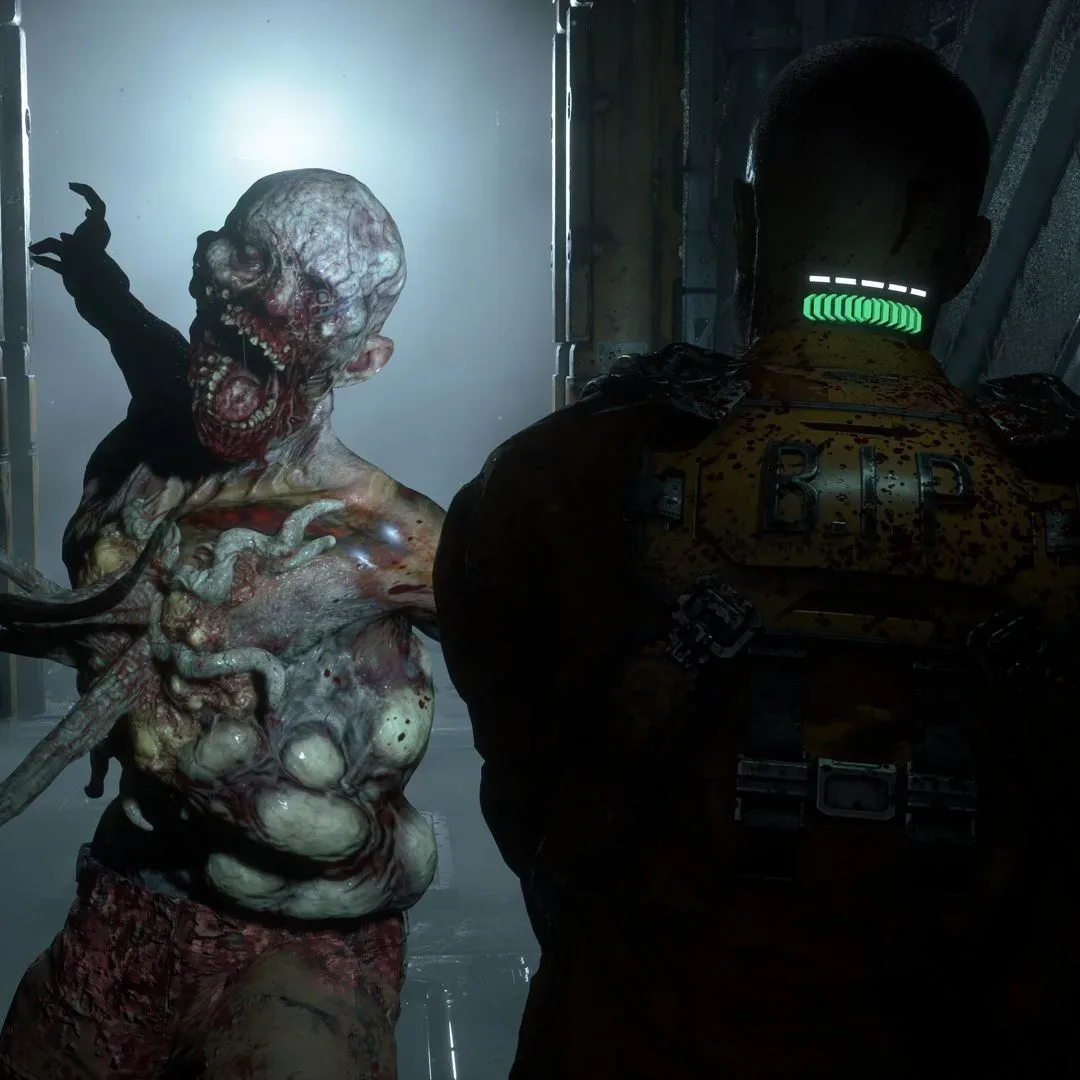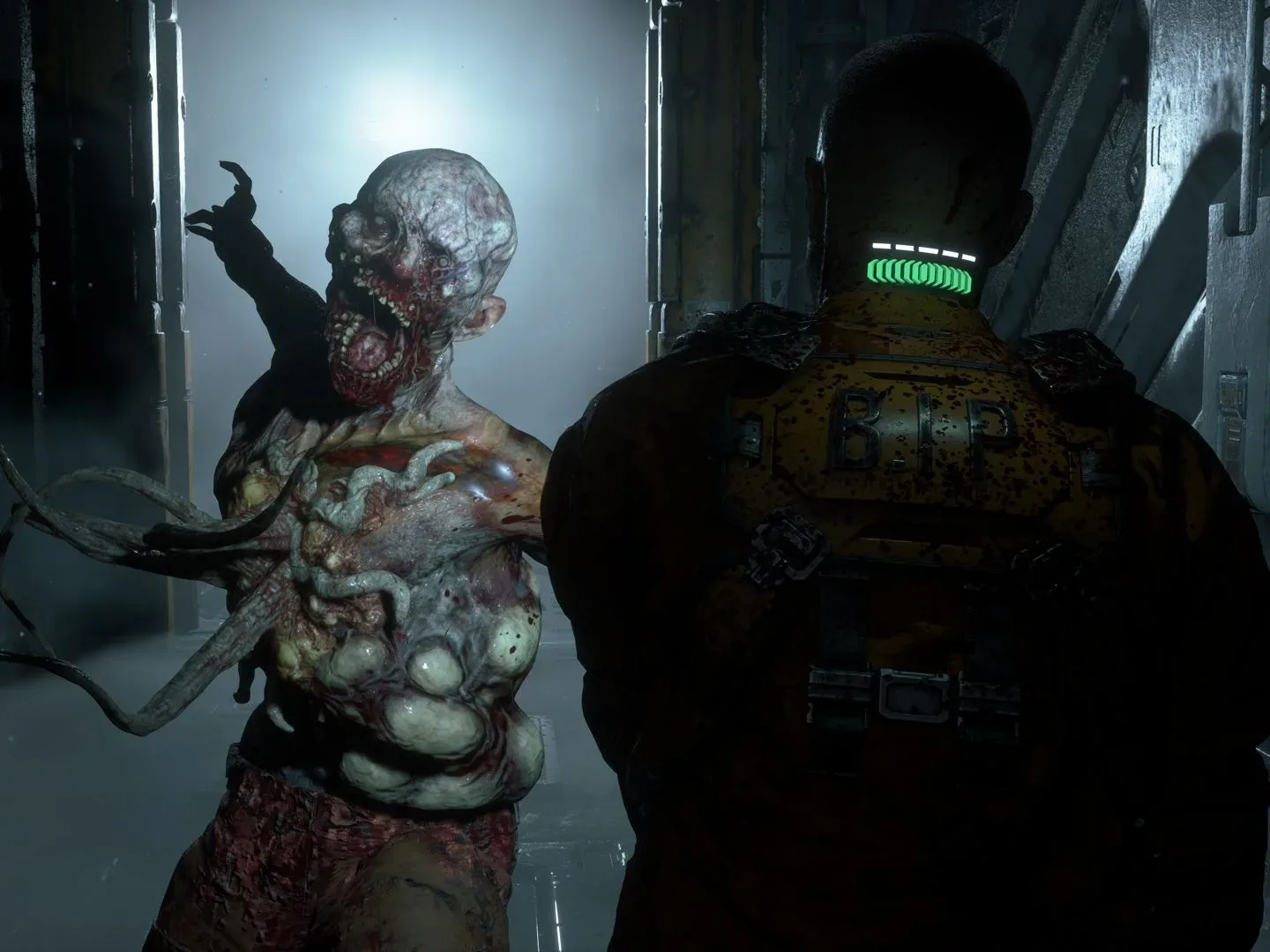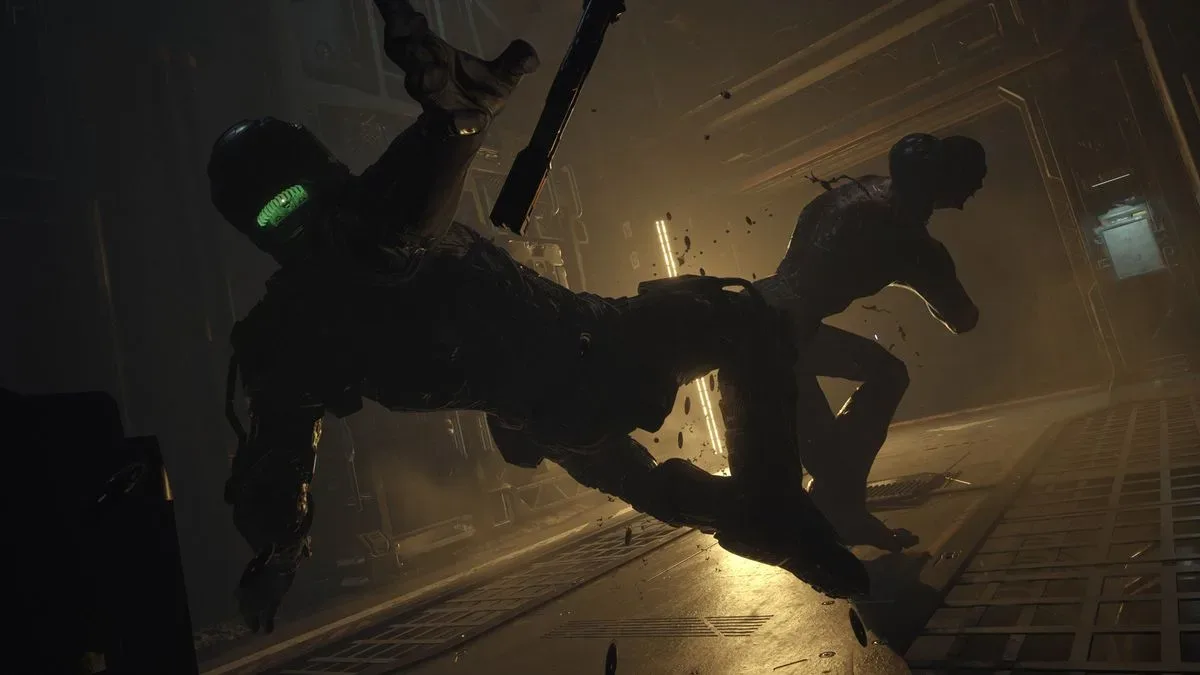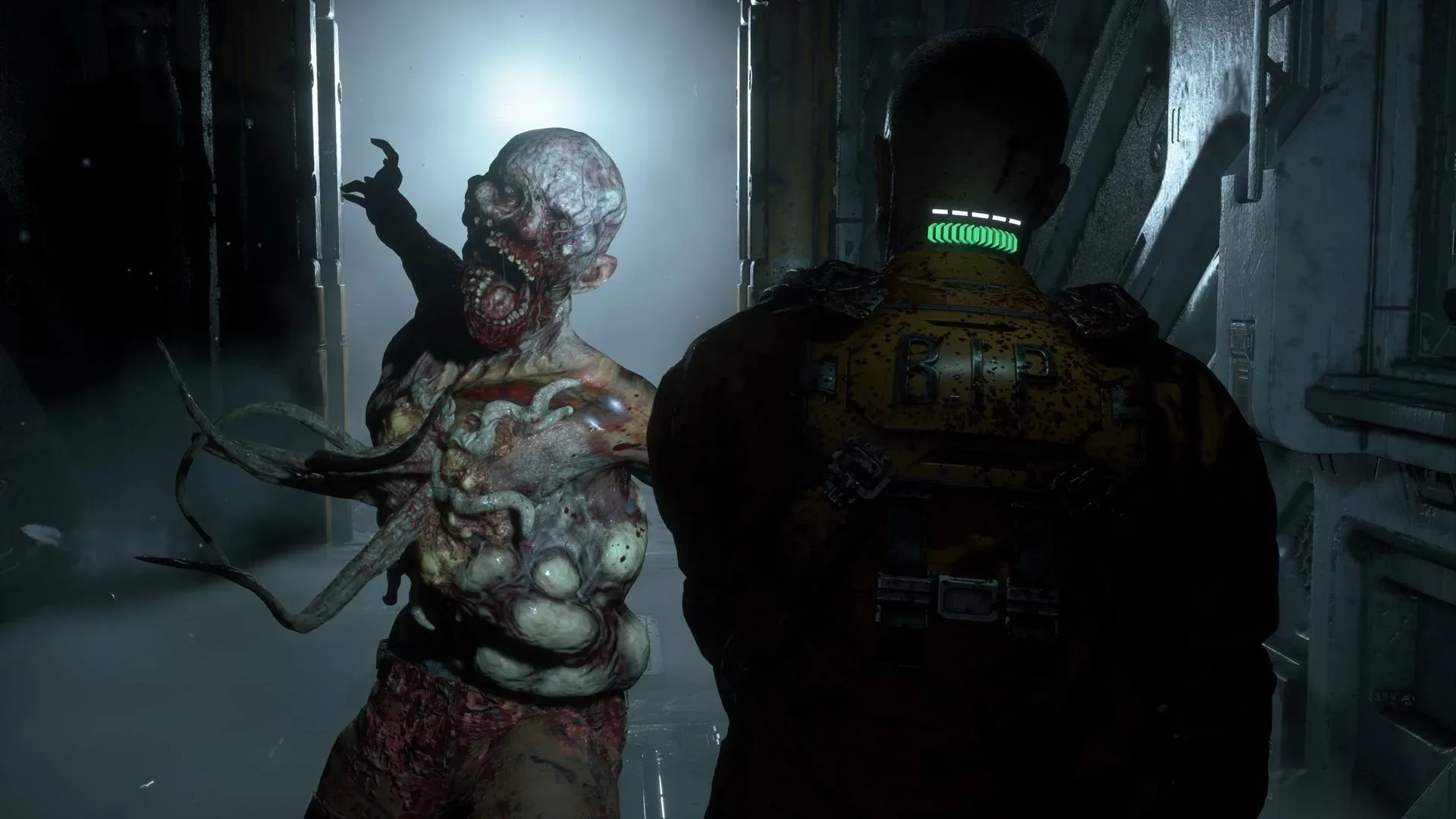
The Callisto Protocol director Glen Schofield says the 2022 survival-horror game was released roughly three months before the schedule he expected, following a development period heavily affected by the COVID-19 pandemic. In newly discussed comments, Schofield says the team at Striking Distance Studios ultimately delivered 86 post-launch patches while also finishing the game’s DLC, attempting to bring the released game closer to where the developers believed it needed to be.
The account is Schofield’s perspective on a difficult production, and his claims about the decision-making and promised time have not been independently established in the material available here. Still, it offers a more detailed explanation of how a game’s launch date, workplace disruption and subsequent support can become tightly connected—especially for a project whose reception did not meet the expectations of its developer or publisher Krafton.
A March launch was reportedly replaced by December 2022
Schofield says Striking Distance had been working on The Callisto Protocol for about six months when the pandemic began. The disruption was not merely a matter of employees changing desks. Remote work replaced the quick, in-person conversations a studio normally relies on, and illness repeatedly affected the team.
He describes a situation in which four to six people at the company were getting sick in a typical month. A smaller team in Spain was, at times, shut down as illness spread, leaving the production without its rendering group for a period. Rendering is the process of generating a game’s visual output; teams in that area can be essential to turning assets, lighting, environments and effects into the images ultimately displayed to players. Losing access to specialists in a critical discipline can reverberate through a production rather than simply delaying one isolated task.
Schofield says he had been promised three additional months to compensate for the pandemic’s impact, which would have placed the release in March 2023. Instead, he alleges that Krafton wanted the game released in December 2022. He characterizes that outcome bluntly: “I was forced to ship the game.”
“The main thing you’re concerned about, not that you aren’t normally, is the health of your team. Making a game just became secondary because this is about life. This is about humanity.”
That framing matters because it separates the usual conversation about missed milestones from the circumstances Schofield describes. A deadline can be a commercial target; widespread illness and a global public-health crisis affect the people expected to meet it. His comments do not erase the need for studios to plan releases, but they illustrate why a calendar adjustment made on paper can be inadequate when the underlying disruption continues to affect individual teams and dependencies.
What an earlier ship date can mean for the game itself
Schofield says the compressed schedule changed the content of The Callisto Protocol. Levels, bosses and enemies were removed from the game, rather than simply being polished later. That is an important distinction. A late bug fix can refine something already present; cut content represents material players may never see in the intended form.
Related coverage includes Glen Schofield Says The Callisto Protocol Was Released Three Months Earlier Than Planned.
In game development, “shipping” means reaching the point at which a version is released to customers. It does not necessarily mean every planned element is finished, nor that development ends there. Modern games can be updated after release, but post-launch support is not a magic rewind button. Patches may resolve technical problems, alter balancing, improve performance or make more substantial changes. They cannot fully recreate the value of additional time before launch, when a team might have been able to integrate features, test the complete experience and make broader design decisions without a live product already in the hands of players.
That is especially significant for survival horror, where individual parts are unusually interdependent. Enemy behaviour, weapon feel, encounter spacing, resource pressure, sound design and level layouts all help establish tension. Removing a boss or altering an area does not only reduce the amount of content. It may also change pacing, story transitions or the rhythm between frightening moments and quieter stretches. Schofield’s comments do not specify precisely which material was cut or how every change affected the final game, but they establish that the shipped version differed from his original plan.
The game received lukewarm reviews, and Schofield says Krafton regarded it as “a complete failure.” His account places the patch campaign in the middle of that disappointment. While he says the publisher was complaining about the result, the development team was continuing to work through changes after launch.
Schofield says 86 patches were part of the recovery effort
The headline number is 86 patches. Schofield says some were small and others were major, and that the sustained work was intended to get The Callisto Protocol back to the state the team felt it required. He says the patch count came after the DLC had been completed.
A patch is an update distributed after a game’s release. The term can cover a narrow correction—such as resolving a specific defect—or a wide revision affecting systems, performance or content. A high number alone does not tell players exactly what each update changed, nor does it prove that every concern was solved. What it does show in this case is the scale of the post-launch effort Schofield says his team undertook.
For players, the practical lesson is that the version encountered at launch may not be the version available later. This is not a claim that every patched game becomes the version its creators originally envisioned. Rather, it is a reminder that release-day impressions and later experiences can diverge substantially when developers continue to revise a title. Anyone revisiting The Callisto Protocol should keep that distinction in mind, particularly when comparing initial reaction with discussion of the game after its update cycle.
For development teams, the comments also underline a tougher reality: post-launch work has a human cost. Schofield describes going in every day and making changes across a long period. Continuing to support a game can be valuable to players, but it also extends the workload after a demanding sprint to release. The evidence here does not provide staffing figures, schedules or the exact scope of each patch, so it would be wrong to speculate about the conditions experienced by every person involved. The stated 86-patch effort nevertheless suggests a substantial commitment after the December 2022 launch.
The sequel concept that may remain only on paper
Schofield also described an unrealized sequel concept. Rather than centering on an outbreak, he says a follow-up would have expanded into a story about a plague. Its setting would have been a “giant junkyard” of spacecraft connected to an enormous space station.
He says the team had produced many drawings and intended to use some ideas that did not make it into the first game. This is not confirmation that a sequel ever entered full production or that the concept will eventually return. It is a glimpse of an internal creative direction that, by Schofield’s own account, did not move forward because Krafton was not interested in another Callisto Protocol.
That proposed scale fits the consequences of the first game’s development story. Cut enemies, bosses and levels could have provided a reservoir of concepts, but unused material is not the same thing as sequel-ready content. Designs need to be reevaluated for a new story, technical plan and production schedule. A collection of drawings can show ambition; it cannot, by itself, guarantee a game.
The broader horror space continues to produce new projects with very different development paths. For a separate upcoming example, LIVING HELL’s open playtest shows how some teams invite players into an early public stage before a planned release. That approach is not directly comparable to a finished single-player game’s post-launch patch campaign, but both highlight how timing and ongoing feedback can shape what players eventually experience.
What Schofield’s account does—and does not—settle
Schofield’s remarks provide a clear explanation of how he views The Callisto Protocol: a project disrupted by COVID-era conditions, released earlier than he believed it should have been, then supported through extensive updates and DLC. They also make clear that he regrets the outcome and remains frustrated by the decision he says was imposed on the team.
They do not establish every detail behind the release decision, quantify the effect of each removed feature, or demonstrate how the game would have been received with three more months of development. Those are unknowable counterfactuals. What can be said from the available information is narrower and more useful: Schofield says the team lost time to serious pandemic disruption, the planned March 2023 timing changed to December 2022, content was cut, and 86 patches followed.
For The Callisto Protocol, that leaves a complicated legacy. The launch was not the end of its development story; it was the beginning of an unusually lengthy repair and refinement phase. And the larger sequel Schofield imagined—a plague story amid a colossal graveyard of docked spacecraft—appears unlikely to receive the chance to prove what it could have become.