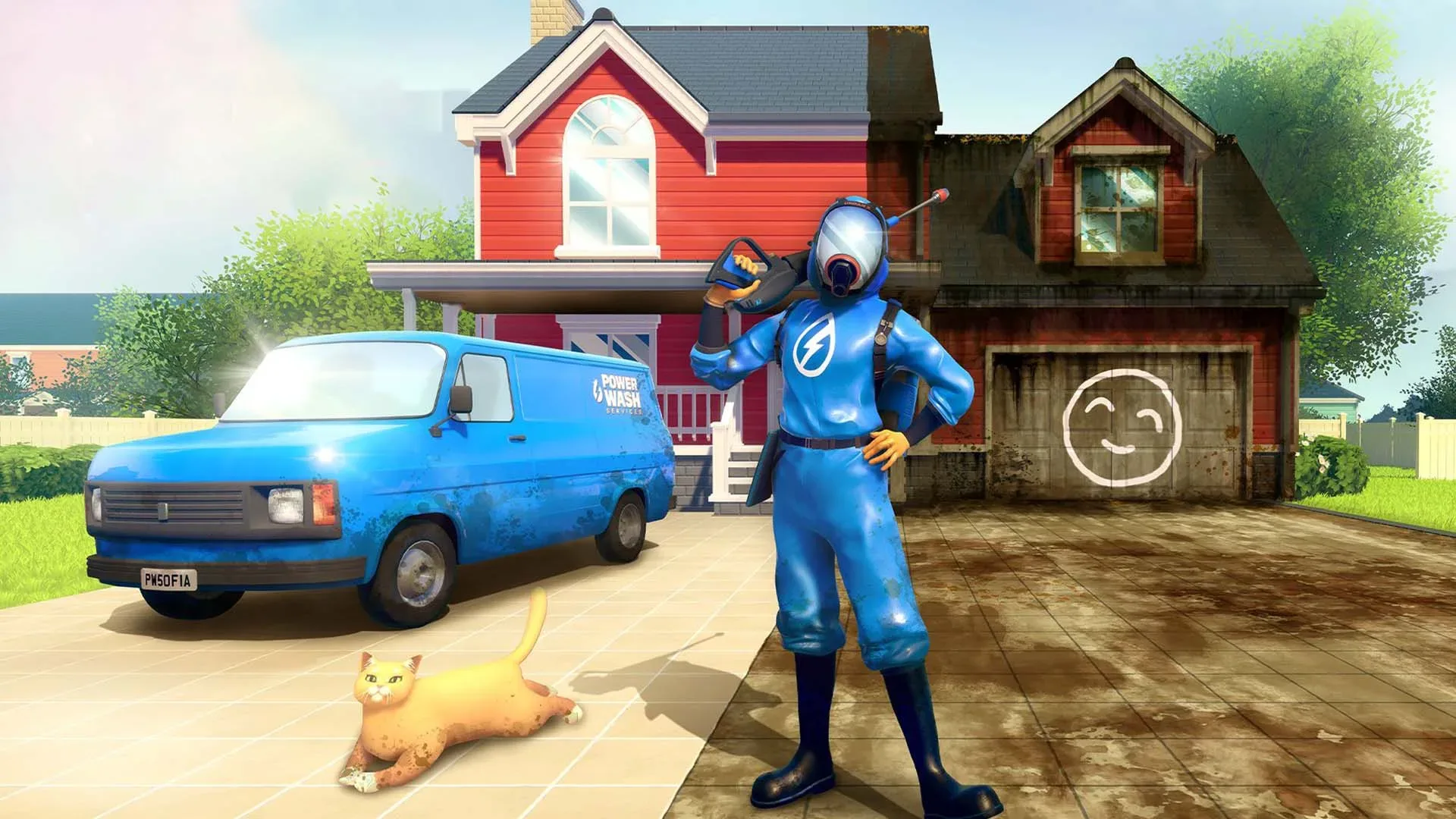
FuturLab, the studio best known for PowerWash Simulator, is reported to have laid off seven developers after canceling an unannounced project that had been in pre-production. The circumstances described around those cuts have attracted attention not only because of the lost jobs, but also because of accounts of the language and internal process allegedly used to communicate them.
The canceled game was reportedly not connected to the pressure-washing series. It was said to be on course to cost more to develop than it was expected to generate, prompting the decision to stop the project before it progressed further. Seven people then lost their jobs as a result.
That is the core business decision as reported: a project was judged financially unviable, it was canceled, and the studio reduced the team attached to it. Yet reports citing people familiar with the situation describe a more complicated and uncomfortable aftermath for workers, managers, and colleagues who remained at FuturLab.
A project stopped in pre-production
Pre-production is where teams establish the foundations of a game: its concept, scope, production plan, technical direction, and the work needed to turn an idea into a finished release. Canceling a project at that stage can prevent a studio from committing even more money and staff time to a plan it no longer believes will work commercially.
That calculation does not make the human result abstract. A cancellation can abruptly end the work of developers who may have been building the project’s early systems, visual direction, design documents, prototypes, or production structure. In this case, the reported outcome was seven layoffs.
The project’s reported lack of any power-washing connection is notable mainly because FuturLab is closely identified with PowerWash Simulator, a game whose straightforward cleaning premise found a wide audience. The studio’s recognizable success does not necessarily mean every prospective project has the same financial outlook, particularly before it has reached a stage where its scale, audience, and likely revenue are clear.
Still, reports of layoffs at a developer associated with a popular game land in a games business already marked by recurring job cuts. For workers, a studio can have a known hit, a dedicated player community, and a new project underway while employment remains vulnerable to changing projections and internal planning.
Claims about who was told, and when
Accounts from sources describe an effort to limit who knew about the layoffs before they were disclosed more broadly. Direct managers and team leads of the affected employees were reportedly not informed in advance. The stated rationale described in those accounts was to avoid placing guilt on those managers and to spare other employees the anxiety of uncertainty about their own roles.
Those are serious claims about an internal communication process, and they should be understood as reports from sources rather than as independently established findings. FuturLab’s reported job cuts and the project cancellation provide the central context; the additional claims concern how employees say the decision reached the people around them.
Keeping line managers out of a layoff process can create its own problems. Managers are often the people expected to support staff, explain shifts in priorities, redistribute unfinished work, and help a team function after a difficult decision. If they receive little warning, they may be left trying to answer immediate questions without context or preparation.
For the people being let go, the absence of a manager who understands the situation can make an already destabilizing meeting feel even more impersonal. For the people staying, it can weaken confidence that leaders will be candid when a project changes course or a future staffing decision is being considered.
There is no painless template for layoffs. Advance information can create uncertainty and risks for a company, while tightly held information can leave teams feeling blindsided. But the reported approach illustrates why the way a company communicates a reduction can become as consequential to workplace trust as the reduction itself.
Why the term ‘leavers’ drew attention
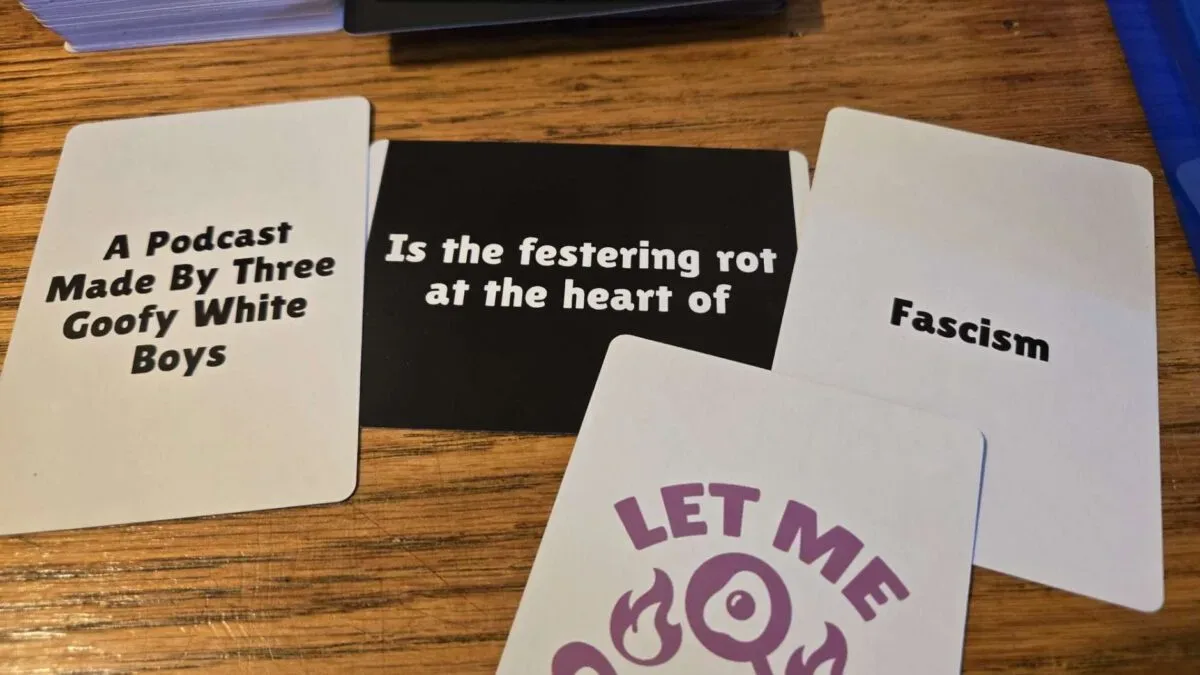
The most striking allegation in the reports is that employees were instructed not to use the word “redundancy” and instead refer to colleagues who had lost their jobs as “the leavers.” The distinction may appear administrative on paper, but it carries a very different implication in ordinary conversation.
A “leaver” commonly suggests someone who chose to depart: perhaps to take another role, change careers, move away, or retire. A redundancy or layoff describes an employer-led decision to eliminate a position or reduce staff. If people were laid off following the cancellation of their project, calling them “leavers” risks obscuring the difference between voluntary departure and involuntary job loss.
Corporate wording is often intended to make difficult messages more manageable. Terms such as “restructuring,” “transition,” “realignment,” and “workforce reduction” can be used to describe events with major consequences for people’s income, routines, professional relationships, and plans. Softer language may reduce the bluntness of a message, but it can also sound as though the organization is more concerned with controlling the emotional temperature or public perception than naming what happened.
That tension is particularly sharp in game development. Studios depend on collaboration, specialized knowledge, and long production cycles. Colleagues may have worked together through prototypes, deadlines, launches, updates, and creative setbacks. When a group is suddenly separated from the studio, euphemisms can feel jarring to the people who knew the work and the workers involved.
The reported terminology matters because it can change how an involuntary job loss is perceived: as a business decision made by an employer, or as an individual choice to leave.
Layoffs leave an effect beyond the departing staff
The seven developers reportedly affected are the people facing the most immediate disruption. But layoffs also shape the experience of those who remain. They may inherit work from a canceled or reorganized project, wonder whether another review is coming, and question whether visible success protects anyone from a future change in plans.
This is one reason studios can face internal and public criticism after workforce cuts even when management argues that a project’s economics demanded action. Players increasingly understand that a successful game does not automatically translate into long-term security for everyone who made it. Workers, meanwhile, see that a company’s published plans can change swiftly when forecasts change.
The result is a trust problem that cannot be fully solved with terminology. Employees want clarity about what happened, what work has changed, how leadership made the decision, and what it means for the people left behind. They also want affected colleagues to be described accurately and treated with dignity rather than folded into a phrase that minimizes the nature of their exit.
FuturLab’s situation is also a reminder that pre-production decisions are not merely portfolio adjustments. They are decisions about teams. When an unannounced game is halted because projected costs outweigh projected returns, the spreadsheet logic may be understandable in a narrow business sense. The consequences, however, arrive in conversations between co-workers, in careers interrupted, and in a workplace’s confidence in its leadership.
The wider industry context
Games industry employment has been defined by uncertainty for many developers, from small teams to larger companies. Canceled games, delayed projects, altered investment priorities, and changes in platform strategy can all affect staffing. A hit release can create momentum, but it cannot guarantee that every new proposal receives the budget or runway necessary to continue.
That reality makes accurate communication especially important. Workers are not likely to be reassured by language that appears designed to avoid the plain meaning of a layoff. Clear wording cannot remove the harm of a job cut, but it can acknowledge the situation honestly and give remaining employees a better basis for understanding what has changed.
It also helps readers separate confirmed essentials from reported details. The reported facts are that FuturLab had a separate project in pre-production, that it was canceled over an unfavorable cost-versus-return projection, and that seven developers were laid off. The accounts concerning managers being excluded from early knowledge and the use of “leavers” describe alleged internal handling that has intensified scrutiny of the decision.
For more on how staffing and creative planning continue to shift across game development, see Rebel Wolves’ search for a lead writer as it considers the next chapter of The Blood of Dawnwalker.
Whatever language is used in a company-wide message, workers who lose their roles after a project cancellation have not simply drifted away. The reported FuturLab cuts involve seven developers whose employment ended because the game they were helping to build was no longer moving forward. That direct reality is the part most worth keeping in view.