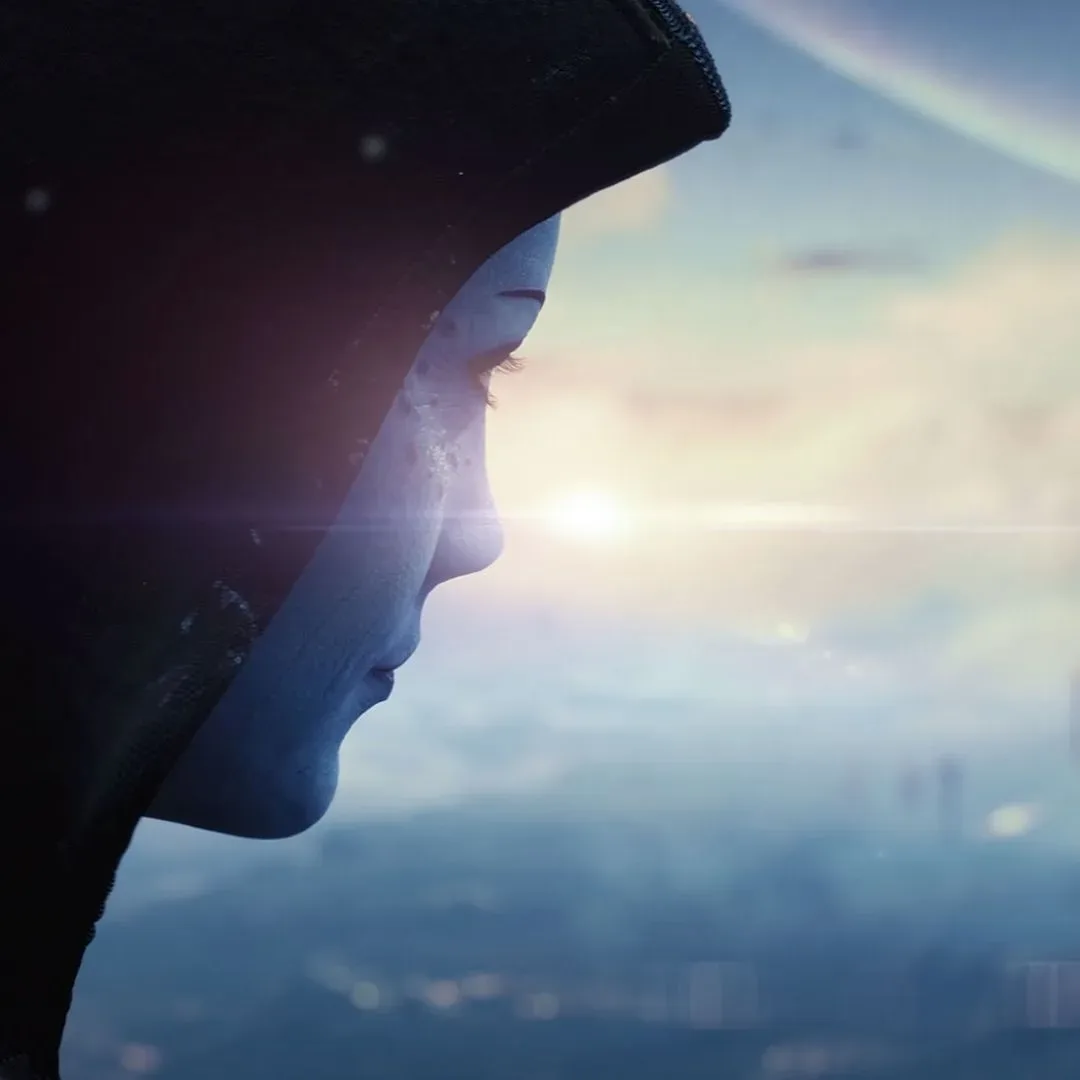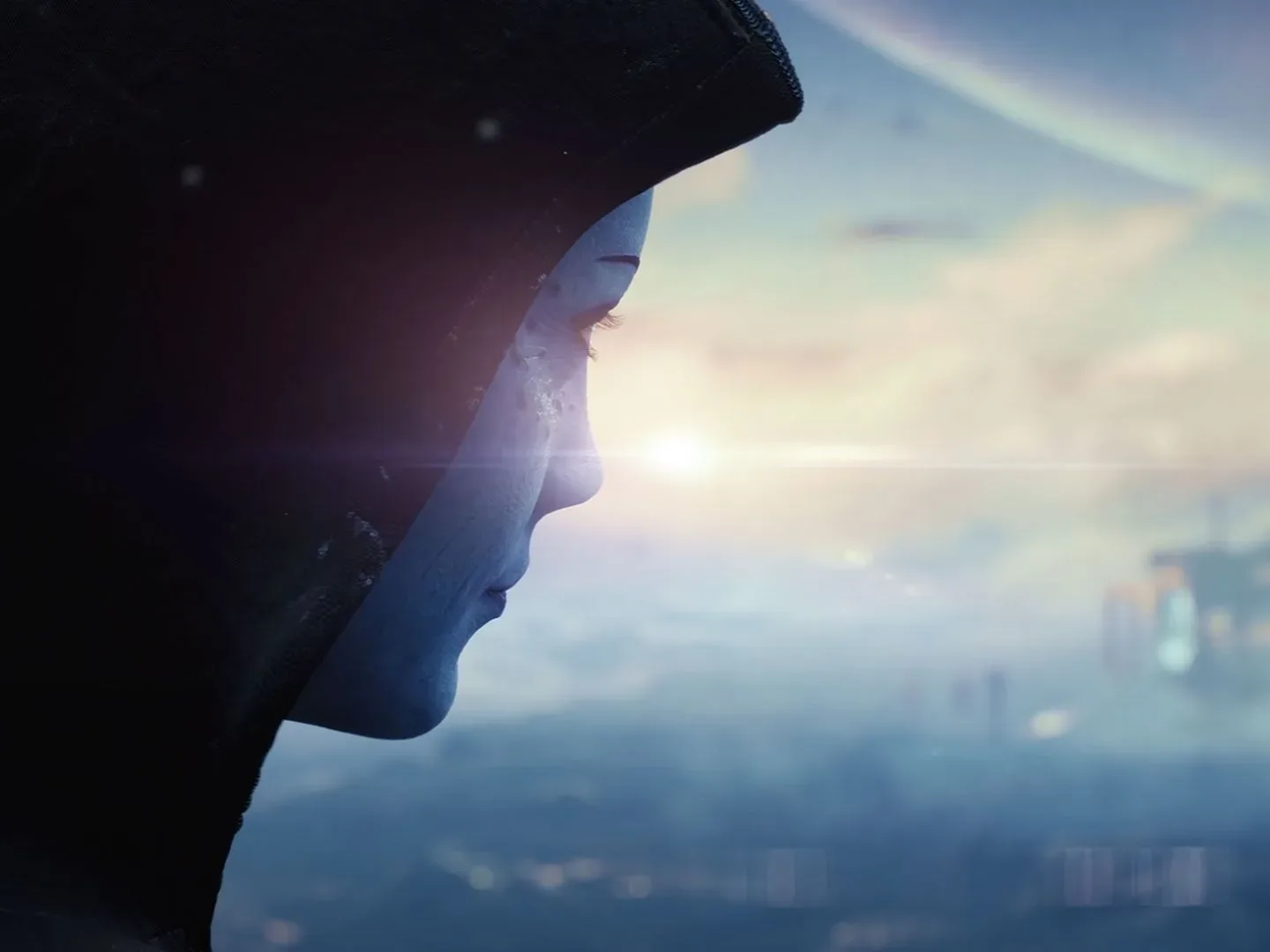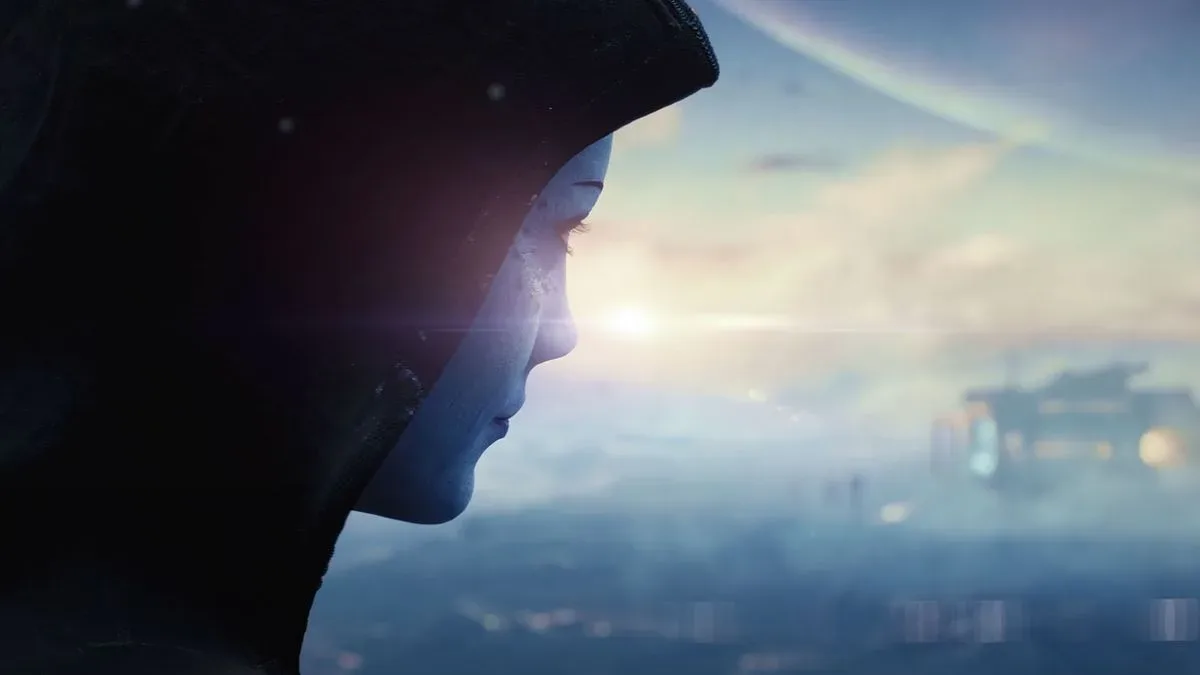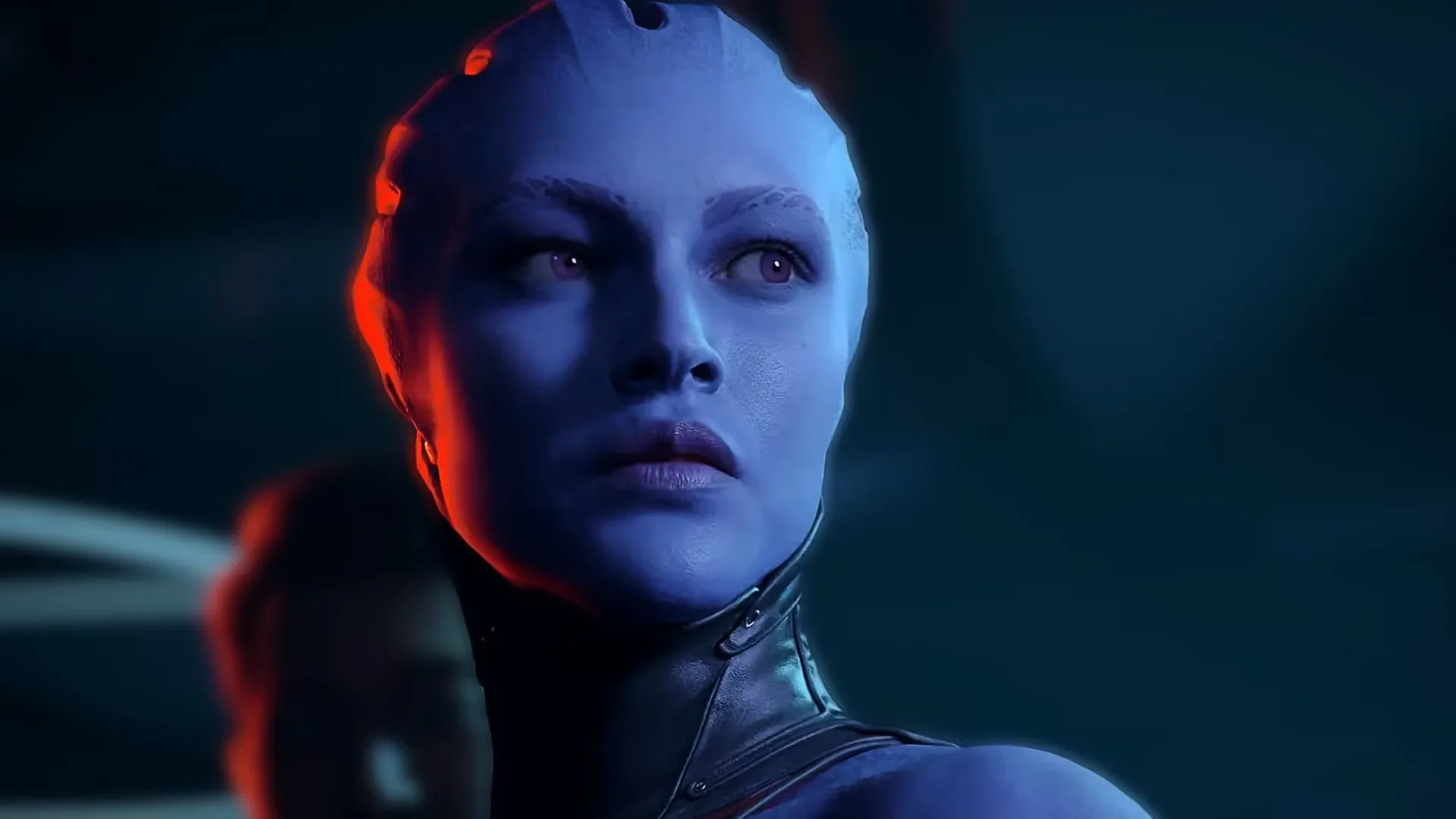
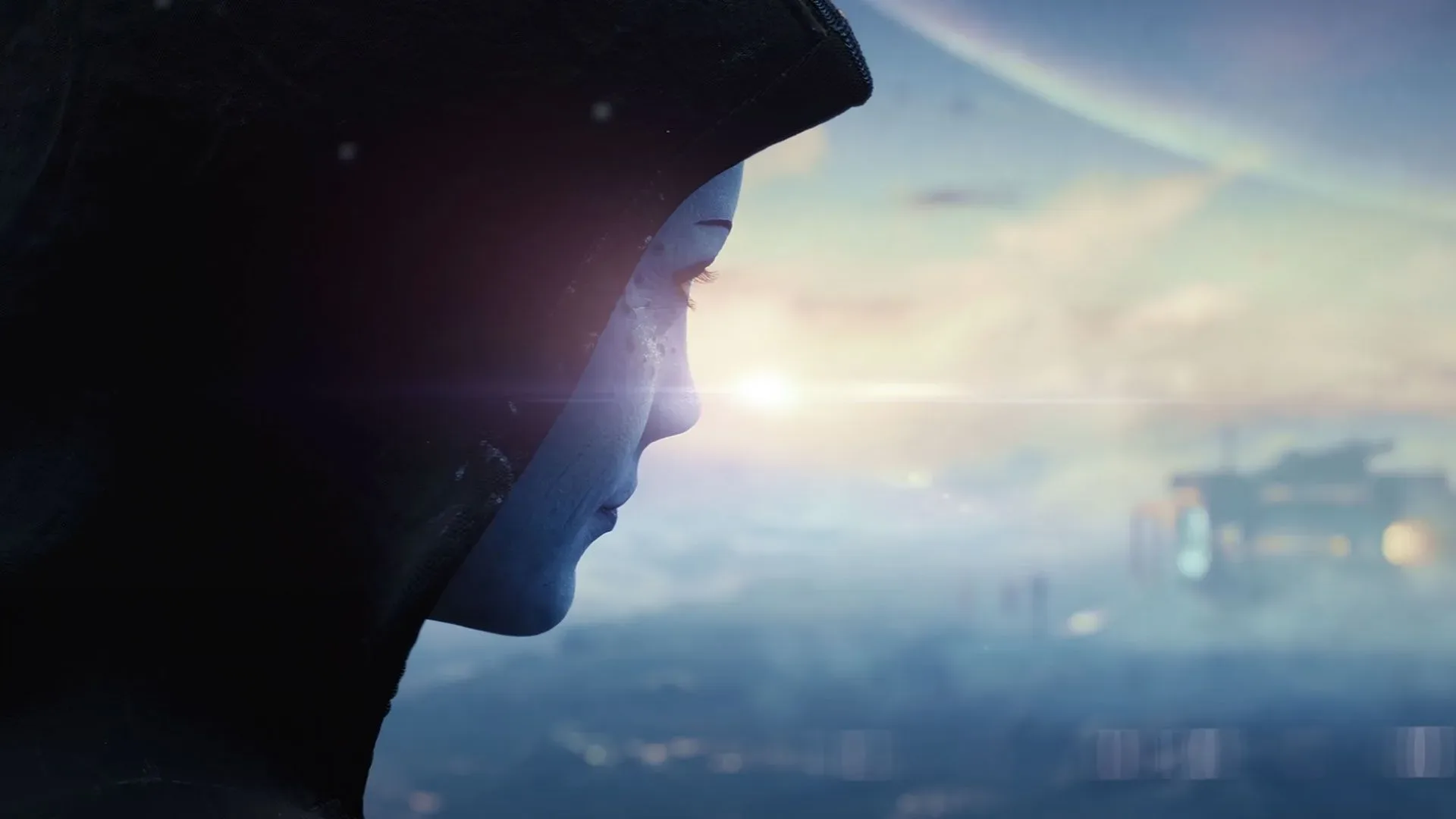
Mass Effect’s next chapter may have been planned as more than a standalone game. Michael Gamble, formerly the project director and executive producer at BioWare, has said that the unmade project internally known as Mass Effect Universe was intended to “complement” Amazon’s planned television adaptation.
The brief response is a meaningful new detail about a project whose wider shape remains uncertain. It does not confirm a shared plot, characters, release schedule, or a direct crossover. But it does indicate that the game and series were being considered alongside one another rather than as entirely separate uses of the same setting.
“Both are meant to complement each other.”
That distinction matters for a series built around player choice. The original Mass Effect trilogy encouraged players to make consequential decisions, and its ending has long prompted debate over which outcomes later stories might recognize. Any effort to place a television series and a new game within a coordinated plan would have needed to address that history carefully.
What “complement” can—and cannot—tell us
“Complement” is broader than “adapt.” It can describe two projects designed to sit beside each other: they may explore different corners of the same fictional universe, share background events, or simply avoid contradicting one another. The wording does not establish that the show was going to retell the game’s story, nor that viewers would need to play a game to understand the series.
It also should not be taken as proof that the show will preserve every concept once considered for the game. Large productions change over time, and the supplied information offers no detailed outline of either project’s plot. What Gamble’s comment does provide is evidence of an intended relationship between the two efforts during the period when Mass Effect Universe was in development.
For fans, that is more informative than a vague statement that multiple Mass Effect projects existed at once. It suggests some degree of narrative coordination: a practical process in which teams keep track of major story decisions, lore, settings, and character plans so one project does not undermine the other.
The multiverse question and player choice
Previous details connected to the cancelled game have indicated that it may have involved a multiverse and movement between timelines. The precise mechanics were not disclosed, so it remains unknown whether this would have been a central gameplay system, a story device, or merely a framework for certain events.
Related coverage includes Mass Effect Universe Was Intended to Complement Amazon's Planned TV Series, Former BioWare Lead Says.
A multiverse, in this context, means multiple timelines or alternate versions of events existing within the fiction. It is often useful to franchises with branching narratives because it can acknowledge conflicting outcomes without requiring one to erase the others. That potential is especially notable for Mass Effect, where different players can carry forward different versions of key decisions.
If the concept had been used this way, it could have allowed the game to treat more than one original-trilogy outcome as valid somewhere in the larger setting. That is an interpretation of the reported multiverse premise, not a confirmed design document. No specifics have been provided on how timeline travel would work, what choices it would include, or whether the television series would engage with it at all.
Still, the possibility helps explain why coordination with a television project could have been attractive. A show generally needs a clear, accessible dramatic throughline, while a role-playing game can accommodate player-authored variation. A shared-universe approach could potentially let each medium lean into its own strengths: the series could tell one focused story, while the game could explore choice, consequence, and alternate paths. That remains analysis rather than an announced plan.
Where the game stands
The project referred to internally as Mass Effect Universe is described as having gone away with BioWare’s closure. As a result, Gamble’s comments should be read as a glimpse at an intended direction rather than a confirmation of an upcoming game.
That difference is important amid online speculation that the TV series could somehow lead to the game being revived. Nothing in the available information confirms a revival, a new developer, a revised version of the project, or a release plan. The statement establishes a past creative intention; it does not announce a future production decision.
There is also no reason to assume every element considered for the game would automatically transfer to television. Development concepts can be exploratory, and a cancelled project’s internal ideas do not necessarily become franchise canon. Until a production formally establishes them, notions such as the multiverse should be treated as reported plans rather than settled facts about Mass Effect’s future.
What is known about Amazon’s adaptation
Amazon and MGM announced the Mass Effect television production in 2024. Public detail has been limited since then, although the project is described as still moving forward with Doug Jung and Daniel Casey attached as showrunners.
A showrunner is a senior creative and production leadership role in television. In broad terms, showrunners guide a series’ storytelling direction while helping oversee its development and production. Their involvement signals that the adaptation has creative leadership attached, but it does not provide a premiere date, cast, episode count, story premise, or confirmation of which part of the Mass Effect universe the series will cover.
That lack of detail leaves substantial open questions. The adaptation could follow familiar characters, create a new ensemble, focus on a different era, or use the setting as a backdrop for an original story. None of those possibilities has been confirmed in the supplied information. Likewise, it is unknown whether the series’ current form remains connected to the specific game plans Gamble discussed.
The entertainment landscape has made a large-scale game adaptation a less unusual proposition than it once was. That does not guarantee the Mass Effect series will reach screens, but it helps explain why interest has remained high despite the limited official detail. For another look at how streaming success is measured—and why headline rankings can require context—see this breakdown of streaming viewership metrics.
Why this matters to Mass Effect fans
The key takeaway is not that a Mass Effect game-and-TV universe has been confirmed for release. It has not. Rather, a former senior figure on the game has described an approach in which the planned game and television adaptation were meant to reinforce each other.
For a franchise with an unusually personal relationship to continuity, that is a tantalizing idea. Players do not merely remember broad plot points; many remember the decisions they made and the particular version of the galaxy those decisions created. A future project that acknowledges that investment without forcing every player into one declared path would face a difficult creative challenge.
The reported multiverse angle may have been one possible answer to that challenge. It could have offered room for multiple outcomes while preserving a route into new stories. But the details needed to judge that approach—the rules, characters, stakes, and connection to the show—were never made public.
For now, the television adaptation is the visible path forward for Mass Effect, while Mass Effect Universe remains an unrealized project with only fragments of its design publicly discussed. Gamble’s comment adds one of the more consequential fragments yet: at one point, the game and show were not simply parallel franchise projects. They were intended to fit together.