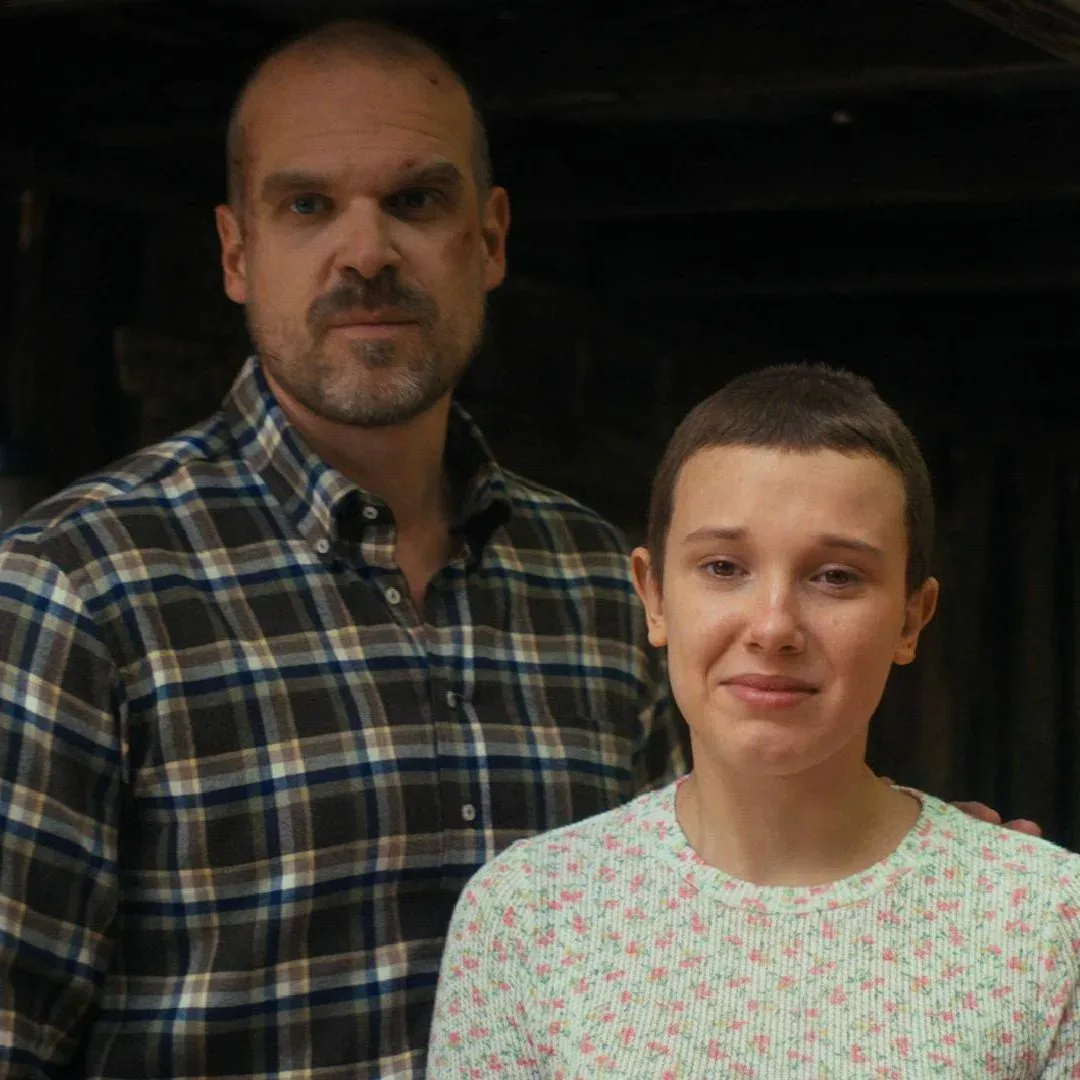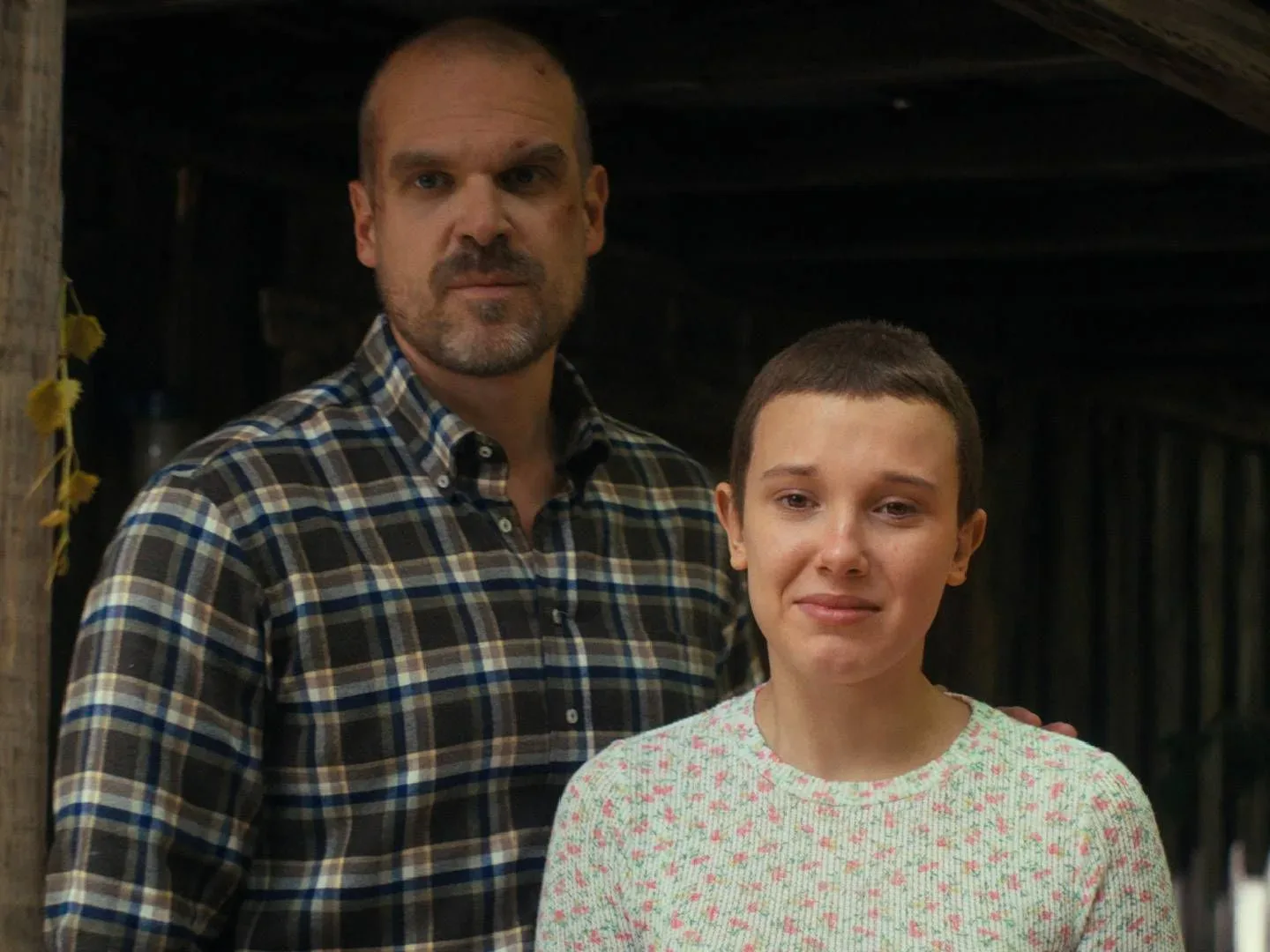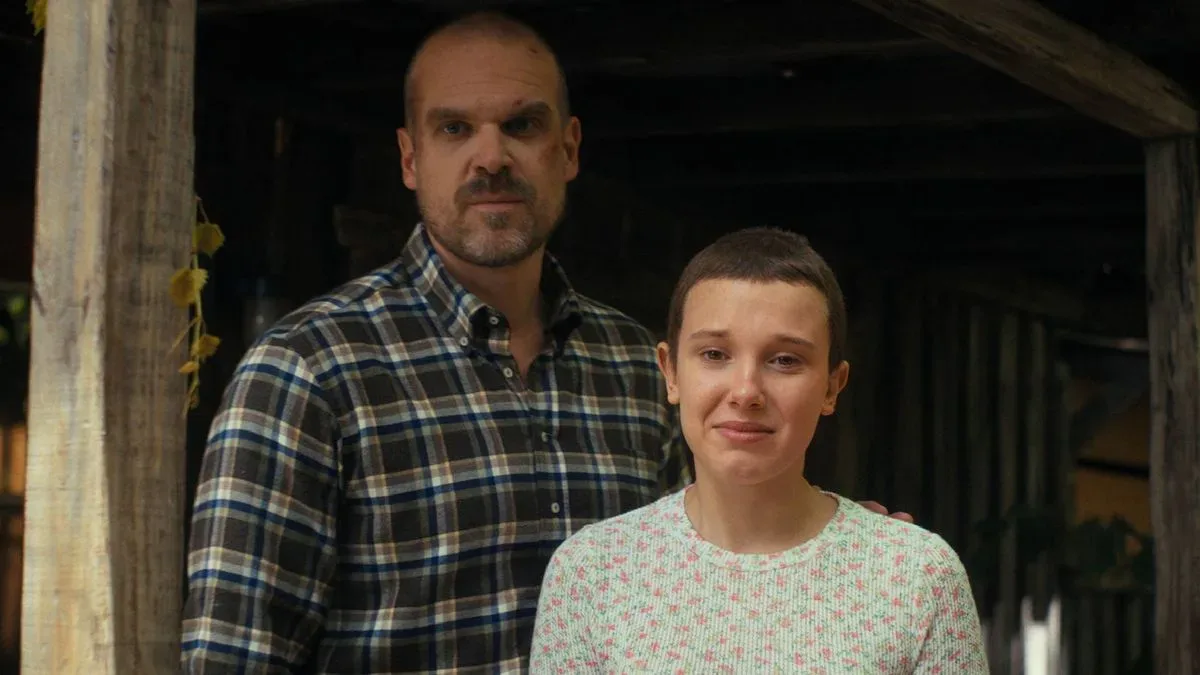
Stranger Things may be one of streaming’s defining sci-fi hits, but it does not sit in the top five of a newly reported ranking of the most-watched streaming television shows since 2020. The series is sixth with 145.24 million minutes viewed, behind Grey’s Anatomy, NCIS, Bluey, Criminal Minds, and Cocomelon.
At first glance, that result can look counterintuitive. The main Stranger Things story concluded with season 5 earlier in 2026, and the show remains a major Netflix fixture. Its fourth and fifth seasons are both listed among Netflix’s top 10 English-language shows of all time. But the ranking is a measurement of accumulated streaming watch time, not a vote on which program generated the greatest cultural impact, the largest opening weekend, or the most intense fandom.
That distinction is the key to reading the list. Total minutes watched favor programs with enormous episode libraries and formats that people can watch repeatedly, casually, or out of order. In other words: a show does not need an Upside Down-sized fandom to pile up an Upside Down-sized total.
The reported top 10
The reported ranking puts Grey’s Anatomy first, with 246.55 million streaming minutes watched since 2020. NCIS follows, then Bluey, Criminal Minds, and Cocomelon. Stranger Things takes sixth place at 145.24 million minutes.
The remaining four spots go to Supernatural, SpongeBob SquarePants, Family Guy, and The Big Bang Theory. It is a lineup dominated by long-running dramas, children’s programming, animation, and sitcoms rather than a straightforward list of the decade’s splashiest new prestige releases.
- 1. Grey’s Anatomy — 246.55 million minutes
- 2. NCIS
- 3. Bluey
- 4. Criminal Minds
- 5. Cocomelon
- 6. Stranger Things — 145.24 million minutes
- 7. Supernatural
- 8. SpongeBob SquarePants
- 9. Family Guy
- 10. The Big Bang Theory
The absence of other conspicuous recent hits is therefore less of a verdict on their audience appeal than it is a reminder that this particular measure rewards a very specific kind of television longevity.
What “minutes watched” actually measures
Watch time is an aggregate measure: every minute spent viewing a program contributes to its total. It is useful for showing how much time audiences collectively devote to a title, but it is not interchangeable with the number of individual viewers. Nor does it reveal whether the viewing was a first watch, a rewatch, background viewing, or a child returning to the same episode many times.
That is why a comparison between an ongoing procedural and a tightly serialized genre drama has to account for the size of each catalog. Grey’s Anatomy has 23 seasons and 470 episodes, while NCIS has 24 seasons and 511 episodes. Each additional episode creates another possible viewing session. Over several years, that depth is an enormous structural advantage.
Stranger Things, by contrast, is a finite narrative with a far smaller pool of episodes. A viewer can love it, recommend it, watch a new season immediately, and discuss it for weeks without generating the same lifetime total as someone steadily working through hundreds of episodes of medical or crime drama.
That does not make the metric meaningless. It simply means that total minutes are best understood as a combination of audience size, episode supply, repeat viewing, and how easily a show fits into day-to-day routines. A ranking built on that combination will naturally elevate different programs than one based on a season launch, social-media attention, or a single period of viewing.
Comfort viewing has a mathematical advantage
Several titles ahead of Stranger Things share qualities that make them particularly suited to repeat or drop-in viewing. Medical and police dramas often use episode-level stories that can be followed even if someone has missed earlier installments. Animated comedy and children’s programming can also be returned to frequently, sometimes in short sessions and sometimes as familiar background entertainment.
That is not a criticism of those shows. It is an explanation for why their streaming totals can become so large. A viewer folding laundry, making dinner, or looking for a dependable half-hour can put on a familiar program without needing to remember the precise state of a larger plot. The episode library does much of the work.
Stranger Things asks for a different kind of attention. Its science-fiction story is serialized, meaning events and character developments build across episodes and seasons. The show can certainly be rewatched, but it is less naturally treated as a random-access comfort program. Starting in the middle is more difficult when the appeal depends on retaining what has happened in Hawkins and how its supernatural threat has escalated.
For that reason, sixth place is not necessarily an unexpectedly weak result. It may be a notably strong one for a show whose experience is designed around continuity and a finite central storyline, especially when it is competing with series built from hundreds of episodes.
Recent buzz and long-term consumption are different races
The ranking also helps separate two ideas that are often blended together: being a massive contemporary event and becoming a durable streaming habit. Newer shows can dominate conversation when they arrive, inspire fan theories and cosplay, and produce an intense burst of viewing. Yet they may not have the catalog scale needed to compete in a cumulative, multi-year minutes race with a program that has decades’ worth of episodes available.
That framing offers a sensible explanation for why prominent shows from the past six years, including House of the Dragon and Wednesday, do not appear in this particular top 10. The list should not be read as proof that audiences ignored them. Rather, their absence illustrates the advantage held by deep libraries and highly repeatable formats when the scoreboard is total streaming time since 2020.
Stranger Things occupies an unusual middle ground. It has the fan intensity, franchise identity, and event-level profile usually associated with newer streaming originals, but it has now existed long enough to accumulate substantial viewing across multiple seasons. Its sixth-place position, and the 145.24 million minutes attached to it, show that it has remained a significant long-term performer even if its format does not maximize the specific behaviors this ranking rewards.
The Hawkins story may have ended, but the franchise has not
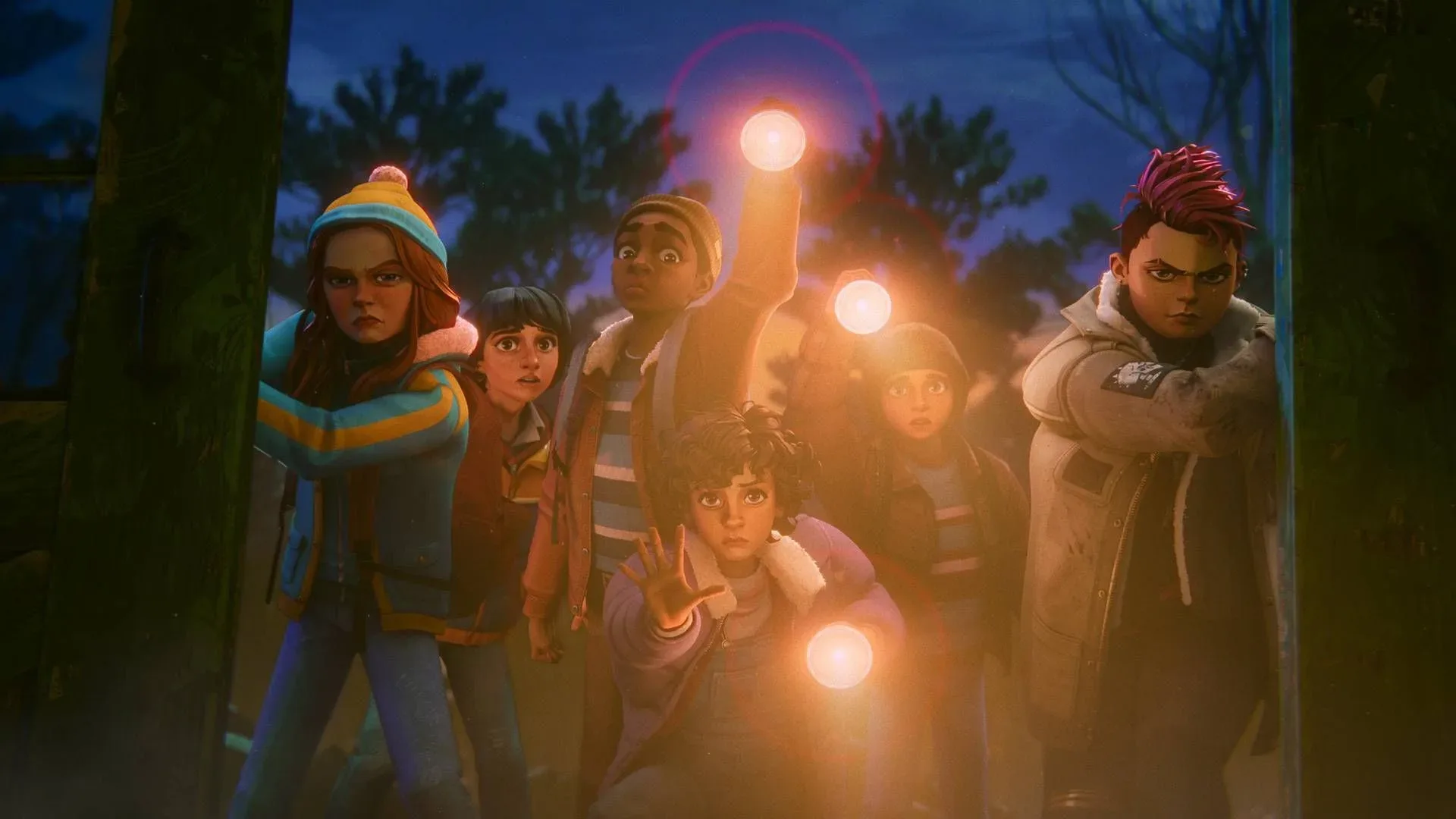
Season 5 brought the main series to a close earlier this year, but Netflix has multiple Stranger Things projects in development. The animated series Stranger Things: Tales from ’85 is set to receive a second season. Another project, the 1950s-set prequel Other Worlds: A Stranger Things Adventure, is due to arrive on Netflix in 2028.
Those projects matter because they extend the franchise beyond the conclusion of its original plot. They also give viewers more entry points than a single finished series can provide: animation offers one format, while a prequel explores a different period in the setting’s history. What their eventual viewing totals will look like is unknowable, and no conclusion about their reception should be drawn in advance. Still, their existence makes clear that the end of season 5 is not the end of Netflix’s plans for the property.
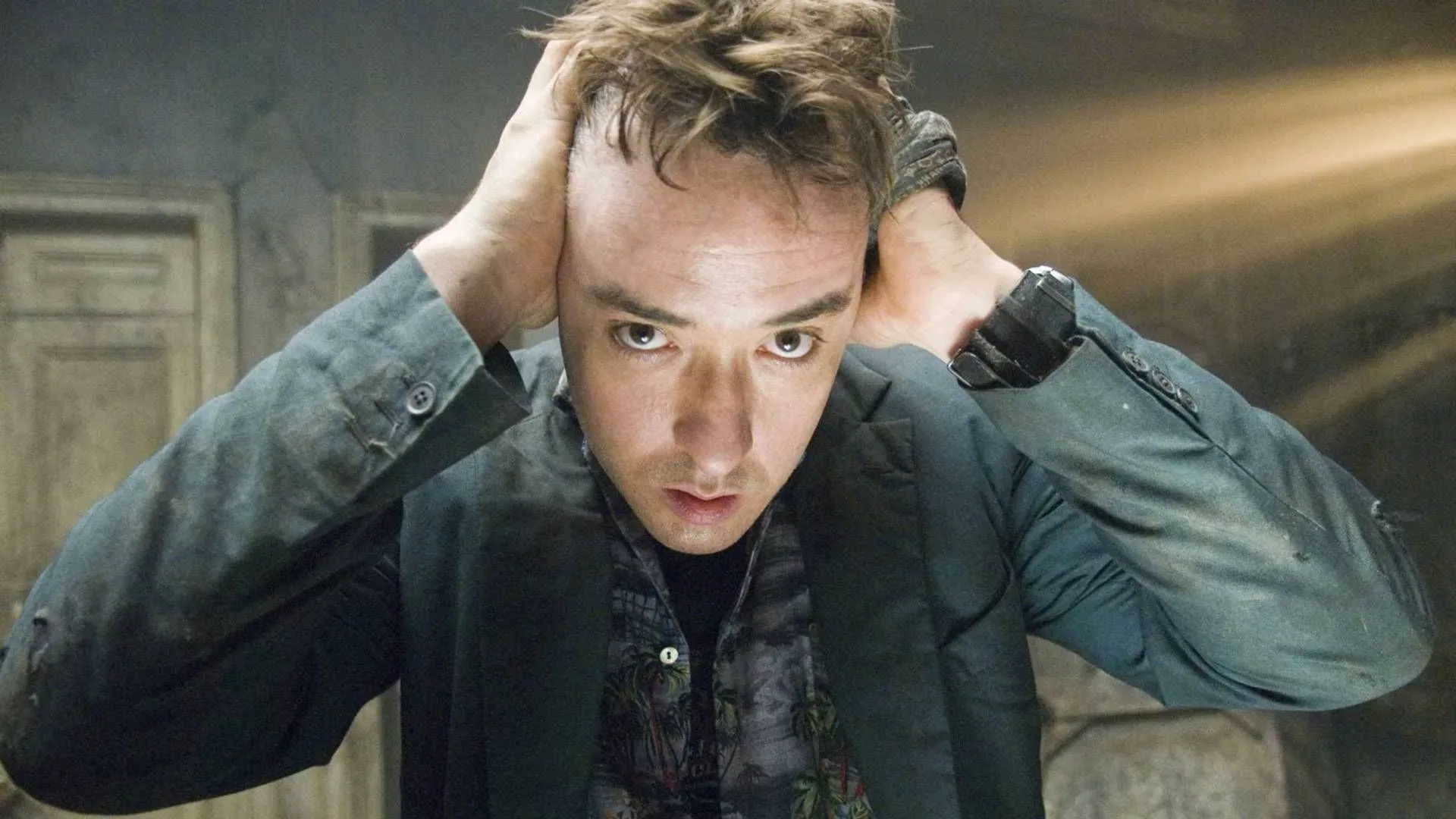
The wider cast also continues to appear in projects beyond Hawkins. Natalia Dyer, for example, is attached to an upcoming sequel to 1408, alongside John Cusack, Samuel L. Jackson, and Elijah Wood.
Why sixth place is a more nuanced result than it sounds
There is a temptation to turn every streaming ranking into a clean win-or-loss argument. Under that reading, missing the top five would sound like a disappointment for a series with the visibility of Stranger Things. The available numbers point to a more interesting conclusion.
The shows above it benefit from qualities that compound watch time: exceptionally large episode counts, easy re-entry, family viewing, short-form repeatability, or all of the above. Stranger Things has a different strength. It remains a heavily watched serialized sci-fi drama, its later seasons stand among Netflix’s biggest English-language titles, and its universe is continuing through new projects after the central series has ended.
For viewers, the practical lesson is simple: streaming leaderboards answer only the question they are designed to answer. Total minutes reveal sustained consumption. They cannot, on their own, settle arguments about quality, influence, passion, or which show felt biggest at a particular moment. On this scoreboard, familiar television with lots of episodes is exceptionally hard to beat. Hawkins made a formidable run anyway.