Firaxis Games is cutting 60 jobs in a restructuring that will reduce the strategy specialist’s workforce by roughly one-third. Studio head Heather Hazen is also departing, creating a substantial leadership and staffing change for the team behind Civilization.
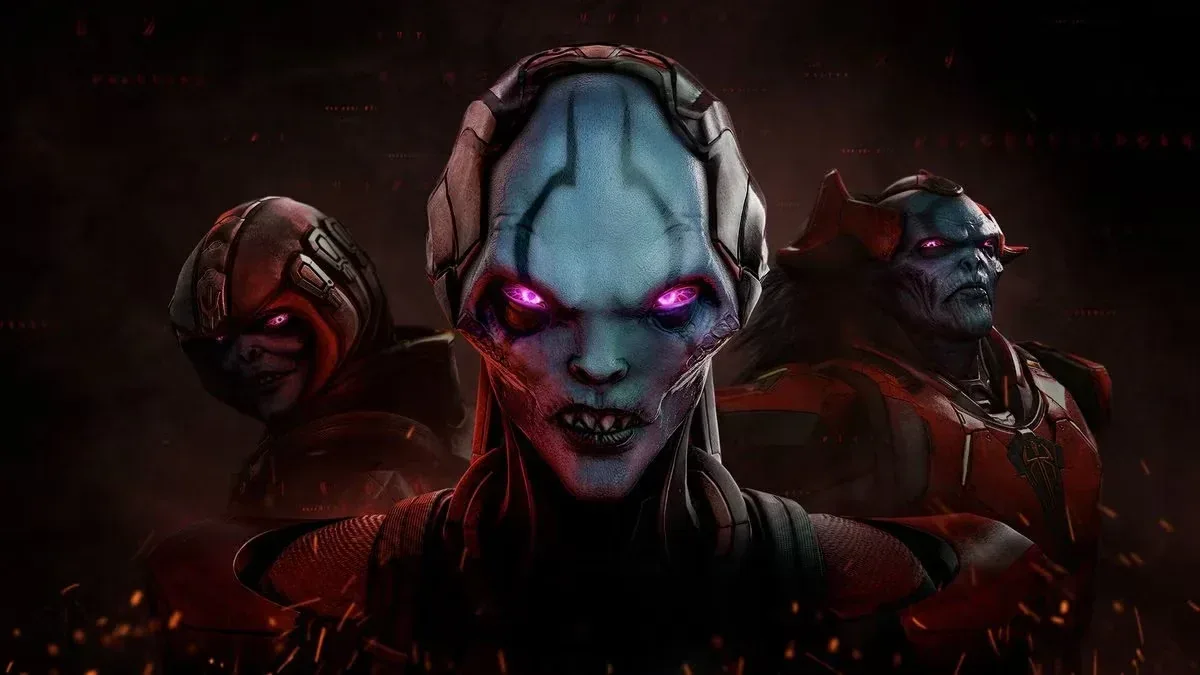
The reduction comes amid reports that an unannounced new XCOM project has had difficulty meeting internal development milestones. Because the game has not been formally revealed, important particulars—including its platform plans, release timing, scope and even what form a changed direction could take—remain unconfirmed.
In a statement, 2K said Firaxis is being recentered on its principal strength: strategy-game design. The company said the smaller organization will concentrate on design, technology and the player experience, while acknowledging the departure of employees who helped build the studio.
That language establishes the broad aim of the restructuring, but it does not make the human impact any less significant. A cut affecting about a third of a studio is more than a departmental trim; it can alter how projects are staffed, how institutional knowledge is retained, and how much parallel work a team can realistically support. With Hazen leaving as well, Firaxis must manage both a reduction in capacity and a leadership transition.
What the reported XCOM milestone issue means
In game development, a milestone is an internal checkpoint used to judge whether a project is progressing as planned. It may assess a playable build, the completion of a major system, production readiness, technical performance, content targets or the state of a broader slice of the game. Missing one does not automatically mean a project is cancelled. It does, however, signal that the work may need more time, more resources, a narrower scope, a reworked plan, or some mixture of those responses.
That distinction matters in this case. The available reporting points to a project struggling with internal targets and says the changes could bring a new direction. It does not establish that a new XCOM has been cancelled, delayed to a particular date, moved to another studio or remade in any specific way. Until an official announcement supplies those details, the most accurate reading is that the project’s status is uncertain.
A leadership departure can add another layer of uncertainty. Studio heads are involved in setting creative priorities, staffing approaches and the way teams communicate with a publisher. A successor may retain the existing plan, but a transition can also lead to a review of which projects best fit the studio’s revised goals. There is not enough confirmed information to say what will happen to the reported XCOM game; the combination of milestone concerns, layoffs and a leadership change simply makes it a major point to watch.
Firaxis is being asked to refocus while Civilization 7 is still evolving
Firaxis’ most recent release is Civilization 7, which launched in early 2025. The game has continued to receive updates as the developers work through feedback from early players and longtime series followers. Nearly two years after release, its Steam user rating is listed at 51% positive.
Related coverage includes Firaxis Games Restructures as Reported New XCOM Project Misses Internal Milestones.
That figure is useful context, but it needs careful interpretation. A Steam user rating reflects the share of posted user reviews categorized as positive on that storefront. It is a signal of player sentiment among people who chose to review the game there, not a full accounting of every player’s view, every platform, or the game’s commercial performance.
Still, the percentage aligns with the broader challenge Firaxis has faced: convincing a devoted strategy audience that major changes to a long-running formula improve the experience rather than discard what made it work. Strategy games often have communities that invest hundreds or thousands of hours learning systems, debating optimal choices and developing personal expectations for a sequel. Changes to a game’s core structure are therefore felt especially sharply.
Take-Two CEO Strauss Zelnick previously said the company had pushed Civilization 7 too far from what consumers wanted, while also describing the game as profitable. He said Firaxis had made fixes and would keep making them. That leaves two realities standing at once: Civilization 7 is a profitable enterprise for its owner, and its reception has nonetheless required sustained repair work.
For Firaxis, “recentring” on design, technology and player experience will be measured against that backdrop. The phrase can encompass many choices, from giving teams clearer priorities to placing greater emphasis on feedback and stability. The company has not laid out a detailed public roadmap for how the staffing reduction will affect ongoing Civilization 7 updates or the reported new XCOM project, so readers should be wary of treating the restructuring statement as a complete project plan.
The difficult balance behind a sequel
Zelnick framed the Civilization 7 situation as an attempt to solve a familiar sequel problem: make enough meaningful changes to justify a new game without alienating fans who value the existing series identity. His assessment was blunt that the balance had not been achieved from the consumer’s perspective.
That is particularly relevant to a studio identified so closely with strategy games. The genre is not only about a theme or presentation; it is shaped by interlocking rules. Small-looking decisions can affect the entire play experience, including pacing, strategy, progression and the reasons players return for another match or campaign. Players who enjoy one set of systems may not be reassured merely by a promise of novelty elsewhere.
It is also why live updates matter. Patches and other revisions can respond to complaints, refine contentious mechanics and rebuild trust over time. But they require people with knowledge of the game’s design, technology and player feedback. A smaller team may have sharper focus, as the company suggests, while also having fewer hands available to maintain a released game and advance future work. That is a practical tension, not proof of a particular outcome.
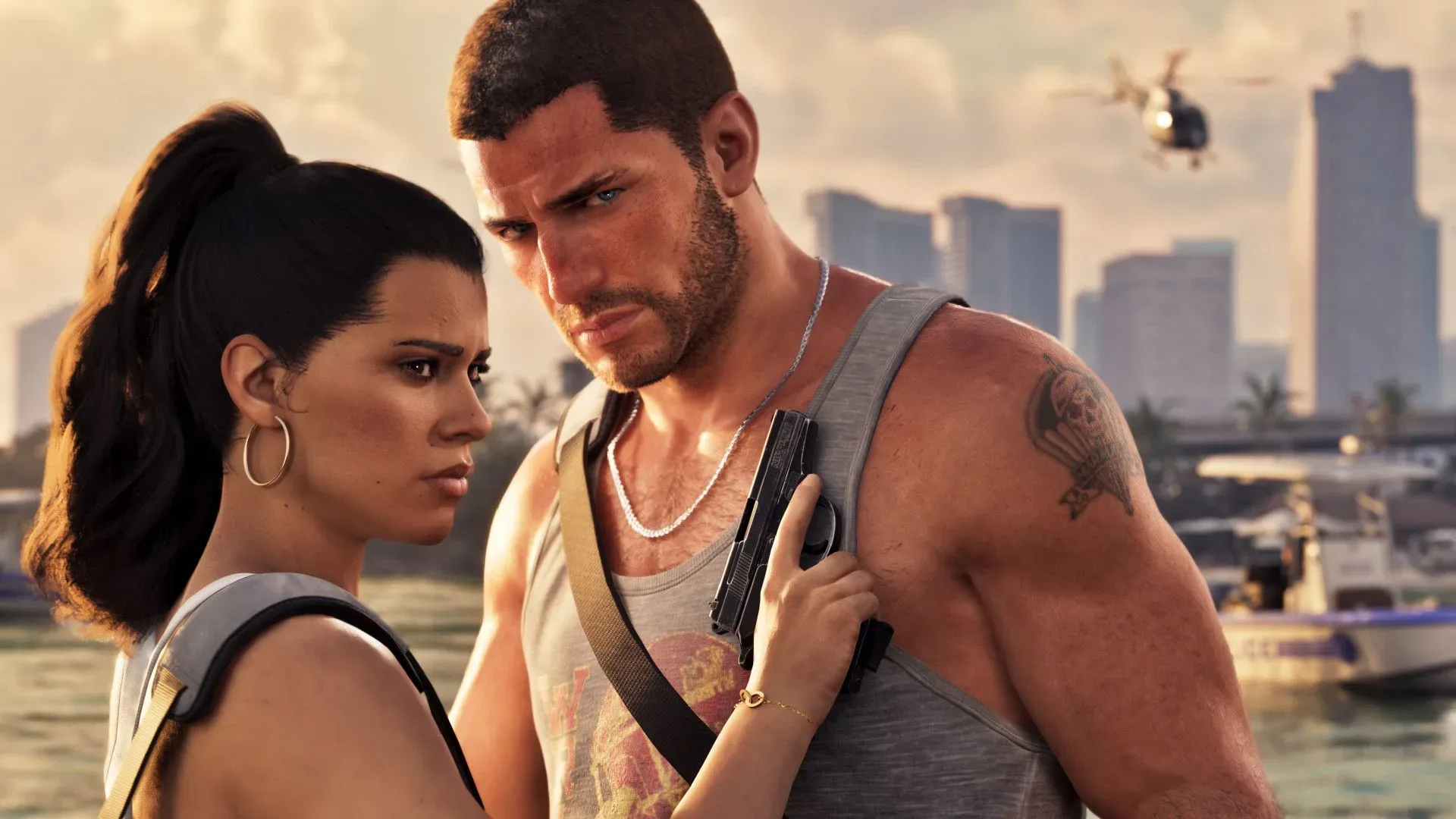
The broader industry context is also hard to ignore. Firaxis sits under the same parent company as the publisher behind Grand Theft Auto 6, whose launch is expected to generate billions. The contrast between a blockbuster release window and layoffs at a strategy studio can make for an uncomfortable headline, but the supplied information does not establish that one event caused the other. The confirmed point is ownership under the same parent company, alongside Firaxis’ decision to restructure around its stated core focus.
Firaxis is not alone in facing an industry climate defined by layoffs and dwindling trust in broad corporate assurances; that wider pattern has been documented in accounts from Black game developers navigating layoffs and low trust. For employees leaving the studio, the immediate story is the loss of roles. For players, the questions are whether ongoing Civilization 7 support continues at a meaningful pace and whether the next XCOM, if and when it is revealed, emerges from this period intact.
What is confirmed, and what remains open
- Confirmed: Firaxis is laying off 60 people, a reduction of roughly one-third of the studio.
- Confirmed: Heather Hazen is leaving her role as Firaxis studio head.
- Confirmed: 2K says the restructuring is intended to focus Firaxis on strategy-game design, technology and player experience.
- Confirmed: Civilization 7 has received continued updates since its early-2025 launch and holds a 51% positive user rating on Steam.
- Reported, not formally announced: A new XCOM game exists and has missed internal development milestones.
- Unknown: The reported project’s official title, release plans, direction, staffing impact and whether the restructuring changes its eventual form.
Firaxis’ next chapter will be judged on more than a corporate statement. The studio now needs to support a Civilization sequel still being refined, establish its leadership after Hazen’s exit, and clarify its future slate when it is ready to do so. For a team whose identity is tied to long-running strategy franchises, the stakes of getting that balance right are unusually clear.