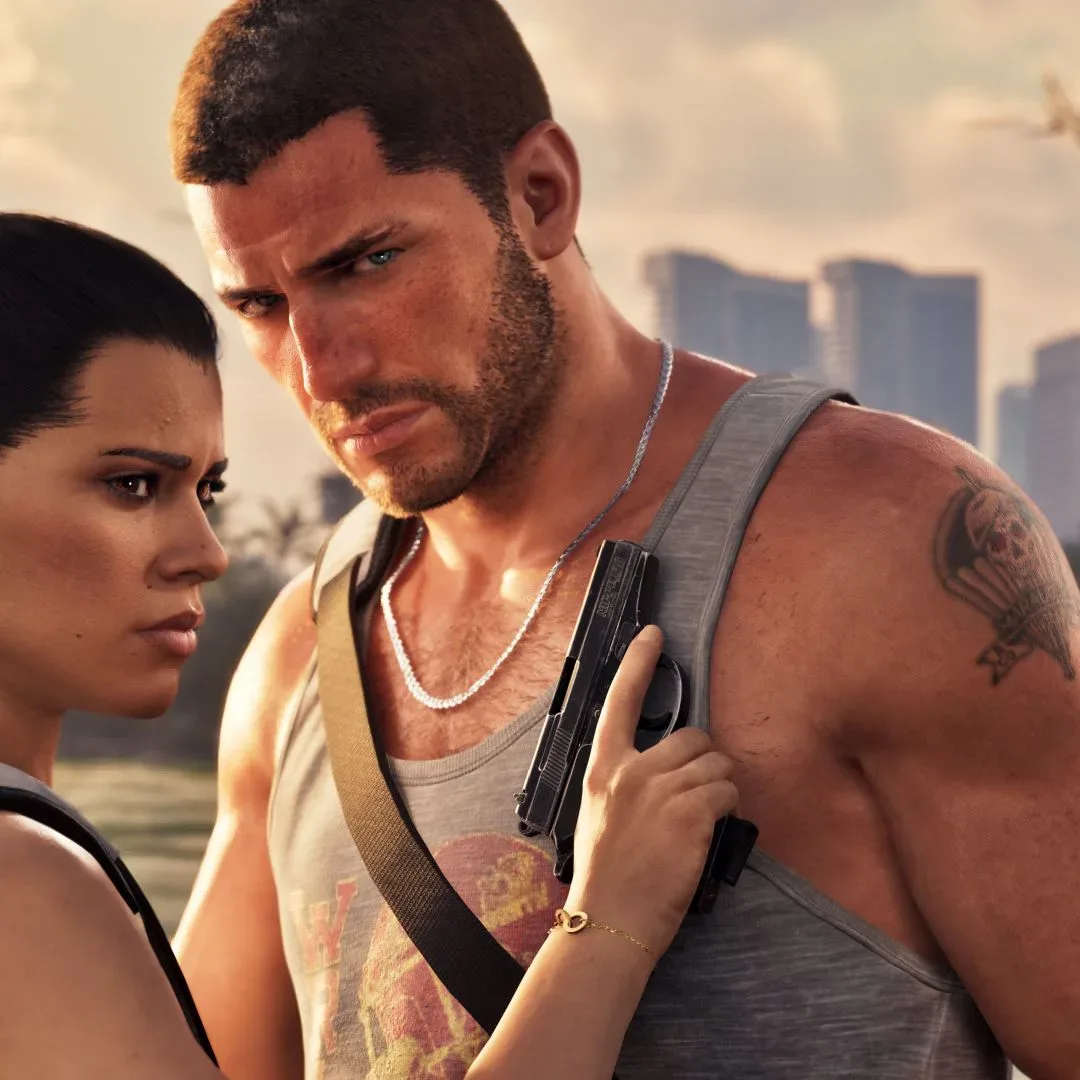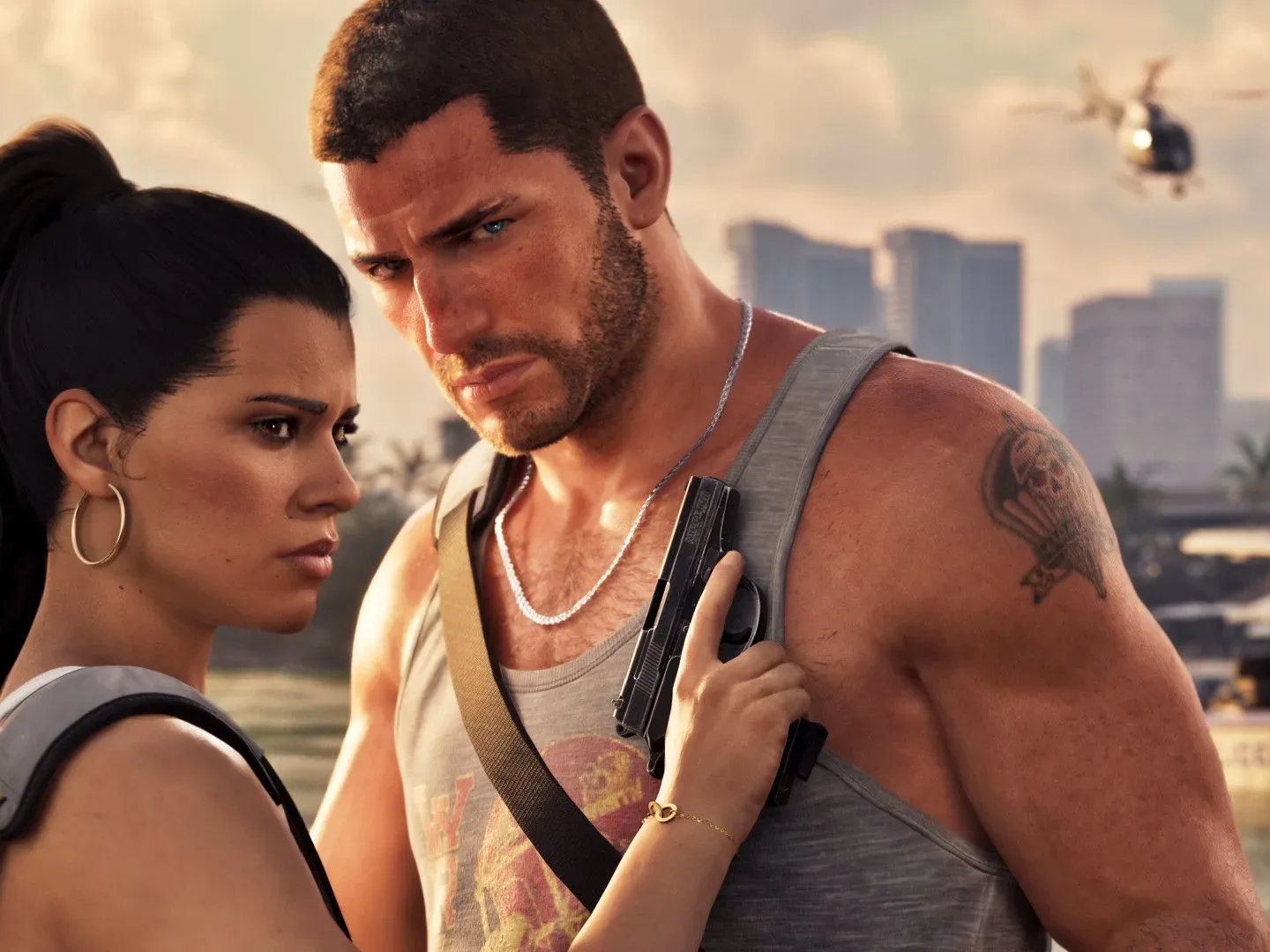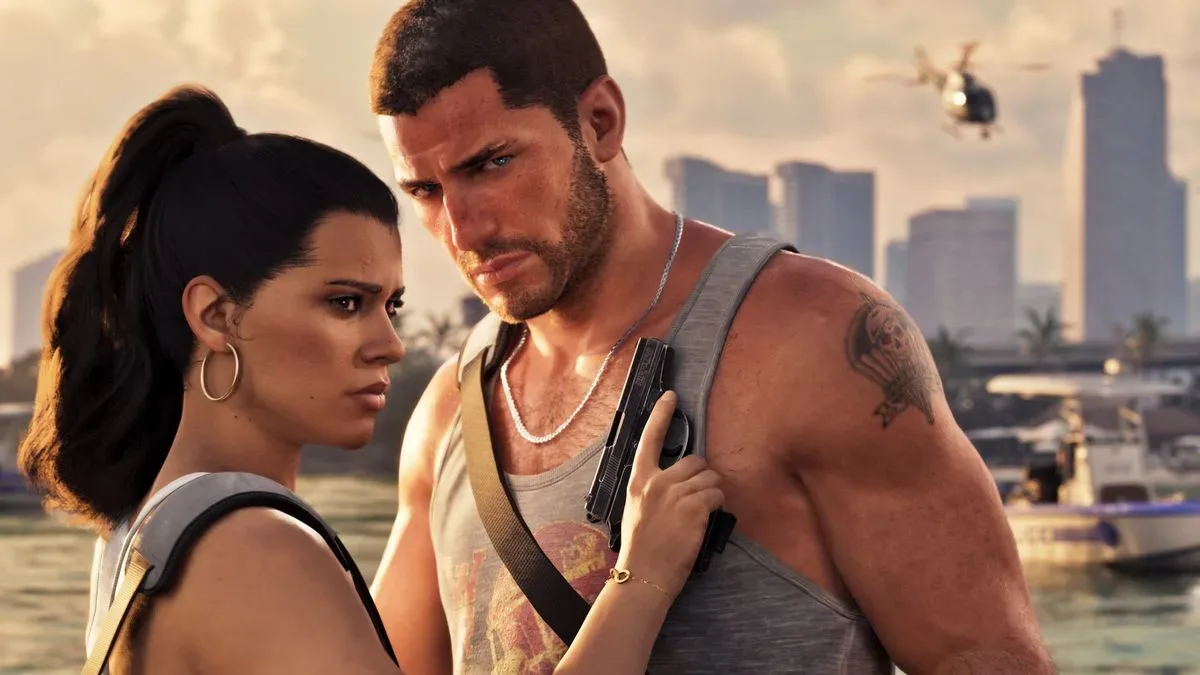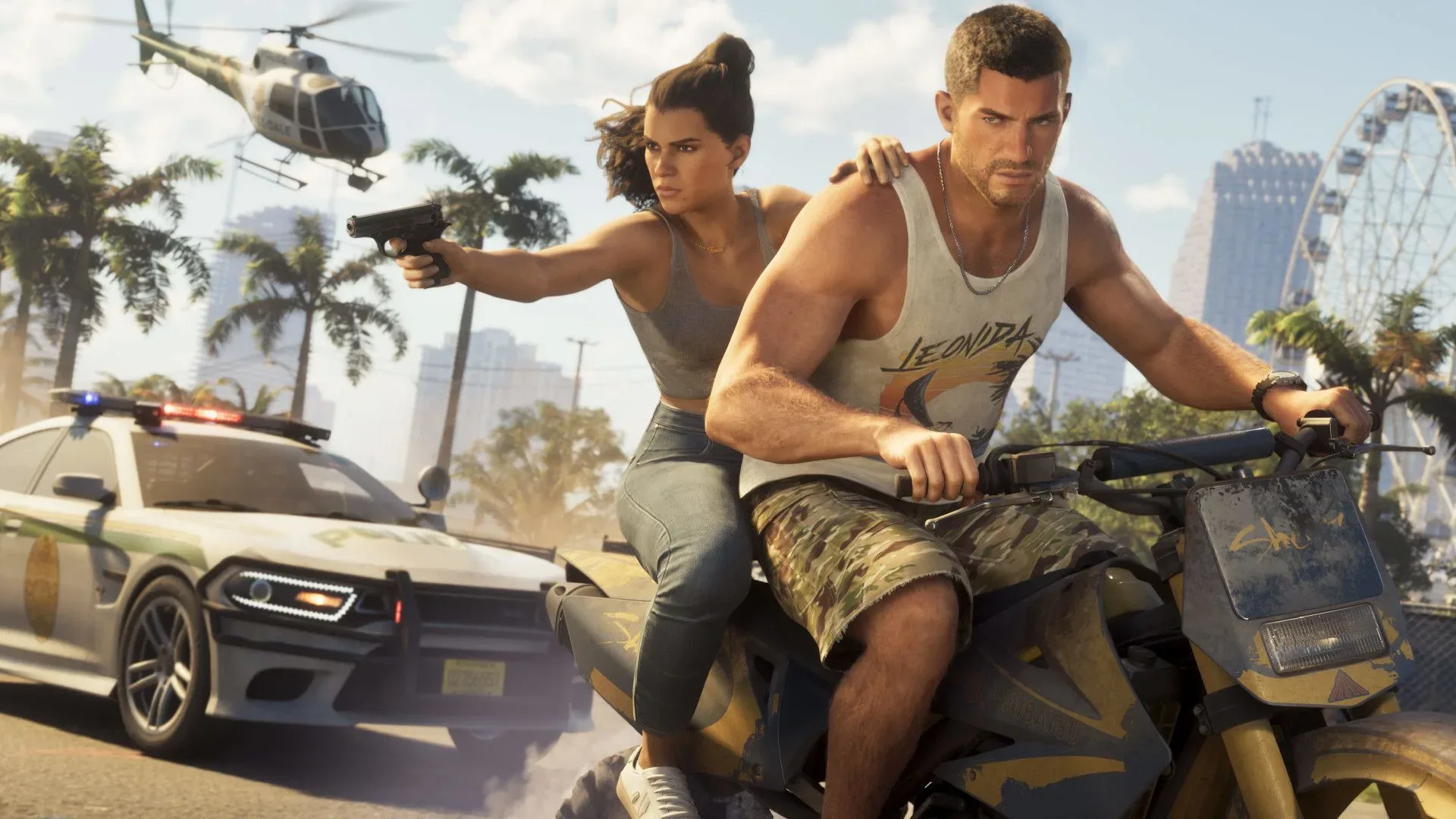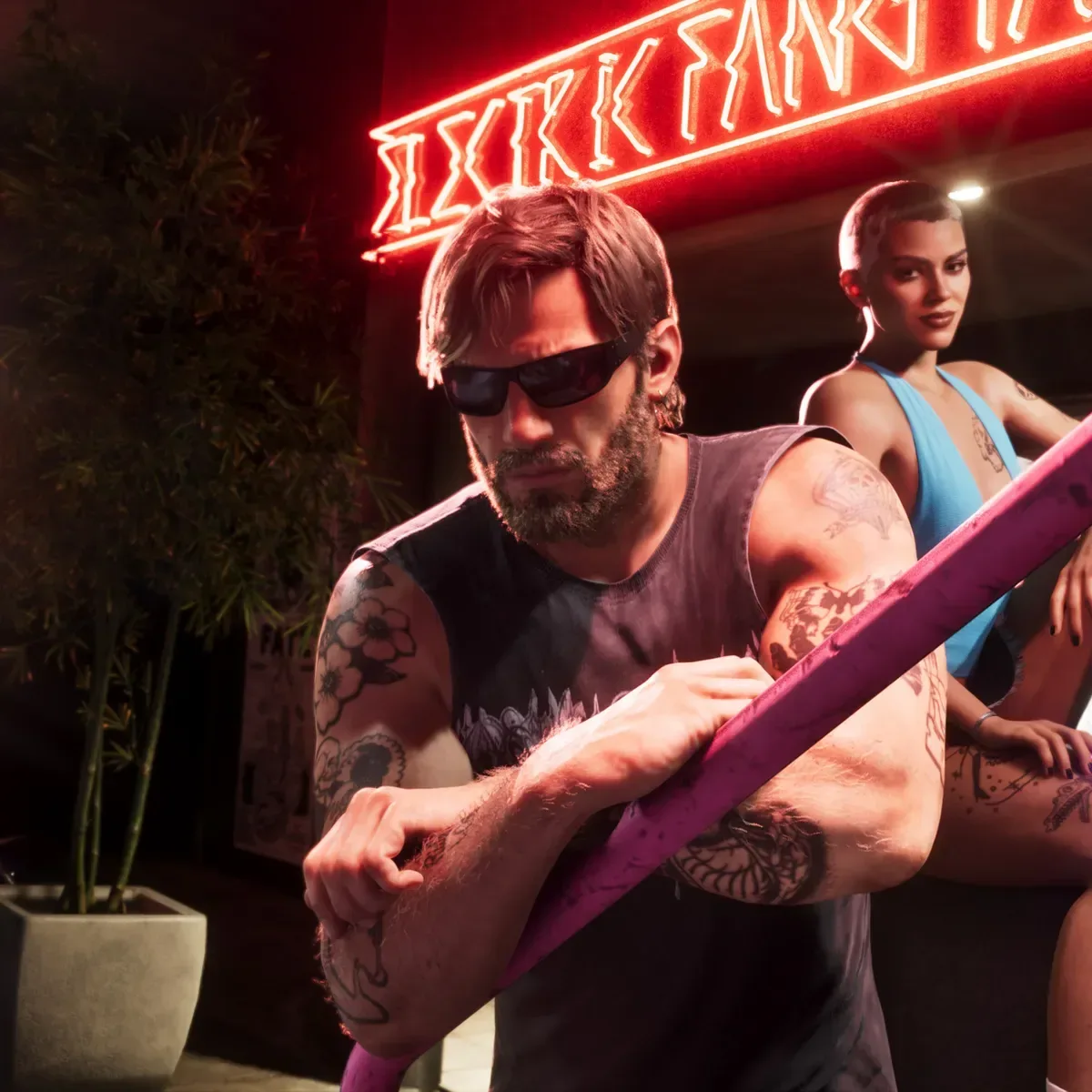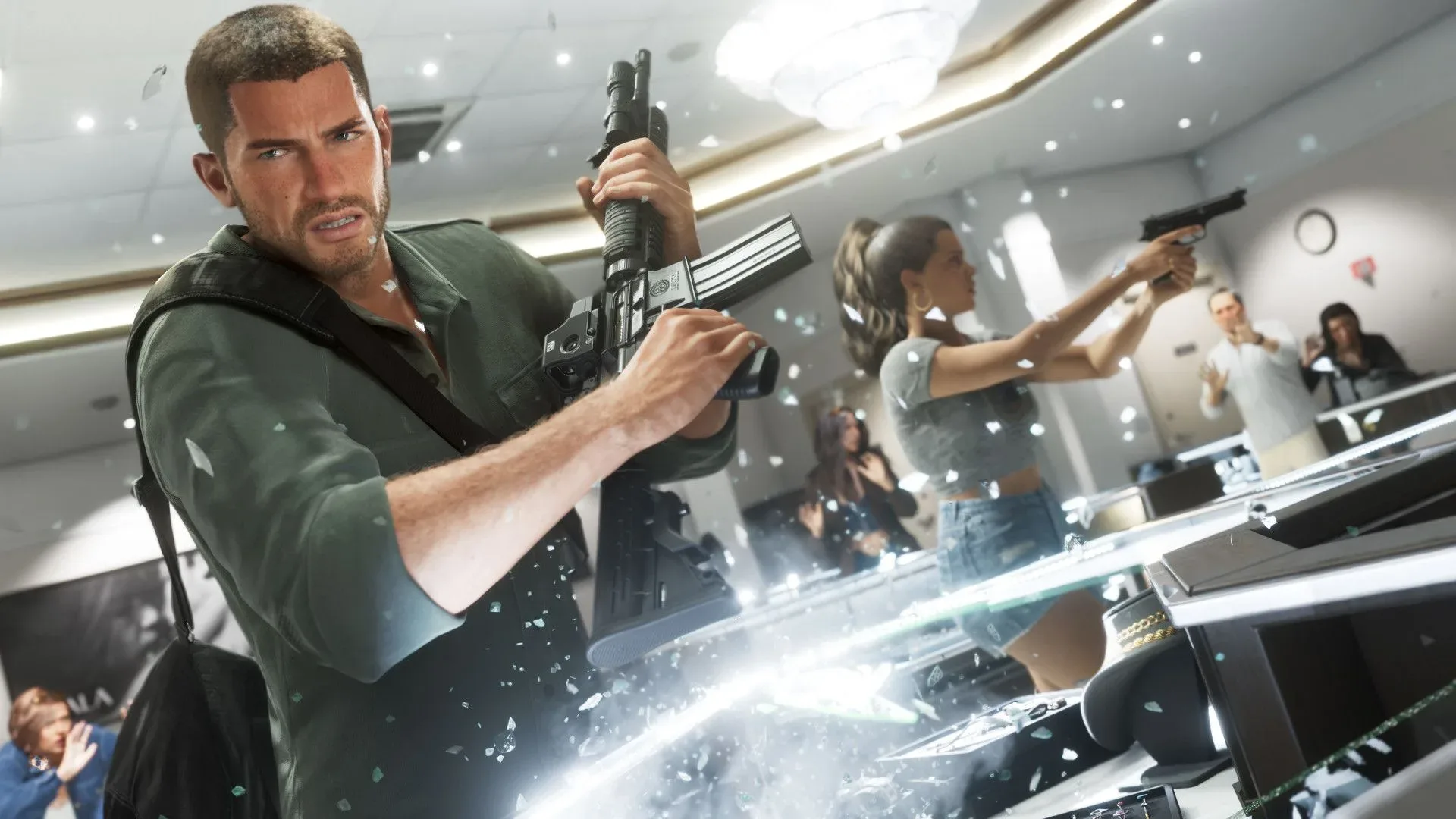
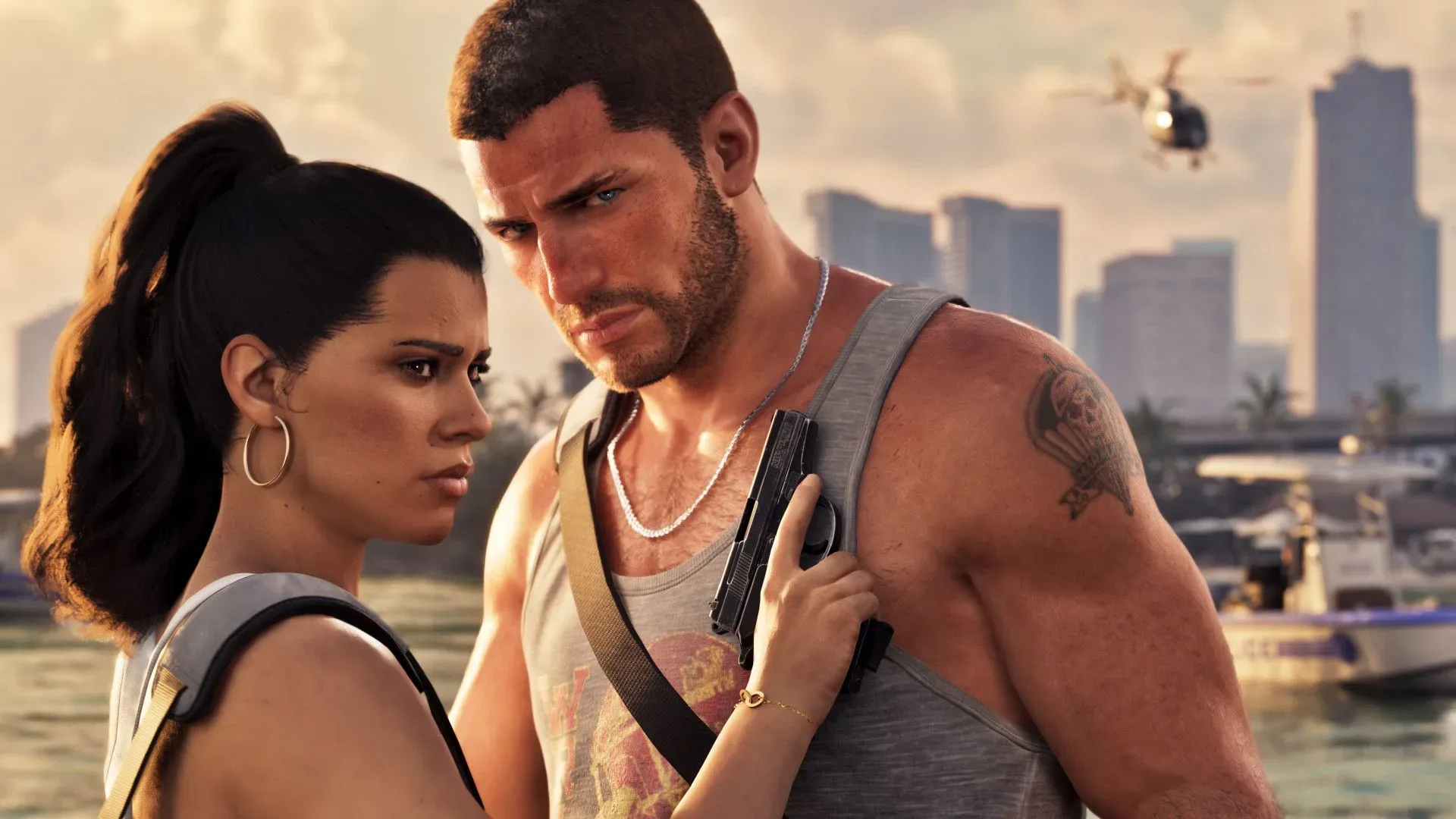
With Grand Theft Auto VI still looming as one of gaming’s biggest upcoming releases, Take-Two CEO Strauss Zelnick has weighed in on another industry pressure point: generative-AI tools being used to reproduce existing games or create lookalike versions at extreme speed.
Zelnick’s argument is direct. Companies operating in the intellectual-property business, he said, ought to protect IP broadly—not merely their own material. His criticism was aimed at the apparent contradiction of AI firms seeking safeguards for their work while enabling users to imitate or reconstruct games made by other creators.
“I think all companies should be protecting intellectual property, their own and everyone else’s,” Zelnick said.
He added that it is “ironic” for companies built around intellectual property to, in his words, “stomp on someone else’s IP” while expecting their own to be protected.
For more context, explore DJ Khaled Says Wegovy, Golf and Walking Helped Him Lose 90 Pounds.
Why AI game cloning is a practical problem, not just a philosophical one
The concern is not simply that a game may inspire another game. Creative work has always operated amid genres, conventions and familiar mechanics. A platformer can have jumping, collectibles and bosses without being a copy; a kart racer can use drifting and power-ups without automatically infringing on another kart racer.
The more troubling allegation is specific recreation: using a generative system to reproduce a recognizable game’s distinctive design, structure, artwork, names, characters or other protected elements. Such tools can reduce the time and skill traditionally needed to assemble a playable imitation, potentially allowing clones to appear while an original project is still trying to build interest through a demo, playtest or storefront page.
That speed changes the stakes for smaller studios in particular. Developers have reportedly cancelled demos or playtests because they feared an unfinished game could be copied and commercially listed before the official release. The outcome is perverse: a common way for creators to gather feedback and prove that a project exists becomes a possible exposure point.
There have also been instances in which games resembling a popular title rapidly crowded a PC storefront. The example of Mecca Chameleon illustrates the basic risk: even if every derivative product is not identical, a sudden influx of similarly presented releases can make it harder for players to identify the original work and can dilute the creator’s visibility.
What “reverse engineering” means in this conversation
Reverse engineering generally means examining how a product functions in order to understand or recreate it. In games, that can range from analyzing software behavior to rebuilding a game’s systems from observation. The legal and ethical questions vary sharply with the details: independently making a game in an established genre is not the same thing as replicating a particular title’s protected expression.
For game makers, the distinction matters because an original idea and its concrete implementation are not interchangeable. “A fantasy adventure with puzzle dungeons” describes a genre-level concept. Reproducing a named game’s visual identity, maps, characters, assets, progression and presentation is a far more specific proposition.
Generative AI adds a complication because the user may not need to write every component manually. A prompt can be used to request code, art direction, interface elements or a broad reconstruction. That is why the debate increasingly focuses on the safeguards built into the tools themselves, rather than solely on the intentions of individual users.
Anthropic adds a restriction for specific game recreations
Anthropic has recently added a restriction to Claude’s backend intended to block requests to recreate someone else’s specific game. The change followed cases where developers’ work was reportedly duplicated in minutes.
Addy Osmani, a member of Anthropic’s technical staff, said that using Claude to infringe IP violates the company’s usage policy. He also drew an important boundary: original games, genre games and games built with a creator’s own designs and assets are intended to remain possible uses.
That distinction is significant because it recognizes two competing realities. Developers can use AI-assisted tools for legitimate tasks, including prototyping their own concepts or making familiar types of games with original material. At the same time, a policy that refuses requests for a particular existing game attempts to stop the tool from becoming an express lane to a knockoff.
The restriction could also limit a recent stream of so-called vibe-coded recompilations. “Vibe coding” is a loose term for directing an AI system through natural-language prompts rather than manually authoring all the underlying code. Examples of games reportedly recreated through this approach include Mario Kart Wii, Banjo-Tooie and The Legend of Zelda: Link’s Awakening.
“Recompilation” ordinarily has a technical meaning: turning source code into executable software again. In casual AI discussions, though, the label can be used more loosely for an attempt to reconstruct a game or its behavior. That imprecision is worth noting. A rebuilt game, a visual imitation, a fan project and a genuinely independent genre entry may look very different technically and legally, even when social-media shorthand lumps them together.
The OpenAI question remains unresolved
At present, OpenAI, the company behind ChatGPT, does not appear to have an equivalent explicit restriction described here for requests to recreate a specific game. That does not establish what every request will receive or how any policy may change. It does, however, leave Zelnick’s wider challenge squarely on the table: if AI services can be directed toward recognizable replicas, what responsibility do the platform operators have to prevent that use?
The answer cannot rest entirely on a short policy statement. Enforcement is the difficult part. A clear prohibition can set expectations and give moderation systems a basis to refuse direct requests, but users may phrase requests indirectly or break a project into small pieces. A developer seeking protection also needs a credible way to report abuse and see a response before a cloned listing does real damage.
For storefronts, the issue is similarly practical. A wave of fast, low-effort lookalikes can affect search results, confuse players and consume moderation resources. For audiences, a clone problem can become a trust problem: it gets harder to know whether a listing is the legitimate game, an authorized project or an opportunistic imitation.
What Zelnick’s comments mean for GTA 6 and the broader business
Zelnick’s remarks arrive in the run-up to GTA 6, a release whose brand recognition makes the IP question especially visible. Nothing in these comments establishes a particular AI clone of GTA 6, nor does it announce a new Take-Two enforcement program. The point is broader: a major publisher’s CEO is publicly arguing that AI firms should share responsibility for protecting creative work.
That position also reflects the power imbalance at the heart of the dispute. Large publishers have legal teams and established brands. Independent developers may have neither, yet their projects can be especially vulnerable when an imitation can be produced, listed and promoted quickly. A tool-level refusal mechanism will not solve every conflict, but it may reduce the ease with which an explicitly named game can be targeted.
There is a useful line for creators to keep in mind. AI assistance is not inherently synonymous with copying. Building a new game in a known genre, using original designs and assets, is materially different from asking a system to recreate a named game. The first can be a workflow question; the second may put a creator’s work, platform listing and reputation at risk.
The industry will likely keep debating where models, users and storefronts each bear responsibility. Zelnick’s intervention makes one thing clear: the question is no longer only whether AI can help make games. It is whether the companies providing those capabilities will reliably stop them from making it easier to appropriate the work that games are built on.
For additional coverage of the debate around AI cloning and IP safeguards, see this report on Take-Two’s challenge to AI firms.