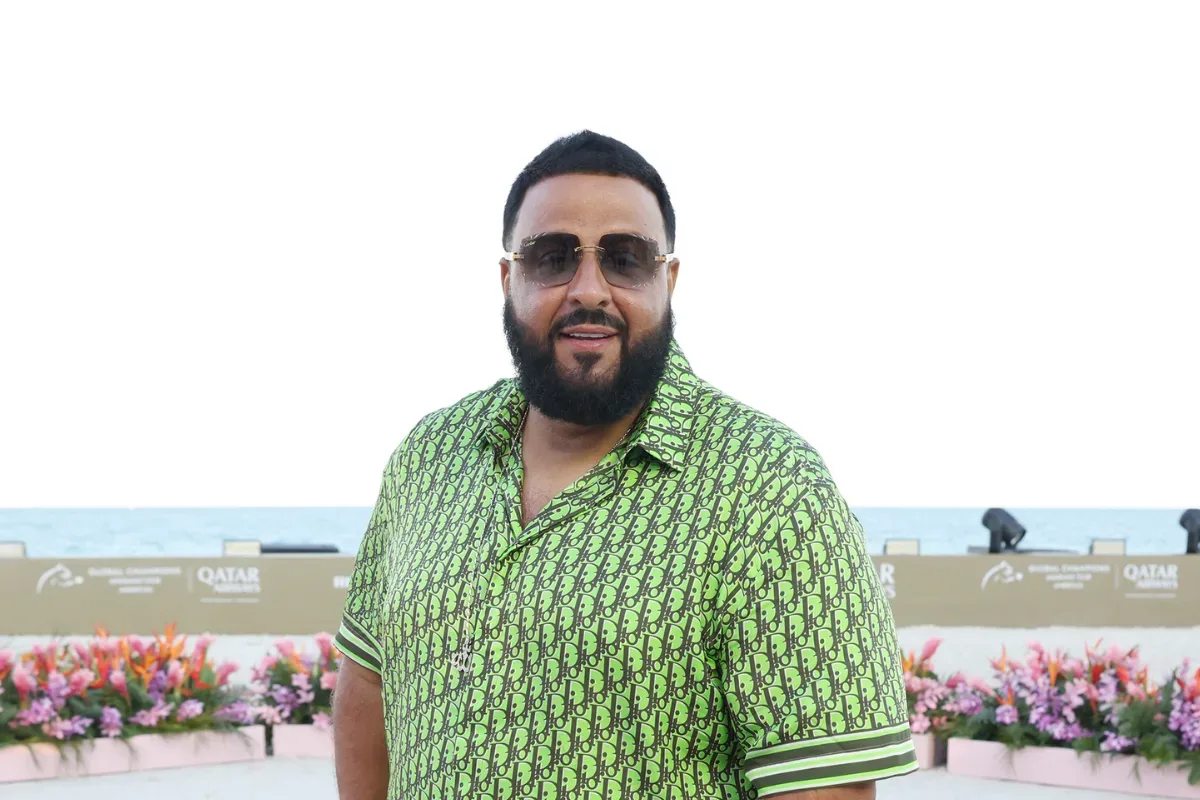
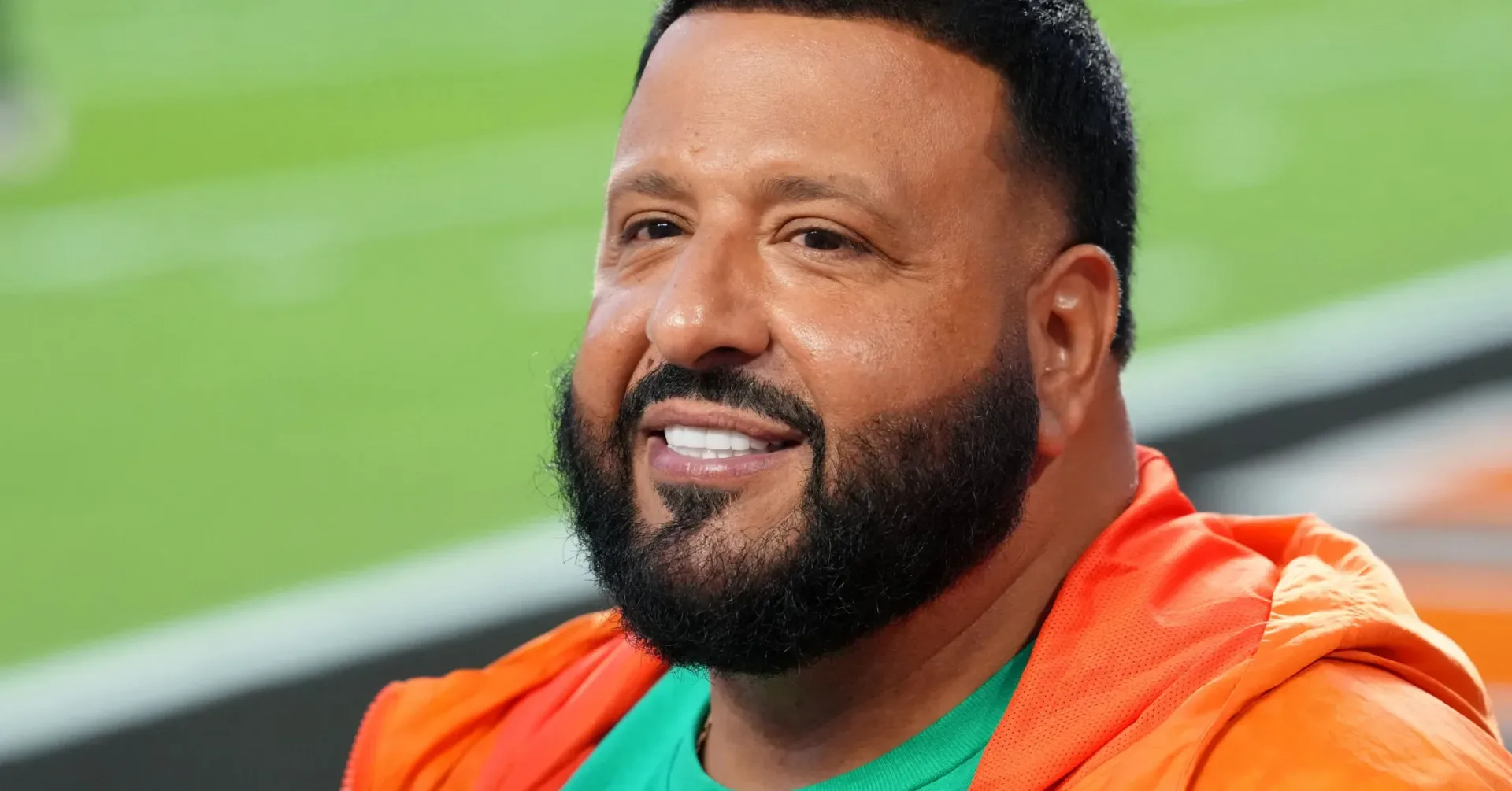
DJ Khaled has shared new figures behind a physical transformation that has drawn widespread attention: the producer says he has lost 90 pounds in total. He says 75 pounds of that change came after he began using Wegovy, a GLP-1 medication, alongside a routine of regular golf, walking and improved eating habits.
At 50, Khaled says he began at roughly 295 to 300 pounds and now weighs between 200 and 212 pounds. His personal target is 200 pounds. Those figures put the scale change into clearer perspective, but they also underline an important part of the story: Khaled is presenting the process as a combination of medical consultation and sustained lifestyle habits, rather than a single shortcut.
The routine Khaled has described
Khaled has boiled down his approach to three words: “Walk, golf, and Wegovy.” The phrase is simple, though each element serves a distinct role in the routine he has publicly discussed.
- Wegovy: Khaled says he spoke with his doctor before turning to the medication, after finding that working out and eating better were not enough for the result he wanted.
- Walking: He has said he reaches 15,000 steps per day. That turns everyday movement into a deliberate, repeatable part of his schedule.
- Golf: Khaled says he plays 18 holes six days a week, making the sport a major source of time on his feet and a structured commitment he appears to enjoy.
He says he started Wegovy in late 2025. Khaled has characterized the 75 pounds he lost while taking it as about 25 percent of his body weight. Taken with his stated overall loss of 90 pounds, the distinction matters: he is not describing medication as the entirety of his experience, nor is he framing exercise as something he began only after the prescription.
The account also does not establish a universal template. Khaled’s golf schedule, daily step total, starting weight, goal and access to care are all personal circumstances. His own advice to people who are interested in Wegovy is to speak with their doctor first.
What GLP-1 means in this conversation
GLP-1 is the shorthand commonly used for a class of medicines that mimic a hormone involved in regulating appetite. That basic mechanism is why these drugs are now routinely part of public discussions about weight loss, including celebrity-led campaigns and interviews.
It is easy for that abbreviation to become a catch-all label in social media conversation. But it does not erase the differences between an individual’s medical situation, treatment plan or broader habits. In Khaled’s case, the most grounded reading is the one he has given himself: medication was additional help he sought with a doctor, while walking, golf and diet changes remained part of the picture.
The timing has also put him visibly in the center of a larger marketing push. Khaled appeared in a Wegovy commercial during the Super Bowl earlier this year, and Novo Nordisk is building a campaign around his experience. The company says he began taking Wegovy in late 2025. The supplied account also notes that the FDA approved a pill version of Wegovy in December 2025.
Related coverage includes DJ Khaled Details 90-Pound Weight-Loss Journey With Wegovy, Golf and Walking.
Celebrity visibility can make a clinical topic feel unusually straightforward. It is not. A promotional campaign communicates one person’s account and can raise awareness, but it is not a substitute for individual medical guidance. Khaled’s doctor-first message is therefore the practical takeaway worth separating from the headline number.
A turning point and a familiar motivation
Khaled has linked the decision to change with a frightening moment during a concert more than a year ago. He has also described kneeling on stage to give thanks during his show. Together, those comments give the story an emotional center that the before-and-after numbers alone cannot convey.
Family was another stated factor. Khaled has said that his wife and children motivated him after he turned 50. That is consistent with an earlier chapter of his public health journey: he participated in a Weight Watchers campaign in 2018 and cited his son as motivation at that time as well.
That longer context makes this less like an overnight reinvention and more like a new phase in an ongoing effort. People often encounter celebrity transformation stories only at their most dramatic point, when a final number is ready for a headline. Khaled’s comments instead describe a process with earlier attempts, a moment that sharpened his priorities, a conversation with a doctor and the work of building repeatable activities into the week.
Why golf is more than a detail here
Golf is often mentioned as a colorful footnote in Khaled’s routine, but playing 18 holes six times weekly is a meaningful commitment of time and activity. It is also an example of a principle that applies broadly without pretending that everyone needs the same sport: a routine is more likely to persist when it includes something a person is prepared to keep returning to.
For Khaled, golf appears to provide that structure. Walking 15,000 steps creates a measurable daily goal, while golf gives those steps a recurring setting. Neither fact tells us how another person should exercise, and neither should be read as a prescription. They do explain why “golf” belongs in the headline rather than being treated as a celebrity hobby detached from the transformation.
His public-facing message also lands differently because motivation has long been central to his persona. Khaled has made optimism and self-belief foundational parts of his brand, and the new campaign channels that familiar energy toward a more personal subject. There is a tension worth acknowledging: motivation can encourage people, but it can also flatten complicated health decisions into catchphrases. His comments about consulting a doctor add necessary caution to the otherwise very slogan-ready “walk, golf, and Wegovy” formula.
What the 90-pound figure does—and does not—say
The 90-pound total is an eye-catching number, and Khaled’s stated current range of 200 to 212 pounds gives it concrete shape. But the number does not tell the whole story of health, nor does it convert a celebrity routine into advice for the public. Weight changes, medications, exercise capacity and appropriate goals are individual matters.
What the figure does show is the scale of Khaled’s reported change and why people have noticed. It also explains why his description repeatedly returns to process. He was already exercising and eating better, then decided he needed additional support and sought it from a doctor. After that, he continued to emphasize daily steps and frequent rounds of golf rather than claiming the medication did everything alone.
There is a broader entertainment angle, too. Public figures can influence how audiences talk about health simply by being candid about their own experiences. Khaled’s openness has turned a typically private topic into a visible part of his public image and advertising work. Readers can follow the culture story while still keeping the medical boundary clear: interest in a celebrity’s result should lead to professional conversation, not self-directed treatment decisions.
For more on how artists’ public brands and creative-business decisions intersect, see Babyface’s explanation of why publishing can lead singers toward songwriting.
The key point in Khaled’s account
Khaled’s reported 90-pound loss is substantial, while the details he has shared are notably more measured than the headline alone. He says 75 pounds came with Wegovy after consulting his doctor; he also credits consistent walking, frequent golf, better eating habits and motivation from his family. His goal remains 200 pounds.
That makes his story a prominent example of how GLP-1 medicines have entered mainstream pop-culture conversation, but not a one-size-fits-all blueprint. The most responsible version of the message is the one Khaled has already offered: anyone considering Wegovy should talk with a doctor.