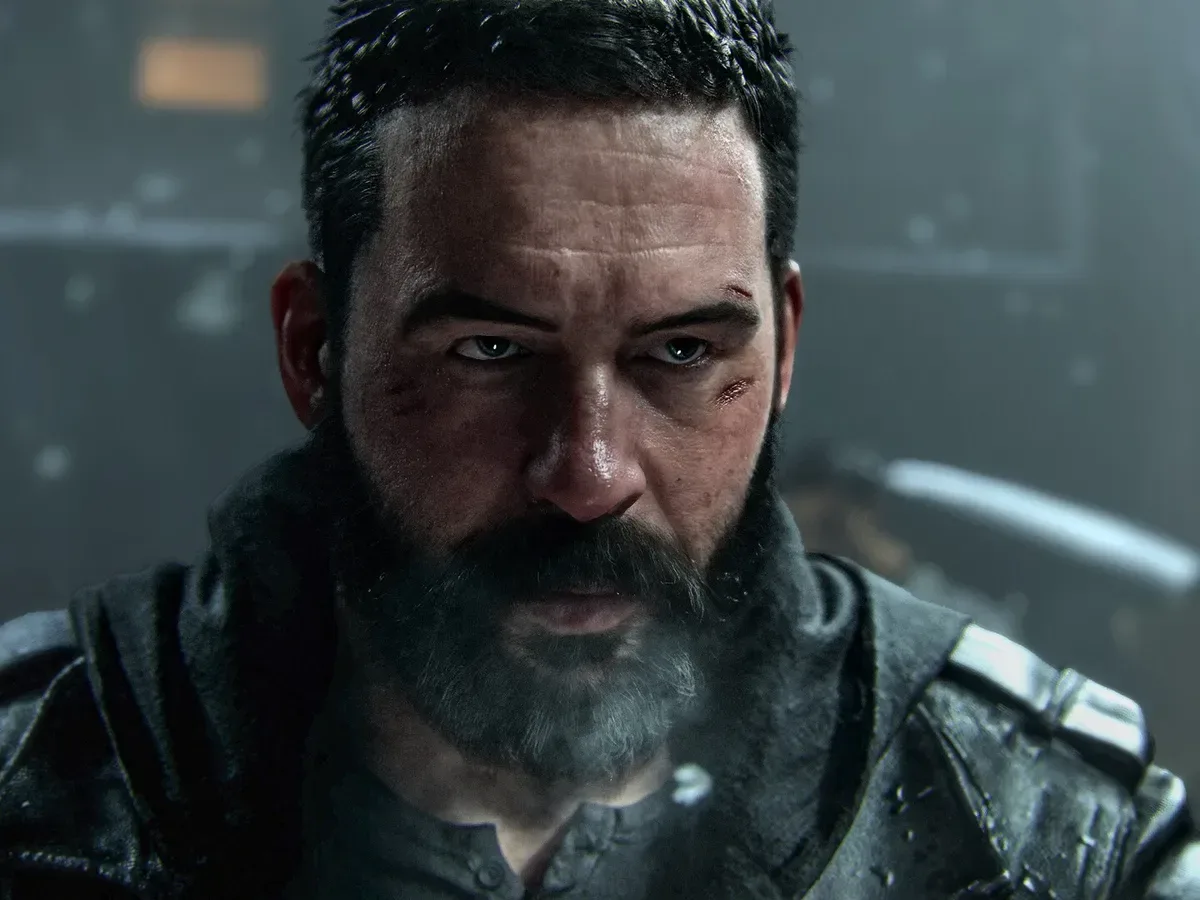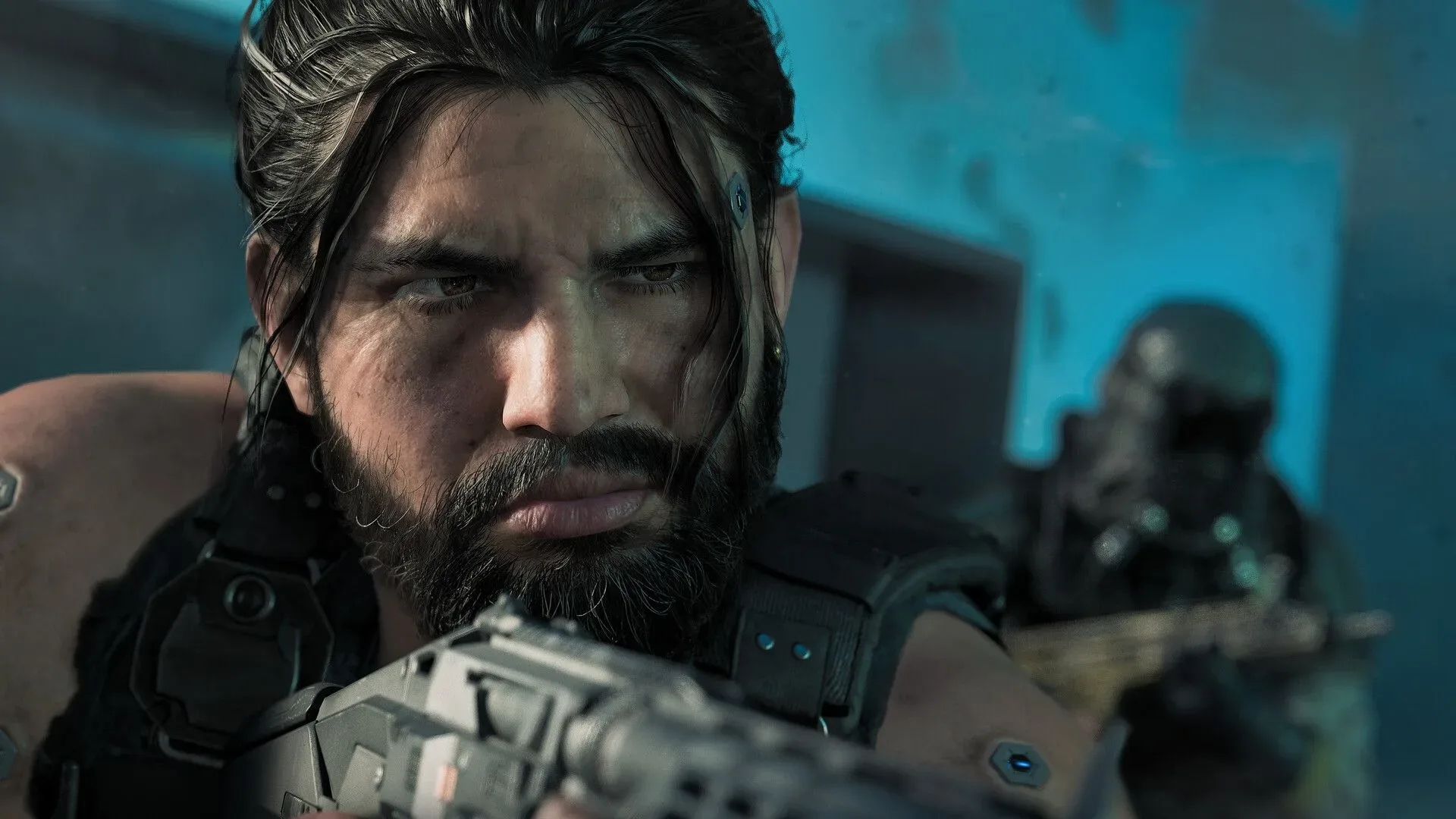
Craig Houston, the Treyarch senior lead writer with credits across every entry in Call of Duty’s Black Ops series, says he was affected by recent layoffs at Activision. Houston shared the news in a public professional-networking post, ending a tenure of approximately 20 years at the studio.
In his message, Houston thanked the people he worked alongside and the players who supported the projects he helped make. “I am proud and privileged to have worked alongside so many talented people,” he wrote, adding that many colleagues would remain friends for life. He also thanked Call of Duty fans for their “enthusiasm, support, and kind words” over the years.
The post offers a human-scale view of ongoing changes across Xbox’s games organization. It does not establish how many roles at Treyarch have been affected, which teams may have changed, or what the restructuring means for individual projects. Those are important distinctions: confirmation that one long-serving developer has been laid off should not be treated as confirmation of a broader studio-wide total or a change to a particular game’s development status.
A long Black Ops writing history
Houston’s career at Treyarch encompasses a substantial portion of the Black Ops identity. His work principally focused on the series’ campaigns, and he contributed to every Black Ops game released so far. In practical terms, a campaign narrative role can include shaping characters, missions, dialogue, story structure, tone and the connective tissue between individual levels. On a franchise built around annual or near-annual releases, maintaining that continuity over many installments is a specialized form of institutional knowledge.
He served as a lead writer for a lengthy period and was promoted to senior lead writer in 2022. The distinction matters because a senior lead writing role generally signals responsibility beyond writing individual scenes or lines: it is a leadership position within the process that turns a broad creative direction into a playable campaign. The supplied information does not specify Houston’s exact duties on each title, so it would be premature to assign particular story choices or characters to him personally. His broad credits, however, make clear that he was a longstanding contributor to the series.
Houston’s Call of Duty work was not confined to Black Ops. His credits also include 2019’s Call of Duty: Modern Warfare and 2023’s Call of Duty: Modern Warfare III. That range illustrates how experience inside a large publisher can move across internal teams and franchise branches while still relying on knowledge accumulated over years of production.
What “institutional knowledge” means in game development
Institutional knowledge is the practical understanding built by people who have worked through prior projects: why a recurring story thread was handled a certain way, which production methods worked, which ideas created unexpected problems, and how teams coordinate under deadline pressure. It is not simply a file that can be handed over when someone leaves.
For a narrative developer working across a continuing series, that knowledge may include familiarity with past campaigns, character histories and the realities of implementing story material in a fast-moving action game. It also includes relationships with designers, artists, cinematic teams, performers and producers. Games are collaborative works, and the contribution of a writer relies on those interconnected teams carrying a story from outline to finished mission.
Related coverage includes Treyarch Veteran Craig Houston Says He Was Affected by Activision Layoffs.
That does not mean a franchise cannot continue after a veteran departs. Large development teams routinely change over time, and individual jobs are only part of a larger production. But Houston’s departure is a reminder that layoffs can remove experienced creative personnel alongside more visibly technical or operational roles. For players, the immediate impact may not be identifiable. For colleagues and future teams, the loss of a two-decade perspective can be significant.
Career credits beyond Call of Duty
Houston’s game credits reach beyond military shooters. He was a producer on X2: Wolverine’s Revenge, and earlier worked in art departments on Silver Surfer and Wolverine for NES, plus Spider-Man/X-Men: Arcade’s Revenge for SNES. Those credits connect his career with comic-book games across several hardware generations, from 8-bit and 16-bit consoles to later licensed action games.
That breadth is notable because licensed superhero games and Call of Duty are very different development settings on the surface. Yet both depend on translating established expectations into interactive form. In one case, the expectations come from long-running comic characters; in the other, they come from a global shooter franchise with recurring sub-series. A veteran who has moved through art, production and narrative work brings a perspective shaped by more than one discipline.
Narrative remains one of the ways games build durable worlds, even in genres where the mechanics receive most of the attention. It is also why creative credits can resonate with players long after a release. Discussions of storytelling’s influence on games continue well beyond any one franchise; a recent discussion of Ocarina of Time’s influence on NieR is another example of how developers describe the creative lineage behind a game.
Microsoft, Activision Blizzard and restructuring
Microsoft acquired Activision Blizzard in 2023, bringing Activision and Treyarch into the company’s games division. Houston’s statement arrives amid restructuring and reductions across that organization. The available information connects his layoff to those recent changes, but it does not provide a specific rationale for his position or detailed figures for changes at Treyarch.
That limited public picture is worth keeping in mind. Layoff news is often first made visible through posts from affected workers, rather than comprehensive employer breakdowns. Such posts can establish a person’s employment status and document their own perspective, but they may not answer larger questions about an organization’s plans. At present, the confirmed point is Houston’s own statement that he was among those affected after about 20 years with Treyarch.
For the industry, announcements like this also underline a difficult tension. Long service and recognizable franchise credits do not necessarily insulate developers from company-wide reductions. Houston’s career represents experience spanning multiple eras of console games and several major Call of Duty releases. His post focuses less on that loss than on appreciation for the people he worked with, which is a measured closing note from someone whose work has been part of a major series for many years.
What is known—and what is not
- Known: Houston says he was affected by recent layoffs after approximately 20 years at Treyarch.
- Known: He was a senior lead writer, promoted to that position in 2022.
- Known: His credits include every Black Ops game to date, as well as 2019’s Modern Warfare and 2023’s Modern Warfare III.
- Known: His earlier credits include work on several Marvel-related games.
- Not established: The total number of affected Treyarch employees or the full scope of the studio’s changes.
- Not established: Any direct effect on a specific current or future Call of Duty project.
Houston’s message places the emphasis where it belongs: on the talented coworkers and fans who shaped a long career. As details remain limited, it is the clearest available account of a veteran creative contributor leaving Treyarch during a period of wider corporate restructuring.