There is a new bell ringing for boxing-game fans: Fight Night is coming back. Electronic Arts has revived the long-quiet franchise’s social media presence and opened with an uncomplicated message to the audience that kept waiting: “Fight Night is coming back.”
The accompanying image is equally direct—boxing gloves suspended above a ring, alongside the line “The fight is never over.” It is an effective bit of comeback imagery, and, more importantly, it is the first clear confirmation that EA intends to return to its boxing property after a lengthy absence.
That confirmation is exciting precisely because it is so spare. It establishes the broad fact of Fight Night’s return, but it does not establish the particulars fans are already likely to be asking about. There is no named studio, no launch window, no platforms, no footage and no declaration of whether this will be an all-new installment, a remake, or a remaster of an earlier entry.
For now, the smart reading is simple: Fight Night is back as a franchise plan, while virtually every practical detail remains to be announced.
What EA has confirmed—and what it has not
The wording matters. Saying a series is “coming back” is a commitment to a return, but it is not a product specification. It does not tell players what game will arrive, how it will play, or when they will be able to play it.
Here is the current state of the announcement:
- Confirmed: EA says Fight Night is coming back.
- Confirmed: New official social accounts have been created for the franchise.
- Unconfirmed: Whether the project is a new numbered game, a reboot, a remake or a remaster.
- Unconfirmed: The developer or development team.
- Unconfirmed: Target platforms and whether it is intended for the current console generation.
- Unconfirmed: A release date or even a release window.
That distinction is worth making because early franchise-return messaging often prompts fans to fill in the blanks with their preferred version of the future. An announcement image is not a gameplay reveal. A revived account is not a platform list. And a promising slogan is not a roster, a career mode, a licensing announcement or a mechanics breakdown.
None of that dampens the significance of the news. It simply defines the point the project has reached publicly: EA has put Fight Night back in the conversation, but has not yet invited the public into the corner with a full game reveal.
Related coverage includes EA Teases Fight Night Return, Ending a 15-Year Wait for the Boxing Series.
Why the question of format is especially important
Fight Night’s history makes the new-versus-old question more complicated than it might be for a series built around fictional worlds and wholly owned characters. Boxing games can involve rights and licensing considerations connected to real athletes and other elements of the sport’s presentation. That makes any decision to bring back a previous game in remastered or remade form potentially different from building a fresh entry.
It would be premature to treat any format as settled. A new game may appear to be the most intuitive interpretation of a franchise revival, but EA has not said that is the plan. Likewise, there is no evidence yet for a remaster or remake. Until the company supplies a title, footage or a description, each remains a possibility rather than a fact.
For players, the eventual answer will shape nearly every expectation. A remaster generally means an existing game is brought forward with technical or presentation upgrades. A remake suggests an older release is rebuilt more substantially. A new entry would give the team the broadest opportunity to define contemporary controls, simulation systems, modes and presentation from the ground up. Those terms are often used loosely in fan discussion, but they represent very different development paths—and EA has not selected one publicly.
The studios behind earlier Fight Night games
The series has not had one uninterrupted development home. EA Canada in Vancouver made the original Fight Night as well as the two most recent installments. Fight Night Round 2 and Fight Night Round 3, meanwhile, were developed by EA Chicago, a studio that has since closed.
That history is useful context, not a clue to the new project’s developer. EA has not announced who is making the returning Fight Night, and the involvement of a previous studio should not be assumed from the franchise’s past credits alone. A modern project could be assigned within EA in a number of ways; the official announcement does not narrow that down.
The lack of a named team is one of the clearest signs that this is an opening tease rather than a detailed reveal. Development leadership tends to answer questions about a game’s creative direction, technology and sports-game experience. Those answers will have to wait.
Fight Night’s legacy still carries weight
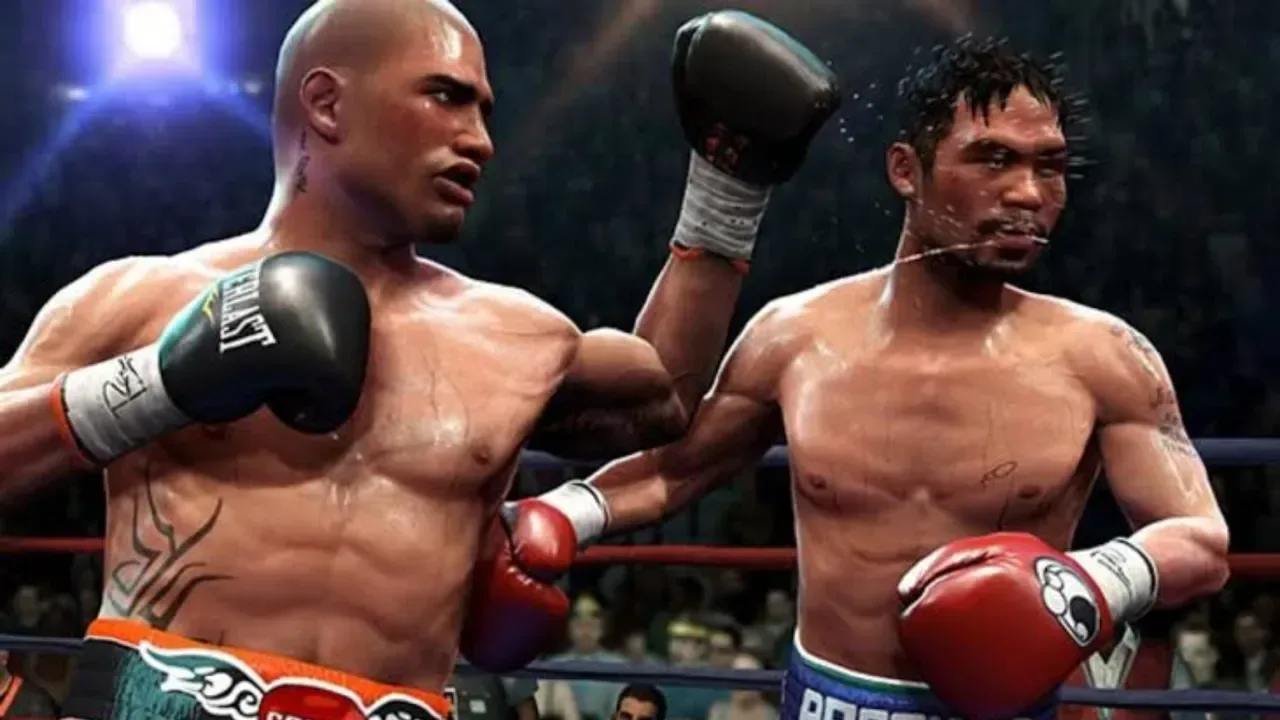
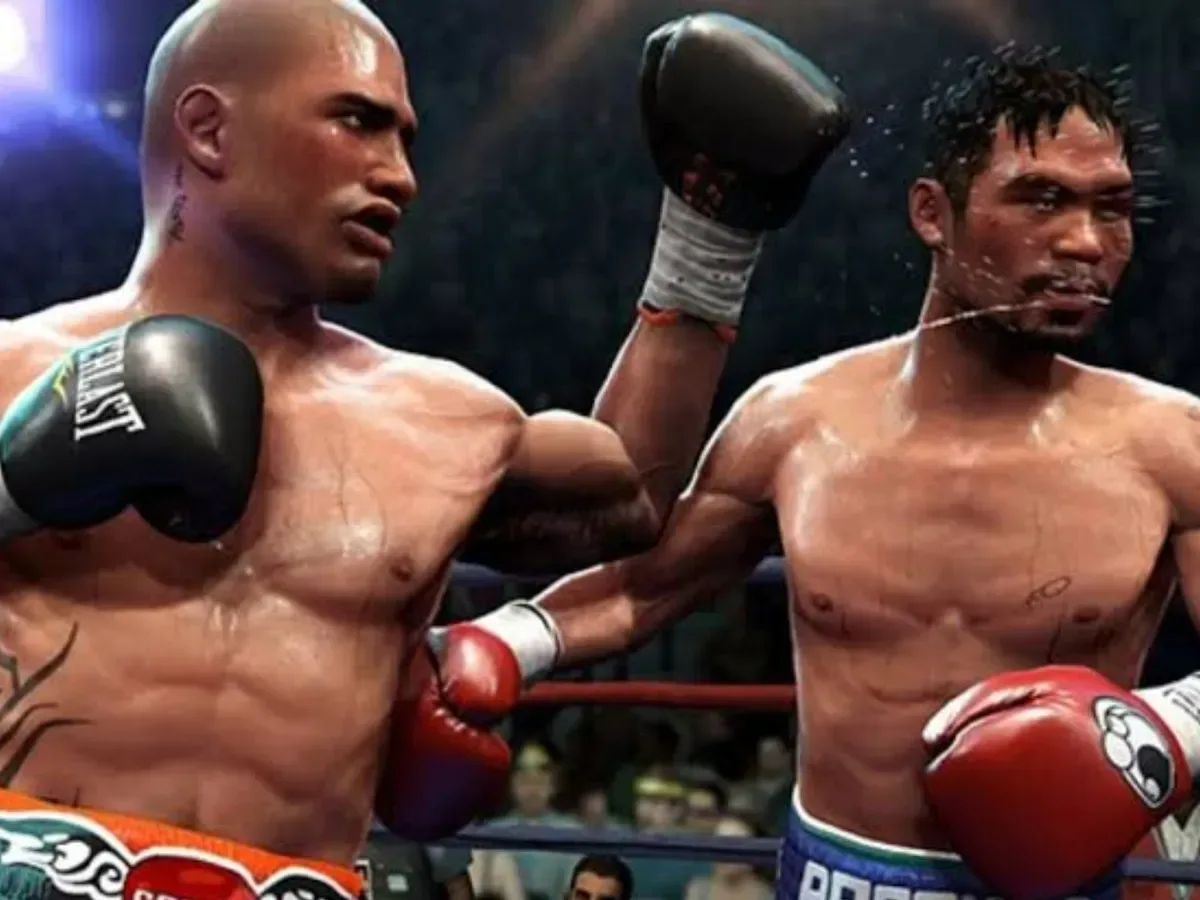
The returning name has resonance because the earlier games left a vivid impression on boxing-game players. Fight Night Round 3 in particular is remembered as a visual showcase from the early high-definition console era. Its presentation helped demonstrate why the move to HD mattered: close-up character models, ring lighting and facial damage could contribute to the drama of a bout in a way that was immediately legible even before a player had learned the controls.
That legacy creates both an advantage and a challenge for a comeback. The advantage is clear: Fight Night arrives with a familiar identity and an audience that remembers the series fondly. The challenge is that nostalgia is not a feature list. A new project will eventually need to explain what makes its version of boxing compelling now, rather than merely relying on old memories of presentation milestones.
Boxing games also have a particular design balancing act. They need the action to feel readable and responsive while preserving the tension of distance, stamina and defense. In broad terms, a boxing simulation is not just about throwing punches as quickly as possible. Positioning determines whether attacks land cleanly; defensive choices determine whether a fighter can avoid damage or create an opening; endurance affects what a player can sustain across rounds. Those are foundational ideas, rather than confirmed mechanics for the returning Fight Night, but they illustrate why a boxing series needs more than a strong visual trailer to establish its identity.
It is exactly the kind of game where small decisions can have outsized consequences. How easily players can close distance, how evasive moves interact with punches, how damage is represented and how momentum shifts all influence whether a match feels tactical, chaotic or repetitive. EA has not shared any specifics on these fronts, so fans should avoid treating their favorite elements from prior games as promises.
EA’s combat-sports focus has continued elsewhere
Fight Night’s dormancy did not mean EA left combat sports behind. The company shifted resources toward its UFC franchise, and UFC 6 released earlier this year. That continued investment matters as background: EA has remained active in the broader space of one-on-one combat sports games even while its boxing brand sat out.
Still, UFC and boxing are not interchangeable genres merely because both place two fighters in an arena. The rules, ranges, techniques and pacing differ substantially. A Fight Night revival therefore has room to stand as its own proposition rather than simply functioning as a parallel label. Whether EA approaches it as a distinct simulation, a more accessible sports game, or something in between is another key question the teaser leaves unanswered.
Its return also arrives during a period when platform expectations can quickly become part of the story around any major sports franchise. Yet there is currently no indication of where Fight Night will land. Anyone wondering whether it will appear on current consoles, PC, or another set of systems has not received an answer. For a broader look at recent Xbox announcements, readers can see the October 2026 ID@Xbox showcase roundup, but Fight Night itself has not been attached to any platform announcement.
What to watch for next
The next official update should be judged by the questions it answers, not just by the volume of hype around it. A useful follow-up would identify the project’s format and studio, then establish its intended platforms and release target. Gameplay footage would be especially meaningful because it could show how EA is thinking about pace, striking, defense and presentation rather than asking fans to infer all of that from a logo or ring image.
A roster or licensing discussion would also be meaningful, but there is no reason to speculate about specific fighters until official details arrive. Licensing is one area where premature assumptions can become misleading very quickly.
For the moment, Fight Night supporters have the one update they have wanted most: the series is no longer simply dormant. EA has said it is returning. Everything that turns that statement into a game—who makes it, what it is called, where it plays and when it arrives—remains outside the ropes for now.