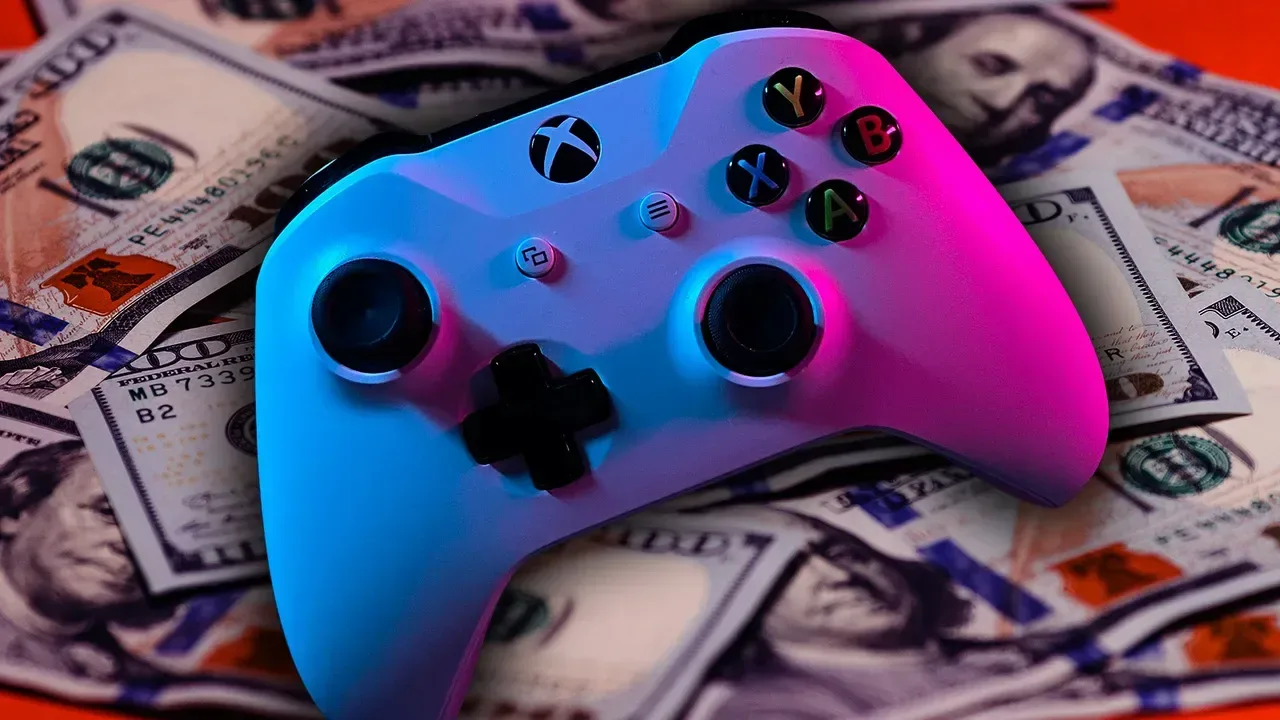
European consumer authorities are escalating scrutiny of the virtual currencies that sit between players and many in-game purchases. In a public action launched September 29, the European Commission and the Consumer Protection Cooperation Network (CPC Network) asked nine video game companies to bring their currency and transaction practices into line with a set of consumer-protection principles focused on transparency, choice and vulnerable players.
The companies publicly identified include Activision Blizzard UK, Mojang AB, Riot Games Limited, Supercell Oy and Ubisoft EMEA SAS. The material provided does not identify all nine companies involved, nor does it describe a penalty, a specific deadline for changes, or the individual practices attributed to each company. That distinction matters: this is a consumer-protection intervention and a public request for alignment, rather than evidence that every named company has been found to have committed the same violation.
Still, the message is unusually direct. The authorities say the industry has had substantial discussions about the issue and previously received public guidance, yet they found indications that many companies had not made meaningful changes in response. For players, particularly families managing children’s spending, the practical issue is simple: a purchase should not become harder to understand merely because its price is expressed in gems, points, coins, credits or another digital token.
What the action is asking companies to address
The new action follows the CPC Network’s Key Principles on in-game virtual currencies, released in March 2025. Those principles are intended to promote fairness and transparency in virtual-currency systems. The latest push organizes the concerns around seven broad areas:
- clear and transparent pricing;
- not obscuring the cost of a purchase;
- not forcing players into unwanted currency purchases;
- giving clear information before a transaction;
- respecting withdrawal rights;
- using fair, understandable terms; and
- protecting vulnerable consumers.
Virtual currency is the paid digital balance used to obtain things inside a game. It may be an entirely separate unit from money, even where the player bought it with money moments earlier. The authorities’ concern is not that every game has a virtual currency at all; it is whether that layer makes the true cost, quantity or consequences of a purchase difficult to see.
The Commission says games should show the real-world price of items that can be bought using virtual currency. It also says companies should not send players through confusing exchanges or multiple currencies that make the actual price unclear. Put plainly, if an item is shown as costing a certain number of tokens, the player should be able to understand what those tokens mean in money without doing awkward mental arithmetic or navigating a chain of conversions.
That is the core transparency principle at stake. A store can look straightforward while still creating distance between the player and the amount being spent: buy one bundle, retain a leftover balance, then buy another bundle to cover an item that costs slightly more than the balance on hand. The supplied information does not allege that every named company uses that exact design. But it illustrates why regulators are concentrating on currency conversion, multiple currencies and purchases that exceed what a player actually wants to buy.
The concern goes beyond the number on the price tag
Pricing clarity is only one part of the authorities’ position. They also say a game should not make consumers feel required to purchase an excessive quantity of virtual currency in order to progress or enjoy the game. This does not mean the information establishes a blanket ban on optional purchases, nor does it define a single acceptable model for all games. Instead, it identifies pressure and excess purchasing as a consumer-protection issue.
Related coverage includes European Commission Targets Major Game Companies Over Virtual Currency Practices.
The distinction is important. Players may knowingly choose to buy cosmetic items, content or convenience. Fairness questions arise when the design of the purchase system prevents a well-informed choice—by disguising price, steering someone toward a larger currency pack than needed, or making the transaction information hard to understand before payment.
The action also emphasizes clear pre-purchase information and fair contract terms. Pre-purchase information is the material a consumer sees before agreeing to pay: what is being purchased, what it costs in real money, and the relevant terms. In a virtual-currency setting, it should not be treated as an afterthought simply because the immediate checkout is for a currency pack rather than the in-game item the player ultimately wants.
Fair and understandable terms, meanwhile, are about the language and conditions that govern the transaction. The authorities’ emphasis suggests that players should be able to comprehend the rules around a currency balance and a purchase without being confronted with opaque or overly complicated wording. The supplied material does not set out model terms or state how specific companies’ terms will be assessed.
Withdrawal rights are a major part of the discussion
One of the most consequential points for consumers is the right to withdraw from contracts within a two-week period, including for unused virtual currency. “Withdrawal” here means the ability to back out of a qualifying contract during that period. The Commission’s position is that this right must be respected in the context of unused digital currency.
For players, “unused” is the key practical word. It separates an unused balance from a purchase that has already been spent in-game. The information available does not describe the operational details companies will use, the exceptions that may apply, or how a particular platform will present a withdrawal request. It does, however, make clear that consumer rights are not supposed to disappear just because the purchase is represented as a digital currency balance instead of a conventional item.
Anyone considering an in-game purchase should therefore pay attention to two separate questions: how much real money the currency represents, and what happens if the balance is not used. Those are distinct issues. A displayed conversion rate can be clear while the associated refund or withdrawal conditions remain difficult to find; conversely, a stated policy is of limited value if the player cannot tell what their currency pack cost in the first place.
Why children and vulnerable players are central
The CPC Network specifically warned that some video games directly encourage children to make purchases, despite an explicit prohibition in EU consumer-protection law. Its wider view is that Europeans should be able to play and interact with games without being pushed into spending more money or more time than they intended.
This framing is significant because it treats game transactions as part of the overall player experience, not merely a payment-screen issue. A player can encounter purchase prompts in a game world, in menus or around progression systems; what matters to the authorities is whether the overall design is fair and understandable, particularly for people who may be less equipped to recognize commercial pressure.
European Commissioner for Democracy, Justice, the Rule of Law and Consumer Protection Michael McGrath noted that roughly half of Europeans play video games, describing the medium as a major part of everyday life and the digital economy. His accompanying warning was that the sector’s reach brings responsibility, especially where children may encounter harmful or unfair practices. National authorities, supported by the Commission, are expected to enforce the relevant rules.
For parents and guardians, the immediate takeaway is not to assume that an in-game currency label explains a charge on its own. Before authorizing a purchase, it is useful to identify the real-money amount, the number of currency units received, what the intended item costs, whether a balance will remain, and what information is provided about unused currency. Those are the exact areas being highlighted by the action.
What this could mean for game stores
No specific redesigns have been announced in the supplied material. Nevertheless, the principles point toward the types of changes players may want to watch for: more prominent real-money equivalents beside virtual prices, fewer confusing currency steps, clearer explanations before buying, and more legible information about cancellation or withdrawal rights.
It would be premature to claim that any one of those outcomes is guaranteed for a particular game. The action asks companies to bring systems into line with the guidance; it does not, in the information available here, publish a company-by-company compliance plan. Nor does a company being named establish that all of its games, products or storefronts work identically.
What is clear is the direction of travel. European authorities are placing the burden on game businesses to make transactions intelligible in real money and to avoid structures that can encourage consumers to buy more virtual currency than they need. That is a more demanding standard than simply displaying the token cost of an item.
The move also lands amid continued attention to children’s safety in digital services. Separately, documents relating to a proposed EU Kids Act have circulated online. That proposal would require age verification for various online services, including certain multiplayer games considered risky to minors. It remains a proposal in the information provided, while the virtual-currency action is a current consumer-protection effort.
For the companies involved and the wider industry, the pressing question is whether virtual-currency systems can communicate price and consumer rights as plainly as a normal purchase. For players, the potential benefit is equally plain: fewer conversion puzzles, clearer choices before spending, and stronger recognition that digital-game transactions remain consumer transactions. Ubisoft, one of the companies named in the action, has also recently been in the news for organizational changes; read about Ubisoft’s Creative House 2 rebrand as Massive Entertainment.