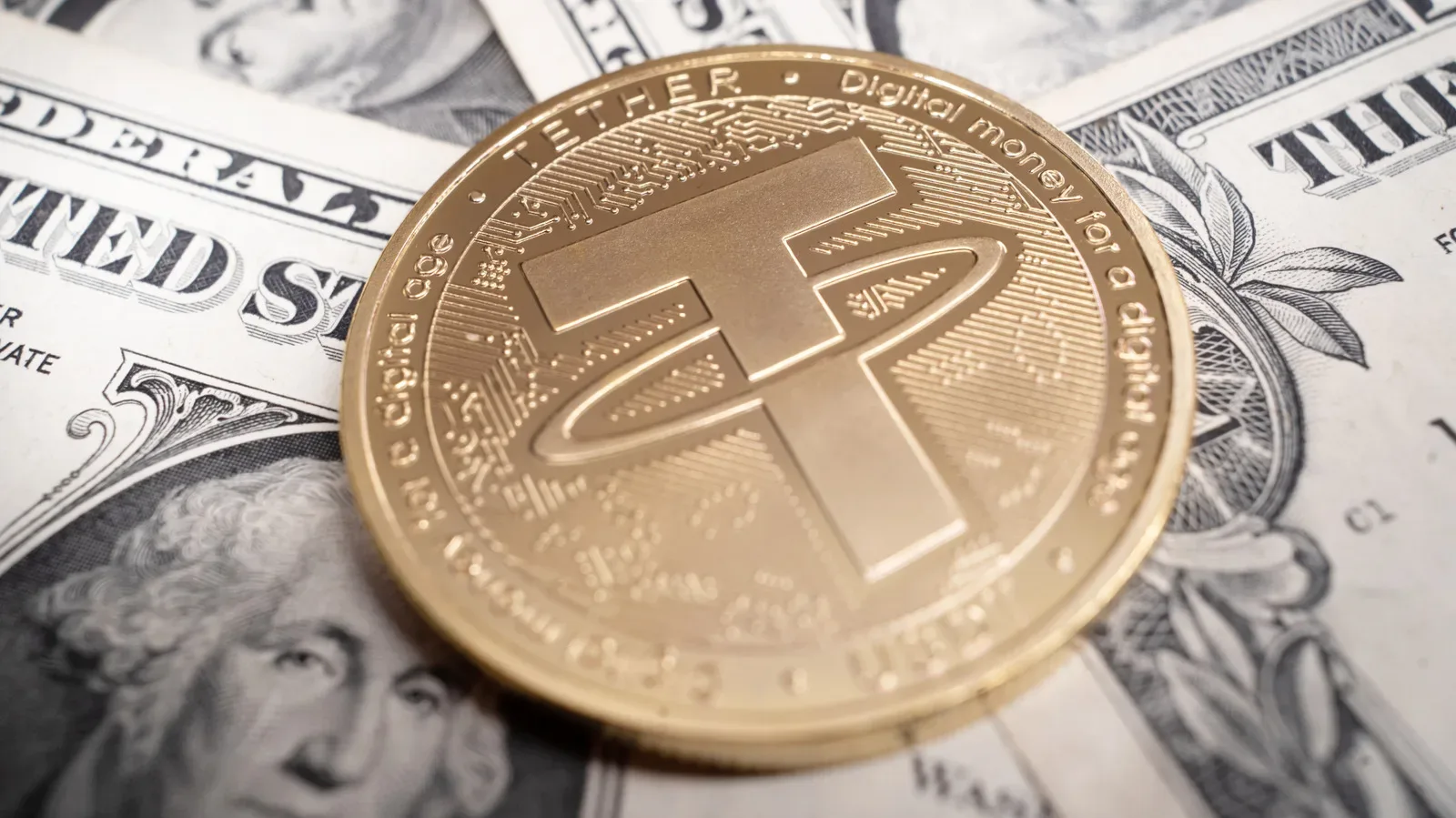
California has enacted a new restriction aimed at stopping public office from becoming a launchpad for speculative crypto tokens. Under legislation signed by Governor Gavin Newsom, the state’s public officials may not issue memecoins. The measure also bars companies from creating a memecoin using the likeness or image of a public official.
It is a narrow rule with a clear political and consumer-protection premise: the authority, recognition and attention attached to an elected office should not be convertible into a tradable token for personal benefit. Newsom framed the policy in direct terms, saying,
“No official should profit off their office — and we're putting stronger protections in place to ensure it doesn't happen in our state.”
The legislation arrives amid wider concern about the risks baked into celebrity- and personality-driven crypto speculation. The governor’s office cited reports concerning President Donald Trump’s memecoin, released in 2025, which said roughly one million investors lost an alleged $3.8 billion buying the token. Those figures are presented as reported losses, rather than a finding established by California’s new law, but they illustrate the kind of financial fallout policymakers are seeking to address.
What California’s new restriction covers
A memecoin is a cryptocurrency whose identity is commonly built around an internet joke, a trend, a celebrity or a public figure. Unlike a token promoted primarily for a stated technical function, a memecoin’s value can be heavily tied to visibility, online momentum and the willingness of later buyers to enter the market. That does not automatically mean every memecoin is fraudulent. It does mean buyers can face unusually sharp swings in price and a market shaped by hype.
California’s approach focuses on a particular conflict: a public official issuing such a token. It also reaches beyond an official personally creating the asset. The bill prohibits a company—whether related to the official or not—from making a memecoin that uses the official’s likeness or image.
That second provision matters because a token can be marketed around a recognizable person even when that person is not the entity technically issuing it. In practical terms, the law attempts to address both direct participation and branding that could trade on an officeholder’s public identity.
The supplied details do not set out every enforcement mechanism, penalty, exception or implementation date. They also do not establish how the rule will be applied to every crypto asset that refers to, parodies or resembles a public official. Those specifics will be important to the law’s real-world reach, particularly because internet culture regularly blurs the line between commentary, parody, unofficial branding and commercial promotion.
Why memecoins create a distinct public-office concern
Financial speculation already carries risk. A public official’s association with a tradable asset adds a separate question: whether the influence of an office can steer attention, confidence or buying behavior toward something from which that official could benefit.
Related coverage includes California Bans Public Officials From Issuing Memecoins.
That is not merely a question of whether buyers read a disclaimer. Public figures can move audiences quickly, and elected officials carry an additional kind of visibility and perceived legitimacy. A token attached to their name or image may attract purchasers who are responding to political affinity, cultural enthusiasm or fear of missing out rather than a sober assessment of risk.
Memecoins can be especially exposed to that dynamic because their appeal often depends less on a stable, measurable use and more on attention. The price can change rapidly as online discussion shifts. Early purchasers may benefit if interest grows; people buying later can be left holding an asset whose market price has fallen sharply. California’s cited reports around the 2025 Trump memecoin put the potential scale of those losses at the center of the debate.
The policy is therefore not simply a statement about crypto. It is an effort to draw a boundary around the monetization of public office. The restriction does not turn every risky token into a government matter. Instead, it targets the situation in which the person with public power, or their official image, becomes central to the speculative product.
A broader package of crypto-related action
The memecoin restriction is part of a wider set of recent state actions involving cryptocurrency. Newsom has also signed measures that create official processes intended to help victims of crypto fraud recover money and that formalize an approach for seizing crypto assets connected to transnational criminal networks.
Those measures address very different points in the crypto-risk chain:
- Fraud-victim recovery processes concern what happens after people have been deceived or money has been lost.
- Asset seizure involving transnational criminal networks concerns the use of crypto assets in activity linked to cross-border criminal operations.
- The public-official memecoin restriction concerns a preventive ethics and consumer-protection boundary before a public figure’s office can be used to promote or support a speculative token.
Together, the actions suggest California is treating crypto less as one standalone policy problem and more as a technology and financial ecosystem with several possible harms: fraud, illicit financial activity and conflicts created by public influence.
That framing is useful because crypto discussions can otherwise collapse very different issues into one label. A victim trying to recover funds after fraud is facing a different problem from an investigator seeking criminally connected assets. Likewise, an officeholder’s ability to issue a branded memecoin is distinct from the underlying technical question of whether blockchains or digital assets have legitimate uses. California’s new actions separate those questions instead of relying on one broad claim about all cryptocurrency.
What consumers should take from the news
The immediate legal change is directed at public officials and the companies that might use their likenesses. But the underlying lesson is broader for anyone encountering a token promoted through fame, identity or a viral moment.
Recognition is not the same thing as reliability. A familiar name can create a powerful impression that an asset is established, endorsed, safe or likely to rise. None of those assumptions follows automatically from a token’s branding. A public identity can draw attention; it cannot remove the possibility that a buyer will lose money.
For consumers, the relevant distinction is between a token’s visibility and its risk. Visibility can be generated quickly through social posts, communities, headlines and cultural affiliation. Risk remains: price volatility, uncertain demand and the possibility that the excitement that drove a purchase disappears just as quickly.
That is why clear rules around public officials have a practical value beyond the people regulated by them. They signal that government office should not function as a marketing engine for an asset whose buyers can bear substantial losses. They also recognize that consumer harm can arise without a complicated technical failure; sometimes, the central risk is simply speculative enthusiasm attaching itself to a famous name.
Digital consumer protection increasingly intersects with everyday technology decisions, from safeguarding phone power and settings to understanding the incentives behind online financial products. For another practical tech-focused example, see how to stop Android battery drain caused by background activity.
Questions that remain
The broad purpose of California’s measure is clear, but the supplied information leaves several legal and practical questions unanswered. The legislation’s exact definitions, consequences for violations and treatment of edge cases are not detailed here. For example, a token built around a public official’s image could raise questions about what counts as use of a likeness, who is responsible for creation and promotion, and how an online asset can be connected to a company.
Those questions do not weaken the central change. California has established a bright policy position: public officials cannot issue memecoins, and companies cannot use an official’s image or likeness to make one. As cryptocurrency continues to overlap with pop culture, political identity and online speculation, that boundary puts official influence outside the memecoin business.
The state has also paired the prohibition with fraud-recovery procedures and a crypto-asset seizure framework directed at transnational criminal networks. The combined result is a more interventionist posture toward crypto-related harm—one focused not only on what happens after money is lost, but on limiting one high-profile route by which public trust could be converted into a speculative product.