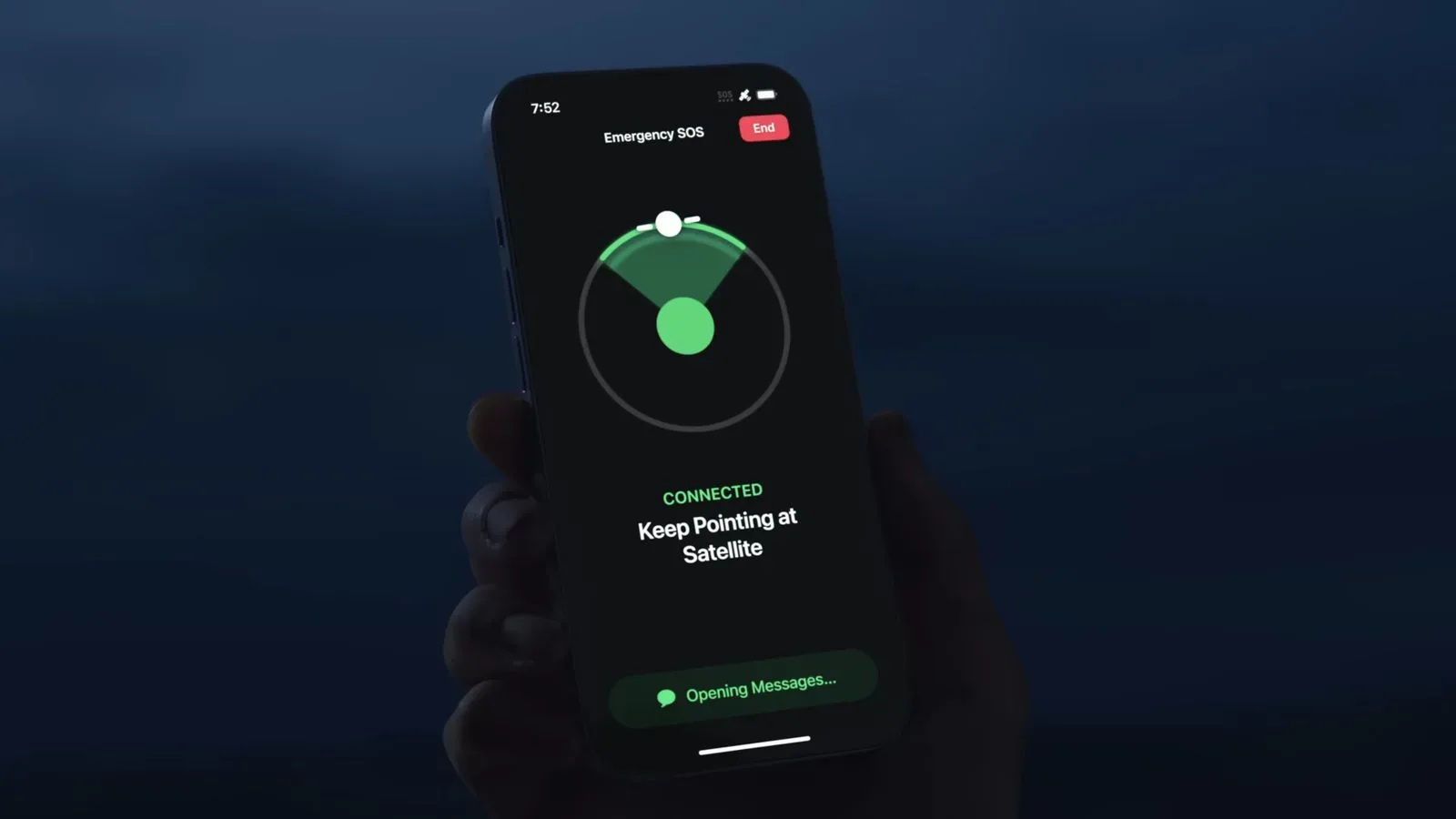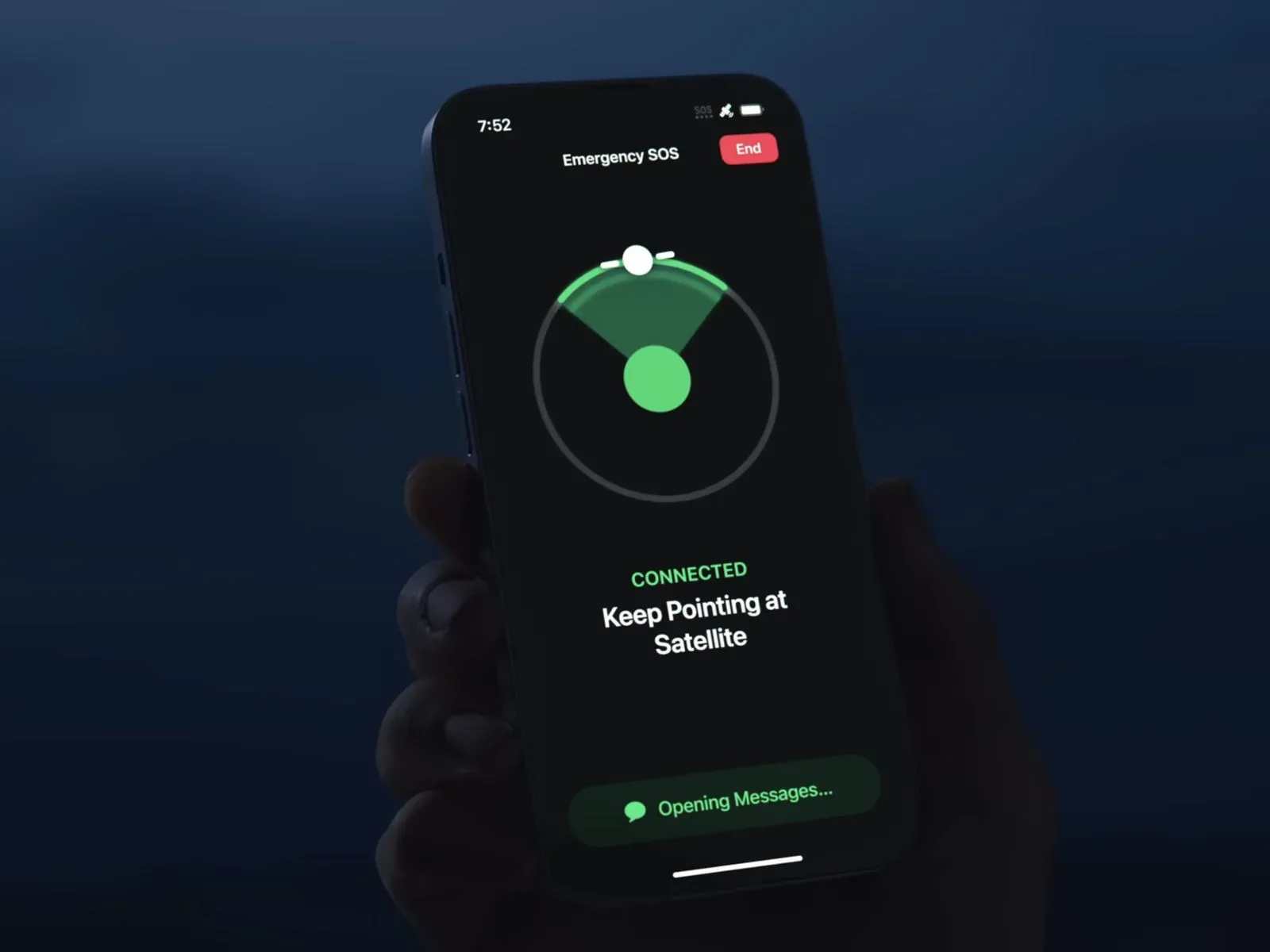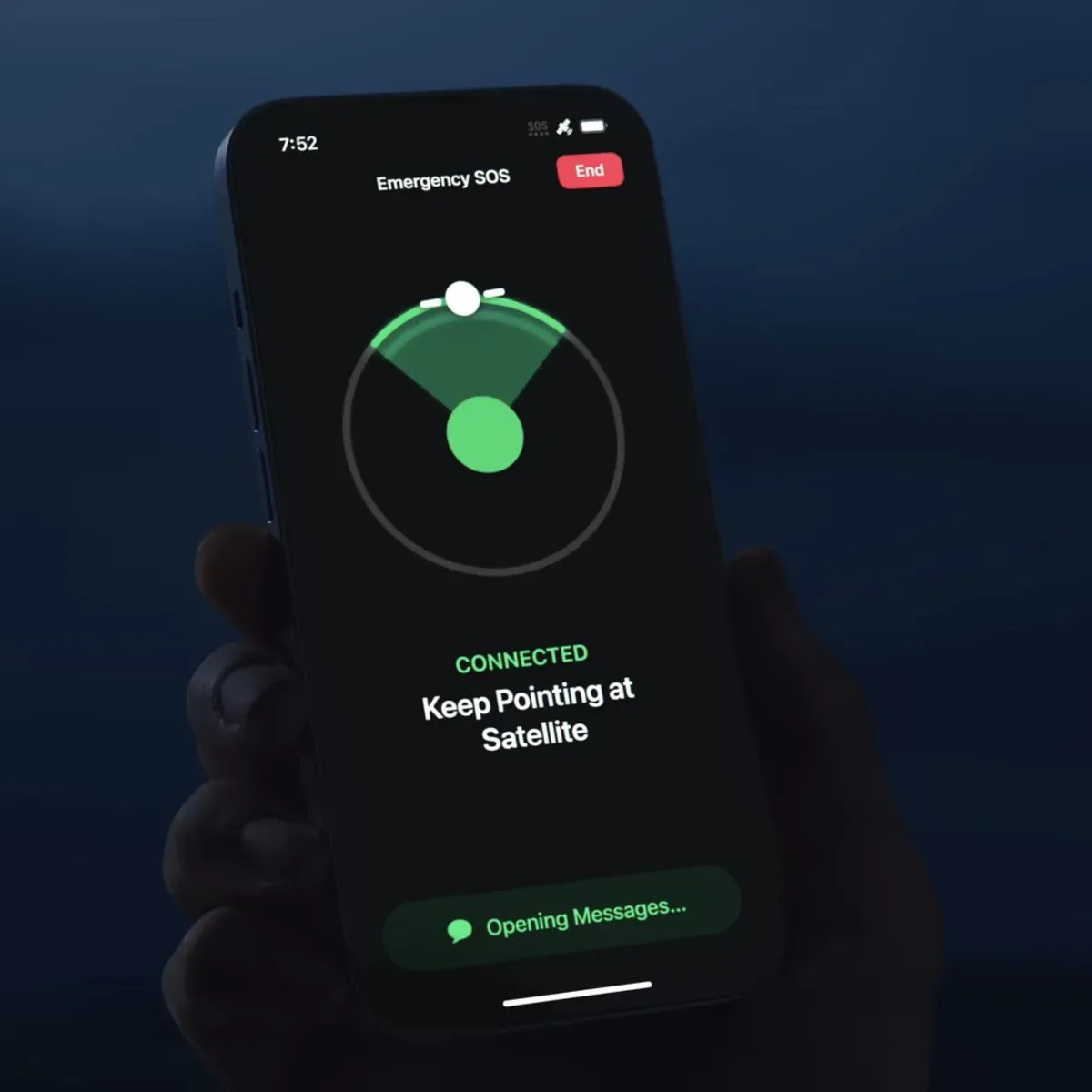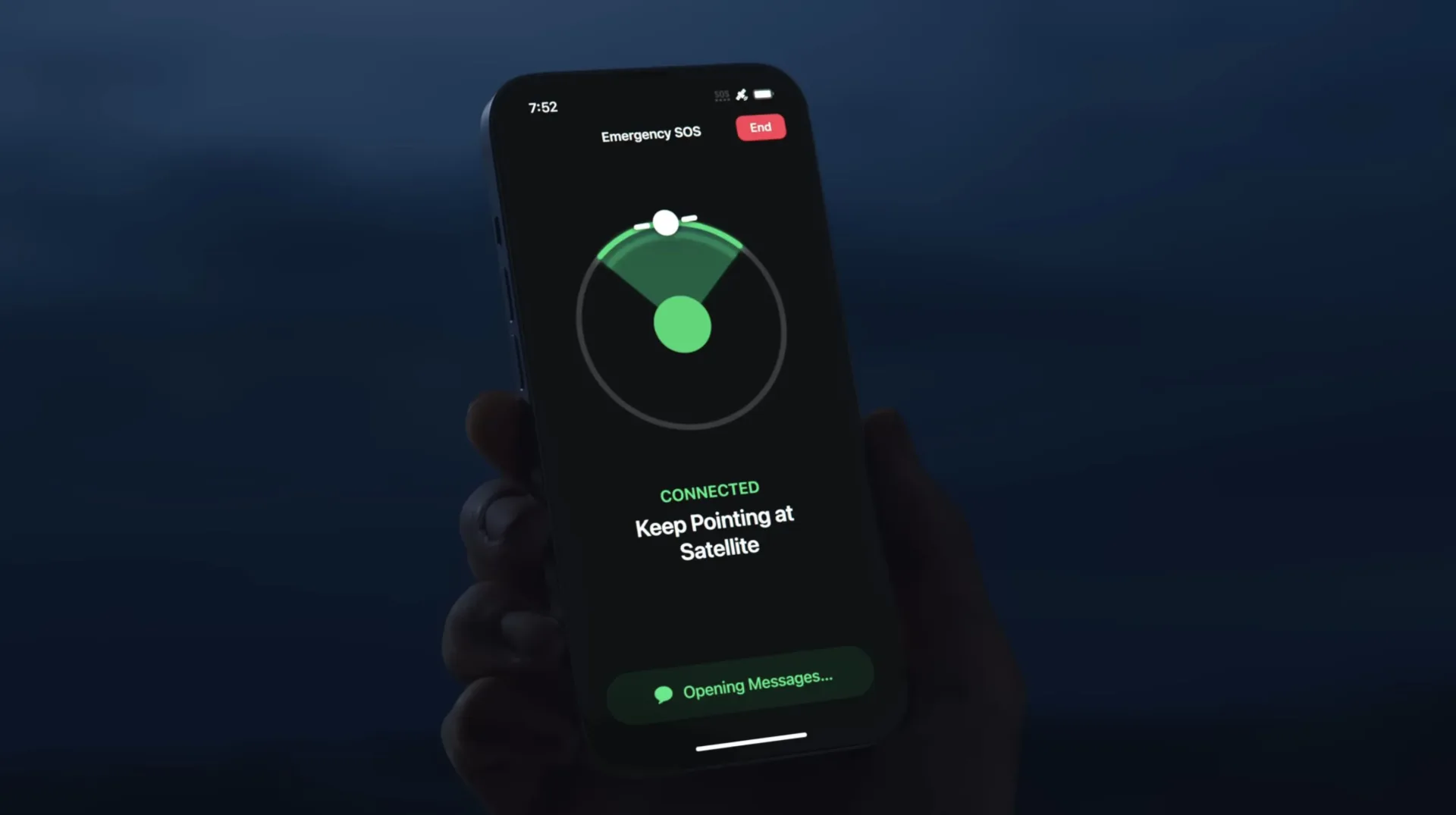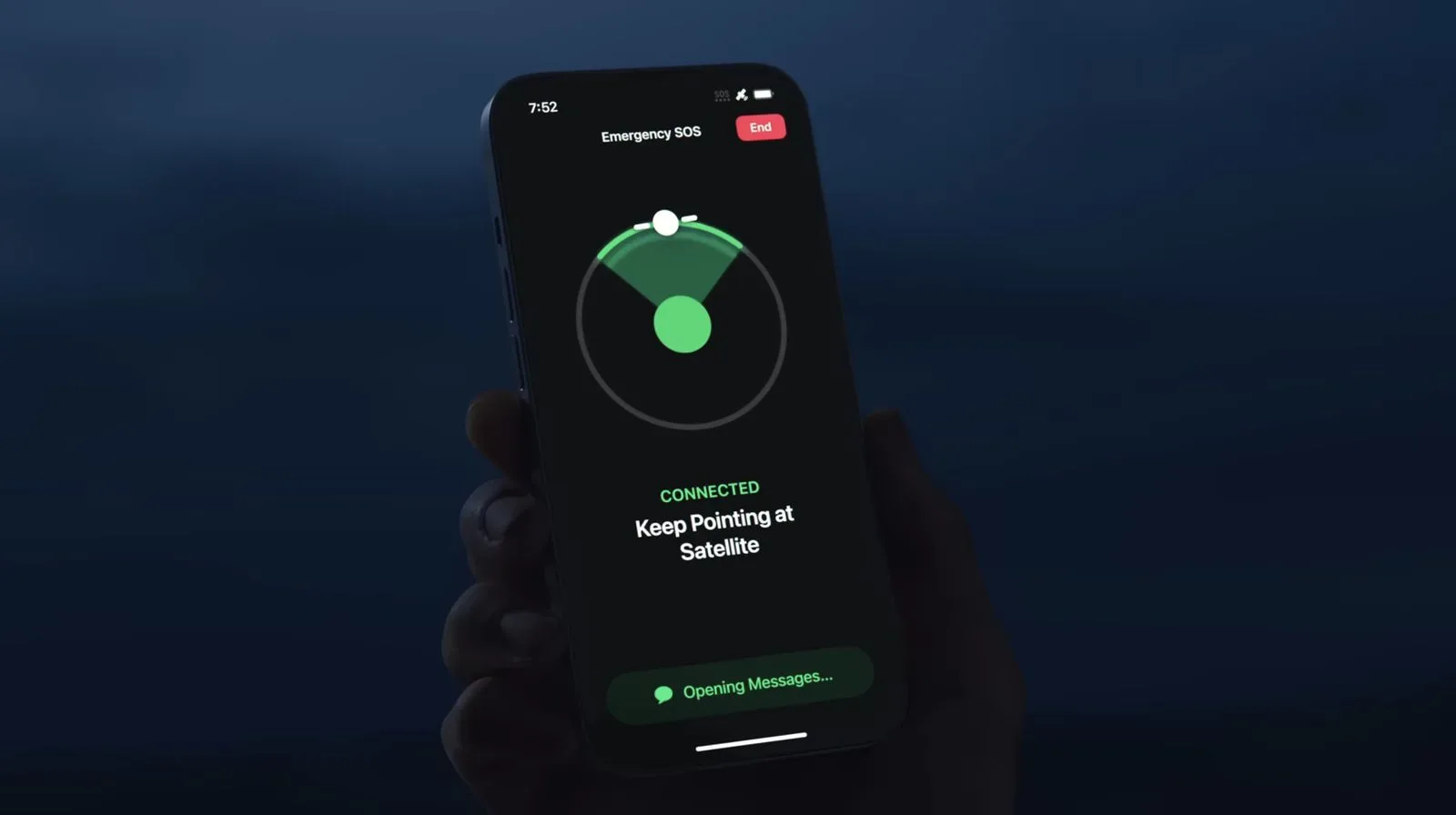
Apple’s Emergency SOS via satellite service is now available in Norway, expanding a safety feature intended for moments when a user is beyond both Wi-Fi and cellular coverage. The service can be used on an iPhone 14 or newer, as well as an Apple Watch Ultra 3 or newer.
For Norwegian users, the feature requires iOS 26.4 on a compatible iPhone or watchOS 26.4 on a compatible Apple Watch. That software requirement matters: owning supported hardware alone is not enough to use the service in Norway.
There is an important regional qualification, however. Apple says satellite connectivity might not work in locations above 62° latitude. That warning should be taken literally by anyone planning outdoor activities, travel, or remote work in northern areas: availability in Norway does not mean that a satellite connection is assured everywhere in the country.
What Emergency SOS via Satellite is designed to do
Emergency SOS via satellite is a backup communication tool, not a replacement for conventional mobile service. When a compatible device is in a supported area but cannot connect through Wi-Fi or a cellular network, it can be used to text emergency services through a satellite connection.
The practical distinction is crucial. Wi-Fi usually comes from a nearby router or access point. Cellular service comes from a terrestrial mobile network. Satellite connectivity instead relies on communication with a satellite overhead. In this case, its stated role is narrowly emergency-focused: helping transmit text-based emergency messages when the usual pathways are unavailable.
That makes it relevant to situations where a phone can still function but the local communications infrastructure cannot be reached. It does not turn a device into a general-purpose satellite internet terminal, and the information available here does not establish support for ordinary messaging, voice calls, web use, streaming, or other data-heavy activity. Users should view it as an emergency fallback, not a substitute for a coverage plan or a dependable connection while travelling.
Compatible devices and software: the checklist
The eligibility list is specific:
- iPhone: iPhone 14 and newer.
- Apple Watch: Apple Watch Ultra 3 and newer.
- iPhone software in Norway: iOS 26.4 or later.
- Watch software in Norway: watchOS 26.4 or later.
There are two separate questions behind that list. First, is the device model supported? Second, is it running the required operating system version? Someone carrying an older iPhone, a non-eligible watch, or a supported model that has not been updated to the stated software level should not assume Emergency SOS via satellite will be available.
Related coverage includes Emergency SOS via Satellite Reaches Norway on Supported iPhones and Apple Watches.
This is especially worth checking before leaving areas with normal coverage. Software updates are ordinarily easiest to obtain while a device has a stable internet connection and sufficient battery power. The feature’s purpose is to help when those normal connections have disappeared, so waiting until a remote emergency is the wrong time to find out whether the required software is missing.
The 62° latitude warning is not a footnote
Latitude is a geographic coordinate that measures a position north or south of the equator. Apple’s notice does not say satellite service will definitely fail everywhere above 62° latitude. It says connectivity might not work there. That uncertainty is significant, because an emergency feature is only useful if a person understands its limits before relying on it.
Satellite communication depends on establishing a usable link between the device and a satellite. The available information does not provide a technical reason for the latitude restriction, nor does it set out a street-by-street or region-by-region coverage map. It would therefore be a mistake to turn the warning into a precise promise about particular Norwegian locations.
The sensible interpretation is more restrained: users in, near, or travelling beyond that latitude should treat the feature as potentially unavailable. They should not let the nationwide launch wording override Apple’s explicit limitation. A compatible iPhone or Apple Watch can be a valuable extra safety option, but it should sit alongside sensible trip planning and other emergency preparations rather than serve as the only communication plan.
Why text is the right expectation here
The service is described as a way to text emergency services. Text communication uses far less data than activities such as sending large media files, participating in a video call, or browsing a modern website. That makes it a practical format for a feature designed around limited, emergency-only communication rather than everyday connectivity.
It also shapes what users should expect in a genuine incident. The value is in being able to convey essential information to emergency services when conventional networks are unreachable. The available details do not describe a broader consumer communications service, so it would be unwise to presume that a satellite emergency message behaves exactly like an ordinary SMS conversation or that it provides normal phone-network features.
In short: the launch provides a potentially important route to request assistance, not a roaming workaround for every offline inconvenience.
Useful preparation before going off-grid
The Norway rollout provides a reason for owners of eligible devices to make a quick pre-departure check, particularly before travelling outside populated areas.
- Confirm the model. Check that the phone is an iPhone 14 or later, or that the watch is an Apple Watch Ultra 3 or later.
- Update early. Make sure the device has iOS 26.4 or later, or watchOS 26.4 or later, while conventional connectivity is still available.
- Keep the feature in perspective. Emergency SOS via satellite is for contacting emergency services when Wi-Fi and cellular connectivity are absent. It is not described as general satellite data service.
- Factor in location. Pay special attention to the warning that satellite connectivity may not work above 62° latitude.
- Maintain another plan. A device feature should supplement, rather than replace, practical preparation for remote travel and an understanding of local conditions.
For travellers whose main concern is ordinary internet access for handhelds, laptops, or other devices, a satellite emergency feature addresses a different problem entirely. A travel router can help organize available hotel Wi-Fi or hotspot access, but it cannot create a connection where neither Wi-Fi nor cellular service exists. Emergency SOS via satellite is likewise not a substitute for those everyday-network tools; it is intended for an emergency when the ordinary options are gone.
What the rollout does—and does not—promise
The key news is straightforward: Norway is now a supported location for Emergency SOS via satellite on the specified Apple hardware and software. For compatible-device owners, that adds a safety-oriented communications option in qualifying situations where Wi-Fi and cellular networks cannot be reached.
The boundaries are equally clear. The feature requires compatible products, up-to-date software, a supported area, and conditions in which satellite connectivity can work. Apple’s latitude warning places a notable caveat on the Norwegian rollout, especially for use above 62° latitude. Anyone evaluating the feature should plan around those stated constraints rather than assuming blanket service across every location.