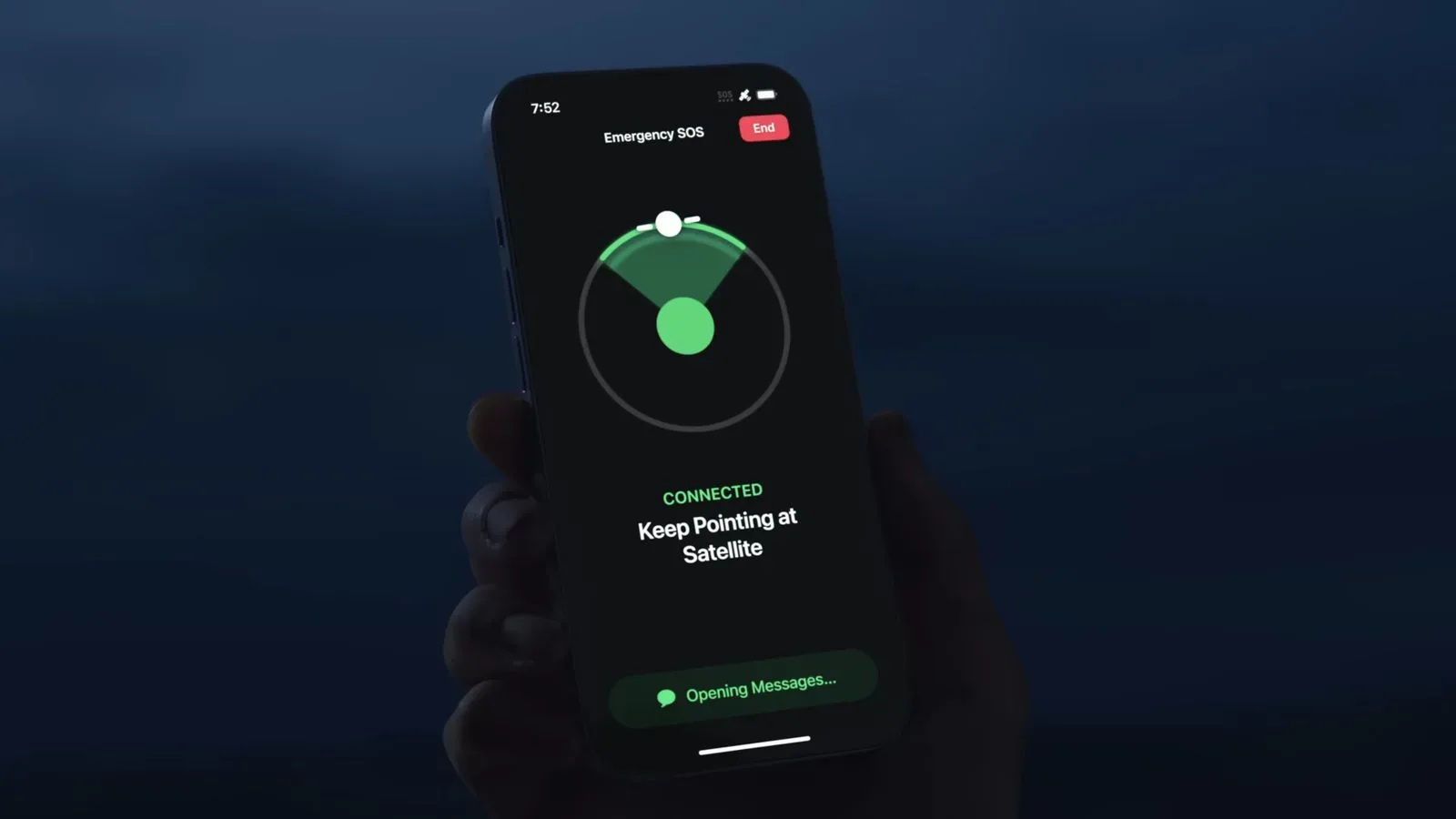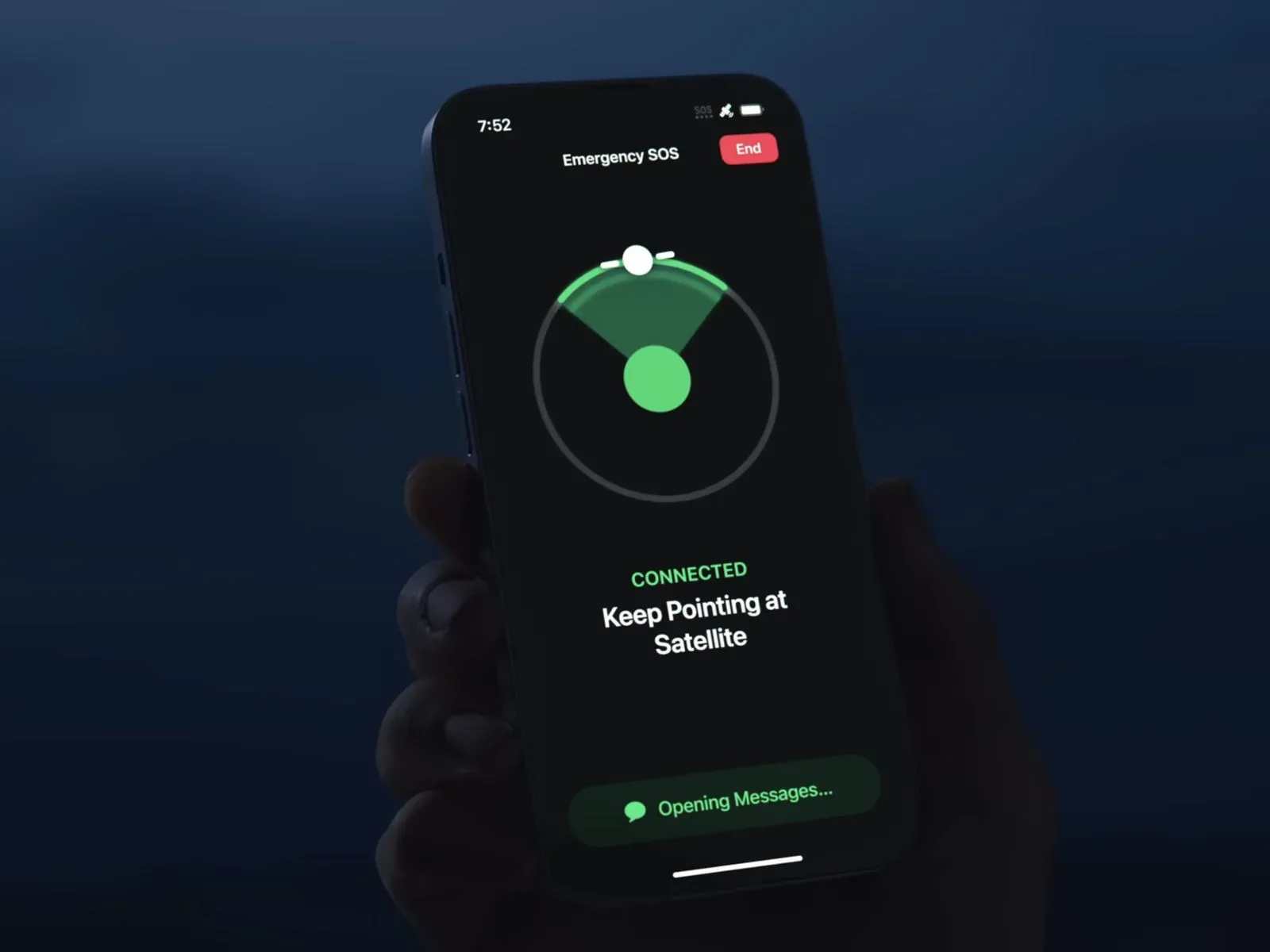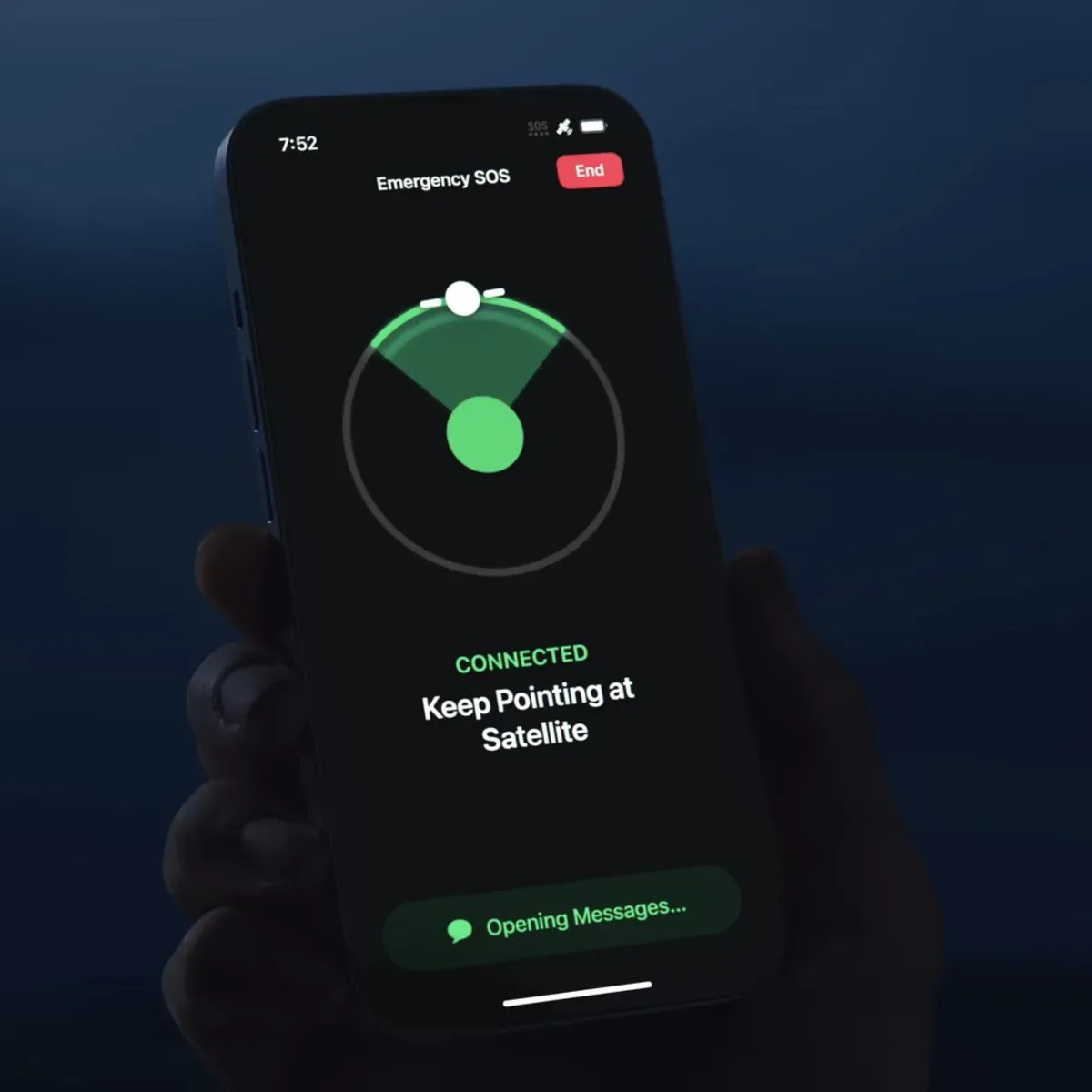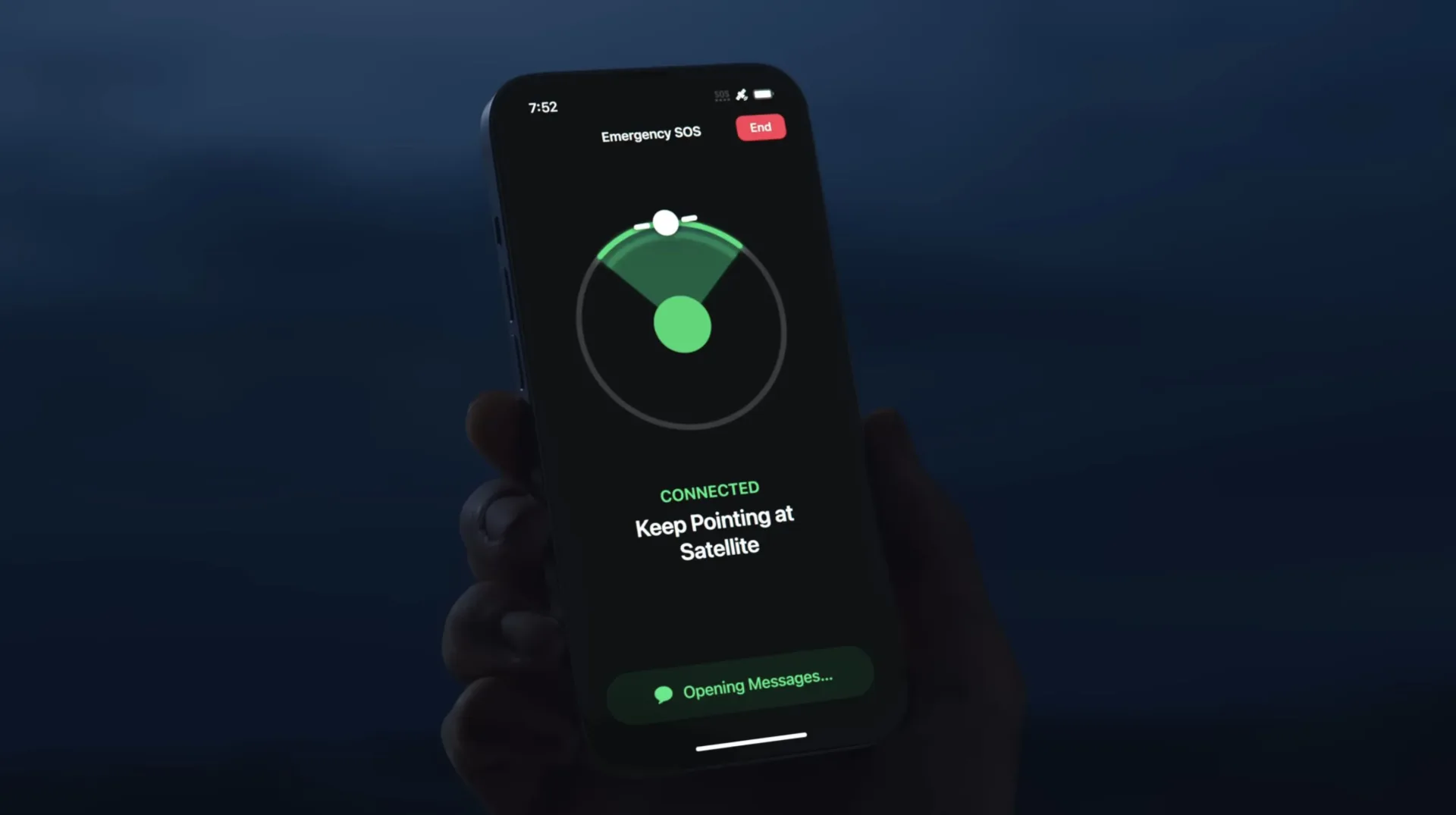
Apple is keeping an important off-grid iPhone safety net switched on for longer. Owners of eligible iPhone 14, iPhone 15 and iPhone 16 models are receiving an additional year of free access to the company’s satellite-based features, extending a benefit that was initially presented as a limited-time inclusion with the iPhone 14 family.
The renewed access applies to devices activated in a country where Apple’s satellite services are supported before midnight Pacific Time on September 9. That activation requirement is the key detail: this is an extension for qualifying existing devices, rather than a blanket promise for every handset purchased or activated after that deadline.
For people who venture into areas with weak or nonexistent cellular coverage, the practical value is straightforward. Satellite features are intended to help when the usual connectivity options have failed—no carrier signal, no Wi-Fi, and suddenly a phone is less a social feed machine than a compact emergency tool with a view of the sky.
The timing also puts the extension alongside Apple’s newest phone rollout. The company disclosed the update in material for the iPhone 18 Pro and iPhone 18 Pro Max, following the wider iPhone news cycle that includes iPhone 18 Pro pre-orders and its scheduled release. But this particular benefit is centered on the previous three iPhone generations, not solely on the new models taking the spotlight.
Which iPhones are covered?
The extension covers iPhone 14, iPhone 15 and iPhone 16 users whose devices meet the activation and supported-country conditions. It provides at least another 12 months at no additional charge for those eligible owners.
Apple’s arrangement has evolved in stages. The iPhone 14 launched in November 2022 with a two-year period of satellite feature access. That original window was later pushed back in 2025, and it has now been extended again. This makes the latest announcement at least the third free-access extension for iPhone 14 owners.
For iPhone 15 users, the free period had been expected to end this year, but it is also being rolled forward. iPhone 16 owners join this rolling extension structure for the first time. In other words, there is no announced final billing day for these qualifying users right now—only a further year of access.
There is an important limit to what is known. Apple has not said whether satellite access will eventually require a subscription, what such a plan could cost, or whether different feature tiers might exist. The extension should not be read as confirmation that the service will remain free forever. It simply preserves free use for another year for the eligible iPhone 14, 15 and 16 population.
The satellite toolkit, explained without the sci-fi fog
Apple groups several functions under its satellite feature umbrella. They do not all have the same availability in every market, so an iPhone owner should not assume that every option is enabled merely because one satellite tool works in their country. The availability of each service varies by location.
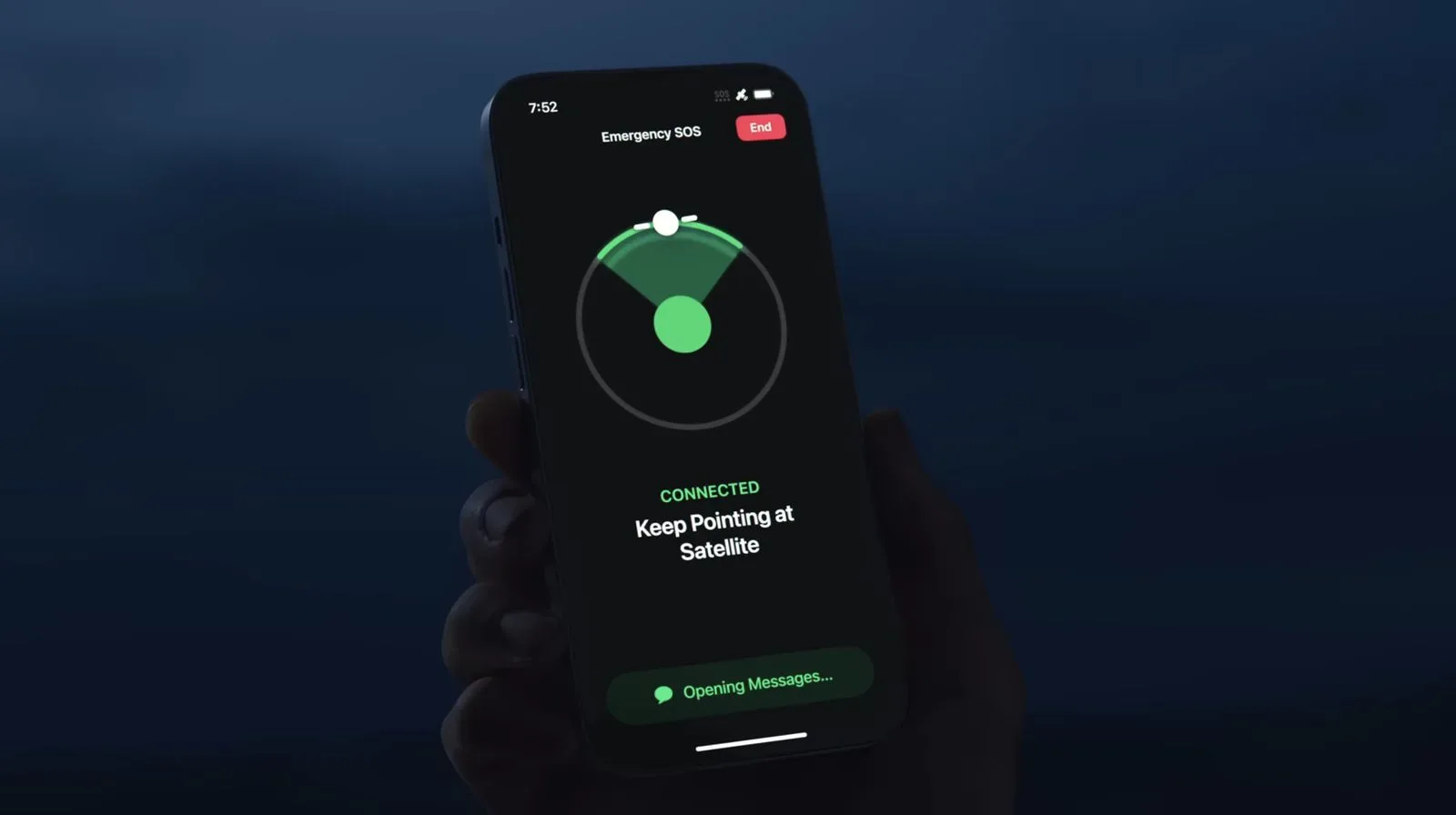
- Emergency SOS via satellite: Designed to help a user contact emergency services when conventional cellular and Wi-Fi connections are unavailable.
- Messages via satellite: Lets users send messages when they cannot reach a cellular network or Wi-Fi connection.
- Find My via satellite: Allows location sharing through Apple’s Find My ecosystem in situations where ordinary connectivity is absent.
- Roadside Assistance via satellite: Aims to help users seek roadside assistance while outside cellular and Wi-Fi coverage.
The shared idea is resilience. A phone cannot magically create a standard data connection from the middle of nowhere, and satellite communication comes with environmental and regional constraints. But when a user has a suitable iPhone, access to the relevant service in their country, and a clear enough path to the sky, these features offer an alternate route for urgent contact, status updates and location sharing.
That makes the service especially relevant for travelers, hikers, drivers on long rural routes and anyone whose weekend plans include territory where the map is more reliable than the bars in the status area. It is also a useful reminder that personal technology can matter most at the exact moment it is least entertaining.
Globalstar remains part of the connection
Apple’s satellite functions rely on its partnership with Globalstar. The system is built to bridge the connectivity gap when a participating iPhone cannot use terrestrial networks. Rather than replacing traditional mobile service, the satellite option is a fallback for moments where mobile towers and home broadband are not in reach.
The distinction matters because satellite messaging is not the same as having full-speed phone service anywhere on Earth. A user should expect the experience to be purpose-built around communication and assistance features, rather than treat it as an all-purpose substitute for streaming video, multiplayer downloads or a last-minute patch for a game that has somehow grown to the size of a small moon.
Apple also continues to frame these functions around safety and communications in disconnected places. Emergency contact, location information, messages and roadside support are the central use cases. Their usefulness depends on the service being offered in the user’s country, as well as the exact feature in question.
Why the activation date deserves attention
Anyone with an iPhone 14, 15 or 16 should pay close attention to the language around activation. The cutoff is midnight Pacific Time on September 9, and the device must have been activated in a country that supports Apple’s satellite features before that point. The announcement does not establish a new eligibility route for devices activated later.
That means the news is best understood as a continuation of an existing free benefit for qualifying owners. It is not a newly announced free trial for every future activation of an older iPhone model. People considering a used device or activating an unused phone after the deadline should be cautious about assuming they receive the same treatment.
It is also worth separating device eligibility from feature availability. A covered iPhone model does not erase country-level restrictions. Apple’s individual satellite services can vary by market, so users should check which capabilities apply where they live or travel before treating a particular feature as part of their emergency plan.
A recurring extension, not a settled business model
The repeated extensions make one thing clear: Apple has not yet moved qualifying iPhone owners into a paid satellite plan. They do not, however, reveal what the permanent model will be. Apple has left the future price—if there is one—unconfirmed.
That uncertainty is meaningful because the original iPhone 14 offer was explicitly tied to a two-year period. Extending it again means owners are receiving more than the initially stated free window, while Apple retains flexibility to decide later how it wants to handle access. The company could eventually charge, keep certain features free, revise eligibility, or take another approach; no outcome has been confirmed.
For now, the immediate takeaway is pleasantly uncomplicated. Eligible iPhone 14, iPhone 15 and iPhone 16 owners can continue using the available satellite capabilities for at least one more year without an added fee. In a product category packed with annual upgrade pressure and recurring-service questions, an extension that asks nothing from the user is a rare kind of notification: one worth reading before swiping away.
And for anyone who owns one of the covered devices, it may be a good time to become familiar with the relevant satellite options before an emergency, a dead zone or a stranded-car situation makes the learning curve feel considerably less theoretical.