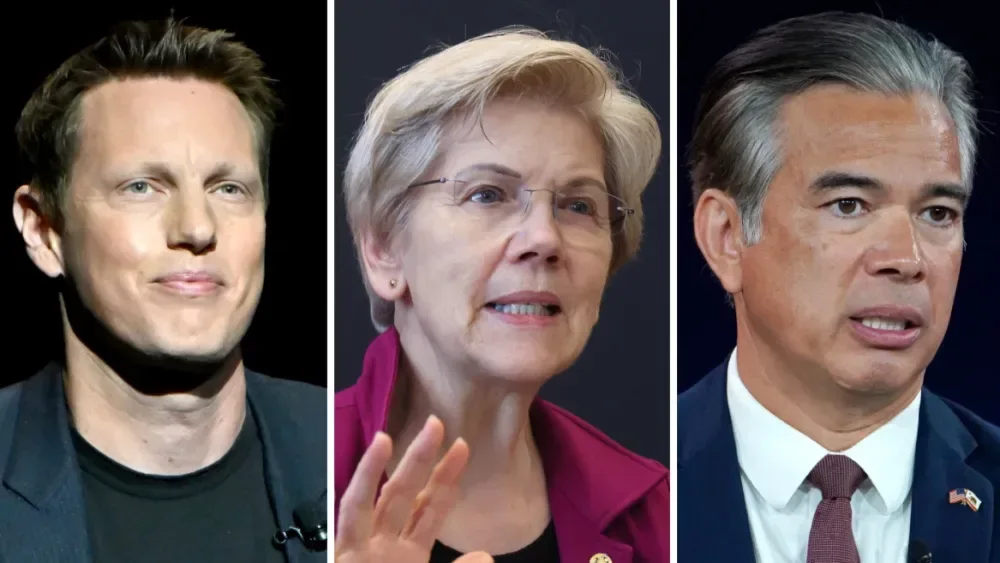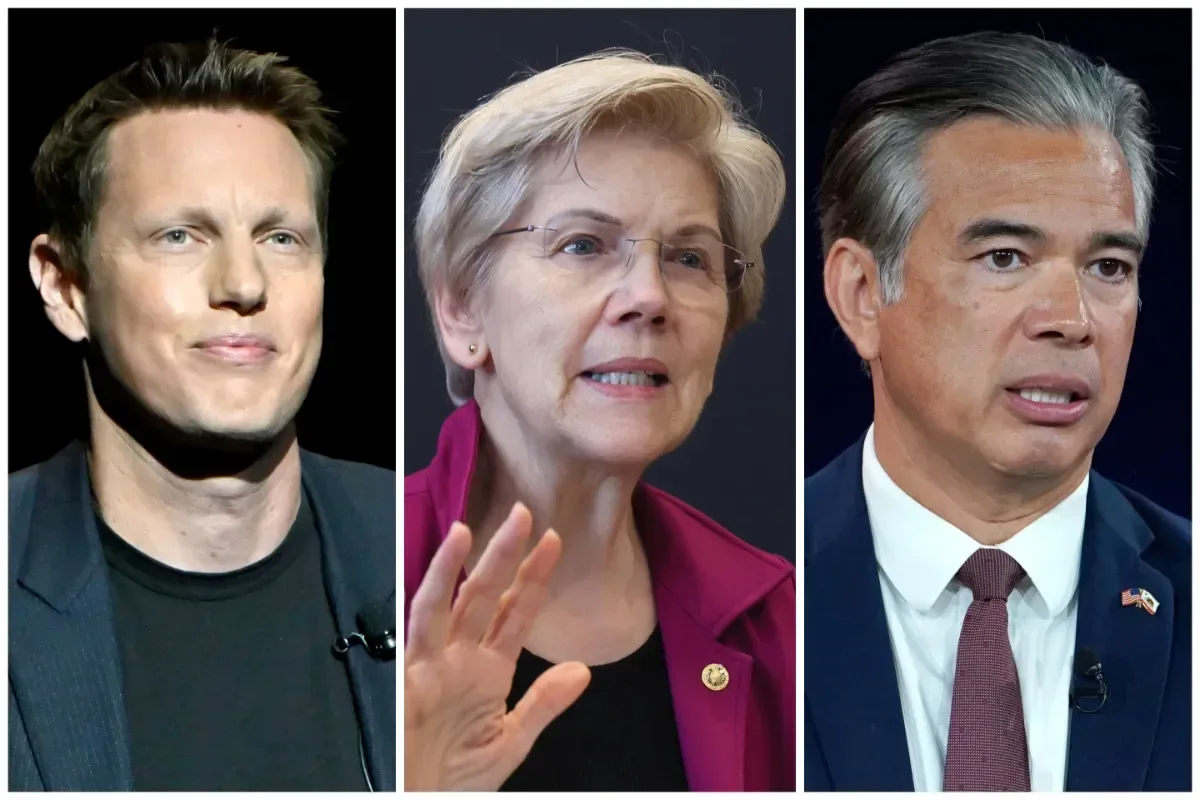
Sen. Elizabeth Warren has urged opposition to a potential settlement that could clear the way for Paramount Skydance’s proposed merger with Warner Bros., describing the prospect as a “massive mistake” in a social-media post. Her comments connect the $111 billion deal’s uncertain legal path with a separate, immediate dispute over press access at the White House.
The Massachusetts Democrat’s argument is not simply that a large entertainment-company combination could reduce competition. It is that ownership concentration, political influence and the ability of news organizations to challenge government power can intersect in ways that deserve unusually close scrutiny.
“As Trump tries to ban CNN from the White House, it would be a massive mistake to cave on the Paramount merger,” Warren wrote. She added that the country does not need “another Trump-controlled media conglomerate” capable of using its power to suppress competition, calling the proposed combination dangerous.
What has happened with White House access
President Donald Trump said Friday that CNN, MS NOW and Politico would be barred from the White House over what he characterized as “fake news” reporting. On Saturday, staff members from those outlets were reportedly denied access to the White House.
CNN said its journalists had been refused entry to the White House grounds and said it would continue reporting on the federal government despite restrictions on physical access. The network called the move an illegal assault on its constitutional right to report without government interference.
Physical access matters to daily political journalism even in an era of livestreams, written statements and remote briefings. Reporters on the grounds can ask questions in person, observe activity that may not appear in prepared communications, and speak directly with other journalists and officials. Denying access does not automatically stop an outlet from covering a government, as CNN emphasized, but it can make ordinary newsgathering more difficult and can signal an attempt to determine which organizations receive routine institutional access.
That is the backdrop for Warren’s intervention. Her post does not establish that a merged Paramount Skydance and Warner Bros. would act at the White House’s direction. Rather, it presents a political and competition-policy warning: in her view, the reported restrictions on several news organizations demonstrate why a further consolidation of major media assets should not be resolved with a settlement that removes state opposition.
The proposed deal remains tied up in litigation
David Ellison’s proposed Paramount Skydance-Warner Bros. transaction is valued at $111 billion. It is currently at a standstill because California Attorney General Rob Bonta and 11 other state attorneys general have brought a lawsuit involving the deal.
There is, however, a possible route around the present impasse. A report published Friday said the Paramount Skydance side was in advanced settlement discussions with Bonta and the states, citing anonymous sources. “Advanced talks” is not the same thing as a completed agreement. No settlement terms are described here, and the account does not establish that a deal will be reached, approved or sufficient to allow the transaction to close.
That distinction is important. A lawsuit can stop or delay a merger while it is being litigated. A settlement generally means parties agree to end all or part of the dispute under specified terms. In merger cases, those terms can be central to the public-interest debate because they determine what obligations, limits or changes—if any—are attached to the underlying transaction. Without disclosed terms, it is not possible to assess whether a potential settlement would address the states’ concerns.
Why media consolidation raises a different set of stakes
Entertainment mergers are often discussed through consumer-facing questions: what happens to streaming libraries, studios, television brands, sports rights, creative jobs or subscription bills? Those questions are relevant, but Warren’s statement puts another issue at the center: the role of a giant media company when its properties include organizations that shape public understanding of politics and public policy.
Competition, in this context, does not only refer to whether multiple companies bid for the same program or advertising dollar. It can also mean whether viewers, readers and advertisers have multiple independently controlled outlets from which to choose. Independent ownership does not guarantee identical editorial judgments—or universally trusted coverage—but it can limit the extent to which one corporate leadership structure controls a broad range of platforms and audiences.
Warren’s framing also focuses on power rather than content. Her concern is that a consolidated company could have enough market and cultural influence to make it harder for rivals to compete, particularly if political relationships affect how that power is exercised. That is an argument about risk and governance, not a factual claim that a future merged company has already censored journalism or altered its editorial work.
The White House access dispute gives that warning urgency. When a government labels outlets as illegitimate and restricts their reporters’ presence, the episode becomes a test of how institutions respond to pressure. Newsrooms may continue publishing; audiences may find reporting through websites, television and social platforms; and courts or other authorities may weigh the legality of access limits. But the underlying tension remains: whether officials can use access as leverage against critical reporting.
What is known, and what is still uncertain
The known facts are comparatively narrow. Trump announced an intended ban on CNN, MS NOW and Politico from the White House. Staffers from the outlets were then denied access Saturday morning. CNN publicly objected and said the restriction infringes a fundamental constitutional right. Separately, the Paramount Skydance-Warner Bros. deal is stalled by litigation from Bonta and 11 other state attorneys general, while reports indicate settlement discussions may be well underway.
Much else remains unresolved. The supplied information does not spell out the legal claims in the state lawsuit, the remedies being sought, the companies’ arguments, or the conditions that could appear in a settlement. It also does not establish the final status, scope or legal justification of the White House restrictions, beyond the reported denial of access and CNN’s response.
Those gaps should shape how the story is read. The merger is not described as completed. The settlement is not described as signed. And Warren’s allegation of potential political control is her warning about what approval could enable, rather than a demonstrated description of a finished corporate structure.
Why the story extends beyond traditional television
Media ownership debates increasingly reach into the broader entertainment business because major companies distribute material across television, film, streaming, digital platforms and adjacent consumer ecosystems. Consolidation can therefore matter to creators, audiences, advertisers and business partners at the same time. For industries that rely on a changing mix of platform holders and distributors, the number and independence of large buyers can affect the negotiating environment even when a specific merger does not directly involve their product category.
That wider ownership question is also relevant to gaming and interactive entertainment, where corporate deals can alter who controls distribution, intellectual property and audience reach. The broader relationship between political connections and major entertainment transactions has become part of industry discussion, as seen in reporting on questions surrounding the EA deal. The situations are distinct, but both illustrate why stakeholders look beyond a headline valuation when considering who gains control and how power may be exercised.
For now, the Paramount Skydance-Warner Bros. matter remains defined by its unresolved state challenge and the possibility of a negotiated resolution. Warren is arguing that officials should not treat a settlement as a routine off-ramp. In her view, the White House’s treatment of CNN, MS NOW and Politico makes the consequences of permitting another large media consolidation more serious, not less.
Whether the parties reach an agreement with the states, whether the litigation continues, and what any eventual terms require will determine the next concrete chapter. Until then, the most consequential questions are the ones still unanswered: what protections, if any, would a settlement impose; how would the combined company be governed; and how much weight should regulators give to concerns about concentrated media influence during a conflict over press access?