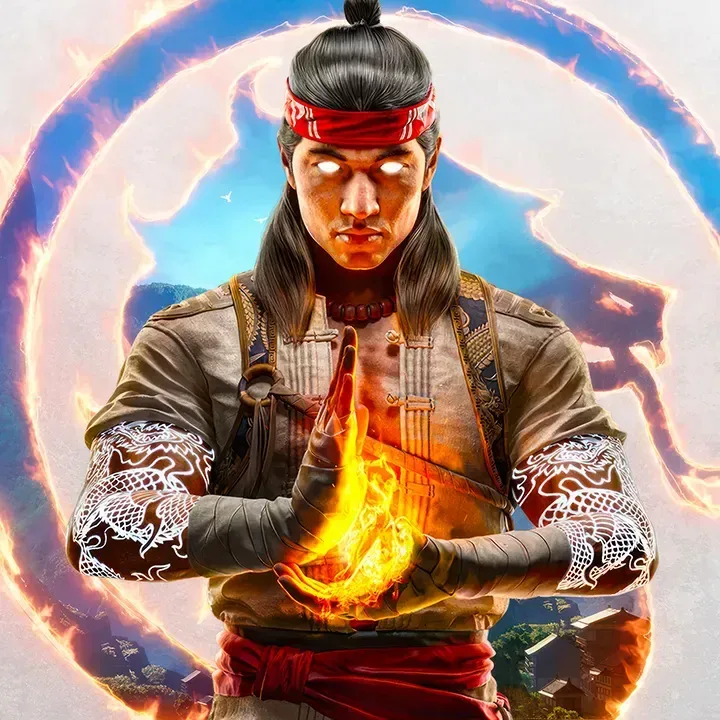
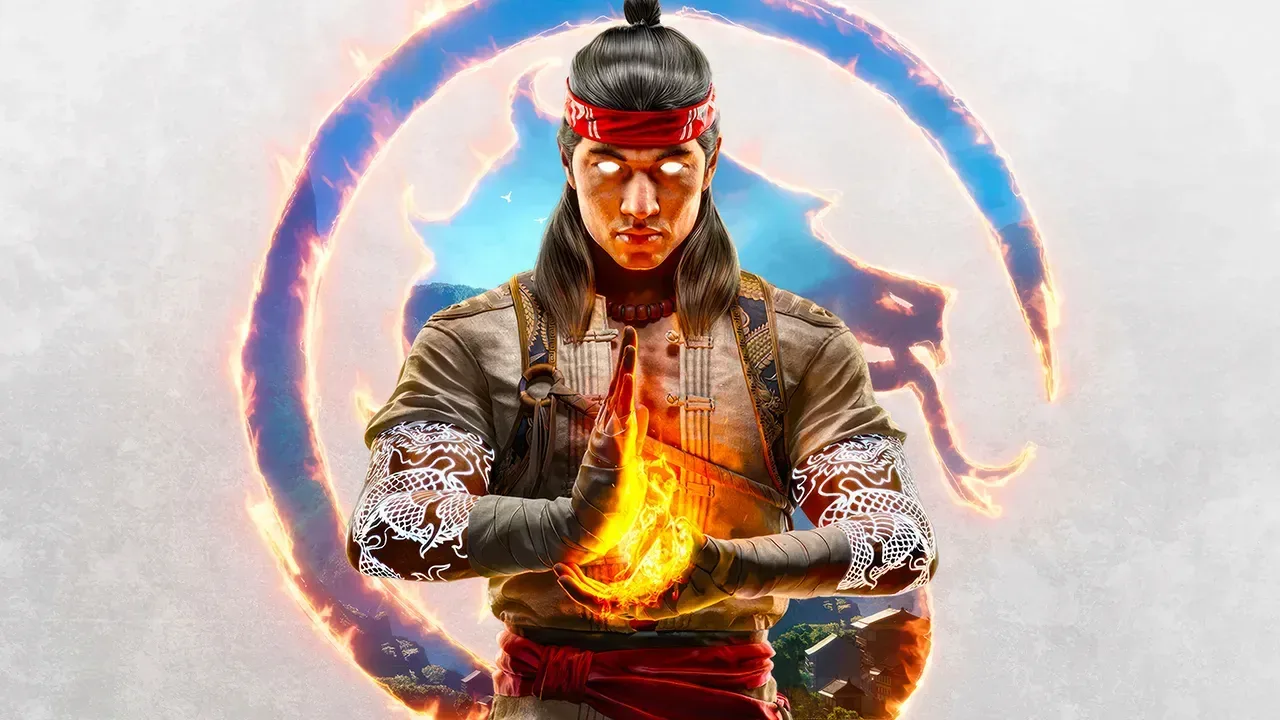
Ed Boon has given Mortal Kombat fans a new, very small, very combustible thing to debate: what the next game should be called. In a November 6 poll on X, the Mortal Kombat co-creator asked followers to choose between Mortal Kombat 13, Mortal Kombat 12, and Mortal Kombat 2.
At the time the poll figures were reported, Mortal Kombat 2 led with 43% of responses. Mortal Kombat 13 followed with 33%, while Mortal Kombat 12 had 23%. It is an early snapshot of social-media voting rather than a product announcement, but the choices neatly capture the franchise’s unusual naming problem: after a rebooted Mortal Kombat in 2011 and 2023’s Mortal Kombat 1, a number can mean several different things to several different players.
The key point is restraint. Boon previously confirmed in May 2026 that another Mortal Kombat game was in development. This poll does not establish a final title, release window, platforms, roster, gameplay system, or whether any of its three options is actually under consideration internally. It does, however, put a long-running fan argument directly in front of the person most closely associated with the series.
Why all three names make sense — and why none is simple
Mortal Kombat 13 is the most straightforward continuation on paper. It acknowledges the series’ numbered lineage and gives the next entry a familiar sequel identity. For players who count every mainline game regardless of reboots, it also feels like the cleanest progression.
Mortal Kombat 12 reflects another way fans have counted the games, treating the 2023 release as Mortal Kombat 1 rather than the twelfth numbered installment. That logic has an appeal: it preserves a modern sequence while recognizing that the newest game made “1” an official title rather than merely a shorthand for the original.
Mortal Kombat 2, the early poll leader, would lean fully into the 2023 reset. The current game established a new starting point under the Mortal Kombat 1 banner, so “2” would be the most direct sequel label within that rebooted continuity. It is also an instantly recognizable name, even if it invites obvious questions about how it relates to the older Mortal Kombat II.
That ambiguity is precisely what makes the poll interesting. A franchise title is not only a filing label; it tells audiences how to orient themselves. A high number signals legacy and cumulative history. A lower number can suggest a fresh starting line. Neither approach reveals what the next game will actually play like, but each primes a different expectation before a trailer even begins.
A poll is a temperature check, not confirmation
Fan polls can be useful as a measure of immediate enthusiasm, but they are not a substitute for a development roadmap. The people who see and answer a post are a self-selecting slice of the community. Results can shift as the poll circulates, and a favorite name does not tell a developer whether players agree on fighting mechanics, online support, competitive rules, story direction, post-launch plans, or character selection.
Related coverage includes Ed Boon Polls Fans on Whether the Next Mortal Kombat Should Be MK2, MK12, or MK13.
That distinction matters especially here because Mortal Kombat players have been waiting for firmer news. Mortal Kombat 1 stopped receiving new content updates in May 2025, leaving the community without an ongoing update pipeline for the current title. Its tournament profile has also been described as comparatively weak. In that setting, even a naming poll can read as a sign of movement—though it should not be mistaken for a promise of imminent news.
For practical purposes, the safest takeaway is narrow: the next Mortal Kombat is known to be in development, and Boon has publicly asked fans which of three naming directions they prefer. Everything beyond that remains unconfirmed.
What the naming debate says about Mortal Kombat 1
The title Mortal Kombat 1 made a deliberate claim. It positioned the game as a beginning, despite Mortal Kombat being one of fighting games’ most established names. That was a bold branding choice because the series already has a long, heavily numbered history. The new poll exposes the inevitable sequel question: if “1” is a reboot marker, does the follow-up become “2”? Or does the franchise return to the broader count?
There is no universal answer because players use “reboot” in more than one way. In the simplest sense, a reboot restarts a property’s narrative or identity so newcomers can enter without treating every prior chapter as required homework. But branding does not always follow narrative continuity. A publisher can use a fresh title to signal change while still preserving a long-running series’ identity, competitive audience, and recognizable characters.
Calling the next game Mortal Kombat 2 would emphasize accessibility and continuation from the latest starting point. Calling it Mortal Kombat 13 would emphasize that, reboot or not, Mortal Kombat remains a decades-spanning series with a substantial mainline legacy. Mortal Kombat 12 sits between those impulses: it retains a sequence but does not make the latest “1” the sole organizing principle.
For fans, the sensible response is to separate the label from the game itself. A title can communicate intent, but it cannot by itself answer whether the next entry will be designed around competitive longevity, a different pace of combat, new single-player priorities, or a revised approach to ongoing support. Those are the details worth watching for when NetherRealm eventually discusses the project more fully.
Boon’s Marvel question adds another fighting-game talking point
Boon posted a second poll asking which prospective Marvel fighting game followers would rather see next: Marvel Tokon 2 from Arc System Works or Marvel vs. Capcom 4. The latter was the overwhelming favorite among respondents.
That question is separate from the Mortal Kombat naming vote, and it should not be treated as evidence of a Marvel project involving Boon or NetherRealm. It is nonetheless notable coming from the developer associated with the Injustice fighting-game series. It also lands during an active period of debate around Marvel fighting games: Marvel Tokon has generated discussion about its player count and PC launch, while opinions differ over its competitive feel. Meanwhile, Marvel vs. Capcom has regained attention after Marvel vs. Capcom: Infinite’s troubled reception, with the Beyond fan mod cited as one part of that renewed interest.
In fighting-game shorthand, the FGC means the fighting-game community: the overlapping groups of players, tournament organizers, commentators, lab-focused competitors, casual fans, modders, and creators around the genre. The term matters because a fighting game’s health is measured through more than sales or a launch-week conversation. Tournament participation, online activity, mod support, matchup discovery, and the willingness of people to keep organizing events all influence whether a title retains a visible community.
That broader context helps explain why a hypothetical Marvel vs. Capcom 4 attracts such a strong reaction. The response is not proof that a new game exists or is imminent. It is a clear signal of residual demand for a series that still has a passionate audience, even after its most recent installment struggled to sustain momentum.
Marvel’s reach also extends well beyond fighting games, as the conversation around Spider-Noir’s one-season approach illustrates. But Boon’s question was focused on a different issue: which competitive Marvel fighting-game future fans would most like to see.
Injustice rumors remain rumors
The polls arrive alongside continuing speculation about Injustice 3. Reports of stunt performers’ resumes listing the project and claims of playtests have fueled talk that another Injustice entry is on the way. None of that is a replacement for a formal reveal.
Boon addressed one wave of September speculation that asserted NetherRealm was externally testing Injustice 3, Mortal Kombat 13, and/or Mortal Kombat 9. He called those claims false, while adding an important qualification: a game not being tested externally does not necessarily mean it is not in development.
The wording is useful because it draws a line between two different things. External testing means playtesting outside a developer’s internal team, often to gather feedback from selected players or identify problems under broader conditions. A project can be in development without reaching that stage, or without its external tests becoming public. Conversely, the absence of public playtest evidence is not confirmation that a rumored project exists.
That leaves two separate, evidence-based positions. The next Mortal Kombat is in development, because Boon confirmed that in May 2026. Injustice 3 has been heavily rumored, but the available discussion does not amount to a formal announcement. Fans hoping for either game have reasons to keep watching, but not enough confirmed detail to responsibly fill in the blanks.
What to watch for next
- Official naming: The poll is a conversation starter, not a final title card.
- Development details: Any confirmed platforms, gameplay footage, roster information, or release timing would carry far more weight than a poll result.
- Support strategy: With Mortal Kombat 1 no longer receiving new content updates, players will likely be keen to learn how NetherRealm plans to support its next fighting game over time.
- Injustice clarity: A direct announcement is the threshold that would turn persistent rumors into confirmed news.
Until then, Mortal Kombat 2 has won an early, unofficial round of fan preference. Whether that translates into the name on the next box—or digital storefront—remains entirely up to NetherRealm.