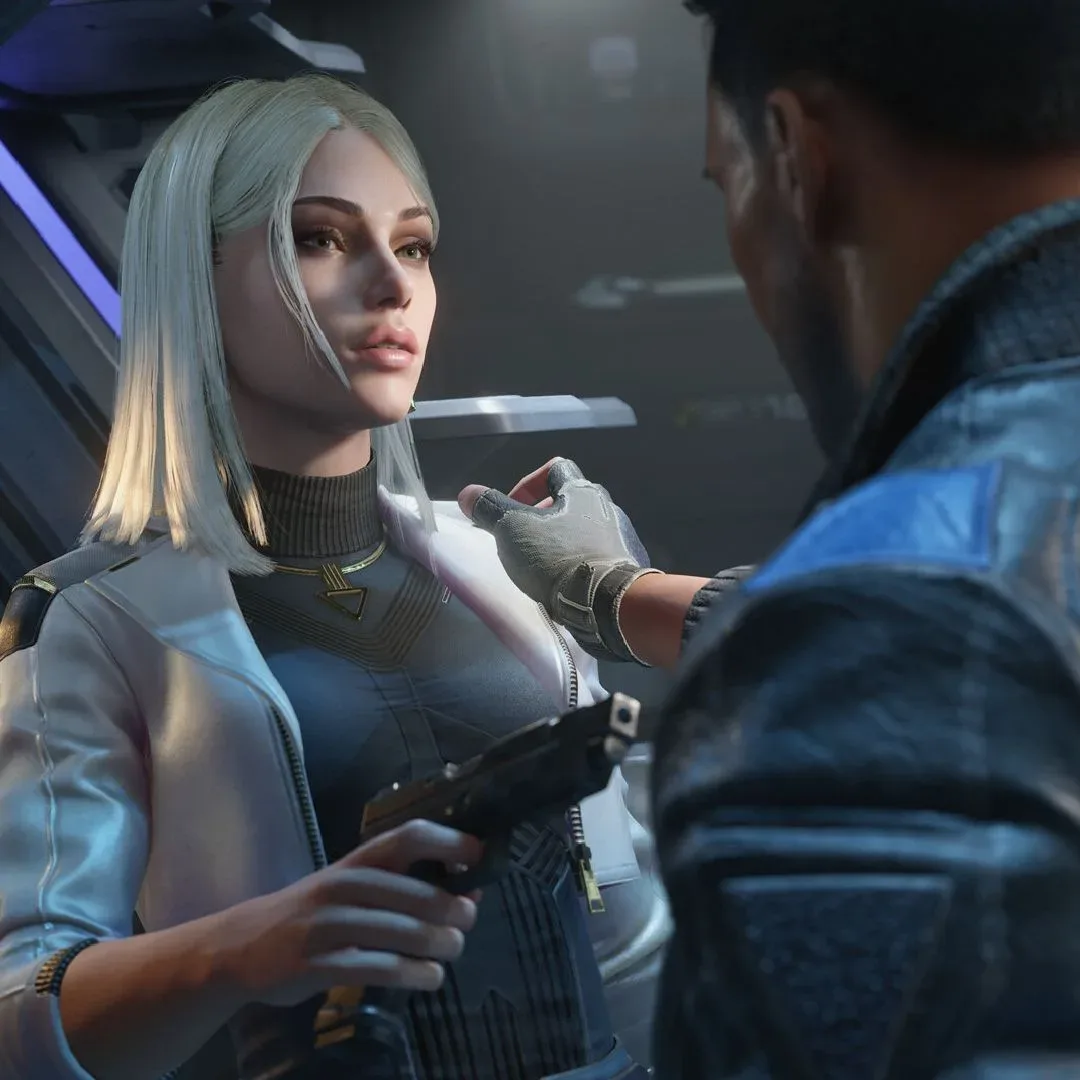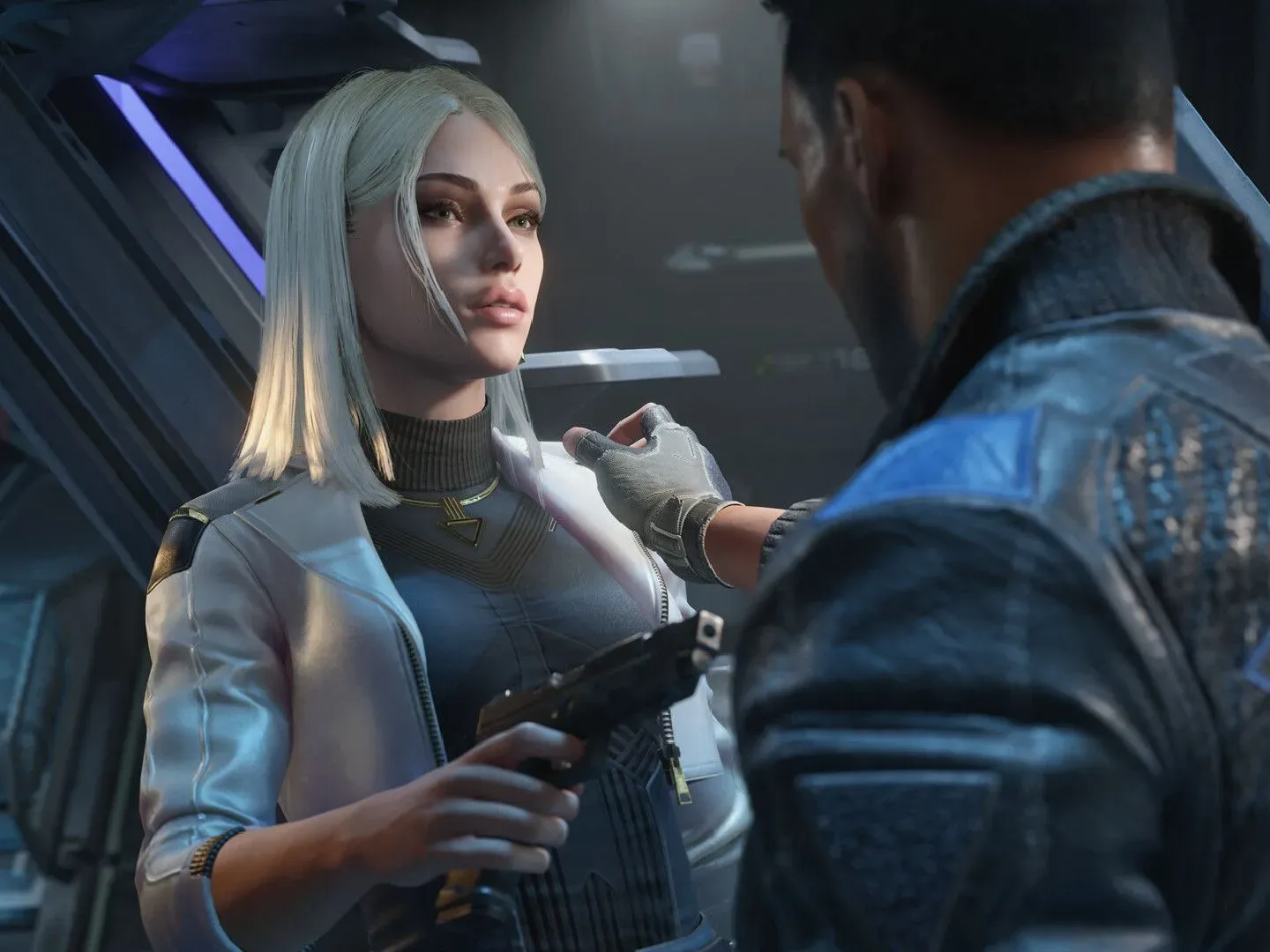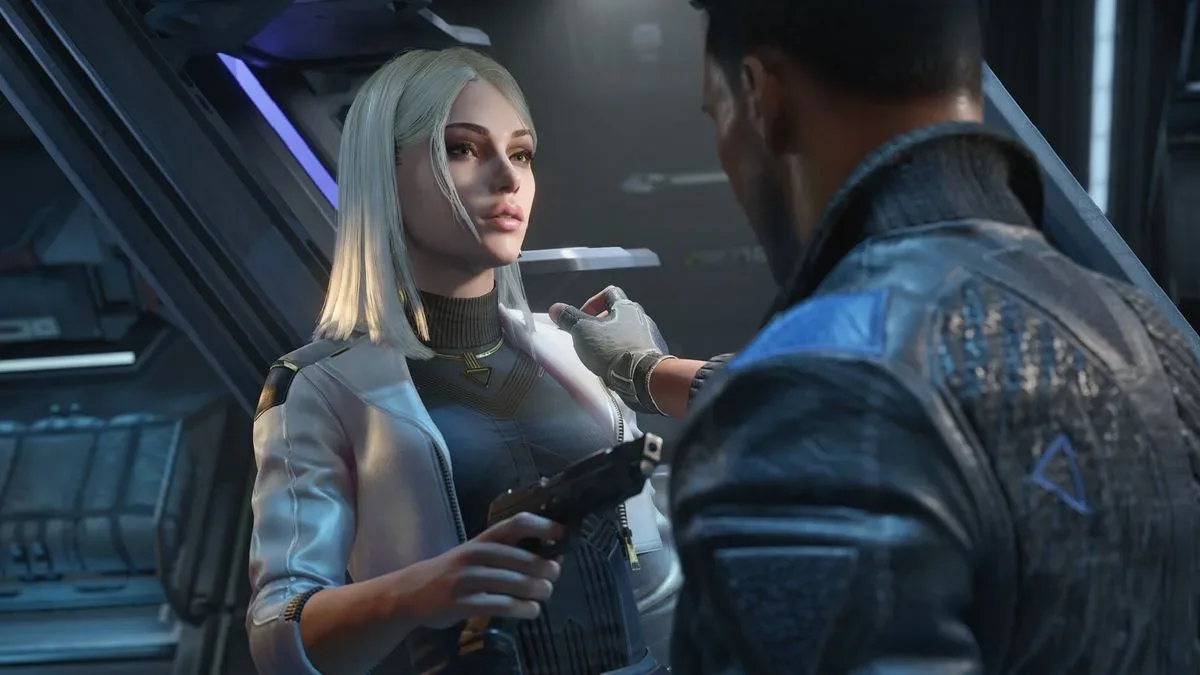
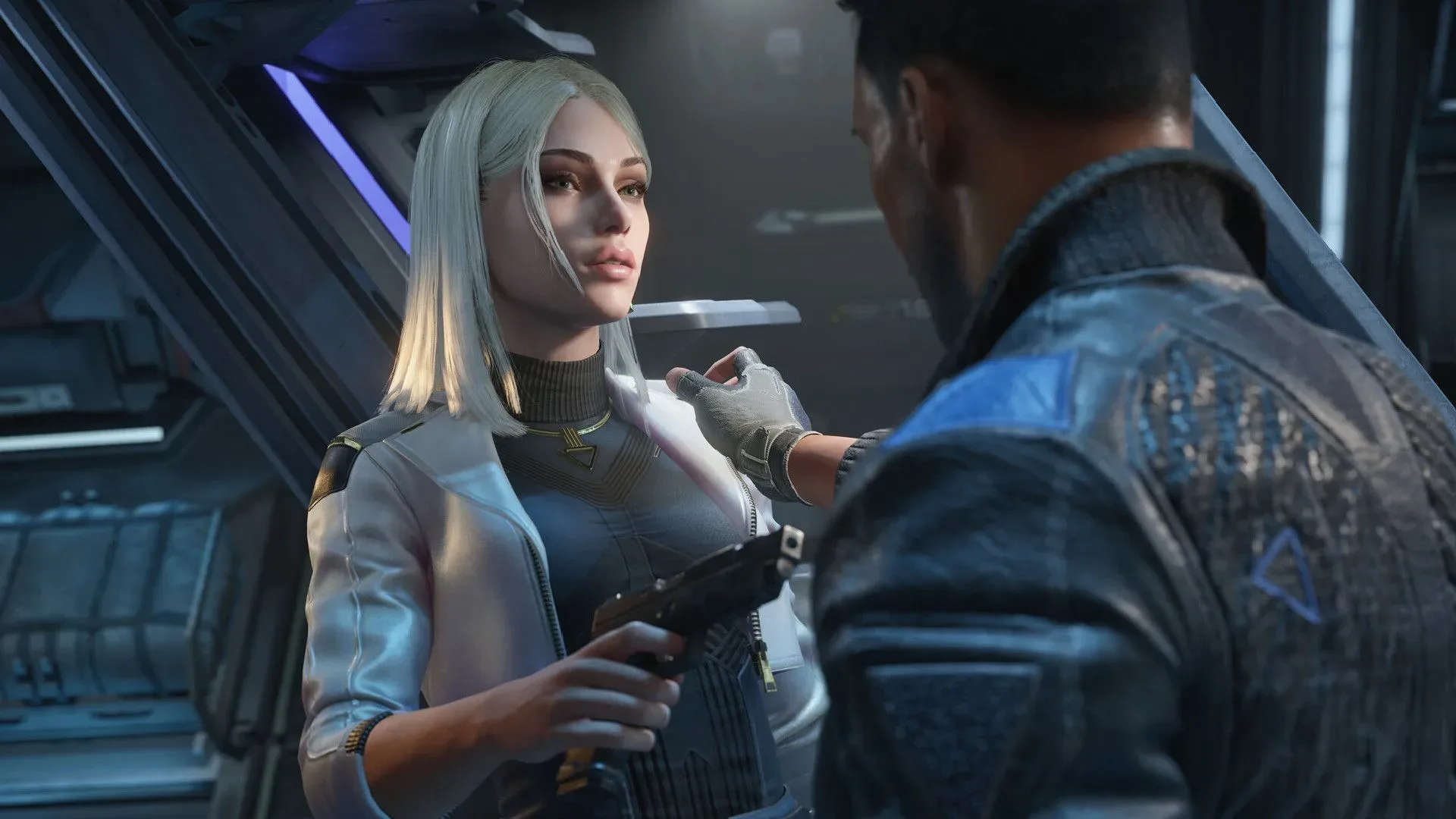
David Gaider is collaborating with Owlcat Games on The Expanse: Osiris Reborn, adding a notable narrative credit to the studio’s forthcoming science-fiction role-playing game.
Gaider described his role as work on “certain aspects” of the game’s narrative while continuing his work at Summerfall. The wording leaves important specifics open: it does not establish which characters, missions, storylines or systems he has worked on, nor does it indicate the size or duration of the collaboration. What it does confirm is that a writer strongly associated with choice-driven RPG storytelling is contributing to a game built around a similarly character-focused premise.
“Alongside my work at Summerfall, I’ve also been collaborating with the Owlcat Games team on The Expanse: Osiris Reborn, focusing on certain aspects of the game’s narrative. The Expanse has long been one of my favourite series, and so obviously I jumped at the opportunity to be involved.”
Why Gaider’s involvement matters
Gaider’s previous credits place him among the better-known writers to emerge from BioWare’s classic RPG era. His work began on Baldur’s Gate 2, continued through memorable characters in Star Wars: Knights of the Old Republic, and later included leading the narrative on Dragon Age: Origins. Those games carry a shared reputation for party-based storytelling: players do not simply move through a plot, but spend extended time speaking with companions, learning their perspectives, making decisions and seeing relationships develop or fracture.
That background is relevant to Osiris Reborn because Owlcat’s game is presenting a science-fiction RPG that uses third-person shooter-style controls and puts relationship-building with a companion cast at its center. “Narrative” in this context is broader than main-story dialogue. It can encompass character voice, companion interactions, the structure of player choices, world-building, individual quest material and the connective material that makes an ensemble feel like a team rather than a set of combat abilities.
There is no basis yet to assign any of those particular responsibilities to Gaider. Still, his history makes the collaboration meaningful. His credited work reflects experience in the exact area that will receive close scrutiny from players: whether companions have clear identities, whether choices feel grounded in the setting, and whether conversations sustain interest between action sequences.
A Mass Effect-shaped comparison, with a key distinction
It is easy to understand why Mass Effect is the immediate shorthand for The Expanse: Osiris Reborn. Both are science-fiction RPGs associated with third-person shooting and companion relationships. That is a useful structural comparison, but it should not be mistaken for confirmation that the two games will have identical systems, tone or narrative scope.
Gaider notably did not work on Mass Effect. His connection to the comparison comes instead from the type of RPG narrative work he has done elsewhere. Knights of the Old Republic and Dragon Age: Origins helped establish expectations for games where party dynamics and player decisions are major parts of the experience. For a project that invites comparisons to BioWare’s spacefaring series, adding a writer with that pedigree is an understandable point of interest without making it a promise of a particular formula.
Related coverage includes David Gaider Joins The Expanse: Osiris Reborn Narrative Team.
The developer has also publicly backed the Save Mass Effect movement, making the association more visible. But enthusiasm for another franchise and a shared set of broad genre touchstones are different from a commitment to reproduce it. The practical takeaway is narrower: Osiris Reborn is aiming at an audience that values both combat and the interpersonal texture surrounding it.
What Owlcat brings to the project
Owlcat has built a track record with computer RPGs, including Pathfinder: Kingmaker, Pathfinder: Wrath of the Righteous and Warhammer 40,000: Rogue Trader. These projects have helped establish the studio as a developer willing to work with dense settings, party-led adventuring and substantial narrative material.
Osiris Reborn is therefore significant not only because of its licensed universe, but also because it appears to bring Owlcat’s RPG interests into a different style of play. A third-person shooter generally emphasizes immediate movement, aiming and encounters experienced from close behind the player character. A CRPG, or computer role-playing game, usually refers to a tradition focused more heavily on tactical systems, statistics, party management and expansive dialogue. Owlcat’s earlier releases are associated with the latter tradition; the new game’s apparent action-oriented presentation suggests a broader translation of the studio’s narrative and party-building strengths rather than a simple repeat of prior work.
That shift creates opportunity as well as risk. Fans of the studio’s older-style RPGs may want to know whether its talent for detailed writing and companion material remains intact in a more action-led format. Players arriving because they want a modern, cinematic science-fiction RPG may judge whether the shooting and pacing can support the story rather than interrupt it. Gaider’s involvement is not an answer to every design question, but it strengthens the narrative side of the pitch.
Beta feedback remains part of the picture
A beta released earlier this year was described as promising but technically rough. That distinction matters. “Janky” is informal player language generally used for a game that has awkward, unstable or unpolished behavior, whether in performance, controls, animations, interfaces or the way individual systems connect. It does not necessarily mean that the underlying concept lacks promise, but it does mean a game has work to do before release.
Owlcat has been proactive in responding to feedback ahead of the planned release next year. That leaves time for the team to refine the game, although the available information does not identify which issues will change or guarantee how the finished version will perform. Players should treat the beta as an early indicator, not a definitive verdict on the release build.
For narrative-focused games, technical polish has an outsized practical effect. Companion scenes and consequential dialogue depend on timing, readable presentation and the player’s confidence that choices will register as intended. A strong script can be undermined by disruptive bugs or unclear interfaces; conversely, improving those foundations can make the story and relationships easier to appreciate. The studio’s willingness to engage with feedback is therefore relevant to more than combat feel.
What this announcement does—and does not—tell players
- It confirms collaboration: Gaider is working with Owlcat Games on certain narrative elements of The Expanse: Osiris Reborn.
- It adds experience in party-driven RPG writing: His body of work includes Baldur’s Gate 2, Knights of the Old Republic and Dragon Age: Origins.
- It reinforces the game’s companion-story ambitions: The game is positioned as a third-person science-fiction RPG in which players build relationships with companions.
- It does not define his exact contributions: No characters, missions or story arcs have been named.
- It does not settle launch quality: The earlier beta had rough edges, and the team is still working toward its planned release next year.
The larger story is that The Expanse: Osiris Reborn is assembling credentials that fit its ambitions. The setting offers a science-fiction foundation, Owlcat brings experience making sprawling RPGs, and Gaider contributes a record in character-centered writing. None of that removes the need for the final game to earn player confidence through execution. It does, however, make the narrative side of this upcoming project more compelling to watch.
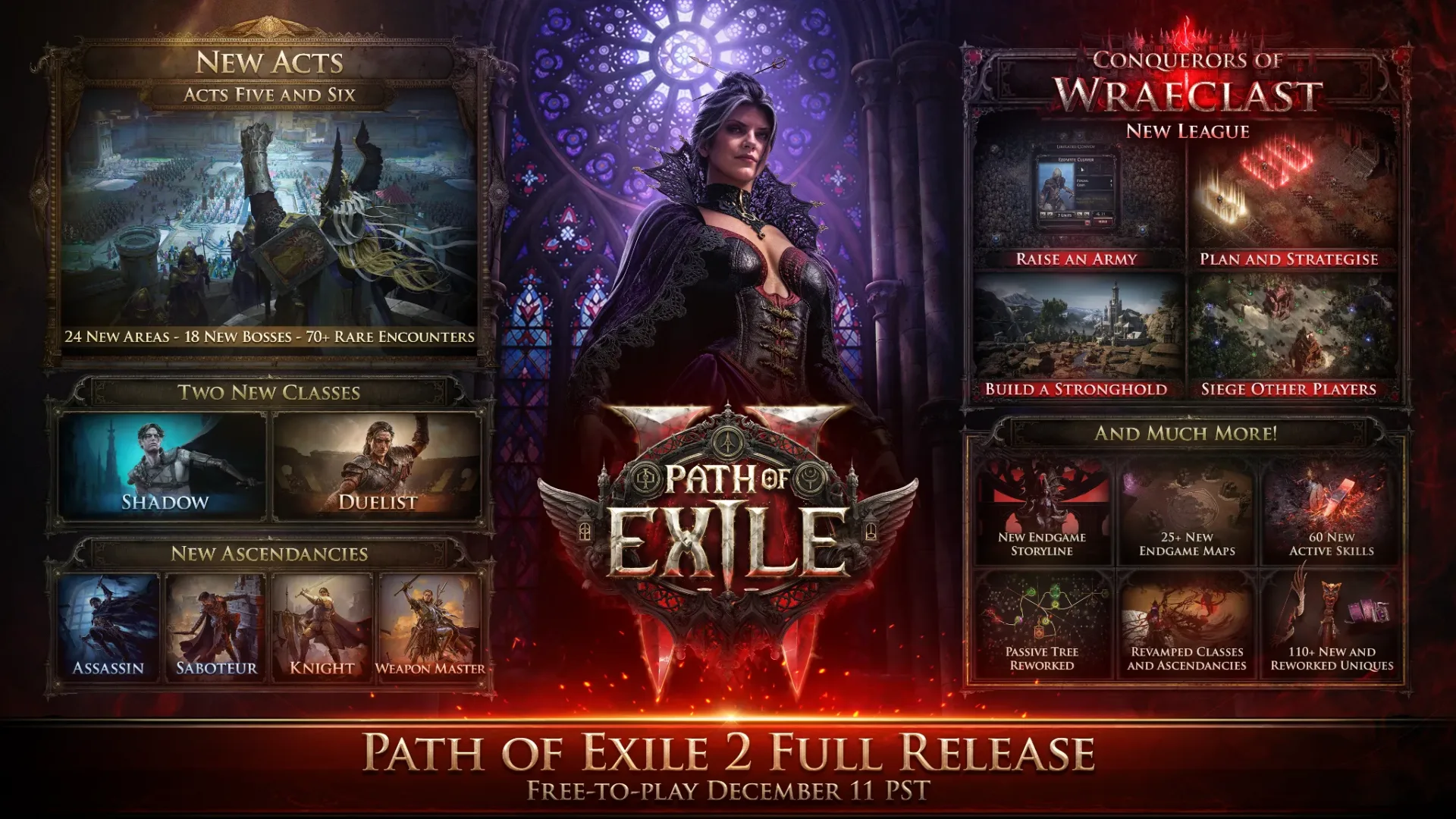
For another look at the wider RPG calendar, Path of Exile and Path of Exile 2 also have major upcoming releases on the schedule.