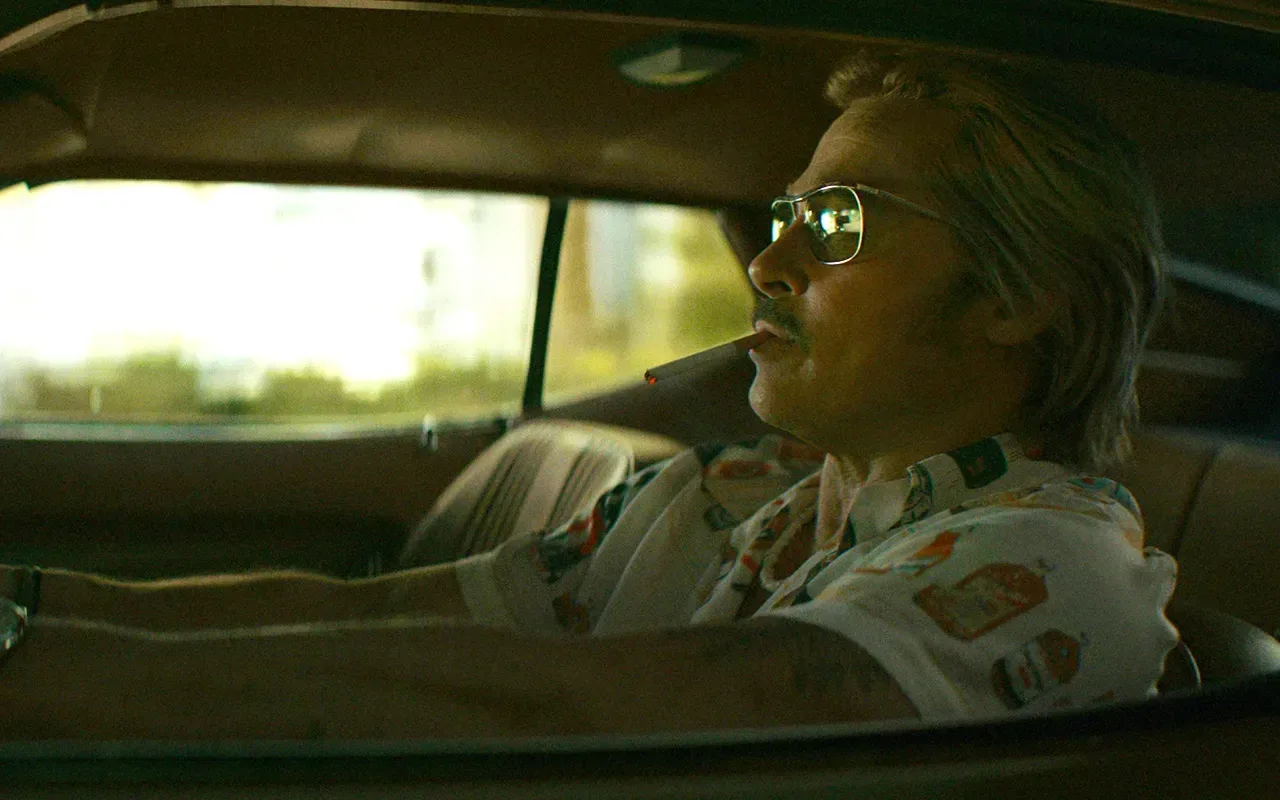
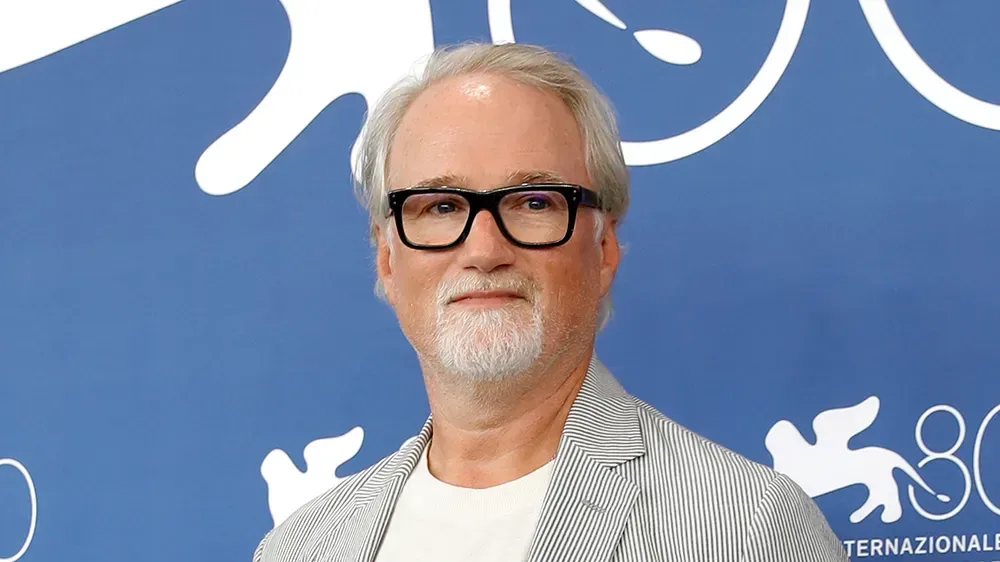
David Fincher has described a specific use of AI in the post-production of The Further Mis-Adventures of Cliff Booth: matching the preferred reading of a line with the preferred visual performance when those elements came from different takes.
His explanation puts a practical filmmaking problem at the center of a much broader argument over generative AI. A production may have a take where an actor’s movement, expression and timing look ideal, but another take where the dialogue delivery is stronger. Traditionally, reconciling that mismatch can mean accepting one compromise, having an actor record replacement dialogue, or using other post-production techniques. Fincher said newer AI tools can be used to re-lip a performance so the image and sound can be combined more freely.
He characterized the approach as a way to enhance work by real people, not to replace the human foundation of the performance. That distinction is central to how he imagines the technology being used: actors still perform on a physical set, crews still build and dress that set, and the production captures a master shot repeatedly until the scene is established. The change, in his view, is that AI could reduce some technical risks and lessen the need to repeat a performance solely because of problems such as missed focus or hair obstructing an actor’s eye line.
What Fincher says the tool was doing
The clearest example Fincher gave concerns the separation of picture and dialogue. He said AI could synchronize a line delivery from one take with the strongest visual work from another. In everyday terms, the result is intended to make an actor appear to say words that were delivered differently during filming, while preserving the selected on-camera performance.
This is adjacent to automated dialogue replacement, commonly shortened to ADR. ADR is the practice of recording dialogue again after filming and matching it to the actor on screen. It can be used when the original production audio is unusable or when the words, timing or performance need adjustment. Fincher said the film spent only four or five days recording actors again over scenes, and he referred to 5% of the film using ADR. His remarks as relayed contain an unclear follow-up phrase about the remainder being “all AI,” so they should not be read as a precise technical accounting of every post-production process in the film.
What is clear is that Fincher sees AI-assisted lip synchronization as a new degree of flexibility. He compared the process to working with plasticine rather than carving marble: instead of treating footage as permanently locked once it is photographed, editorial and post-production teams can potentially reshape the connection between the image and the audio.
That flexibility does not mean every alteration becomes invisible. Fincher acknowledged that a couple of shots had not fully worked at the point he discussed them, while suggesting the technology was improving. That admission matters because it places a limit on the claim: this is not a guarantee that any dialogue-performance mismatch can be repaired without visible artifacts or audience scrutiny.
Why audiences are looking for seams
The comments arrived after early viewers pointed to moments they believed showed generative AI use, including a flashback sequence in which a horse carriage appeared to have two wagons. Fincher and Netflix had not addressed those specific claims in the supplied reporting. As a result, the reported audience observations should remain exactly that: allegations and interpretations, rather than confirmed descriptions of how those shots were made.
There is an important difference between confirmed and unconfirmed AI use here. Fincher has confirmed an AI-assisted post-production workflow involving dialogue and visual performance. He was not questioned in that interview about the later allegations concerning other apparent instances. It would therefore be inaccurate to use his comments as confirmation of each image viewers have flagged.
For viewers, the concern is not only whether a tool was used, but whether the image holds together. A strangely duplicated object, unstable detail or unnatural motion can pull attention away from the story. The technical process becomes the subject of the shot. Fincher’s own acknowledgement that some attempts did not quite land helps explain why the debate is likely to focus on execution as much as on principle.
Fincher’s argument: fewer mechanical repetitions, same physical production
Fincher’s preferred future is not an empty soundstage populated only by generated imagery. He described hiring the same people, entering a carefully handcrafted set and filming a master shot 20 or 25 times to determine the scene. A master shot is a broad take that establishes the scene’s action and gives editors coverage to work from. His proposal is that AI could help after that physical work has occurred.
He specifically contrasted the software’s potential role with tasks that remain tactile and craft-driven: sculpting, painting, aging surfaces, adding fake spider webs, using smoke and light in a volume, or fitting an unusual wig. Those examples communicate a division of labor rather than a blanket claim that AI can do all production work. Fincher’s position is that a human-made physical environment and human behavior supply the raw material, while AI gives filmmakers more latitude in refining the recorded result.
He also framed the upside in terms of reducing burdens that do not necessarily improve a performance. If a camera misses focus, if a visual obstruction cuts across an eye, or if a shot otherwise fails for a technical reason, a filmmaker may seek another take even when the actor’s work was right. Fincher believes AI can address such limitations, allowing performers to do a scene fewer times.
That is a meaningful claim for actors and crews, but it is also a claim with real practical questions attached. If a performance can be adjusted after the fact, productions must still decide who controls those adjustments, what approvals are required, and how far an alteration can go before it no longer reflects the intended performance. Fincher’s comments establish his enthusiasm for the creative latitude, but they do not answer those production-policy questions.
“Based on real human beings” is the key boundary in his view
Fincher emphasized the small, embodied details of human performance: how people cross a set, adjust their trousers before sitting down, or remove a coat. His argument is that these observations and actions still originate with people. AI, as he describes it, would work from that human reference rather than discard it.
That distinction also explains why this discussion differs from the broadest public fears about generative media. There is a substantial conceptual gap between using a tool to align a selected actor performance with selected dialogue, and generating a performer, location or action without that same on-set origin. The supplied details confirm Fincher’s view of AI as a means of modification and correction in this case, but they do not provide a full breakdown of every tool or every shot used in the film.
For game players and people following digital-production debates, the argument will sound familiar. Studios are increasingly discussing AI in narrow workflow terms—testing, quality assurance, cleanup, animation support or iteration—while creators insist the final experience depends on human judgment. Team Ninja’s stated approach to AI-assisted QA reflects a similar distinction: automation may have a role in production, but it does not automatically solve the creative work of making something compelling.
Netflix’s larger AI context
The film sits within a company that has already publicly embraced generative AI in parts of its catalog and business. Netflix purchased Ben Affleck’s AI tool startup InterPositive for $587 million in March. It also disclosed in August that more than 300 programs in its catalog had used some degree of generative AI that year.
Those numbers establish that Cliff Booth is part of a larger industry and platform-level shift, not an isolated experiment. Yet “some level” of AI can cover dramatically different tasks. A minor cleanup function, an altered line reading and a visibly generated image are not interchangeable in either creative impact or audience perception. Broad adoption figures tell readers that the tools are spreading; they do not identify precisely how each production used them.
Fincher has made his broader outlook clear. He does not treat AI’s existence as a reason to halt experimentation, and he compares the debate to a much older artistic tradition of revising available tools and techniques. His position is fundamentally pro-iteration: filmmakers should be able to alter details when technology permits it rather than declare the medium complete.
That philosophy will not settle the question for audiences who find visible generative artifacts distracting, or for workers concerned about the scope of post-production alteration. But it does make Fincher’s position unusually direct. He is not presenting AI solely as a back-office efficiency measure. He is arguing that it can change how a director assembles performance, image and sound—while maintaining that the material being shaped remains rooted in real actors and physical filmmaking craft.