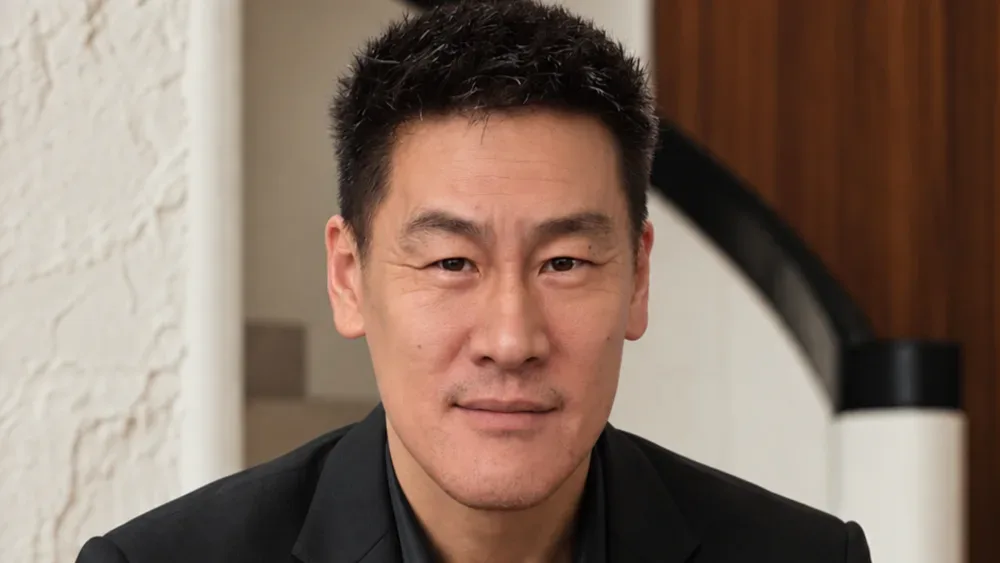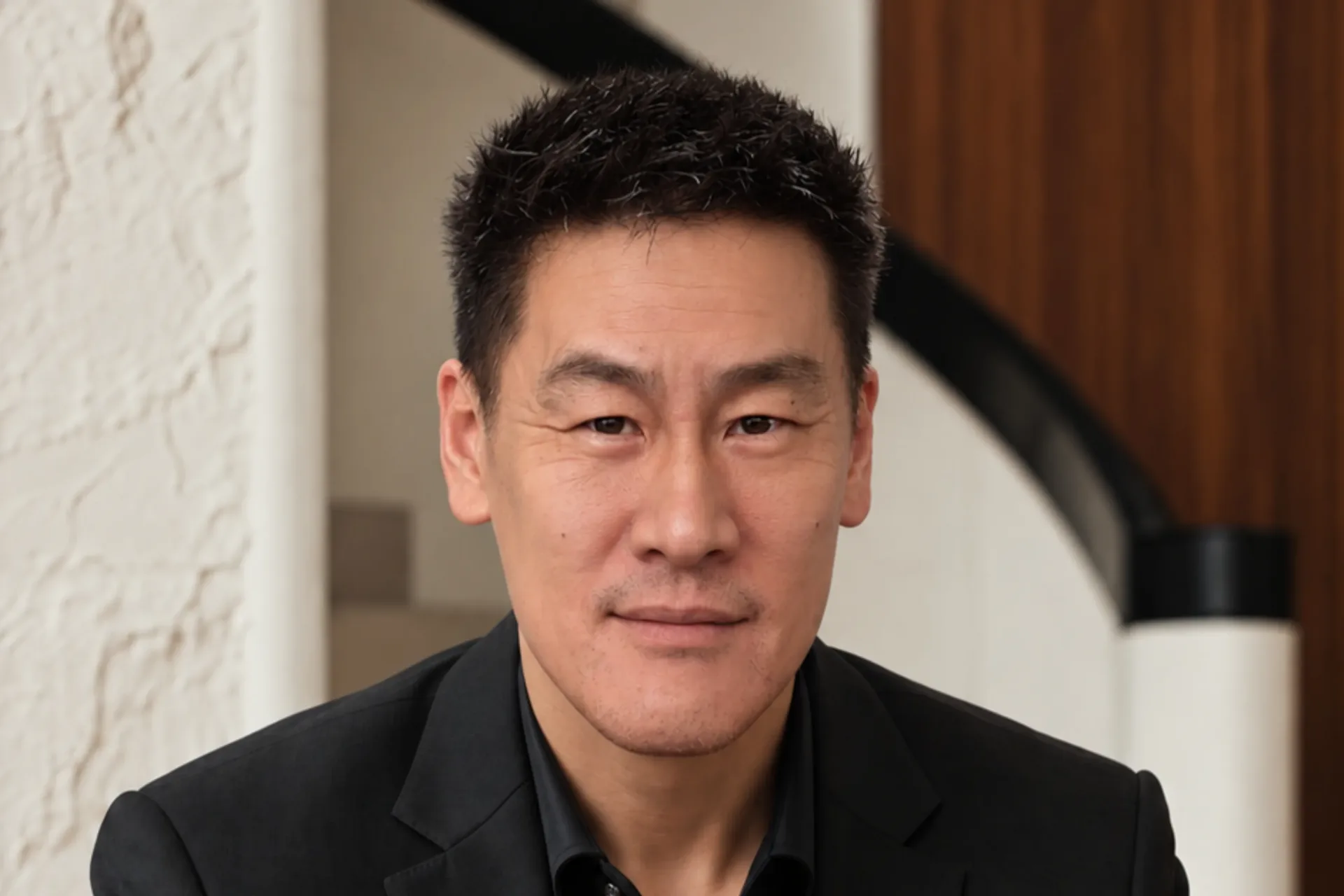
Utopai Studios has appointed Hans Ku as its chief product officer, bringing in a veteran of Disney, Walt Disney Feature Animation and DreamWorks Animation as the AI-focused entertainment company expands its technology and production ambitions.
Ku will report to Utopai CEO Cecilia Shen and oversee product, engineering, research and business development. His brief is unusually broad: scale the company’s AI technology and its PAI production platform across Utopai’s film and television slate, while helping decide how the studio develops its proprietary tools.
The hire matters because Utopai is presenting itself as more than a company using readily available generative-AI tools on isolated projects. Its stated approach is to connect active productions to product development: filmmakers use tools on real work, the technology team learns from that use, and the platform is refined for later productions and potentially other studios.
That model is still a promise rather than a demonstrated finished workflow. But Ku’s background suggests that Utopai wants experience in the difficult work between an AI demonstration and a durable production system—an area where creative needs, technical reliability, infrastructure and business strategy all have to meet.
What Ku will be responsible for
As chief product officer, Ku’s remit spans much more than picking software features. Utopai has tasked him with product, engineering, research and business development, putting both the creative-facing platform and the underlying technical direction under one leadership role.
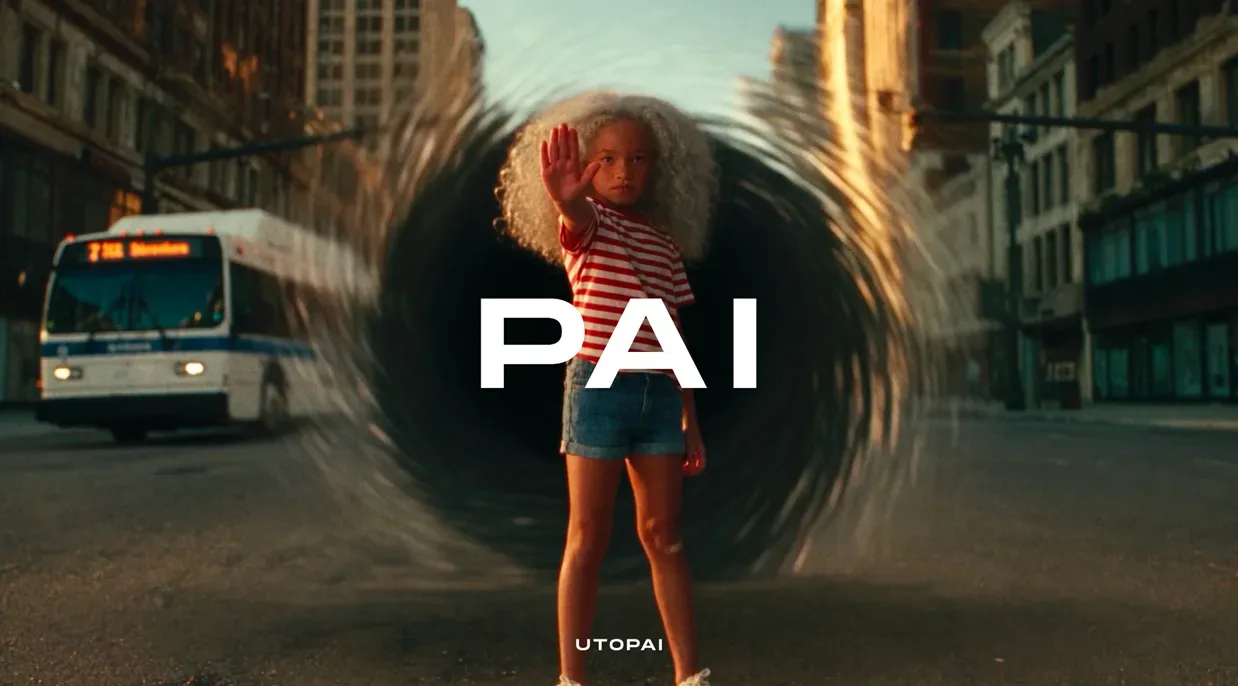
PAI is Utopai’s AI production platform. The available details do not specify every function it provides, so it would be premature to treat it as a single-purpose video generator or a replacement for conventional filmmaking departments. What is clear is that Utopai intends to deploy it across its own film and TV slate and build proprietary technology around it.
In this context, proprietary technology means tools or systems developed and controlled by the company rather than relying entirely on outside products. That can matter for a studio trying to tailor workflows to its productions. It can also make the product organization responsible for difficult questions: which tasks need a custom solution, which should use existing technology, and how can a tool remain useful as project requirements change?
Ku has said his focus will be building PAI alongside filmmakers, with tools intended to help them explore ideas, refine their work and bring creative visions to screen while keeping creative choices with the filmmakers. That language draws a line between AI as an assistive part of a workflow and AI as the author of a project. The eventual importance is in implementation: the degree of control, review and revision available to filmmakers will shape whether that principle is meaningful in practice.
Why his Disney experience is central to the move
Before joining Utopai, Ku served as Disney’s vice president of AI and engineering in its office of technology enablement. There, his work included helping expand AI tools across the company and researching AI-native production pipelines.
An AI-native production pipeline is not simply a traditional process with an AI app added at the end. A production pipeline is the chain of people, assets, approvals and technical handoffs that moves a project forward. Describing a pipeline as AI-native implies designing that chain around AI-supported capabilities from the outset. In a film or TV setting, that could affect how teams develop material, iterate on creative work and move assets between stages—but Utopai has not detailed the specific pipeline it plans to use.
The distinction is important. A tool can generate a compelling output in isolation without fitting into a larger production. A pipeline has to account for repeated use, shared work, quality checks and the practical needs of the people making the project. Utopai’s leadership has emphasized the value of technology and filmmakers developing tools together on active productions, which places the operational side of AI use at the center of Ku’s assignment.
Ku also helped connect Disney and OpenAI personnel during a short-lived $1 billion arrangement to license Disney characters for OpenAI’s Sora video generator. Sora is a video-generation system. The episode places Ku near a major discussion about how established entertainment companies might engage with generative-video technology, character licensing and creative production. It does not, by itself, reveal the terms of Utopai’s own plans or establish any relationship between Utopai and either Disney or OpenAI.
Earlier in his career, Ku worked at Walt Disney Feature Animation and DreamWorks Animation. That background is relevant to Utopai’s stated goal of making tools with filmmakers rather than treating technology as a detached service. Animation and production technology often require close coordination between creative teams and engineering groups; Utopai is now explicitly trying to apply a similarly connected approach to an AI-focused studio.
PAI will be tested against an expanding slate
Utopai is not building its platform in the abstract. The company has assembled a slate that includes projects described as AI-generated and AI-enabled, terms that should not be treated as interchangeable.
AI-generated generally indicates that AI is producing material as part of the output itself. AI-enabled is a broader description for a production that uses AI assistance somewhere in its process. The labels reveal an important difference in scope, but they do not on their own explain how much AI is used, which parts of a project are affected, or how final creative decisions are made.
Among Utopai’s announced projects is Cortés, a live-action film led by Antonio Banderas. The studio is also developing an AI-assisted animated feature adaptation of The Most Serious Fart, the 2023 children’s book by Mike Bender, a screenwriter on Not Another Teen Movie.
Utopai has additionally partnered with Chinese production company Huace on a fully AI-generated adaptation, Journey to the West: The Lost Five Hundred Years. The project is described as an origin story tied to the 1592 Chinese mythological book Journey to the West. That partnership makes the company’s global ambitions more concrete, while also underscoring the different types of production it is pursuing: live action, AI-assisted animation and a fully AI-generated adaptation are not the same creative or technical proposition.
Cortés, The Most Serious Fart and the live-action feature Half Moon are set for release sometime next year. No more specific release dates are given. For audiences and the industry, those titles may become the clearest evidence of what Utopai means by an AI production platform, because a slate provides real constraints that a standalone product pitch does not.
A business case for scaling, not merely experimenting
Utopai raised $60 million last month at a $1 billion valuation. That funding context helps explain why a chief product officer role has become so prominent. Moving from experimentation to scale requires a company to make repeatable decisions about technology, personnel and production priorities.
Shen said Ku understands how to move emerging technology out of experimentation and into an organization working at global scale. In practical terms, that emphasis suggests Utopai is focused on the infrastructure surrounding AI tools as much as the outputs those tools can create. Infrastructure can refer to the systems and organizational structures that let technology be used consistently across projects; the company has not specified its technical architecture.
There is also a strategic feedback loop at the core of Ku’s comments. Utopai intends to take lessons from real productions, turn them into better products and workflows, then offer those capabilities to filmmakers and studios internationally. A workflow is the repeatable sequence of steps used to complete work. In creative production, better workflows are not only about speed. They can determine how easily a team can revise an idea, exchange work with collaborators or retain creative oversight through multiple iterations.
That makes Utopai’s studio side and product side mutually dependent. Its productions create the conditions in which PAI can be used and refined. The product organization, in turn, is meant to convert those lessons into tools that can serve later projects. Ku’s appointment consolidates responsibility for making that loop function.
What to watch next
The immediate signal is leadership rather than a newly announced product feature or release date. Utopai has not provided a detailed PAI feature list, technical roadmap or a public demonstration tied to Ku’s appointment. The meaningful next developments will be the specifics: how the platform is used on the announced projects, what creative controls filmmakers have, and whether lessons from those productions become repeatable tools.
For a broader view of how entertainment projects continue to assemble creative talent and industry infrastructure, see our coverage of the Writers’ Room awards-season event and its comedy, drama and limited-series panels.
Utopai’s position is that filmmaking experience should directly shape the development of its AI platform. Ku now has responsibility for turning that position into product and production practice, across a slate that ranges from live action to animation and fully AI-generated work. With new funding, a $1 billion valuation and several projects targeted for next year, the company has set a large operational test for that strategy.