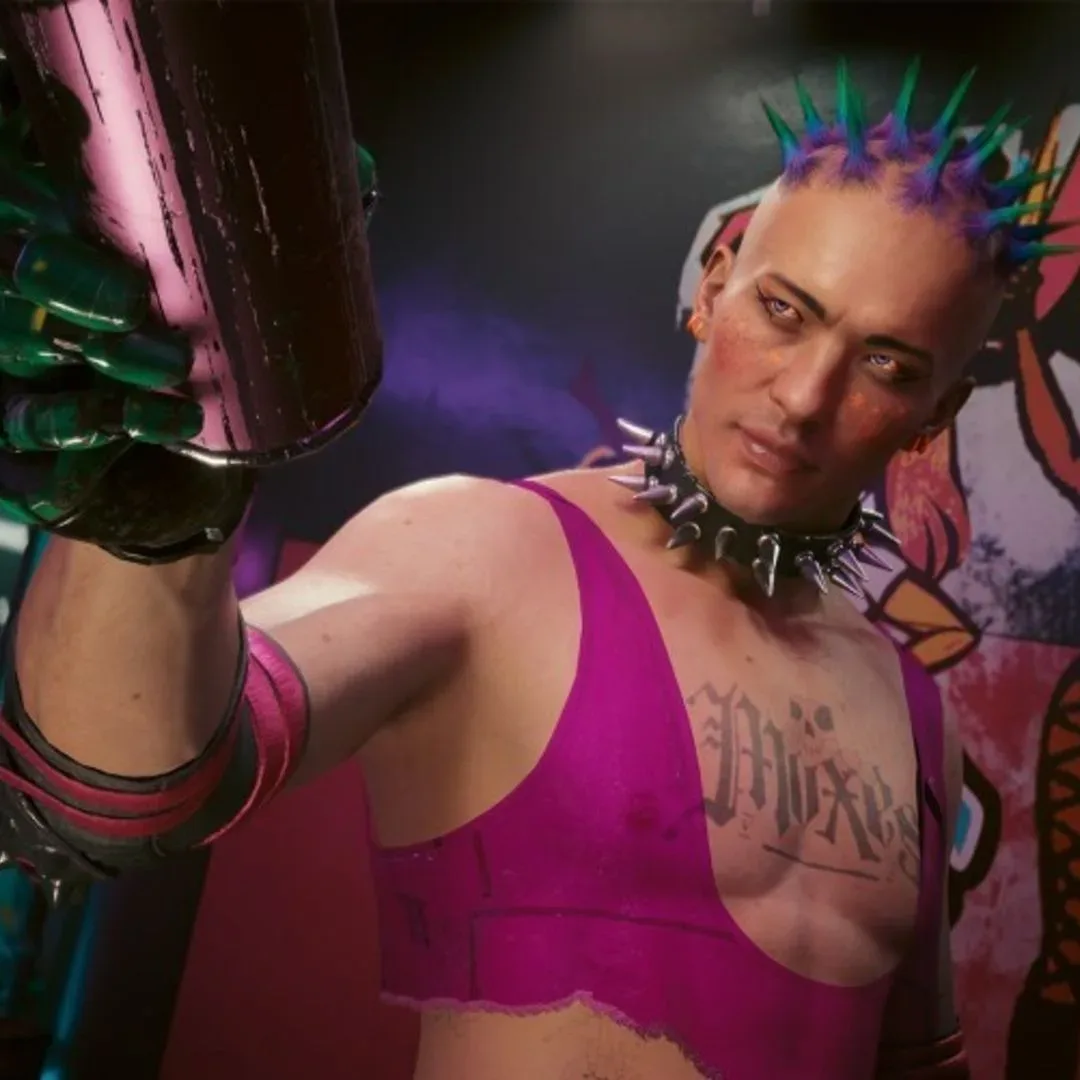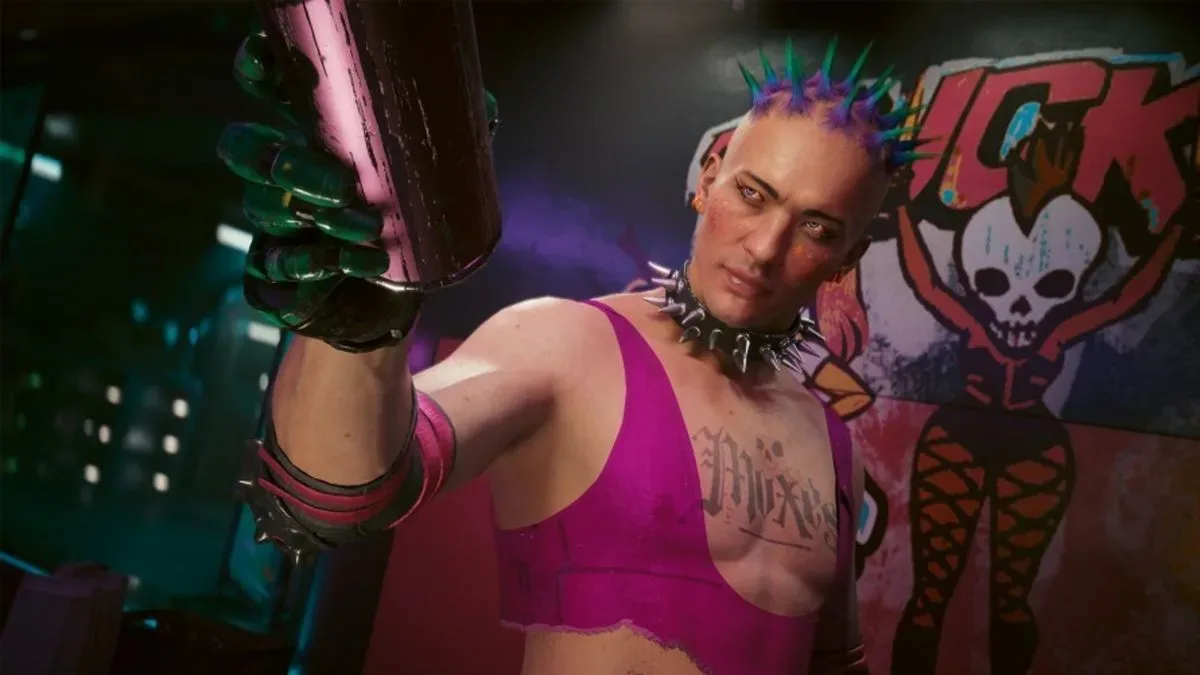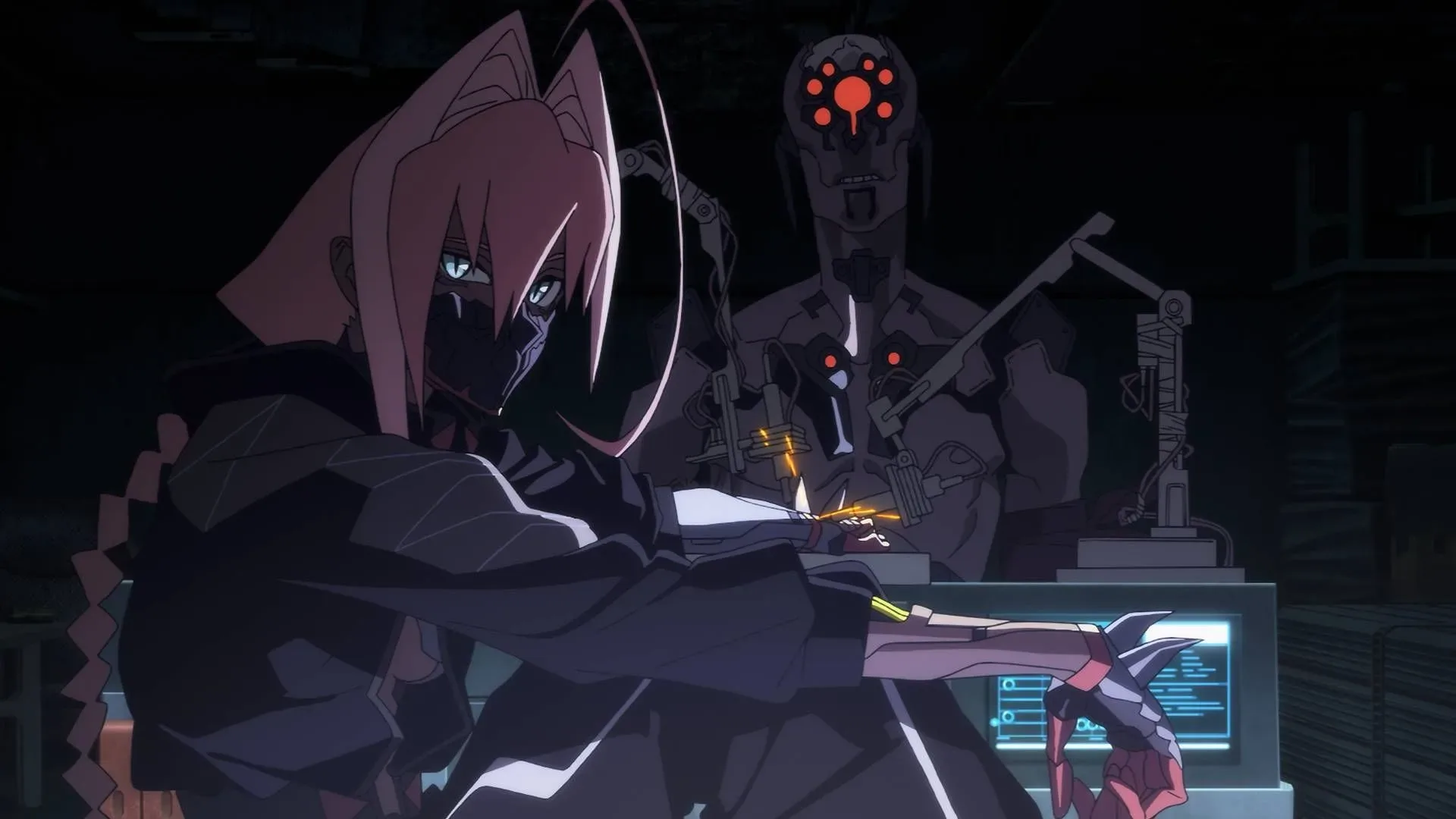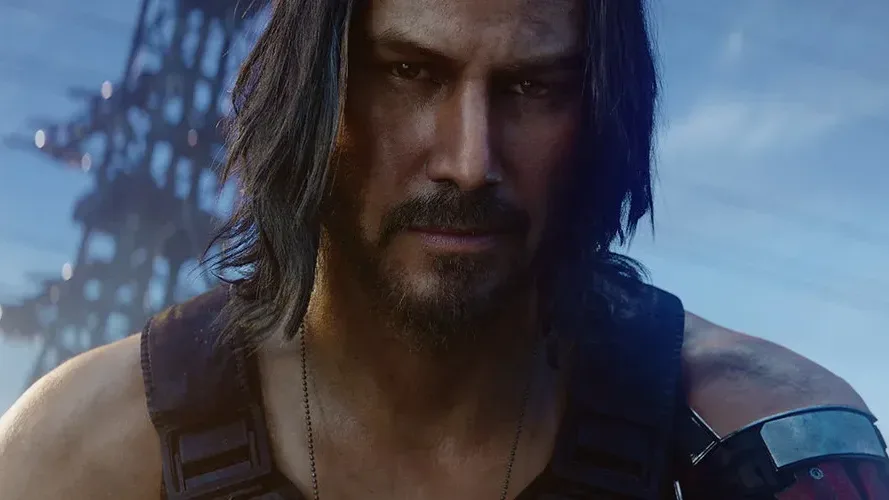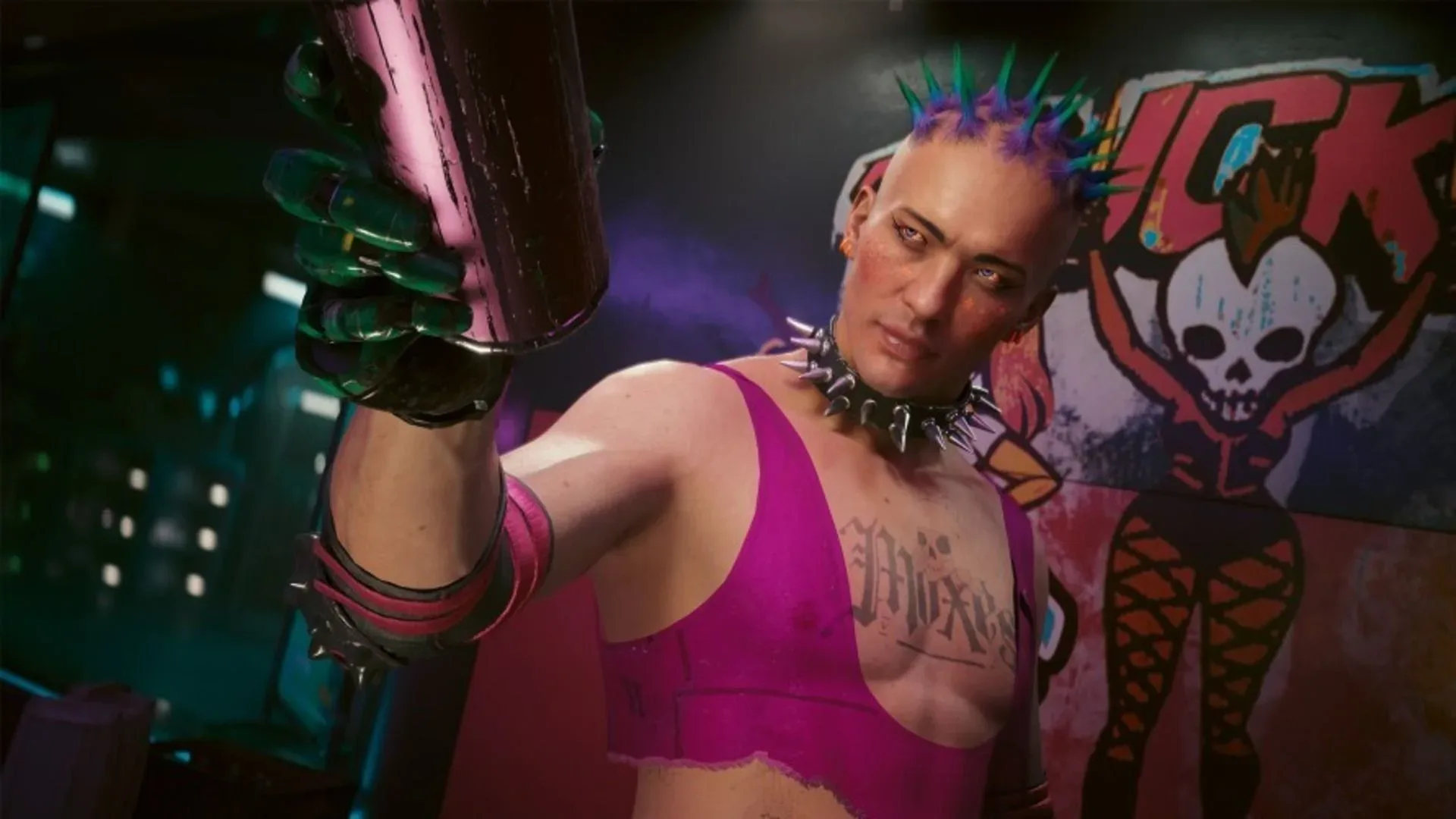
Cyberpunk 2077 has received another substantial post-launch update, and the headline feature is not merely another technical fix. Update 2.5 adds a new quest positioned as a prequel to Cyberpunk: Edgerunners 2, extending Night City’s story across the game and Netflix series. It also brings mod support to consoles, pistol and revolver dual-wielding, a guided City Tours feature, new clothing sets, a new radio station, and further additions.
That is a notably broad set of changes for a game that has already travelled a long road from its troubled launch. Early work focused on bug fixes and performance patches. Later support grew into larger content releases, culminating in 2023’s Phantom Liberty expansion. Update 2.5 suggests the purpose of continuing support is now wider than repair or even expansion: it is about making a long-running fictional setting feel connected, inhabited and worth revisiting.
A quest that connects Night City across media
The new quest’s role as an Edgerunners 2 prequel is the clearest expression of that approach. A prequel tells a story set before another work, so this quest is intended to establish context for the upcoming animated story rather than simply repeat it. Players who enter through the game can encounter a new thread tied to the show, while viewers have a reason to look back toward Night City in playable form.
That matters because a shared universe can easily become a collection of disconnected references. In the strongest version, an event or character perspective introduced in one medium enriches another without demanding that everyone consume every installment. The stated aim behind 2.5 is to make Night City “richer, more coherent, and more believable” for players. The Edgerunners tie-in is a practical example: different stories can share a city while retaining their own focus.
“This world keeps giving us reasons to return to it,” associate game director Paweł Sasko said of the decision to update the game again.
Sasko described the desired result as a city that remembers its stories across different people and media. That is an ambitious idea for an open-world RPG. An open world is a large, explorable game environment designed to support player-directed movement and discovery. Its credibility is not only a question of map size; it depends on whether its activities, atmosphere and story details seem to belong to the same place. A new quest, a fresh radio station and new ways to move through or customize the city all address that sense of place from different angles.
What Update 2.5 changes for players
Its most immediately practical additions are varied enough to matter to different kinds of returning players.
- Edgerunners 2 prequel quest: A new story component that links the game with the next animated series.
- Console mod support: Support for player-made modifications on consoles, broadening a creative tradition often most closely associated with PC games.
- Dual-wielding for pistols and revolvers: The ability to use two qualifying sidearms at once, adding another combat style for builds centered on handguns.
- City Tours: A guided way to see Night City, potentially useful for players who want to engage with the environment without treating every outing as a combat or mission run.
- New clothing sets: More options for character appearance and role-play expression.
- A new radio station: An audio addition that can alter the everyday feel of travelling around the city.
Console mod support may be the most consequential addition over time, even though its precise tools and limits are not detailed here. A mod, short for modification, is content or an alteration created outside a game’s original development team. Mods can range from cosmetic adjustments to more transformative changes, depending on what a platform and developer permit. Official support on consoles is significant because console ecosystems have traditionally been more restricted than PCs. What players can actually install will necessarily depend on the supported mod catalog and the platform rules, but the addition opens a new route for the community to personalize the game.
Related coverage includes Cyberpunk 2077 Update 2.5 Brings Edgerunners 2 Quest, Console Mods and More to Night City.
That feature also fits a larger creative pattern at CD Projekt Red. The studio has hired numerous modders, with a co-lead on the Cyberpunk sequel saying that roughly half of the quest team consists of former modders. It is not proof that any particular 2.5 feature came from that background, but it does show why the studio may see community creativity as more than a peripheral part of its games. Modding develops skills in systems design, scripting, level work and storytelling; those are all relevant to quest production.
Customization is more than a cosmetic footnote
Dual-wielding, clothing and mods may look like unrelated bullet points, but they all increase player authorship. In role-playing games, authorship does not mean players write the entire narrative. It means their choices in appearance, play style and movement through the world help define the version of the character they inhabit.
Dual-wielding pistols and revolvers is especially interesting because it changes the fantasy of a handgun-focused character. The announcement does not specify balance adjustments, eligible builds beyond those weapon types, or mechanical restrictions, so players should not assume details that have not been outlined. Still, the simple availability of the style gives returning players another reason to reconsider how they approach combat.
Clothing sets serve a different role. They do not need to alter combat statistics to be meaningful in a role-playing game. A distinctive outfit can make a character feel more consistent with a player’s imagined identity, a specific story moment, or the broader tone of Night City. Likewise, a new station can influence repeat travel in a way that a one-time quest cannot. Radio is environmental storytelling: it fills routine movement with texture and helps a game world feel active between major narrative beats.
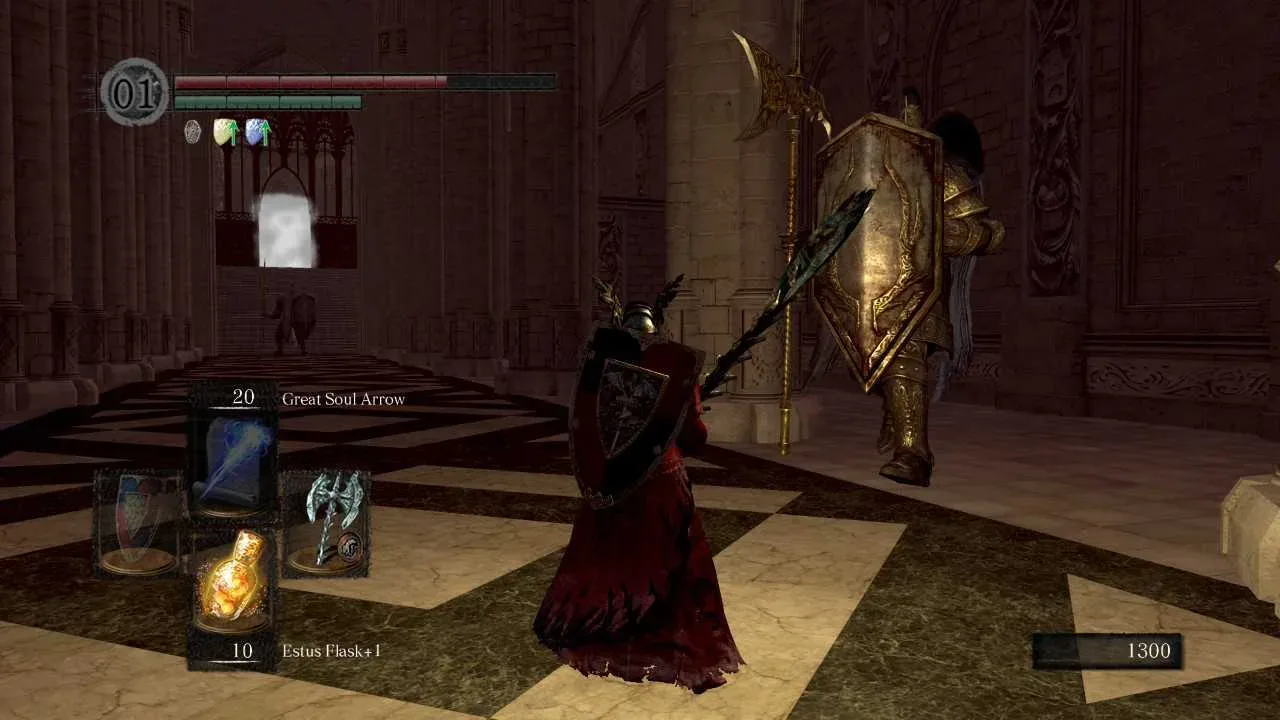
City Tours also deserve more attention than a typical feature list gives them. Guided exploration turns the city itself into a destination. Open-world games often create striking locations that busy players may pass without context while pursuing objectives. A tour feature can invite a slower mode of engagement, whether for newcomers trying to orient themselves or veterans returning to admire places they normally race through. The appeal of revisiting a game space is not unique to Night City; even difficult worlds reward a different pace when players pause to absorb their construction, as explored in this look at the spaces surrounding Dark Souls’ famous Anor Londo encounter.
Why continued support is notable
CD Projekt Red is continuing this work while it has substantial projects elsewhere in development, including the Cyberpunk sequel codenamed Project Orion, a new Witcher game, a remake of the first Witcher game and the original IP codenamed Hadar. The studio has not treated the existence of a future Cyberpunk game as a reason to leave the current one frozen in place.
There is an important distinction between maintaining a game and actively recontextualizing it. Maintenance usually means preserving usability through fixes and compatibility work. Update 2.5 contains some additions that could affect how the game functions for players, particularly console mods, but its broader shape is more proactive. New story material, a tour system, wardrobe choices, weapons handling and music are all invitations to experience familiar streets in a different way.
That does not erase the significance of Cyberpunk 2077’s launch problems. The game’s recovery was built first on fixes and performance work, then on continued substantial development. But ongoing updates have changed the conversation from whether the game can be stabilized to what Night City can still become. The distinction is meaningful: support is no longer framed only as an obligation to correct the past, but as an opportunity to build a more unified Cyberpunk setting.
The practical takeaway for returning players
For players who already finished the main game or Phantom Liberty, Update 2.5 offers several distinct reasons to come back without requiring that every player value the same feature. Story-focused players can look to the Edgerunners-linked quest. Those interested in self-expression have clothing and, where available, console mods. Combat specialists can investigate dual-wielding. Explorers can use City Tours, while players who simply enjoy roaming Night City gain another radio station for the ride.
For newcomers, the update makes Cyberpunk 2077 a larger package than it was during its early post-launch period, combining years of repairs with later additions. For the studio, it presents Night City as a living setting rather than a closed chapter before Project Orion. And for the broader Cyberpunk audience, the Edgerunners connection establishes a clearer bridge between a game and its animated counterpart.
Update 2.5 does not need to be treated as a replacement for the game’s past expansions or earlier overhaul work to matter. Its value is in accumulation. Each feature targets a different relationship players can have with Night City: following a story, experimenting with a build, dressing a character, finding community-made additions, taking in the scenery, or simply driving through the city with something new on the radio. After years of patches and content work, that breadth is exactly what makes this return feel deliberate.