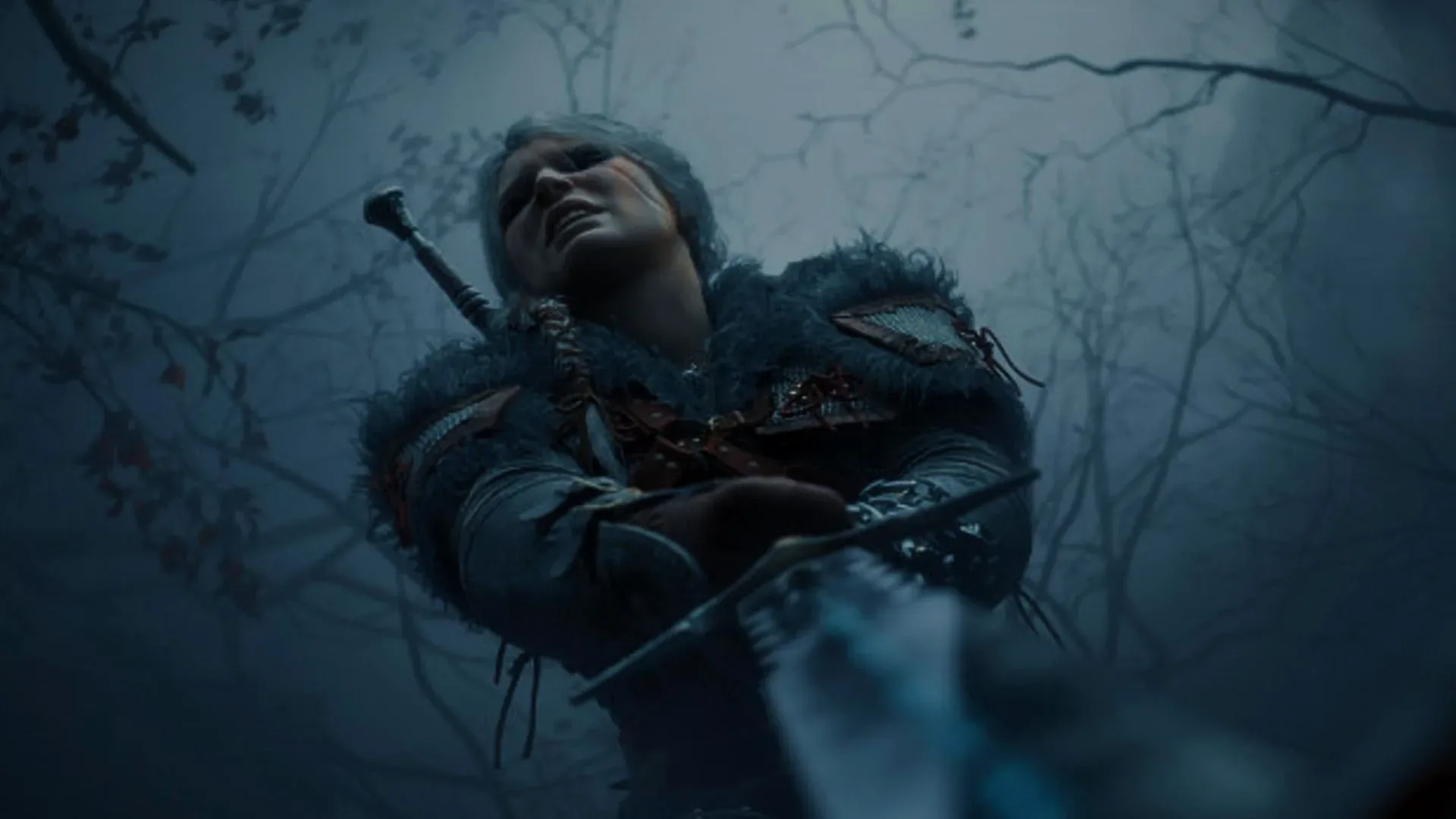
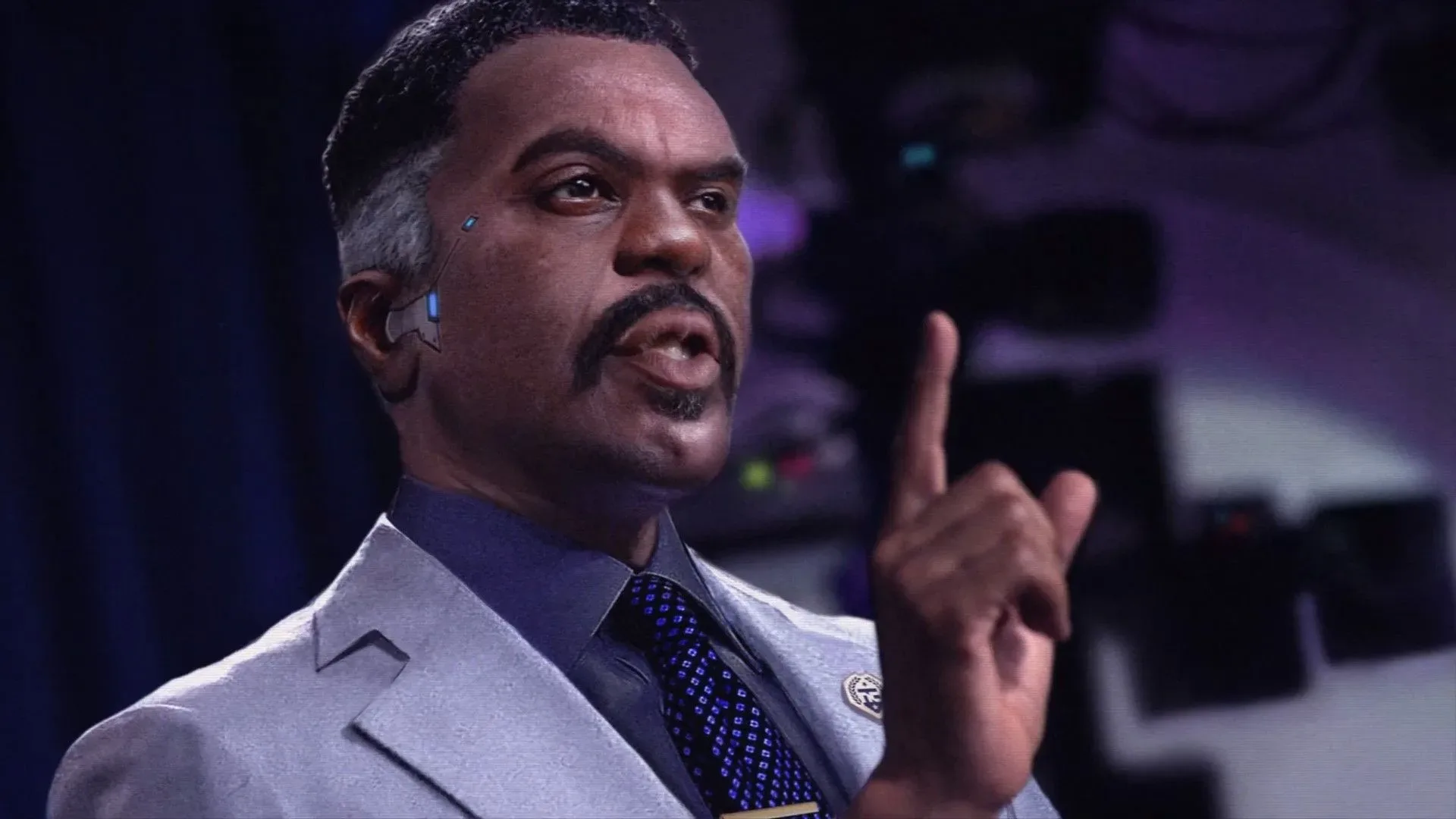
CD Projekt Red says Cyberpunk 2 is making good progress, but the more consequential update may be the production model surrounding it. The developer is building several projects at once in an effort to shorten the lengthy gaps that have traditionally separated its biggest RPG releases.
That does not mean Cyberpunk 2 has a release date, or even that it has entered full production. It has not. Karolina Gnaś, the company’s vice president of strategy and investor relations, said it is still too early to provide a concrete date or a plan for the point at which the project will move into that phase. But the studio is staffing up: the Cyberpunk 2 team is expected to reach roughly 200 developers by the end of this year and approximately 320 by the end of 2027.
For fans trying to read the tea leaves without spilling them on their keyboards, that is a meaningful sign of commitment, not a countdown clock. The company is describing an organizational change intended to make its future slate more regular, rather than promising that every giant open-world RPG will suddenly arrive on a brisk schedule.
A change to the one-major-game model
CD Projekt Red has said its games normally take between three and six years to produce. Its release cadence has also been shaped by an approach in which one major production took priority, while early conceptual work on the next game began before the previous project had fully completed development and reached the market.
The studio now says it is working in parallel on several productions, including work done with external development teams and ongoing support for products already in the market. The stated objective is straightforward: reduce the interval between subsequent releases.
Parallel development means multiple projects are being advanced at the same time rather than one blockbuster passing through the entire pipeline before another is substantially staffed. That is not the same thing as building every game at the same pace. A project in concept development, a remake in production, and a game receiving post-launch support can all require very different numbers of people and different kinds of expertise.
Still, the approach matters because release timing has a direct business effect. CD Projekt has acknowledged that its revenue is significantly influenced by its release schedule. Major launches can create sharp peaks; long stretches between them leave expansions, support work, catalog sales and other activity to carry more of the load. A deeper slate of overlapping projects is designed to smooth that pattern while also giving players a more dependable flow of releases.
What is currently known about the pipeline
The company has named a number of projects at different stages: The Witcher 4, a remake of The Witcher 1, Project Hadar, and Cyberpunk 2. The differing status of those games is central to understanding the strategy. They are not all poised to arrive in a rapid-fire sequence, nor has a complete schedule been shared.
Related coverage includes Cyberpunk 2 Progresses as CD Projekt Red Targets Shorter Gaps Between RPGs.
- The Witcher 4 is planned for release in 2028.
- Cyberpunk 2 is progressing, but has not entered full production and has no announced release date.
- The Witcher 1 remake and Project Hadar are also part of the broader development slate.
The planned 2028 launch of The Witcher 4 makes the eventual distance between it and Cyberpunk 2 the important test of this new model. A rising Cyberpunk 2 headcount before The Witcher 4 reaches the market suggests that the studio is attempting to avoid beginning the next major cycle from a near-standing start.
That distinction is worth emphasizing. A team growing to hundreds of developers is evidence that a project is being resourced. It is not evidence that development is nearly finished. Large RPGs involve years of work across design, engineering, art, narrative, audio, quality assurance and production. Staffing can expand as a game advances, and even a sizable team does not establish a launch window on its own.
Why “full production” is the phrase to watch
Full production generally refers to the stage where a game moves beyond early planning and exploratory work into broad, sustained development. In practical terms, it is when the project’s team, systems, content and asset creation efforts begin scaling in earnest. The exact definition can vary by studio, so it should not be treated as a universal finish-line marker. In this case, it is useful chiefly because CD Projekt Red has explicitly said Cyberpunk 2 has not reached that stage yet.
That makes the present update deliberately limited. “Making good progress” tells players the project is advancing. The absence of a full-production date, release plan or announced launch target tells them there is still a substantial amount the company is not ready to lock down publicly.
It is also why the end-of-2027 staffing estimate is more informative than it may initially sound. The team is expected to grow from around 200 people by the end of this year to around 320 by the end of 2027. That trajectory suggests planned expansion rather than a completed production ramp. It gives observers a sense of direction, but not enough information to responsibly convert headcount into a release prediction.
Long waits are the issue CD Projekt Red is trying to solve
The company itself has recognized that the waits can be substantial. By one measure, there will be eight years between the release of Cyberpunk 2077 and the planned 2028 arrival of The Witcher 4. That span is not entirely empty: Cyberpunk 2077 received the Phantom Liberty expansion, and Songs of the Past has helped fill the broader gap. Expansions and support matter to players, particularly when they add meaningful material to an existing game, but they are not substitutes for a wholly new flagship RPG in a different series.
The challenge is especially visible for studios known for dense, ambitious role-playing games. Fans want the scale, elaborate worlds and lengthy campaigns that take time to make, yet they also want confidence that a favorite franchise will not disappear for most of a decade between major installments. The company’s parallel-production plan is an attempt to balance those competing expectations.
Whether it succeeds will depend on execution, not merely on the number of project names in a presentation. Running several productions simultaneously can create continuity between launches, but it also requires coordination across teams and partners. The intended benefit is shorter gaps; the immediate reality is that each game will still need to reach its own developmental milestones.
What players should and should not infer
There are two reasonable takeaways from the update. First, Cyberpunk 2 is active and being expanded as a real long-term development effort. Second, it remains too early for a precise release expectation.
Players should not mistake “progress” for a trailer, a platform announcement, a release year or confirmation of specific gameplay features. None of those details have been provided here. Nor does the projected team size confirm how close Cyberpunk 2 is to completion. It instead indicates that CD Projekt Red is preparing the project for a larger stage of work over the next several years.
That restraint is particularly useful in an era when every staffing figure risks becoming a speculative release-date equation. Game development does not work that neatly. More developers can reflect a larger production phase, but projects still need their systems finalized, content built, tested and integrated. A bigger team may support a faster overall pipeline, yet it does not erase the complexity of making a major RPG.
The road from The Witcher 4 to Cyberpunk 2
The studio’s plan will be measured less by any one quarterly update than by the handoff between its big releases. The Witcher 4’s planned 2028 launch provides the first major reference point. If Cyberpunk 2 can advance substantially before that release and then follow it with a materially shorter wait than the studio’s historical gaps, the parallel-development strategy will have demonstrated its value.
For now, the safest reading is cautiously positive. CD Projekt Red has identified the problem—long gaps between major releases—and laid out a structural answer: several games moving forward at once, backed by both internal work and external development support. Cyberpunk 2’s expanding team is a visible part of that answer, even if the project is not yet in full production.
That broader approach also places current Witcher development in context. The company is not presenting Cyberpunk 2 as a project waiting patiently in a dark room until The Witcher 4 ships. It is already being developed alongside the rest of the slate. For more on the scale the studio has associated with its next Witcher game, see CD Projekt Red’s comparison of The Witcher 4’s intended leap from The Witcher 3.
The wait for more specific Cyberpunk 2 details continues. But the company’s latest comments establish the key facts: development is progressing, headcount is expected to rise considerably through 2027, full production has not yet begun, and the studio is reorganizing its wider pipeline in the hope that its future RPGs arrive with less empty space between them.