Crystal Dynamics has reduced its workforce by eight people in another round of layoffs, affecting roles that include designers and engineers. The move comes at an awkward moment for the studio: it is developing Tomb Raider: Legacy of Atlantis, a remake of the original game, and Tomb Raider: Catalyst, the next new mainline entry in the series.
The studio described the reduction as a necessary business decision and said it tries to place employees in other roles before cutting positions. It also said affected staff will receive severance packages and job-placement assistance. Even with that support, the news is another difficult marker in an extended period of instability for the team behind one of gaming’s most recognizable adventure franchises.
“Crystal Dynamics made a difficult, but necessary business decision to reduce our current studio staff by 8 people,” the studio said in a statement. “Whenever we phase roles off a project, we make every effort to find new spots for our great colleagues first.”
A fifth reported round of layoffs since 2025
This is reported to be Crystal Dynamics’ fifth layoff round since March 2025. Dozens of jobs were cut during 2025, followed by approximately 20 layoffs in March 2026. The latest reduction is smaller by comparison, but the impact is not measured only in headcount. Repeated rounds can affect the continuity of a studio’s teams, especially when they involve disciplines such as design and engineering.
Designers shape the rules, structure, encounters, progression, systems and player-facing experience of a game. Engineers build and maintain the technical systems that let those ideas function, from tools and gameplay features to performance and stability work. Neither label tells outsiders precisely what an individual was working on, and the available information does not identify which projects the eight affected staff supported. Still, reductions in either discipline can matter during a project’s long production cycle.
One departing employee, design manager Joshua Mitchell, said the layoff was his first in 14 years of making games. Mitchell said he had worked on the canceled Perfect Dark reboot as well as Legacy of Atlantis and Catalyst. His comments also underscore the personal scale of a studio restructuring: projects remain corporate products with schedules and budgets, but the work is made by teams whose experience can be difficult to replace or redistribute.
“After several rounds of layoffs at Crystal Dynamics, today it was my turn,” Mitchell wrote. “My first layoff in 14 years making games.”
Two Tomb Raider games, two different assignments
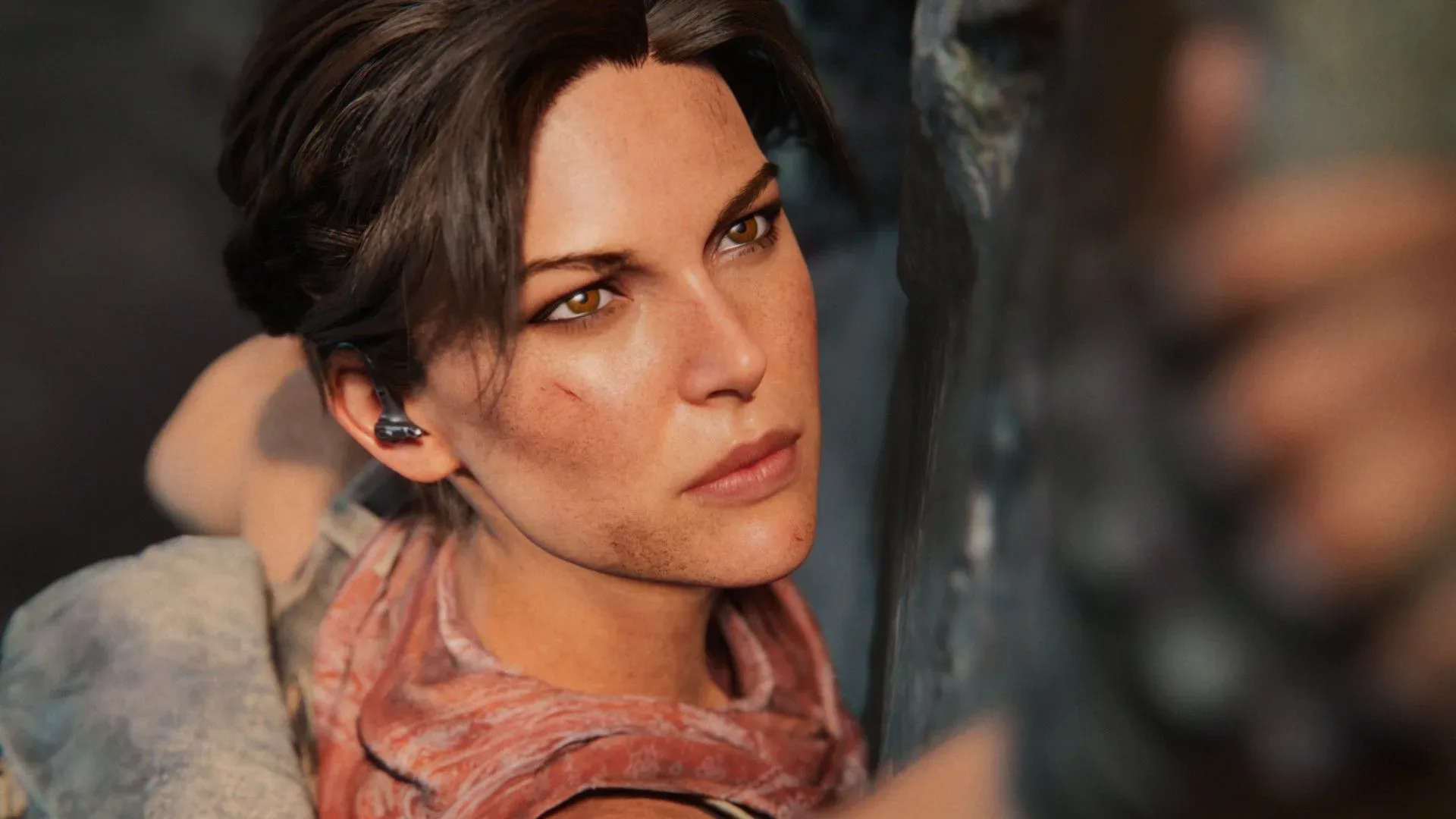
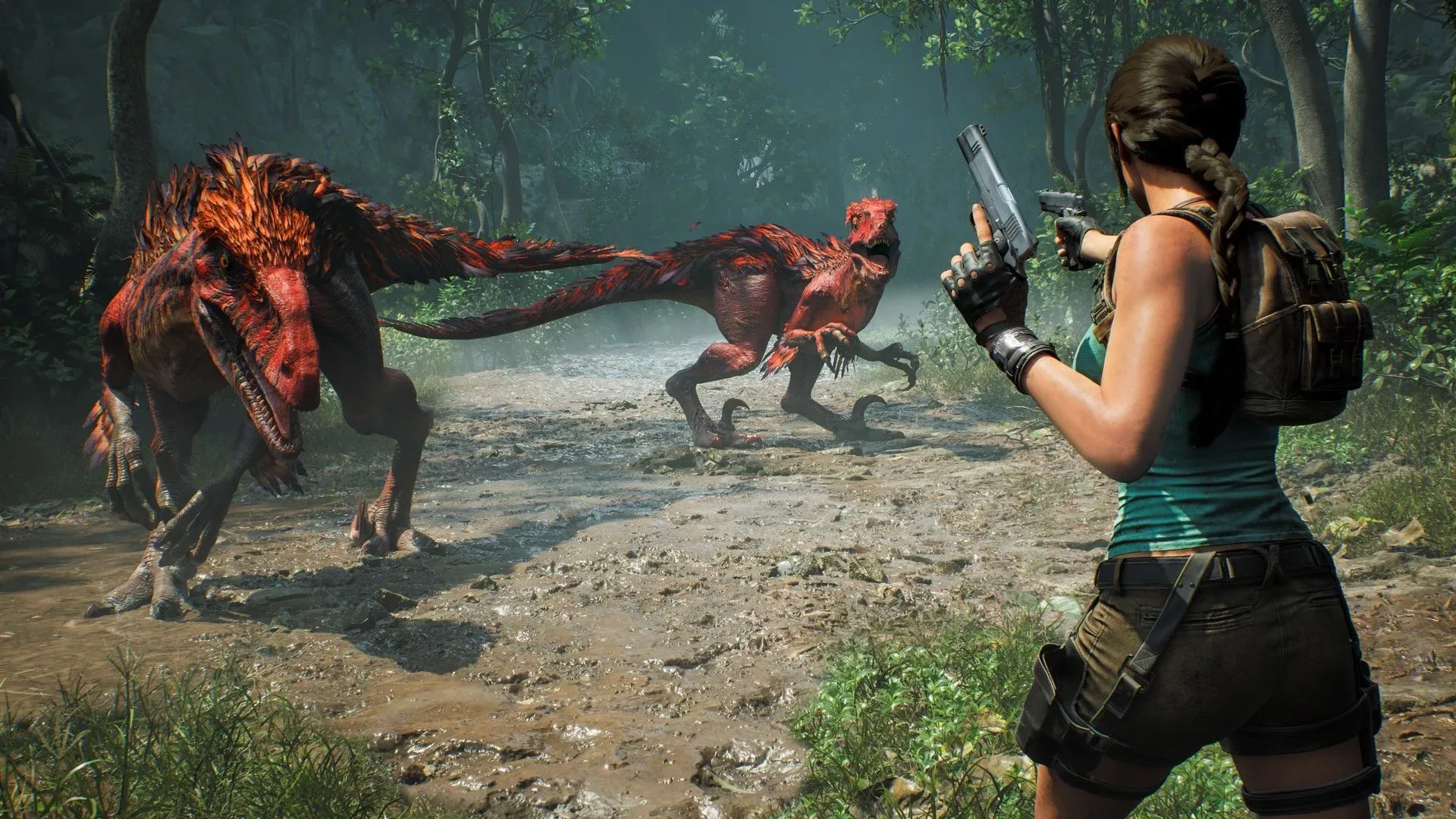
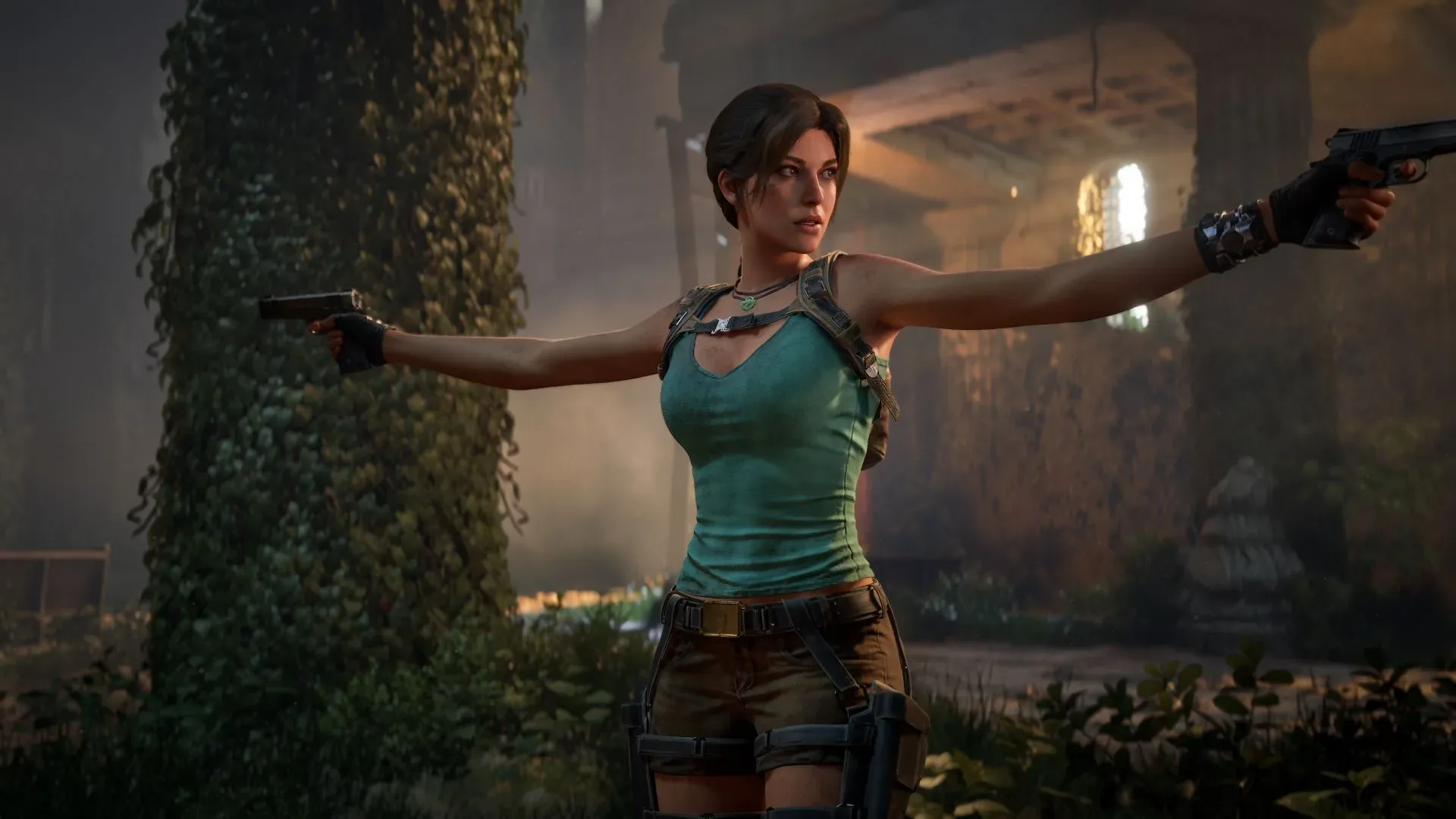
The studio’s current Tomb Raider slate makes the timing notable. Tomb Raider: Legacy of Atlantis is positioned as a remake of the original Tomb Raider. A remake is more than a re-release: it generally means rebuilding or substantially reworking an older game for a newer era, rather than simply making an existing version available again. The available details establish its broad purpose, but do not specify its platforms, technical approach, gameplay changes or release-date window beyond the delay.
Legacy of Atlantis was revealed during The Game Awards 2025 and had initially been planned for release this year. It has since shifted to 2027. That delay is important context, but it should not be treated as proof that the latest eight layoffs caused it. The schedule change was already known, and game development dates can move for many reasons. What can be said is that the remake now has a longer publicly stated runway.
Tomb Raider: Catalyst is the franchise’s next new sequel and the first new installment since 2018’s Shadow of the Tomb Raider. It is currently expected in 2028, putting it a decade after Shadow of the Tomb Raider. The distance between installments illustrates the unusually long gap between brand-new Tomb Raider adventures, even as Lara Croft continues to be one of the medium’s most enduring characters.
The two projects have different creative burdens. A remake needs to balance recognition with revision: it must preserve enough of an original game’s identity to satisfy people who remember it, while making it legible and compelling for players encountering it for the first time. A sequel has a different task. It must establish a new chapter with its own direction while carrying the expectations attached to the modern Tomb Raider lineage. Neither challenge is inherently easier, and both depend on coordinated work across many teams.
Why staffing cuts can happen while games are still coming
At first glance, layoffs at a studio preparing two major releases can look contradictory. But active projects do not always need the same staffing mix at every stage. Crystal Dynamics’ own wording refers to “phase roles off a project,” a term that points to a common production reality: some work streams eventually finish or change shape, and roles built around those needs may no longer be required in the same capacity.
That explanation provides context, not a detailed account of these specific job losses. The studio has not publicly broken down the precise work attached to each eliminated role, whether any work was transferred, or how the reductions affect the two Tomb Raider games. It would be a mistake to assume that every layoff indicates a project cancellation, just as it would be inaccurate to assume a game’s announced release window means its development team is untouched by broader business decisions.
There is also a difference between a title being in development and a studio having unlimited resources to staff it. A publisher, owner or studio can revise budgets, adjust priorities, change schedules or reorganize teams while a game remains underway. For players, the practical takeaway is restrained: Legacy of Atlantis is slated for 2027 and Catalyst for 2028, but there is no new product announcement here, no confirmed change to those dates, and no evidence that the projects have been canceled.
Perfect Dark’s cancellation remains part of the backdrop
Crystal Dynamics’ recent history has involved more than Tomb Raider. The studio released Marvel’s Avengers in 2020 and later worked on the Perfect Dark reboot before that project was canceled. Mitchell’s post confirms he was among the developers who had contributed to all three recent strands of the studio’s work: Perfect Dark, Legacy of Atlantis and Catalyst.
The cancellation of Perfect Dark is a significant piece of context because a canceled project can leave a studio needing to reassess where people and expertise fit next. That does not establish a one-to-one explanation for any individual layoff, and Crystal Dynamics has not attributed each cut to that cancellation. But it helps explain why the team’s present situation cannot be viewed only through the lens of the two forthcoming Tomb Raider games.
For readers keeping up with the broader Xbox landscape, the latest Game Pass additions are tracked separately in this look at the late-November Xbox Game Pass wave. Crystal Dynamics’ situation is distinct, but the common thread is that game development and distribution plans are often shaped by decisions that players only see after the fact.
Ownership and publishing pressures around Tomb Raider
Crystal Dynamics was acquired by Embracer in 2022. Tomb Raider publisher Amazon has also faced cuts and restructuring in its gaming operation. Crystal Dynamics chief executive Phil Rogers said during the summer that those Amazon changes had affected the Tomb Raider franchise.
That is relevant because a studio’s fortunes are often connected to decisions beyond its own walls. A developer is responsible for making the game, but an owner and publisher can influence the financial framework around that work. The available information does not spell out the exact operational consequences of Amazon’s changes for either Tomb Raider project, so broader claims about staffing, scope or release plans would be speculation. The confirmed point is narrower: Rogers linked Amazon’s restructuring to an impact on the franchise.
For the people affected by the latest reduction, the immediate issue is employment rather than a distant release calendar. For Tomb Raider fans, the most concrete status remains unchanged: the original-game remake is delayed to 2027, and the new sequel is expected in 2028. The eight-person cut adds another unsettling chapter to Crystal Dynamics’ recent run of layoffs, while leaving major questions about the studio’s longer-term structure unanswered.