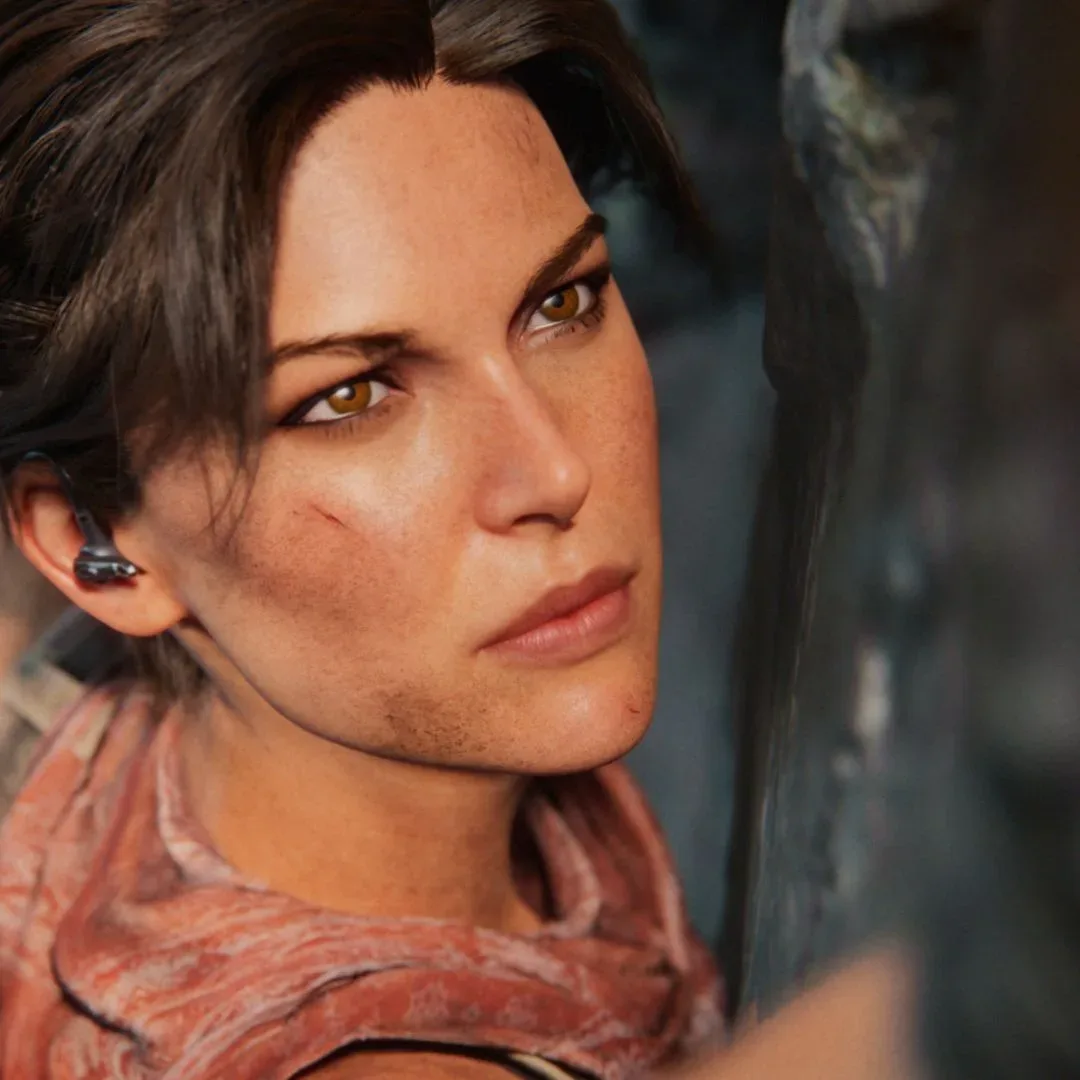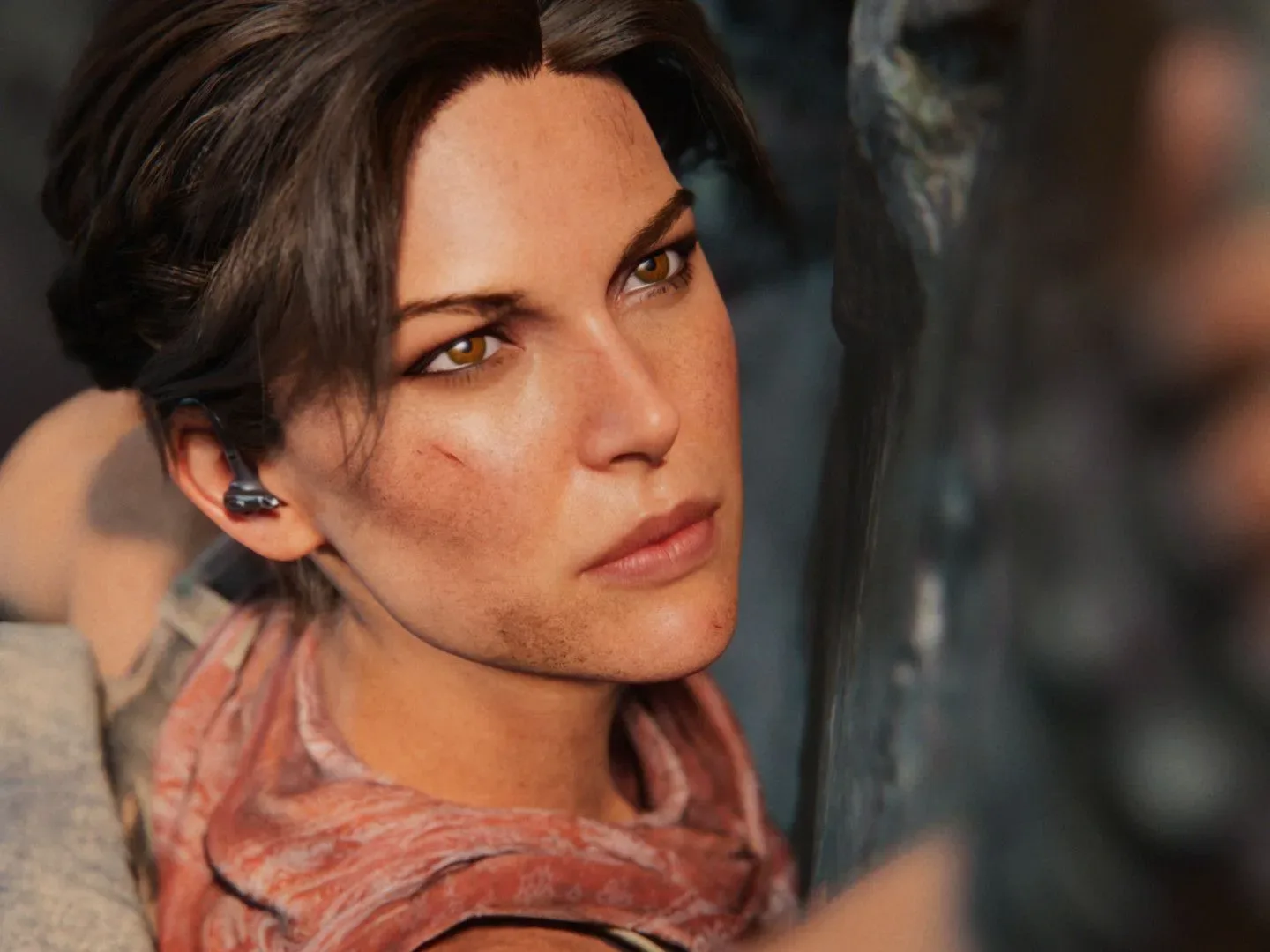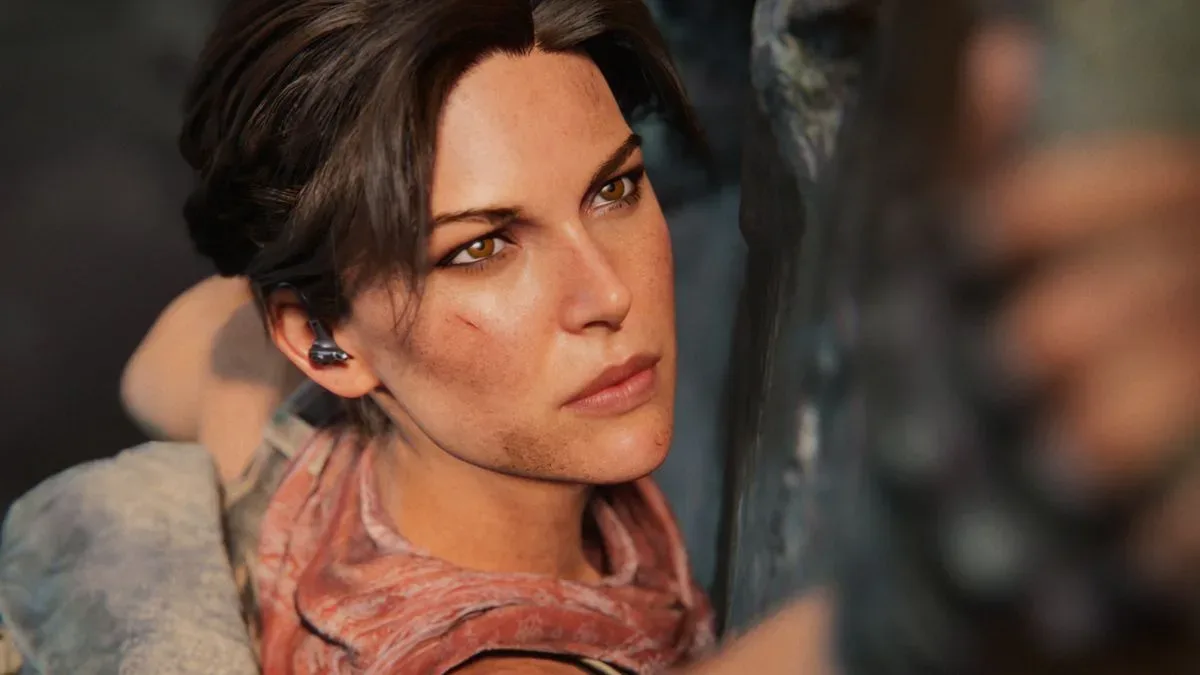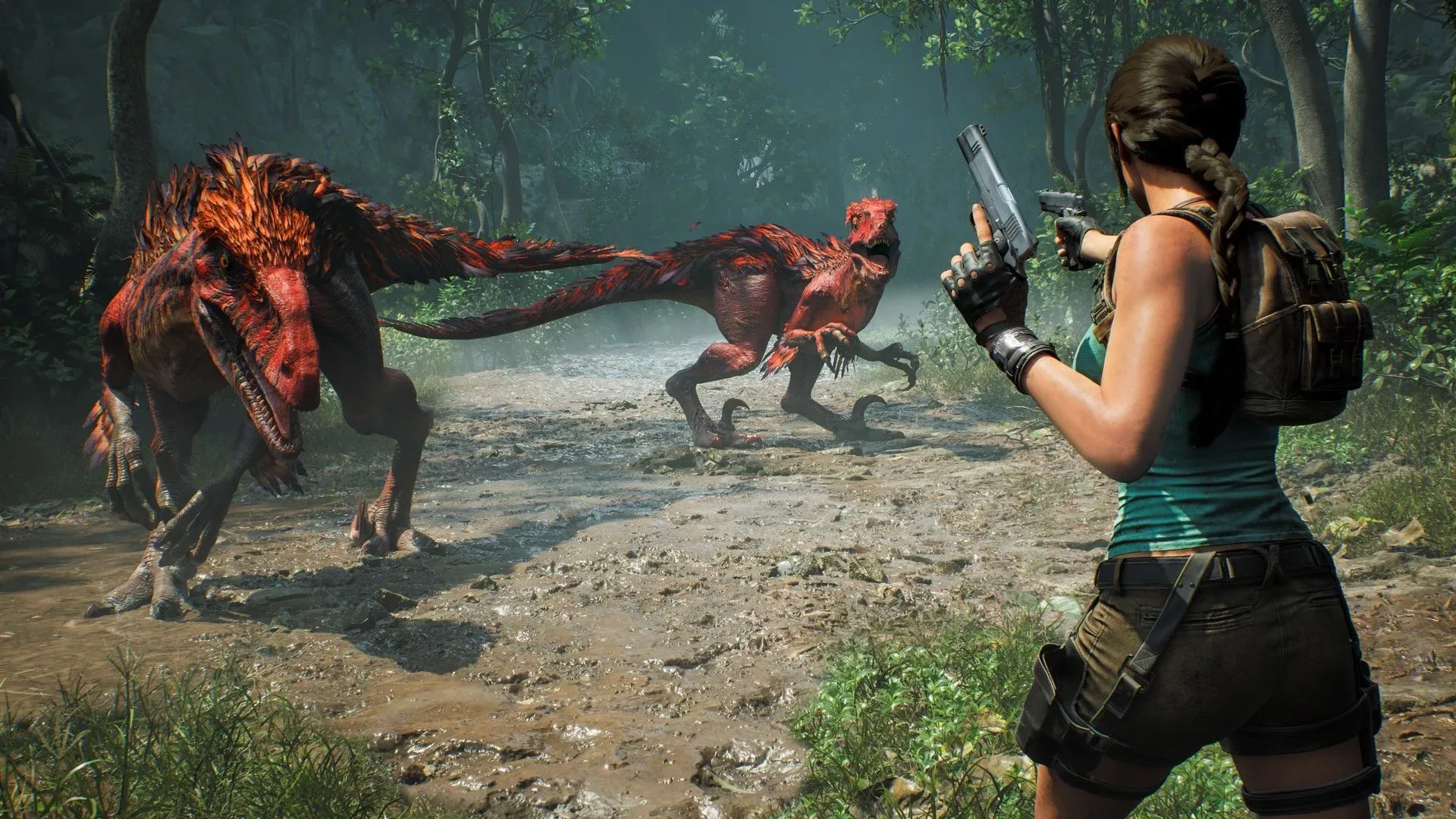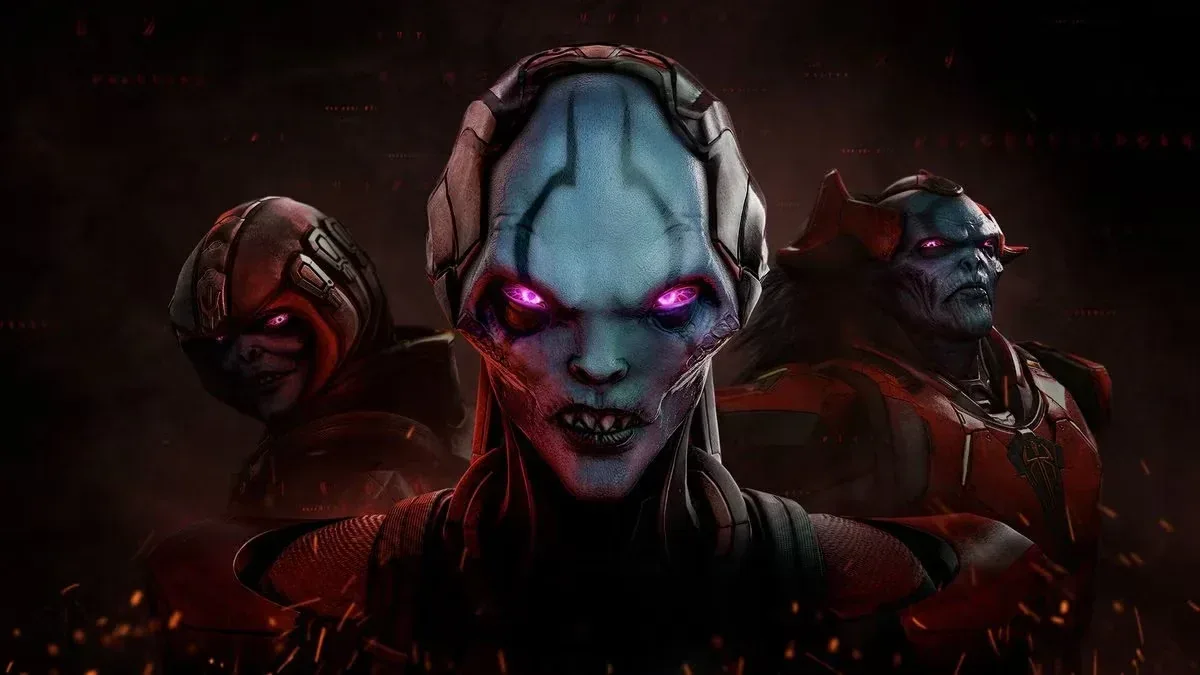
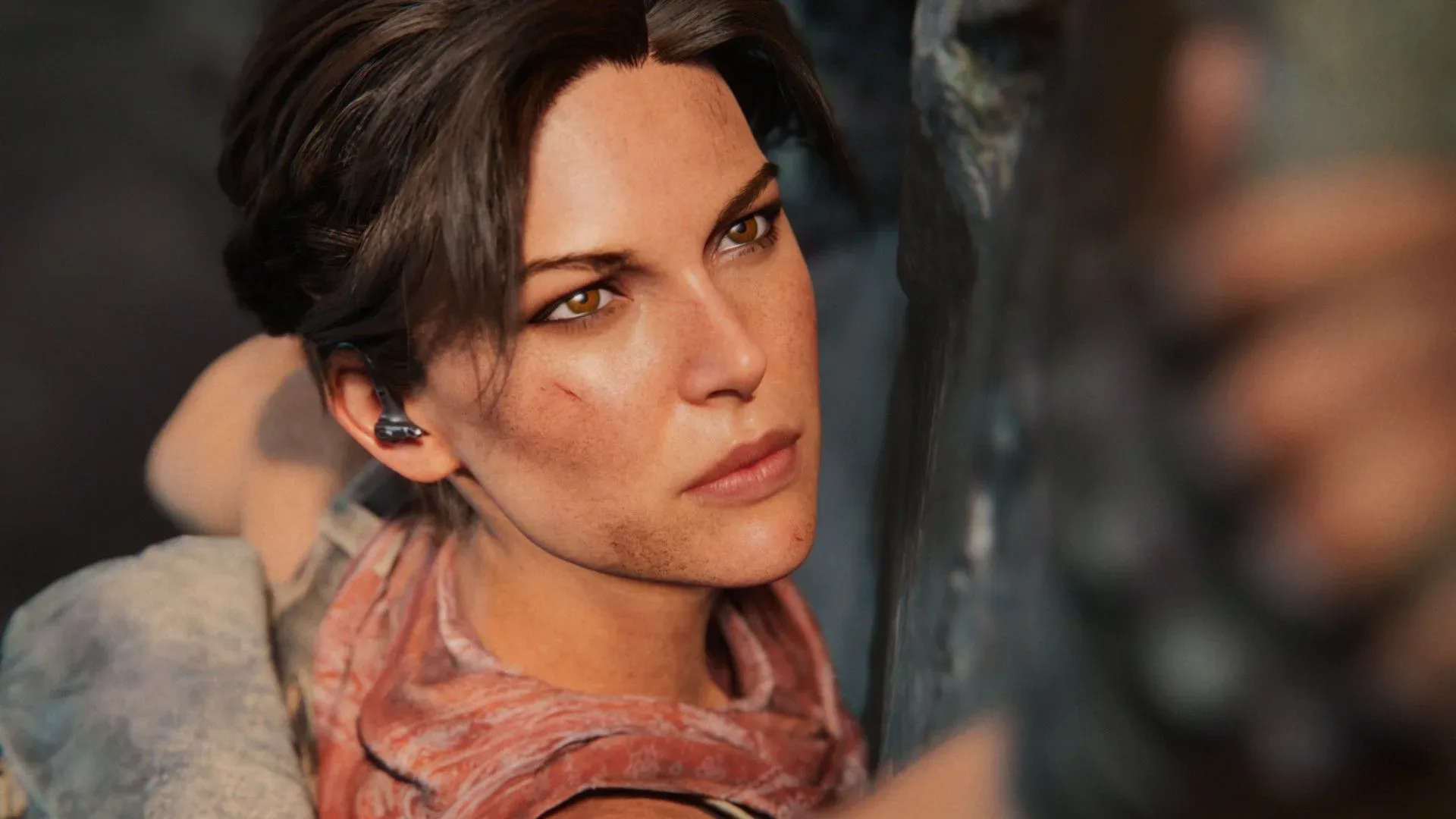
Crystal Dynamics appears to have gone through another round of layoffs, with several developers publicly saying their jobs have been cut. The reported reductions are especially troubling because they come while the studio is working on new Tomb Raider projects, including Tomb Raider: Catalyst, and because they represent at least the sixth known layoff round since the company last released an original game.
The scope of the latest cuts has not been disclosed. There is also no confirmed accounting of how many roles were affected or what, if any, direct change the reductions will make to the schedules, staffing plans or design of the studio’s upcoming games. That uncertainty is important: a handful of public posts can establish that layoffs occurred, but they cannot by themselves define the full size of a restructuring or its project-level consequences.
Still, the roles identified so far point to losses across disciplines that matter throughout game development. UI software engineer Garin R. K. Richards, senior game designer Joshua Mitchell and senior environment technical artist Kevin Baker have each been identified among the affected developers. All three listed Cataylst among their credits.
Developers describe another difficult round
Mitchell wrote that the cut was his first layoff in 14 years of making games, framing it as the latest in a series of reductions at Crystal Dynamics. The human effect of repeated cuts can be easy to flatten into a corporate headline, but the available information makes clear that this was not simply a shift in an organizational chart. It involved experienced developers whose work spans design, interface engineering and environment production.
Those specialties serve different needs, but all are connected to the process of getting a large game into players’ hands. A senior game designer typically works on the rules, player interactions, systems and content structure that shape how a game plays. A UI software engineer focuses on the underlying implementation of menus, displays and player-facing interface systems. A senior environment technical artist operates at the intersection of visual production and technology, helping artists create and place environments efficiently within the game’s technical constraints.
That last area is particularly relevant to a series whose worlds are expected to carry exploration, traversal and carefully directed visual storytelling. Technical art is not merely about making scenery look good. It can include the production systems that let teams build, adjust and optimize a game world at scale. Losing people in those roles does not automatically mean a project is delayed or diminished, but it can mean teams must redistribute knowledge, revise workflows or bring new staff up to speed.
What Baker’s work says about Catalyst’s production pipeline
Baker said he led development of procedural tools used extensively to create Tomb Raider: Catalyst’s game world. In practical terms, procedural tools are systems that help developers generate or organize parts of a game using rules, parameters or repeatable processes, rather than requiring every element to be built entirely by hand from scratch.
That does not mean a procedural system simply makes a finished world on its own. In a production setting, it may help teams establish terrain variation, distribute environmental details, make assets easier to place, or ensure that changes are propagated consistently. Artists and designers can then shape, select, refine and override the results. The key benefit is repeatability: when a team is building a large environment, a well-maintained toolset can reduce repetitive work and make iteration faster.
Related coverage includes Crystal Dynamics Reportedly Faces Another Round of Layoffs as Tomb Raider Work Continues.
Baker also said he integrated Claude Code into procedural-tool development. Claude Code is a generative AI coding tool, and the stated work describes its use in developing production tooling rather than evidence of a final game feature or a claim that it created the game world independently. That distinction matters. “AI” can refer to a broad collection of technologies and workflows; the information available here specifically concerns a coding-oriented tool being incorporated into the process of making internal procedural systems.
The studio had already been connected with AI use on Tomb Raider: Legacy of Atlantis. The reported work on Cataylst indicates generative technology may also have a role in its tool-development pipeline. However, neither point resolves the questions players are likely to have about how either game will look, play or credit the people who built it. The present information does not establish those details.
A sixth reported layoff round since Marvel’s Avengers
Crystal Dynamics has not released a new original game since Marvel’s Avengers in 2020. In the years since, the studio was acquired by Embracer Group, whose broader financial turmoil has been followed by extensive job cuts and organizational change.
In 2023, Embracer said Crystal Dynamics would not be affected by the ongoing layoffs across the larger company. Layoffs at Crystal Dynamics followed a few months later. Including the newly reported reductions, there have been five additional rounds since that point. Three occurred during 2025, with cuts taking place both before and after the cancellation of Perfect Dark, a project Crystal Dynamics had been co-developing with Xbox.
In March 2026, when another reduction was announced, the studio said it remained fully committed to its upcoming Tomb Raider games. That commitment is the latest clear statement on the status of the projects, but it should not be read as a release window, a guarantee about team size or an answer to the effect of the newly reported cuts. No such detail has been established.
The pattern is a reminder that an active, recognizable franchise and stable employment are not the same thing. Players may see a famous series, a major studio and projects that remain publicly in development. The people inside that studio can simultaneously face changing priorities, canceled work and repeated reductions. That disconnect is one of the harder realities of modern big-budget game production.
What is known, and what remains unknown
There are several facts that can be stated with confidence from the available accounts:
- Multiple Crystal Dynamics developers have publicly indicated they were laid off.
- The affected roles identified publicly include UI engineering, game design and environment technical art.
- Those developers listed Tomb Raider: Catalyst among their credits.
- The latest reports mark at least the sixth layoff round since the studio’s 2020 release of Marvel’s Avengers.
- Crystal Dynamics previously said it remained committed to its forthcoming Tomb Raider games.
There is also a substantial list of things that remain unknown:
- The total number of employees affected in this latest round.
- Which teams, disciplines or projects were involved beyond the people who have spoken publicly.
- Whether the work on Cataylst or Legacy of Atlantis has changed in scope, milestones or release timing.
- Whether any roles will be refilled, consolidated or shifted elsewhere.
- How the departure of people who developed specific production tools will be handled internally.
Separating those two lists is more than a matter of caution. Layoff reporting often develops in fragments, especially when companies have not issued a full statement. Public profiles and personal messages can provide valuable confirmation of job losses, while still leaving the broader business picture unresolved. Treating early reports as a complete project-status update would go beyond the evidence.
Why the production-tool angle matters
The mention of procedural tools is a meaningful detail because internal technology can carry institutional knowledge. A tool’s code is only part of its value. Its practical value also includes documentation, known limitations, the way artists and designers use it, and the judgment needed when it produces undesirable results. Teams can preserve and transfer that knowledge, but doing so takes time and attention.
For a game in development, the impact depends on factors that are not public: how mature the tools are, how widely they are used, whether their maintainers remain at the studio, and how much ongoing support is needed. It would be speculation to say the latest cuts will alter Cataylst. It is fair to say that departures from technical-art and tooling work can matter beyond a single person’s immediate task list, because production pipelines rely on both software and the people who understand how it fits into daily development.
Generative coding tools add another layer to that conversation. They may assist programmers with drafting, reviewing or revising code, but they do not eliminate the need for technical direction, validation and upkeep. In a game-development pipeline, an unreliable or poorly integrated tool can create downstream work for artists, designers and engineers. Human oversight remains central to deciding whether a tool produces usable, maintainable results.
The broader technology landscape is also full of cases where internal systems and organizational choices have visible consequences for users, as shown by this report on an internal update linked to service outages. The situations are different, but both illustrate why behind-the-scenes infrastructure and the people responsible for it should not be treated as invisible details.
What Tomb Raider fans should watch for
For now, there is no basis to declare either announced Tomb Raider project canceled, delayed or unchanged. Crystal Dynamics’ previous commitment to the games remains relevant, while the staffing news raises understandable questions that have not yet been answered.
The most useful signals will be direct, specific updates: confirmation of the size of the cuts; clarification of which productions are affected; or new official information about the projects themselves. Until then, the responsible reading is narrow. Crystal Dynamics has reportedly lost more employees, including developers connected to Tomb Raider: Catalyst. The full operational effect is not known.
That is an unsettling position for the staff affected and an uncertain one for a studio attempting to carry forward one of gaming’s most established adventure series. It also underscores a basic point often obscured by franchise branding: games are made through long-running teams, specialized skills and production knowledge. When those teams are repeatedly reduced, the consequences cannot be measured solely by whether a title still appears on a future release slate.