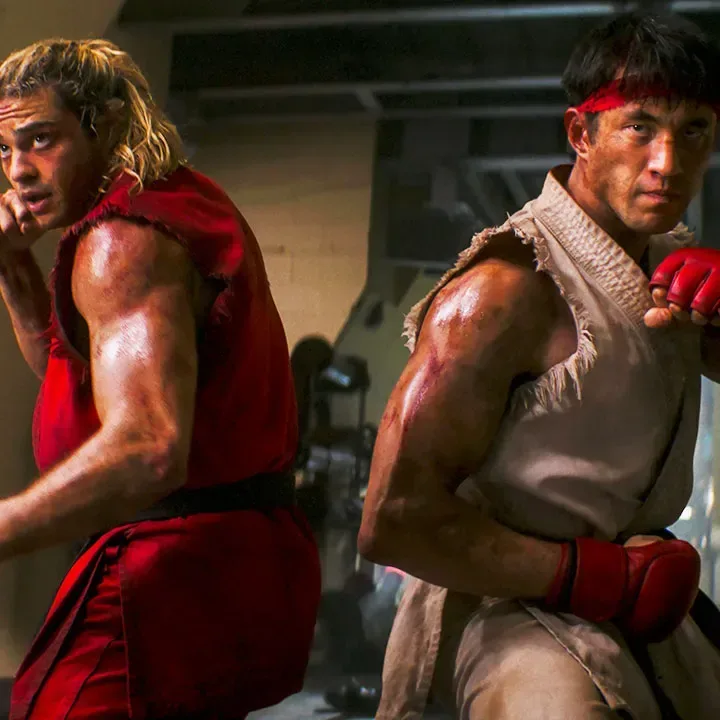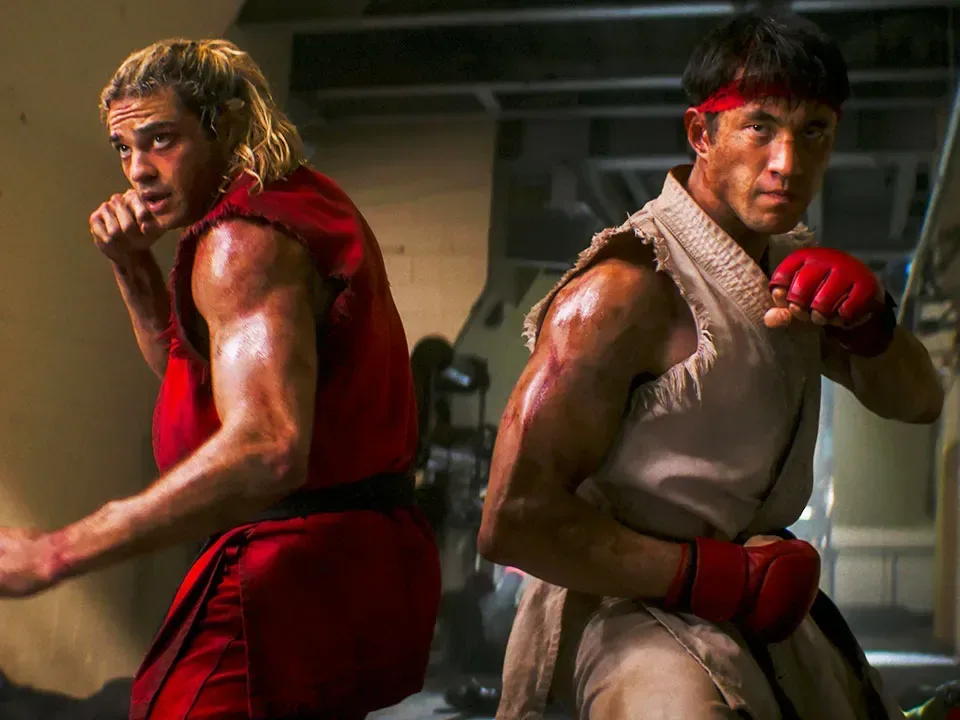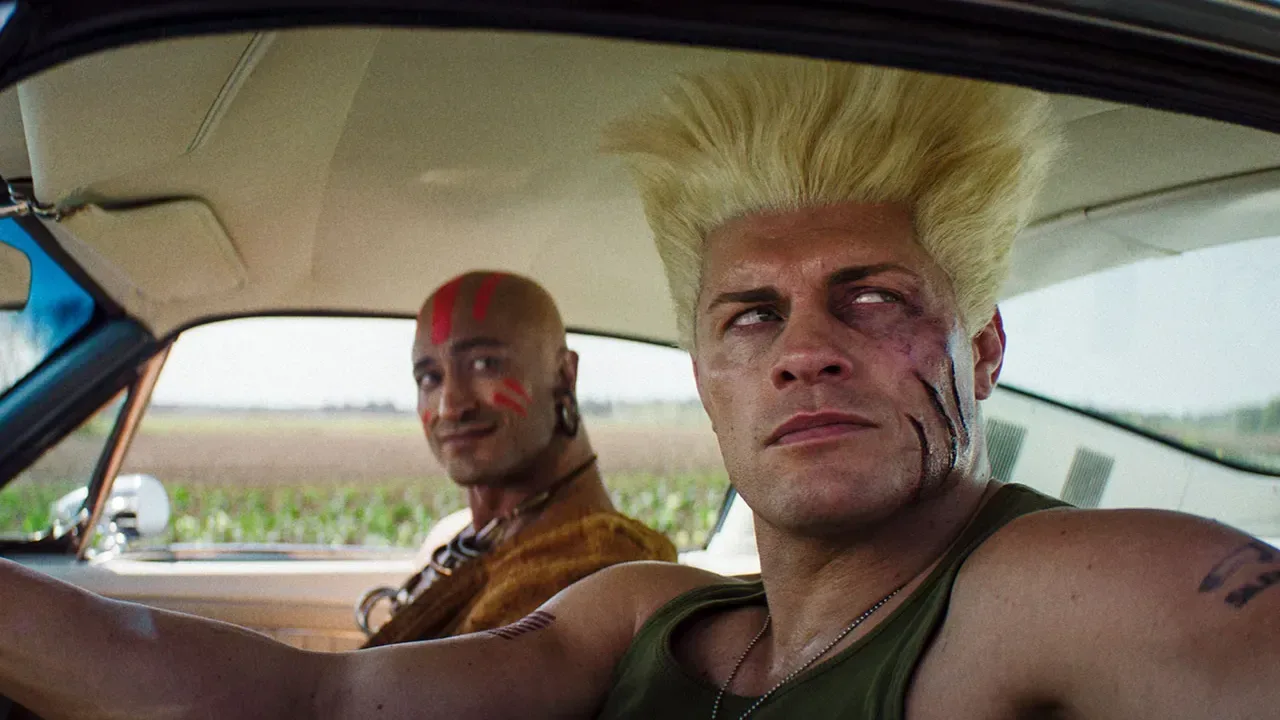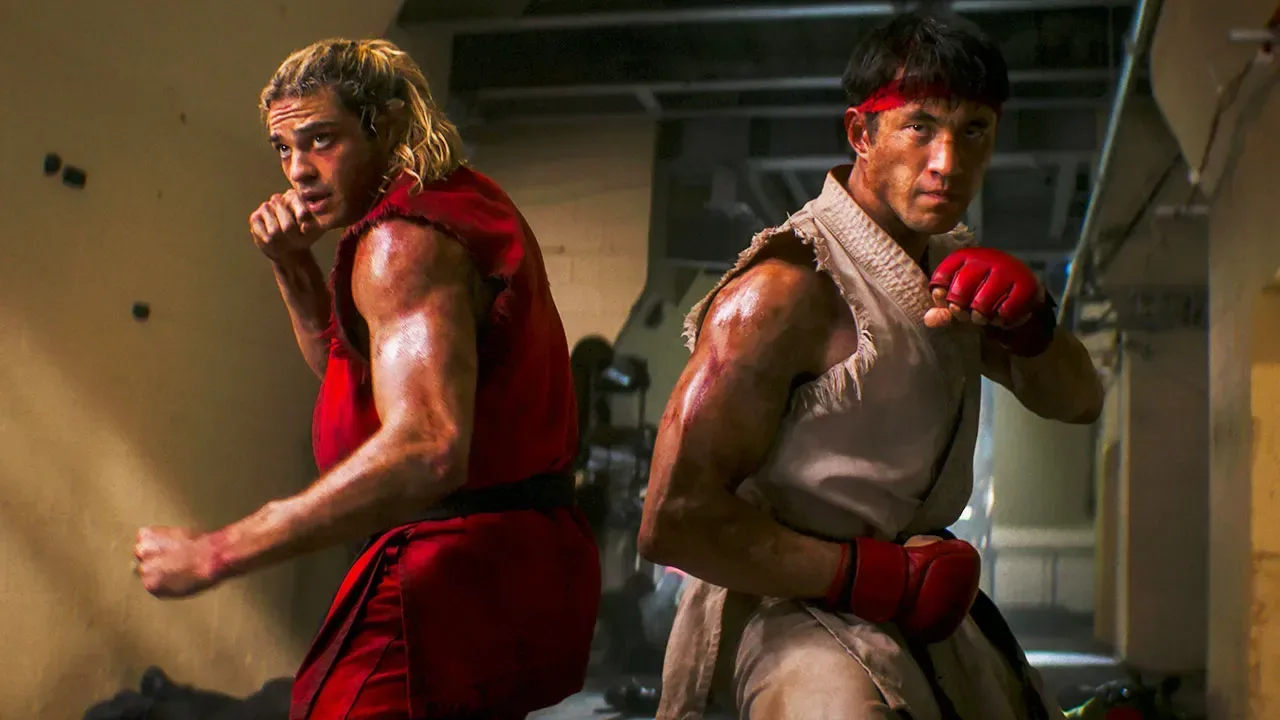
Capcom has reaffirmed that it intends to keep taking its game properties beyond games after the new Street Fighter film reached the top of the box office in its opening weekend. In an investor relations report dated November 2, the company tied the film’s launch activity directly to its wider “Single Content Multiple Usage” strategy: a long-term approach built around using a recognizable game property across several formats rather than treating a release in one medium as a one-off event.
That matters because the immediate theatrical picture is mixed. The film reportedly fell 72% in its second week and had an estimated global total of roughly $91.9 million against a reported $80 million budget. Those figures alone do not establish whether a film is profitable or unprofitable; theatrical budgets do not capture every cost, and box-office revenue is not the same thing as the amount ultimately returned to the companies involved. They do, however, illustrate why a first-place opening and the longer-term sequel outlook can be read very differently.
Capcom’s message is not that every result rests solely on a follow-up film. Instead, the company is presenting Street Fighter as a property with uses across promotion, live events, game collaborations, merchandise and esports. Put plainly: the cinematic release can be part of a broader campaign to put characters and the franchise in front of audiences who may not otherwise encounter it through a game release alone.
What “Single Content Multiple Usage” means
Capcom previously laid out the strategy in its 2023 integrated report. Its premise is to deploy popular proprietary content across multiple game platforms while actively adapting it for movies, stage productions and other non-game media. “Proprietary content” in this context means intellectual property the company controls, including its characters, worlds and brands.
The wording can sound like investor-relations shorthand, but the idea is straightforward. A brand such as Street Fighter is not being treated only as a series of games. It can also anchor:
- promotional tours and premiere events;
- collaborations with game titles;
- merchandise and licensed products;
- competitive gaming and esports activity; and
- film, theatrical and other entertainment projects.
These activities do not have to depend on a single revenue stream to be valuable to the strategy. A film can raise awareness of characters; events can turn that attention into a more visible community moment; collaborations can bring the brand into front of players in another game; and merchandise can give fans a physical way to engage with the property. The company’s stated aim is sustainable growth and increased corporate value through this multifaceted use of its portfolio.
That is an important distinction when assessing the response to the movie’s box-office run. A theatrical chart position is one metric. The strategic question Capcom is emphasizing is broader: whether the release helped make the brand more visible across markets and formats.
The campaign extended beyond theaters
Capcom said it supported the film with a worldwide promotional tour, premiere events in Japan and the United States, and collaborations with game titles. It characterized those efforts as an appeal to a broad audience and said the film gained popularity globally.
Related coverage includes Capcom Reaffirms Film and Media Expansion Plans After Street Fighter's Opening Weekend.
There is a practical logic to that approach for a fighting-game series. Street Fighter is built around a large group of instantly identifiable fighters, and a movie can introduce those characters to people who may recognize names or visual designs without following the games closely. At the same time, established players can encounter the film as another expression of a setting and roster they already know. Cross-media visibility is therefore not simply advertising for one product; it is an attempt to make the overall brand more culturally present.
Capcom’s report does not announce a sequel, a new merchandise line, or specific future event plans. It does make clear that the company remains committed to the larger strategy following the film’s launch. That leaves room for more activity without turning the report into confirmation of any particular project.
Opening-weekend success and the difficult sequel question
The film’s number-one opening weekend gives Capcom a high-profile achievement to point to. Yet the reported 72% second-week decline complicates any simple victory lap. A steep week-to-week fall can change the conversation around a theatrical run, especially when observers are trying to estimate whether a sequel might be pursued.
It is worth keeping the limits of the available information in view. The approximately $91.9 million global figure is an estimate, while the $80 million production budget has been reported rather than formally detailed here. Neither figure includes a complete accounting of distribution, marketing, exhibitor splits, later viewing windows, licensing arrangements or other business terms. Consequently, it would be premature to treat the available numbers as a final verdict on the film’s finances or on a second installment.
What can be said is that Capcom has chosen to reaffirm its cross-media plan even with that uncertainty hanging over the movie’s longer box-office trajectory. That decision suggests the company sees value in the overall brand activation surrounding the release, not merely in a single theatrical total.
Why the ending has fueled sequel talk
Discussion of another film has also been helped by the movie’s cliffhanger ending and by the limited screen time given to some recognizable fighters. Olivier Richters, who plays Zangief, wrote in a YouTube comment that the cast had signed for three movies. He described the initial goal for his character as showing a glimpse of Zangief’s power, adding that Zangief would have a larger opportunity if a sequel were made.
“All actors, including me, signed for three movies. ‘If a sequel is made, Zangief will shine,’ was the promise,” Richters wrote.
That comment should be read carefully. Cast members signing agreements that contemplate multiple films is not the same as confirmation that additional films have been approved, financed or scheduled. The conditional language is central: Richters referred to what would happen if a sequel is made. Capcom’s investor report, meanwhile, recommits to a general multi-use intellectual-property strategy but does not announce another Street Fighter movie.
Still, the combination of an unresolved ending, an ensemble roster and actor comments about multi-film agreements explains why sequel speculation has continued. A crowded fighting-game adaptation faces an obvious structural challenge: giving a meaningful spotlight to every fan-favorite character in a feature-length story is difficult. Holding some fighters back can create anticipation, but it also means a later entry remains dependent on a business decision that has not been publicly confirmed.
The larger lesson for Capcom’s game brands
Capcom’s stated strategy offers a useful lens for reading this moment. Rather than placing the entire burden on the film to validate itself in isolation, the company is framing the release as one component in a connected set of uses for its intellectual property. Movies, stage productions, partnerships, products and competitive scenes can each serve a different audience and purpose.
For players, that may mean seeing game brands surface in more places than traditional launches. For fans of physical products and events, it points toward the continued importance of licensed merchandise and in-person promotional activity. For esports followers, it reinforces that competitive gaming is included in the company’s vision of how a franchise can remain active and visible. None of that guarantees a specific new game, event or collectible, but it establishes the direction Capcom says it is pursuing.
The approach also makes audience response more complicated than a binary hit-or-flop judgment. The movie reportedly drew a generally positive response from many moviegoers and fans, while critical reaction was less enthusiastic. One published review awarded it a 6/10, praising an energetic cast and unruly spirit while arguing that the adaptation struggled to organize that energy into a focused story. That split is consistent with why a company can highlight reach, awareness and fan engagement while outside observers focus on the film’s sharp second-week box-office decline.
Both readings can coexist. The theatrical performance raises legitimate questions about the prospects for another film. Capcom’s November 2 report answers a different question: whether the company still believes its games should be extended into multiple media and commercial channels. Its answer is yes.
That focus on adaptable, recognizable brands sits within a wider games-industry conversation about how companies build value beyond individual releases. As explored in the enduring cultural weight of major game worlds, the identity of a studio or franchise can extend well beyond any single product. Capcom’s stated plan is a formal business version of that principle: keep the property active across formats, build recognition, and give audiences multiple entry points.
For now, the clearest confirmed development is not a sequel. It is Capcom’s renewed commitment to its Single Content Multiple Usage model after Street Fighter’s opening-weekend result. Any future movie remains unannounced, but films, events, collaborations, merchandise and esports are all part of the road map the company has publicly reiterated.