Bluetooth’s next meaningful speed bump now has a name and a rough timetable. Bluetooth High Data Throughout, or HDT, has been formally adopted by the Bluetooth Special Interest Group as an optional part of Bluetooth Core 7.0. The first products using it are expected in early 2027, before support spreads more broadly.
The headline number is straightforward: HDT raises the maximum supported bit rate for Bluetooth Low Energy devices from 2Mbps to as much as 7.5Mbps. That is close to four times the previous ceiling. It does not mean every existing Bluetooth device will suddenly run faster, nor does it mean every Core 7.0 product must support it. But it creates a considerably larger data lane for future compatible hardware.
For people who use wireless headphones, smartwatches, fitness gear, spatial-computing hardware or accessories around a gaming setup, that extra lane could eventually matter more than the dry specification sheet suggests. Bluetooth is frequently asked to move audio, device-control information, software updates and sensor data while remaining efficient enough for compact battery-powered products. More throughput gives designers more room to make trade-offs.
What Bluetooth HDT changes
A bit rate measures how much data a connection can carry over time. In this case, the supported maximum moves from 2 megabits per second (Mbps) to 7.5Mbps. A megabit is not the same as a megabyte, but the useful practical point is simple: a higher number means more information can potentially be sent in the same period.
HDT is specifically described for Bluetooth LE, short for Bluetooth Low Energy. LE is designed with power saving in mind, rather than relying on a continuous connection in the way some other wireless approaches do. That makes it relevant to smaller devices where battery life, compact components and intermittent exchanges of information all matter.
The combination is the significant part. Faster transfer capacity is being introduced in a part of Bluetooth built around efficiency. The stated aims include better general efficiency and reliability alongside the ability to handle more demanding data workloads. Those outcomes will depend on the eventual device implementation, but HDT gives manufacturers a higher maximum ceiling to work with.
Audio is the obvious beneficiary
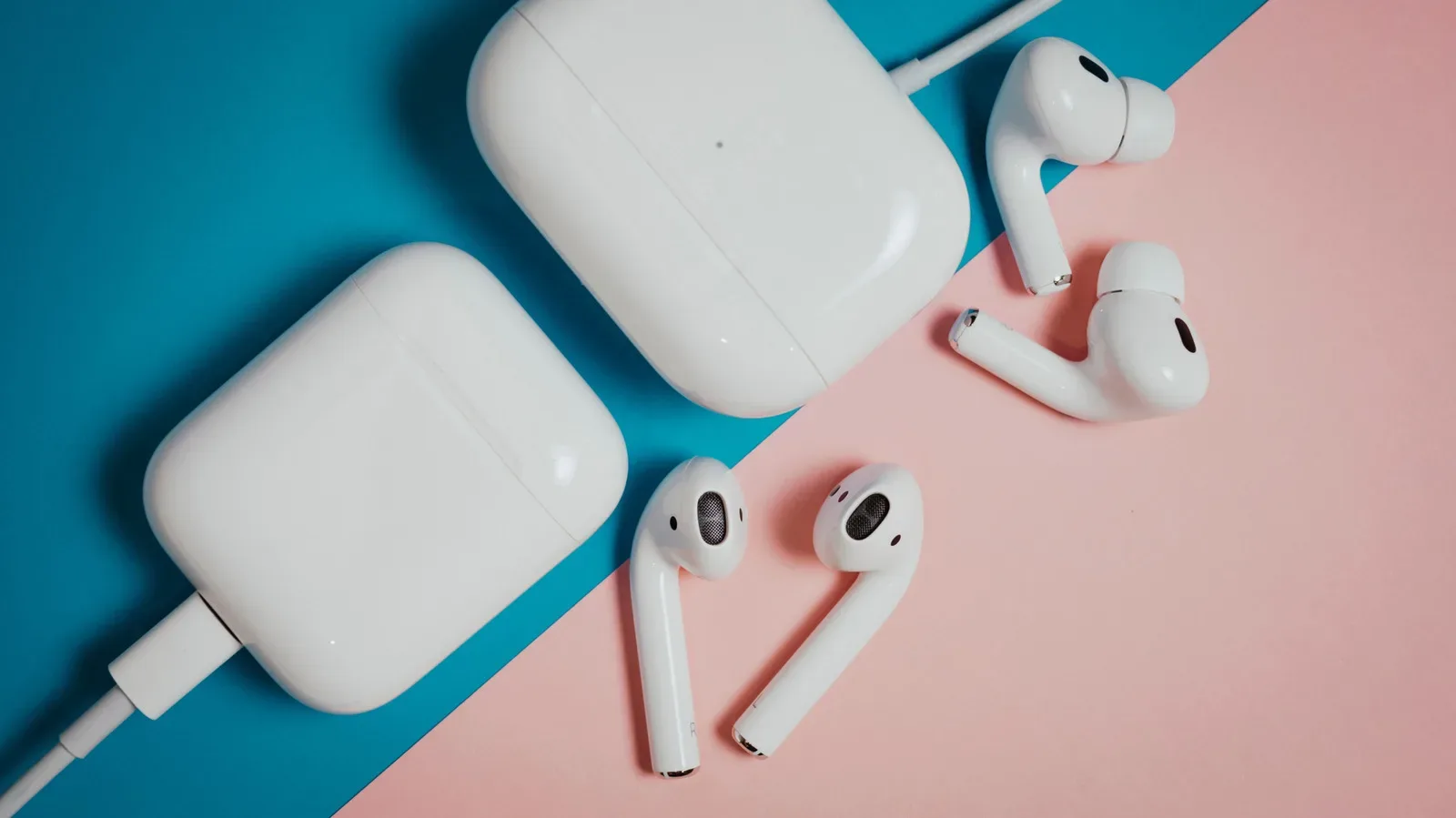
Wireless audio is the clearest consumer-facing use case identified for HDT. Greater Bluetooth LE bandwidth should enable higher-quality wireless audio, while also helping make new spatial-audio and multi-channel experiences possible.
Spatial audio refers to audio designed to create a sense that sounds occupy positions around a listener. Multi-channel audio means handling more than a basic pair of audio channels. Both can demand more from a wireless link than a simpler audio setup, particularly when a product is trying to carry richer sound while staying responsive and power-conscious.
Related coverage includes Bluetooth HDT Targets 7.5Mbps LE Speeds in Early 2027.
That does not establish that HDT will fix every complaint people have with wireless headsets. The adoption is optional, compatible products have not yet been announced, and the provided details do not set out which audio formats or latency targets individual manufacturers will pursue. It would be premature to treat 7.5Mbps as a promise of a specific sound quality or response-time result.
Still, the direction is meaningful. Future headphones and gaming-focused audio accessories could have more bandwidth available for audio features that have previously had to fit within tighter constraints. For games that lean heavily on positional cues, voice chat and immersive sound design, a roomier wireless connection is an enabling technology rather than a guaranteed finished experience.
There is also a useful distinction to keep in mind: HDT is a connection capability, not an audio feature by itself. A device maker must choose to support it and then decide how to use the added capacity. One product might prioritize richer audio, another might emphasize reliability, and another might use the headroom for a mixture of audio and other traffic.
Why wearables may feel the change first
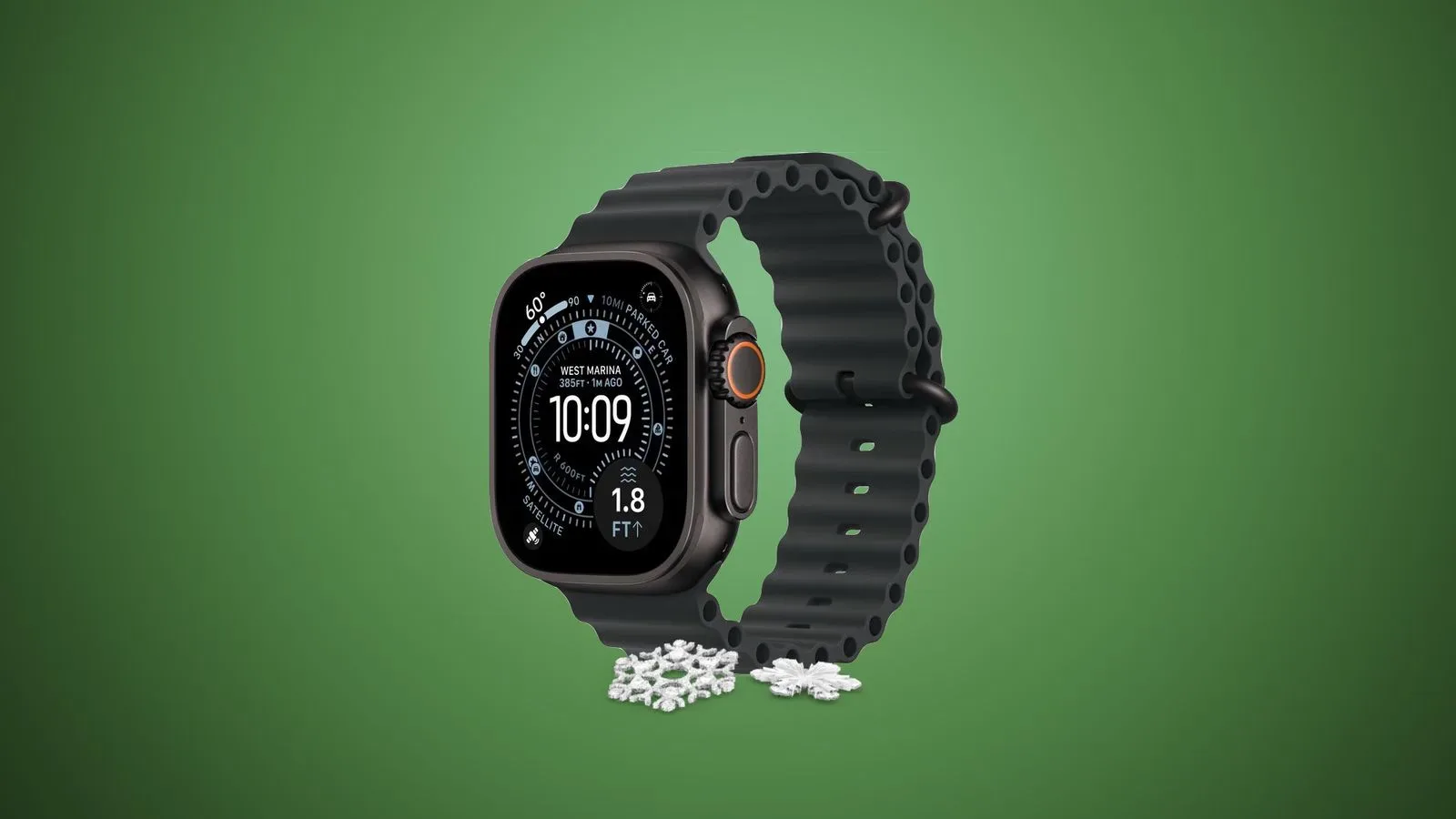
The less glamorous applications may be some of the most immediately understandable. Smartwatch firmware updates and the synchronization of fitness data are specifically expected to become faster and less disruptive with greater throughput.
A firmware update is software that updates the operating instructions embedded in a device. Moving such a package faster can reduce the time spent waiting for a watch or accessory to complete the transfer. Fitness synchronization covers information moving between devices, such as data collected by a wearable and then sent to another device. HDT’s larger data capacity should make those transfers less of an interruption when both sides support the feature.
These uses illustrate why raw speed is only part of the story. A wireless connection that finishes a transfer more quickly may spend less time occupied with it. In theory, that is helpful for products that are meant to fade into the background: a watch should not feel like it is demanding attention merely because it needs to update, and a fitness tracker’s data transfer should not become the main event.
The source material also points to improved reliability and efficiency as anticipated benefits. Those are particularly valuable goals for wearable hardware. A rapid transfer is useful, but a transfer that is dependable and does not place unnecessary strain on a small device’s battery is the better outcome.
AI and spatial computing have more room to breathe
HDT is also positioned for data-hungry AI applications and spatial-computing devices. The term spatial computing broadly describes hardware and software that interact with a user’s physical space. The relevant takeaway here is not a promised product feature, but that systems which need to exchange more information can benefit from a less constrained Bluetooth LE link.
That could be important as accessories become more connected and more specialized. A device does not need to be a phone or a computer to create significant wireless traffic; sensors, audio hardware and companion devices can all have information to share. A maximum of 7.5Mbps will not erase the need for careful product engineering, but it expands what engineers can try to do over Bluetooth LE.
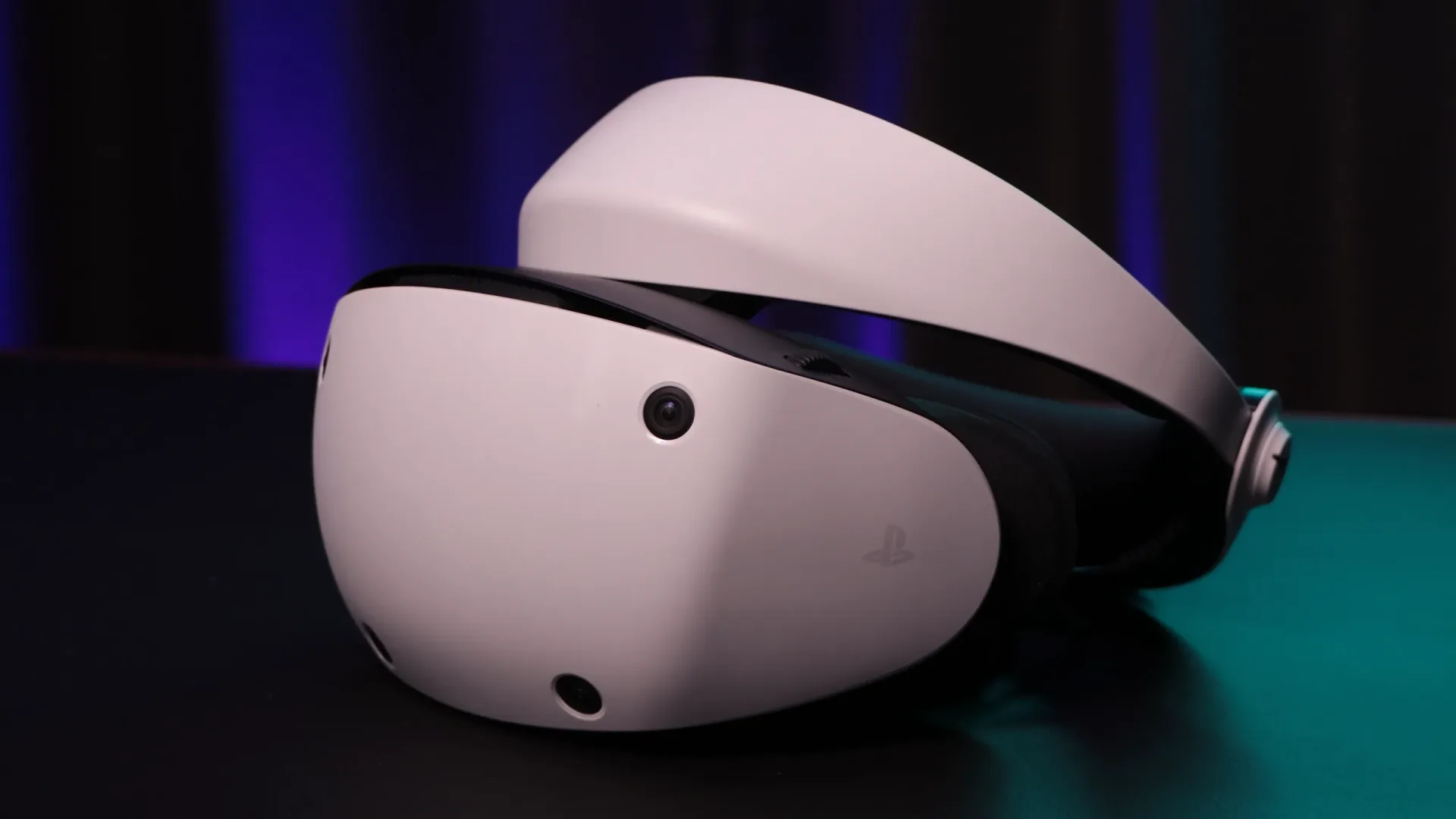
For the games and hardware audience, that makes HDT worth watching alongside the wider push toward immersive equipment. The present state of VR remains complicated in places, as discussed in our look at PSVR 2’s store removal and what it does—and does not—indicate. Bluetooth HDT does not change the status of any particular headset or platform. It is instead a future connectivity option that may be useful to categories of devices pursuing more demanding audio and spatial experiences.
Optional means shoppers should read specifications carefully
The key caveat is that HDT begins as an optional Bluetooth Core 7.0 feature. Core 7.0 support alone is therefore not enough to establish that a device supports the higher HDT rate. Consumers interested in the capability will need manufacturers to say explicitly that HDT is included.
Compatibility will also matter at both ends of a connection. A feature such as this is most useful when the devices communicating with each other support it. The announcement describes a standard capability, not a retrofit for existing Bluetooth LE products. There is no basis here to expect current earbuds, wearables, controllers or headsets to gain HDT simply because the specification has been adopted.
That early optional status is normal cause for patience, not dismissal. Standards adoption establishes a shared technical foundation. The visible consumer benefits arrive later, through chips, devices, software support and clear product messaging. The first compatible products are expected in early 2027, which means the immediate story is one of preparation rather than an upgrade purchase decision.
What to watch in 2027
- Explicit HDT support: Look for manufacturers to name Bluetooth HDT rather than relying only on a broad Bluetooth-version label.
- The first device categories: Wireless audio, wearables and spatial-computing products are the most clearly relevant areas from the information currently available.
- How companies describe the benefit: The 7.5Mbps maximum is a technical ceiling. Product makers will need to explain whether they are using it for audio quality, multi-channel or spatial features, transfers, reliability, or a combination.
- Real compatibility details: Buyers will need to know which paired devices can use the feature together, rather than assuming a single HDT label tells the whole story.
The Bluetooth SIG’s adoption of HDT is not a flashy consumer launch, but it is a notable expansion of what Bluetooth LE can carry. Moving from 2Mbps to up to 7.5Mbps gives future devices substantially more headroom while retaining the low-energy focus that matters for portable hardware. The eventual value will come down to implementation, but early 2027 is now the point when the first concrete products should begin to show what that capacity can do.