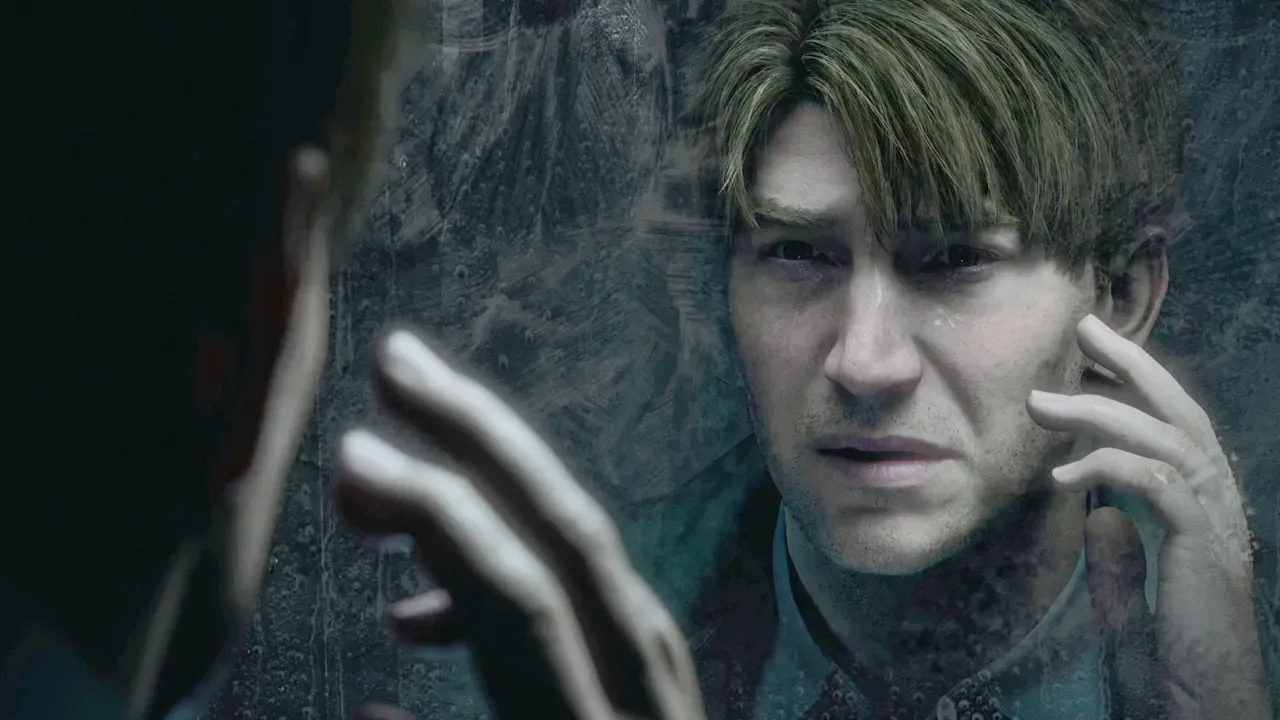
Horror can turn uncertainty into something playable: a dark corridor, a threat that cannot be fully understood, a decision made with imperfect information. Bloober Team CEO Piotr Babieno believes that connection helps explain why the genre is having such a strong moment—and why the Polish developer is committing more deeply to it than ever.
Bloober Team currently has seven horror games at varying stages of production. The studio is coming off the commercial success of its 2024 Silent Hill 2 remake, which has sold more than 5 million copies, and is building a larger structure around both established franchises and original work. Its next release is Cronos: Lazarus, a story expansion for Cronos: The New Dawn.
Babieno’s explanation for the wider horror boom is blunt: audiences often gravitate to frightening fiction when real life feels unstable. He pointed to climate change, wars and economic pressures as examples of conditions that leave people carrying a deeper sense of fear. In that environment, horror games, films and novels can become especially resonant—even if the circumstances behind that resonance are hardly worth celebrating.
“Horror is always at its strongest when something bad is happening to the world,” Babieno said.
That is not a claim that every horror hit has the same cause, or that a troubled world automatically produces better games. It is an argument about mood. Horror gives an audience a bounded place to confront dread. A game can make players feel vulnerable, then give them rules, objectives, resources and a possible route forward. Real-world anxiety rarely comes with a map marker or an inventory screen.
A specialist strategy rather than a late pivot
For Bloober Team, the current demand is an opportunity, but not the origin of its direction. The developer made casual games and contract work in its earlier years, then began concentrating on horror with 2016’s Layers of Fear. That sustained focus matters because horror is not one fixed design formula. It can mean survival-focused resource pressure, disturbing psychological storytelling, action-led creature encounters, or atmosphere built through sound and environmental detail.
Babieno says the studio’s process is based on iteration: evaluating each release, identifying mistakes and improvements, and making sure a proposed project represents progress for both the company and its audience. Iteration, in game development terms, means repeatedly revising systems, art, performance, pacing or player feedback rather than treating an early version as final. It is a practical necessity in horror, where a creature design, camera angle, sound cue or combat rhythm can determine whether a scene feels tense, frustrating or unintentionally funny.
He also framed technical work as part of the studio’s horror craft. That does not merely mean prettier lighting or more detailed models. Technology can affect readability in dark scenes, the responsiveness of combat, the way spaces are streamed and presented, and the precision with which audio establishes danger. These are the supporting systems underneath a scare; when they fail, the atmosphere tends to fail with them.
Related coverage includes Bloober Team CEO Sees Horror's Boom as a Response to an Uncertain World.
The studio’s approach has a clear commercial logic as well. Making a game can consume years of a team’s work. Babieno’s stated test—whether a project is the next step for the studio and its fans—is a guardrail against building a title solely because the genre is currently popular. Horror’s strength may open doors, but a crowded schedule also raises the cost of choosing the wrong project.
Silent Hill 2 changed the conversation
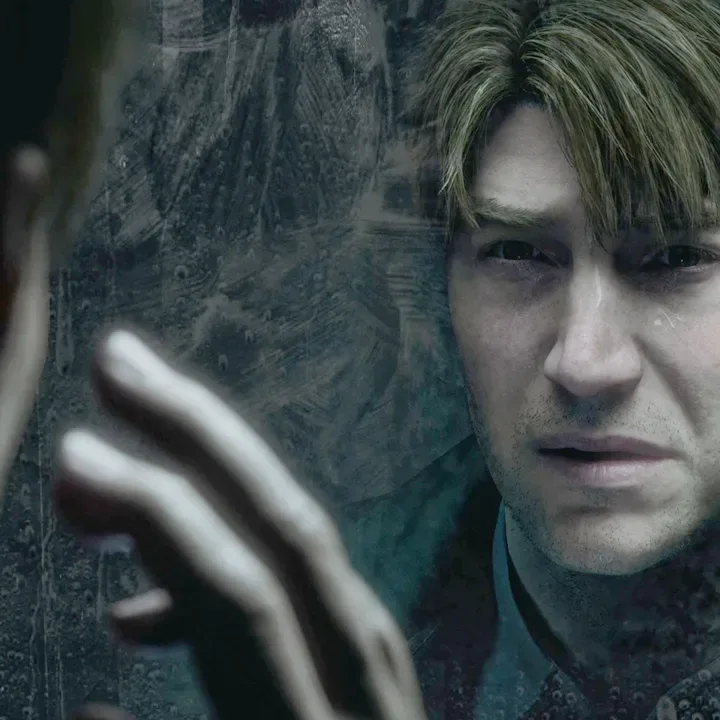
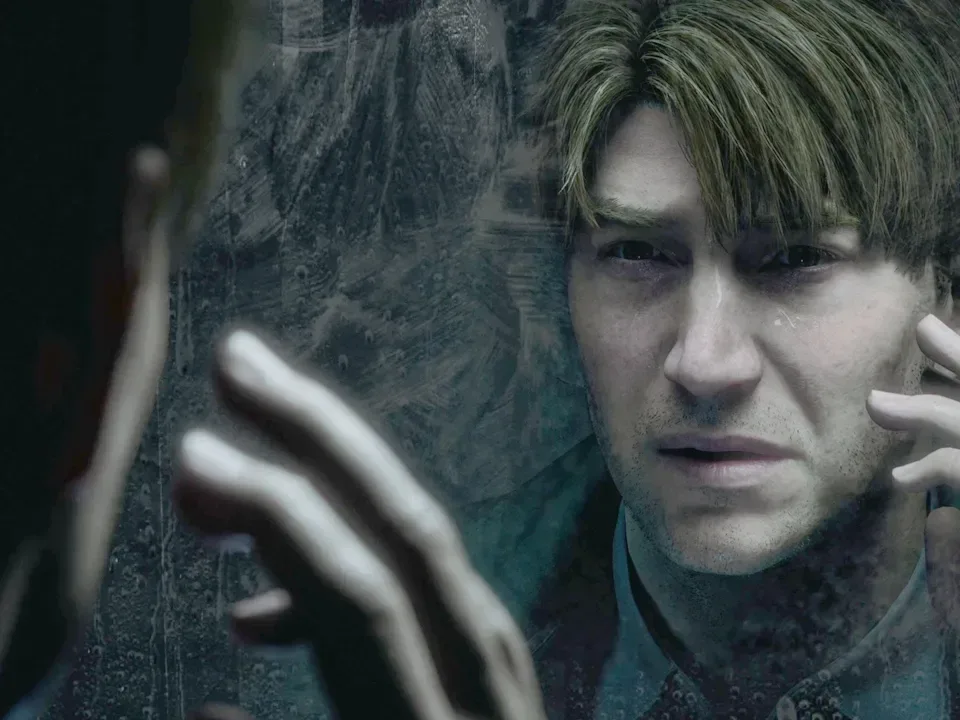
Silent Hill 2 was the pivotal release in that strategy. Remaking a revered game carries a particular risk: players have memories of the original, detailed expectations about tone and interpretation, and a low tolerance for changes that seem careless. Bloober Team faced heavy skepticism while working on the project. Babieno says the team dealt with that pressure by concentrating on quality and shutting out the surrounding noise.
That distinction is useful. Listening to player feedback is not the same as allowing every early reaction, leak or social-media argument to dictate a production. A developer can pay attention to concerns while still needing a stable creative direction. Babieno’s view is that the remake’s outcome validated that internal focus, describing it as a turning point for Bloober Team.
The result has wider implications for the company. Success on a high-profile licensed remake can prove that a studio can handle established expectations, but it does not eliminate the harder next question: can it translate that confidence into an identity that audiences recognize beyond another company’s property? Babieno has made clear that he sees room in the market for another enormous horror series alongside Silent Hill and Resident Evil. That is an aspiration, not a promise that one of the announced projects will become that franchise.
It is also a notably ambitious goal in an industry where many teams are facing cuts and closures. Bloober Team, by contrast, now operates two first-party studios and has added Broken Mirror Games, a second-party label used to co-develop games with five other Polish teams. First-party studios here refers to teams within Bloober Team’s own organization. A second-party arrangement generally describes a closer external development relationship than a standard independent release, while the partner team remains separate from the publisher or platform holder. The structure allows a company to pursue more projects, though it also makes coordination, quality control and clear creative ownership more important.
Industry issues around the treatment of creative communities remain relevant as studios grow their reach; recent creator-safeguard changes elsewhere in multiplayer horror underline how development, publishing and audience relationships can all affect a genre’s public conversation.
What is confirmed in Bloober Team’s slate
Four of the seven projects have been identified: a remake of the original Silent Hill, Layers of Fear 3, Nintendo Switch 2 exclusive Onyx: The Dark Grip, and Star Trek: Shadow Frontier. The latter is described as a psychological horror game in Gene Roddenberry’s science-fiction universe.
That slate shows the company spreading its work across different kinds of recognition. Silent Hill is a major horror name. Layers of Fear is one of Bloober Team’s own established series. Star Trek brings a different audience and setting to psychological horror, while Onyx: The Dark Grip is tied specifically to Nintendo’s next hardware.
There are still significant unknowns. Babieno did not validate a reported leak concerning the next Silent Hill, including a suggested 2027 release and alleged cast details, dismissing it as rumor. That means those details should not be treated as confirmed plans. Likewise, he offered few specifics about Star Trek: Shadow Frontier, beyond his agreement with partner Paramount Games Studio’s ambition for it to be the best Star Trek game.
That language is deliberately high bar rather than a description of finished features. “Psychological horror” generally emphasizes fear generated through perception, tension, character states and uncertain reality, rather than relying only on direct combat or monsters. But neither the gameplay structure nor the release timing for Star Trek: Shadow Frontier has been detailed here.
Project H is Bloober Team’s next original question mark
Babieno was more willing to discuss Project H, the working title for the next game from the team behind 2025’s Cronos: The New Dawn. It remains in the late stages of pre-production, so it should be viewed as an early project rather than an imminent reveal.
Pre-production is the stage where developers establish a game’s concept, core mechanics, story direction, visual targets and production plan before the bulk of full-scale content creation begins. The fact that Project H has reached the late portion of that phase indicates planning is advancing, but it does not provide a release date, platform list or final title.
Babieno describes it as a major step beyond both Cronos and previous Bloober Team projects. He says it will offer a new experience while retaining traits recognizable to people who have played the studio’s games before. This is a familiar but meaningful challenge for a studio trying to establish a durable original identity: change enough to avoid repeating itself, but retain enough coherence that the work does not feel disconnected from the audience it has built.
For players, the useful takeaway is restraint. Project H is a future-facing signal of ambition, not yet a product with enough disclosed information to judge. The nearer-term evidence of the studio’s direction will come from Cronos: Lazarus.
Cronos: Lazarus arrives first
Cronos: Lazarus is a prequel story expansion to Cronos: The New Dawn. It is slated for December 3 on PlayStation 5, Xbox Series X|S and PC. A Nintendo Switch 2 version is planned for early 2027.
The expansion is described as moving toward faster, more aggressive combat. That is a meaningful design shift in horror because combat tempo shapes the emotional texture of a game. Slower combat can amplify uncertainty and force careful resource decisions. Faster, more aggressive combat can make threats feel immediate and demand sharper reactions. Neither approach is inherently more frightening; the key is whether the pace fits the game’s enemies, spaces and broader tone.
A prequel also creates a specific storytelling obligation. It has to add context to events players know are coming without draining those events of their mystery. If it simply explains every unknown, it can weaken the original’s ambiguity. If it introduces a perspective or conflict that stands on its own, it can expand the world without turning the main story into a checklist of references.
Bloober Team’s roadmap is therefore broad, but its immediate test is concrete. The studio has momentum from Silent Hill 2, a larger development network, recognizable licensed projects and an original project intended to make a larger leap. The difficult part is sustaining that pace without allowing scale to blur the specialist focus Babieno identifies as the company’s advantage. Horror audiences may be plentiful, but they are also attentive to execution. The most durable scares will still need strong games underneath them.