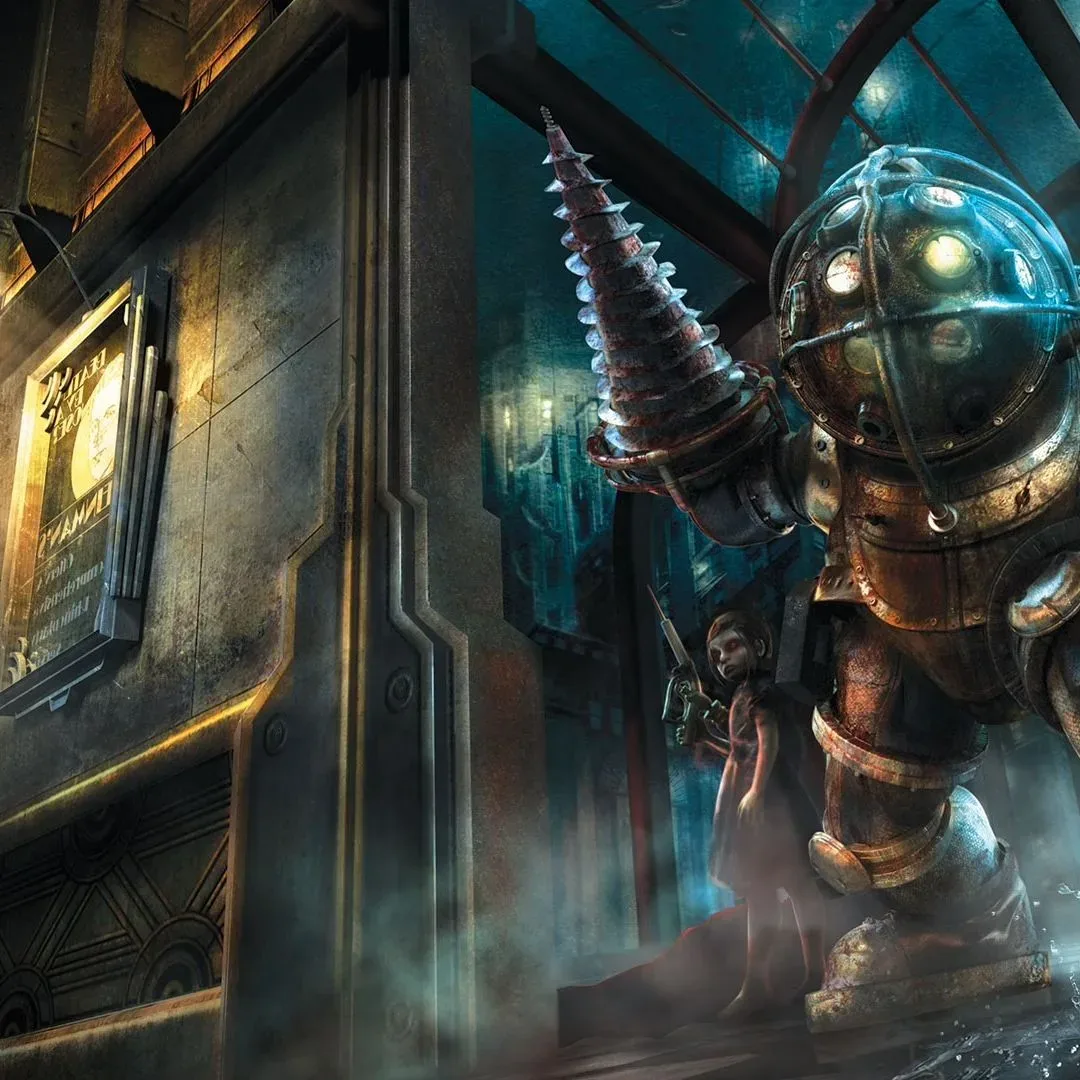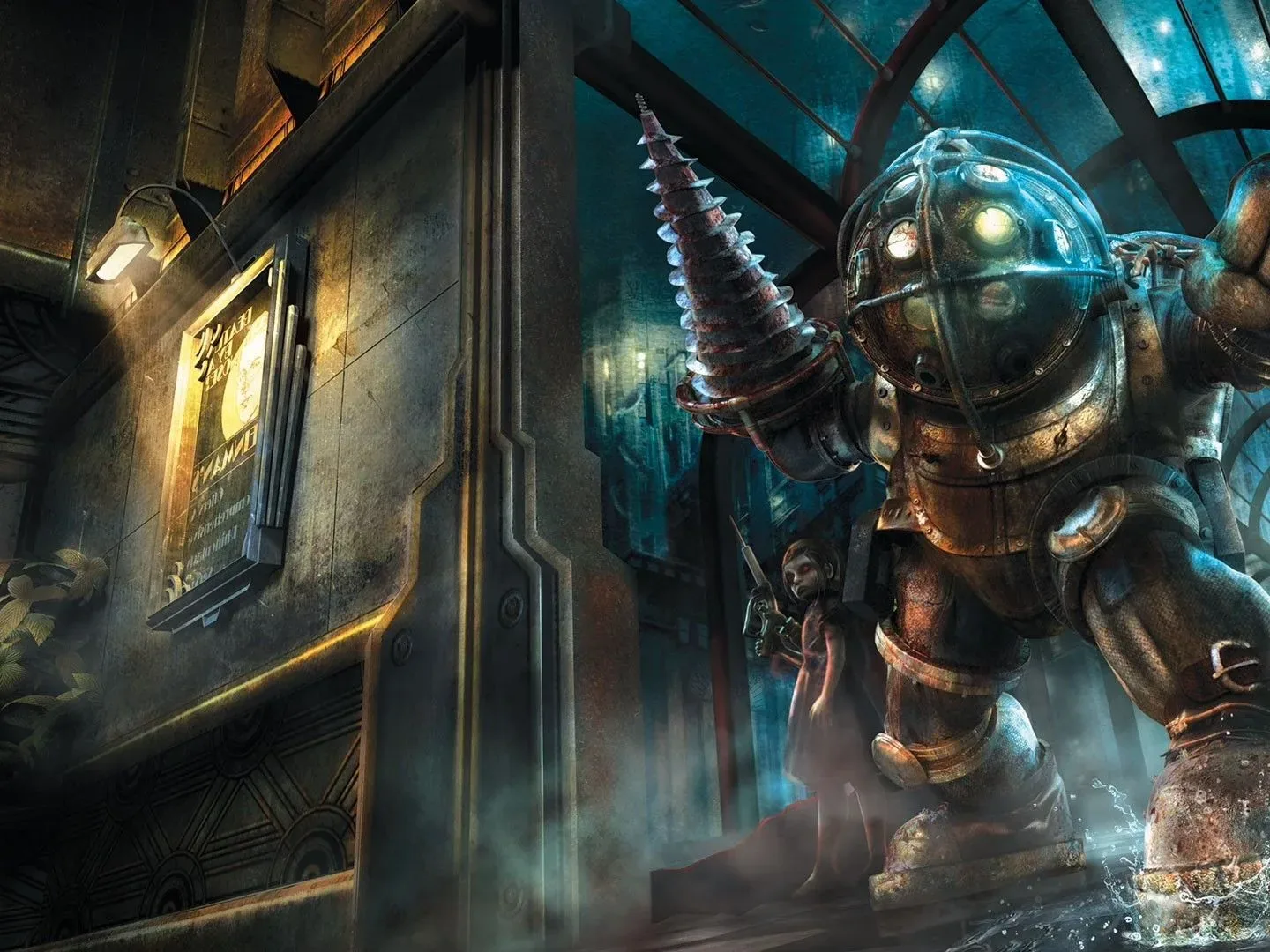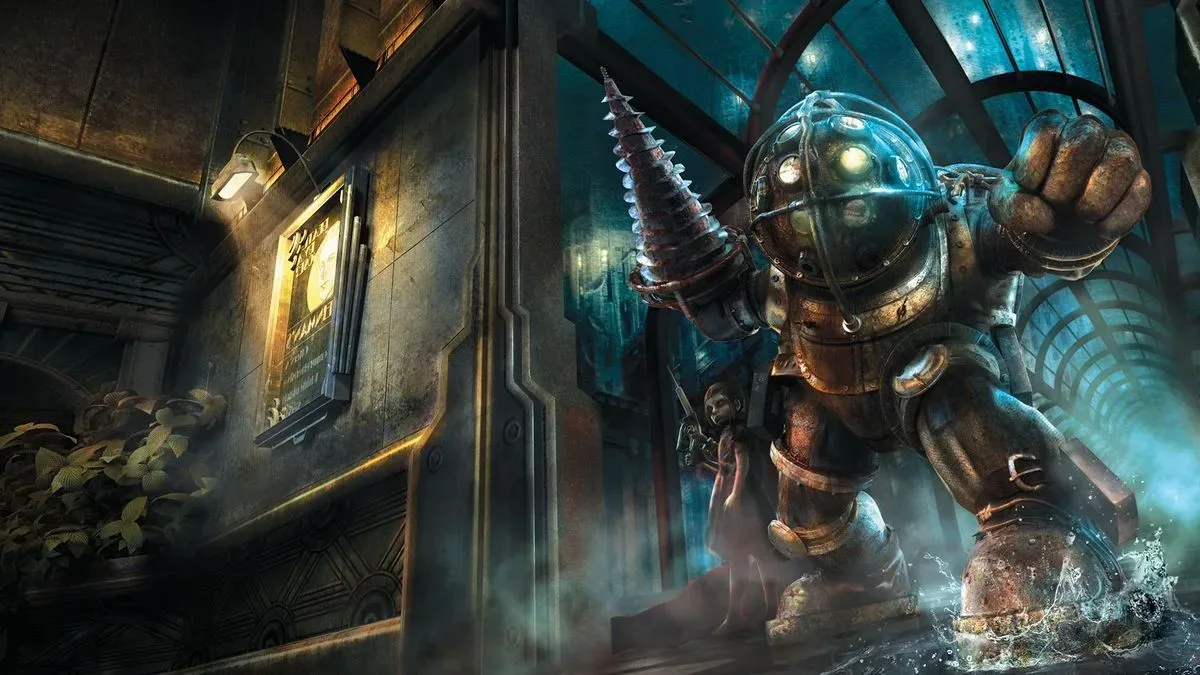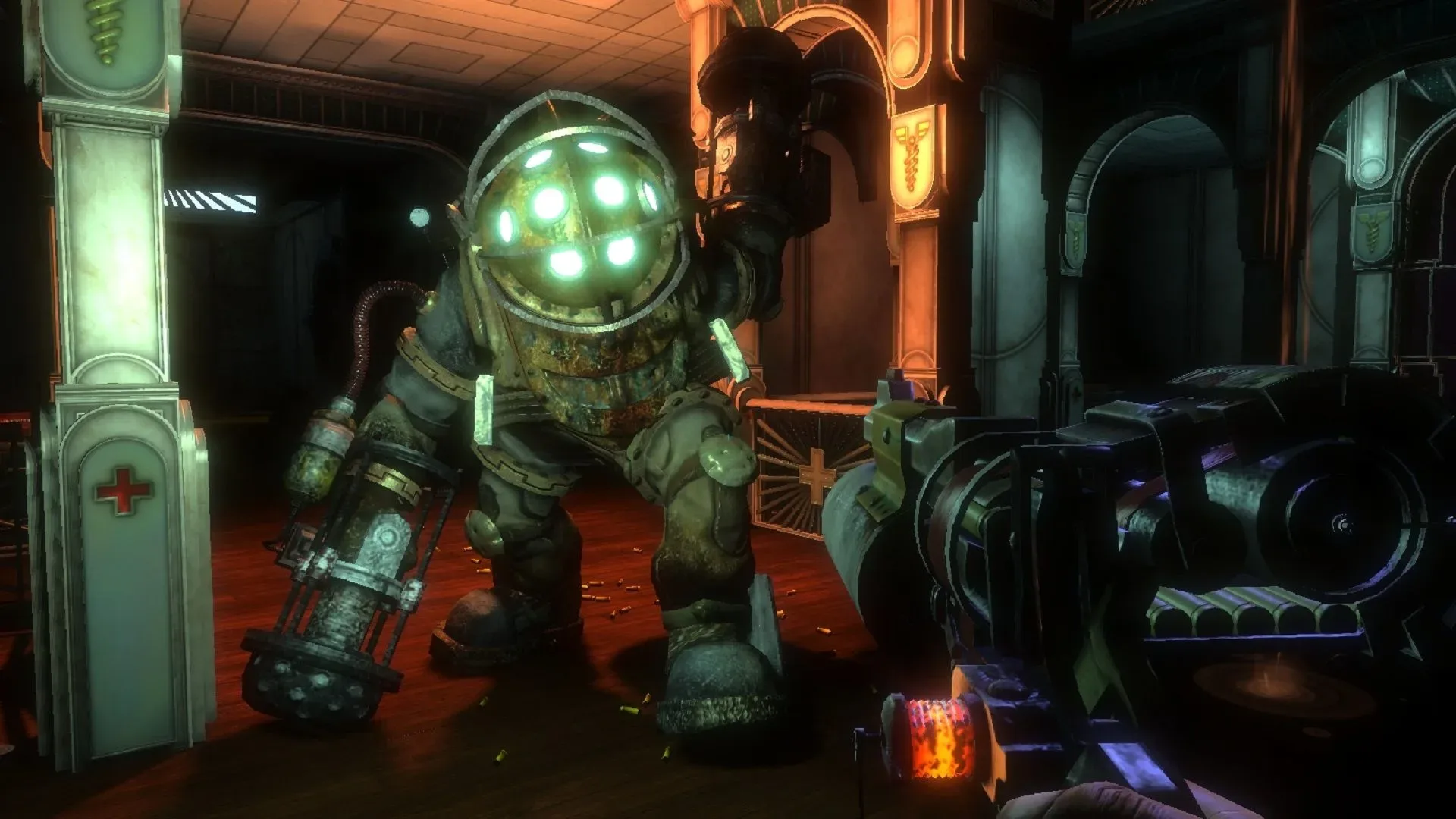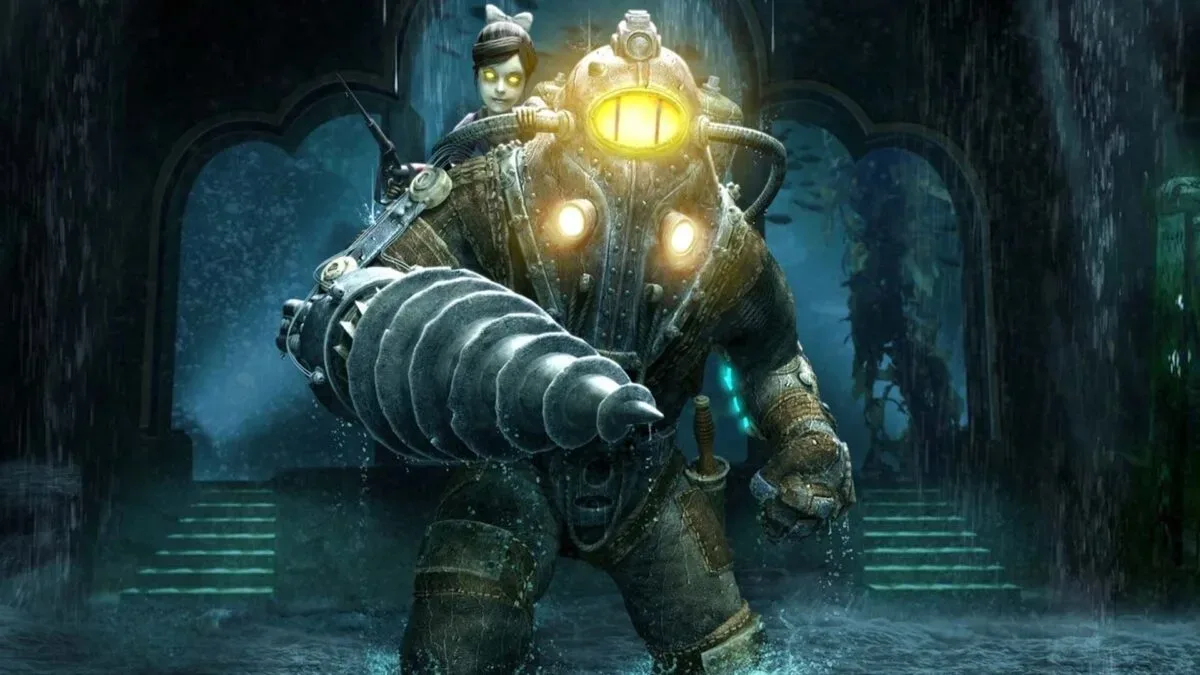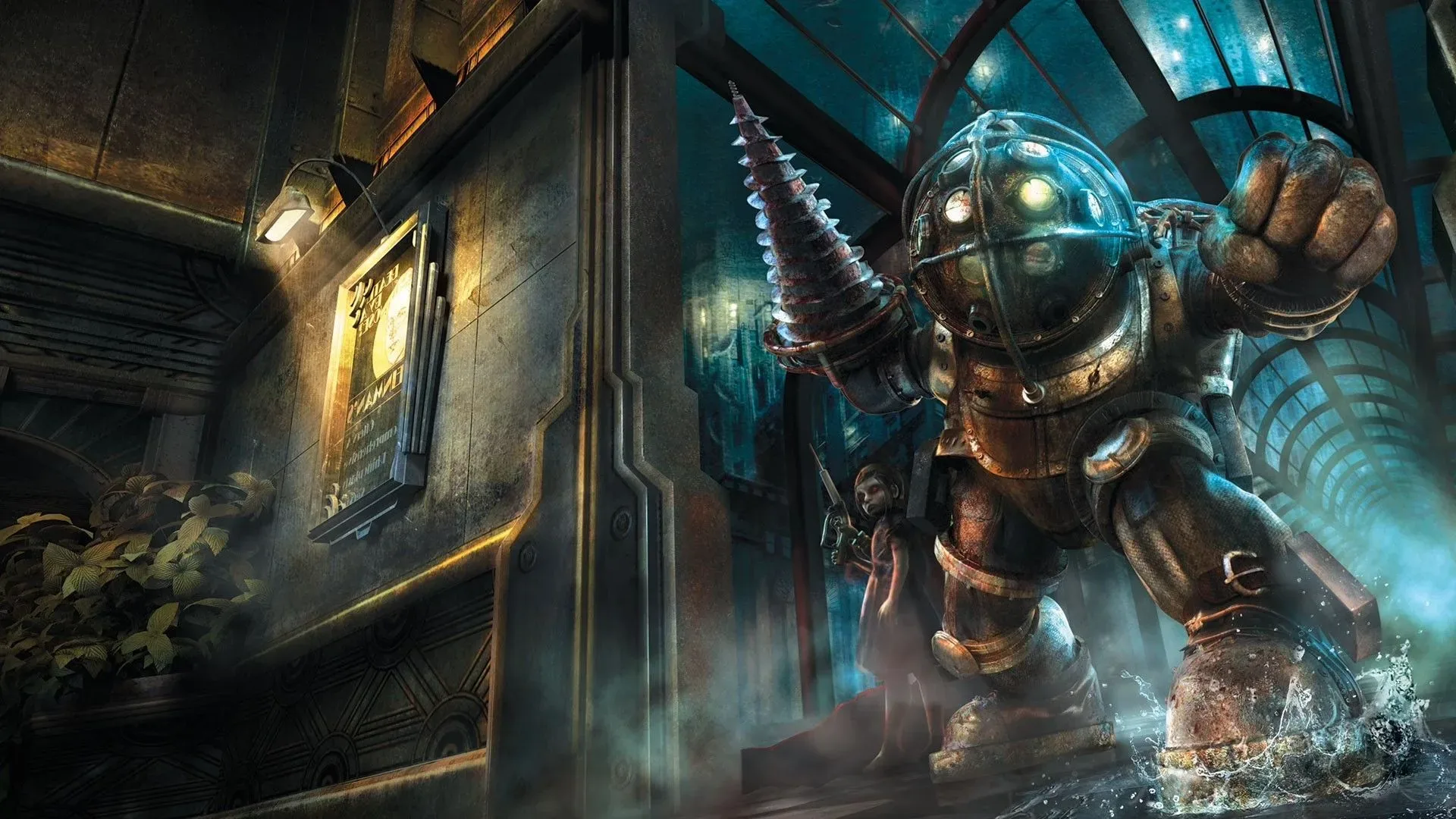
The BioShock movie remains in development, with director Francis Lawrence saying the team is still actively working on the adaptation and is getting closer to solving its central creative challenge: how to turn the player-led journey through Rapture into a feature-film story.
Lawrence described the project as difficult on more than one level. The 2007 game places players inside an underwater, art-deco society that has collapsed catastrophically, but its impact is closely tied to the fact that the player inhabits the experience. A film cannot simply transfer that point of view wholesale. It needs a protagonist, an emotional perspective and a narrative path that can work for viewers who are watching rather than making choices and moving through the world themselves.
“We are still working on it,” Lawrence said, calling the setting and story “a tough nut to crack.” He added that the team is “getting close.”
That is encouraging language for a project first announced in 2022, though it is not a release window, casting update or confirmation that production is imminent. The practical takeaway is more modest: BioShock has not been shelved, and its filmmaker believes the adaptation has made meaningful progress despite a long development process.
Why BioShock is a particularly complicated game-to-film adaptation
“Adaptation” can sound like a straightforward exercise in bringing familiar environments, costumes and story beats to a new medium. For BioShock, that would only solve part of the assignment. Rapture is an essential element of the property: an underwater art-deco utopia that has gone very wrong. Yet a persuasive version of Rapture is not just a matter of production design. The setting needs to serve a character story with enough clarity and momentum to stand on its own as a movie.
Lawrence’s comments point directly at the key difference between an interactive game and a linear film. In a game, the player is the active agent. They explore spaces, determine pace, uncover details and experience the world as the character they control. In a film, the audience is guided through a fixed sequence of scenes. The screenplay must therefore create a central character from scratch—or establish a version of one capable of carrying the same journey—while preserving what makes BioShock’s world distinctive.
That does not mean a film must reproduce every aspect of the game. In fact, treating a feature as a literal checklist can create another problem: viewers need a dramatically complete story, not a guided tour through references. The challenge is to identify the parts of BioShock that are inseparable from its identity, then build a movie around those ideas rather than attempting to duplicate the act of playing.
Rapture’s premise offers obvious cinematic potential. An isolated underwater city with art-deco grandeur, an idealistic foundation and a catastrophic downfall gives a film team a vivid setting and built-in tension. But it also raises the bar. The world needs to feel coherent enough that its collapse matters, strange enough to retain BioShock’s character and focused enough that a feature does not become overwhelmed by its own mythology.
Related coverage includes BioShock Movie Is Still Moving Forward, but Francis Lawrence Says Rapture Is Difficult to Adapt.
“Close” is progress, not a production promise
Development language is often easy to overread, especially for an adaptation that has spent years in public view. Lawrence saying the team is close to a breakthrough suggests unresolved creative work rather than a finished blueprint. It should not be confused with a completed script, a production start or a locked release plan.
Still, the update carries more weight than a generic assurance that a project remains alive. Lawrence said he is actively involved and reiterated that he wants to make the movie. His emphasis on the particular storytelling obstacle also gives fans a clearer sense of what the team has been trying to solve: not whether BioShock has a recognizable premise, but how to make its unusual player relationship work in a non-interactive format.
The film has also been retooled with a smaller budget. No figure or detailed breakdown has been provided, so it would be premature to speculate about what that change means for the scale of Rapture, practical sets, visual effects or the eventual scope of the story. A reduced budget is a production constraint, but it is not automatically a creative verdict. It can demand more selective storytelling, and a more concentrated approach could potentially suit a tale about isolation, discovery and a city closed off from the rest of the world.
What is clear is that the budget adjustment makes the question of focus even more relevant. BioShock’s world is expansive in implication, but a feature film does not need to explain every corner of Rapture to communicate its stakes. Choosing a strong point of entry, a manageable cast of characters and a specific dramatic objective may be more valuable than trying to portray every idea associated with the game.
Netflix’s leadership changes are another variable
Lawrence also flagged organizational changes at Netflix as a complicating factor. He referenced the departures of head of film Dan Lin and chief content officer Bela Bajaria, describing the broader situation as one of the outside factors he would rather not have to navigate while trying to get the movie made.
This matters because a large screen adaptation depends on sustained alignment among the director, producer, rights holders and the company financing and distributing the film. Leadership transitions can affect priorities, decision-making and the pace at which a project moves through development. Lawrence did not say the movie had been cancelled or rejected; rather, he presented the company’s changing circumstances as an uncertainty alongside the creative work.
For audiences, the responsible reading is that there are two separate hurdles. First comes the artistic challenge of finding the film’s central character and structure. Second comes the business side: securing continued support through a period of change at the company behind the adaptation. Neither challenge has been presented as insurmountable, but neither has been declared settled.
That distinction is important. A movie can have a director who is enthusiastic and a concept with obvious appeal while still taking time to reach the point where it is ready to make. In BioShock’s case, the public update is more useful as a status report than a timetable.
The 2007 game remains the stated foundation
Producer Roy Lee previously indicated that the feature would be based on the original 2007 BioShock. That gives the film a defined starting point rather than a vague connection to the broader name. It also places Rapture at the center of expectations, since the underwater city is the setting associated with that first game.
Lee has also said that Netflix and publisher Take-Two were eager to time the movie alongside potential new incarnations of the game. That phrasing is notably conditional. It does not confirm a new BioShock release, nor does it establish a movie date. It does show that the film has been considered in relation to the future of the game franchise, a strategy that could give both projects a larger shared cultural moment if plans eventually line up.
Until either side announces firmer details, fans should treat that as ambition rather than scheduling information. The safest facts remain that the project was announced in 2022, Lawrence is attached and still working on it, the original game is the stated basis, and the film has faced both creative and corporate complications.
What fans can reasonably expect next
The next meaningful BioShock movie update would likely answer one of a small set of questions: whether the team has resolved the screenplay approach, whether Netflix’s internal transition has affected the project’s direction, or whether production has moved far enough to identify a cast or timetable. None of those details has been provided yet.
For now, the film’s most notable development is its continued momentum. Lawrence’s comments make clear that the challenge is not a lack of affection for the material. He has said he is eager to make the movie. The work lies in finding a version of BioShock that feels like more than a recreation of Rapture’s imagery—a story that can make a viewer feel the same unease, fascination and escalating sense of disaster without handing them a controller.
That is a high standard, but it is the right one for this particular adaptation. BioShock’s setting may be the immediate attraction, yet its game-to-film problem is ultimately about perspective. If the team can establish a compelling character inside that “batshit” world, as Lawrence put it, Rapture could become a movie setting with its own identity rather than merely a backdrop borrowed from a beloved game.
BioShock joins other video-game projects attempting to translate interactive worlds into film language. For another example of an adaptation currently in development, see the Madison horror game movie’s move toward a theatrical goal. The larger lesson is that recognizable games create interest, but a successful film still needs to solve the basic demands of character, structure and scale. BioShock’s team appears to be working through exactly those questions.