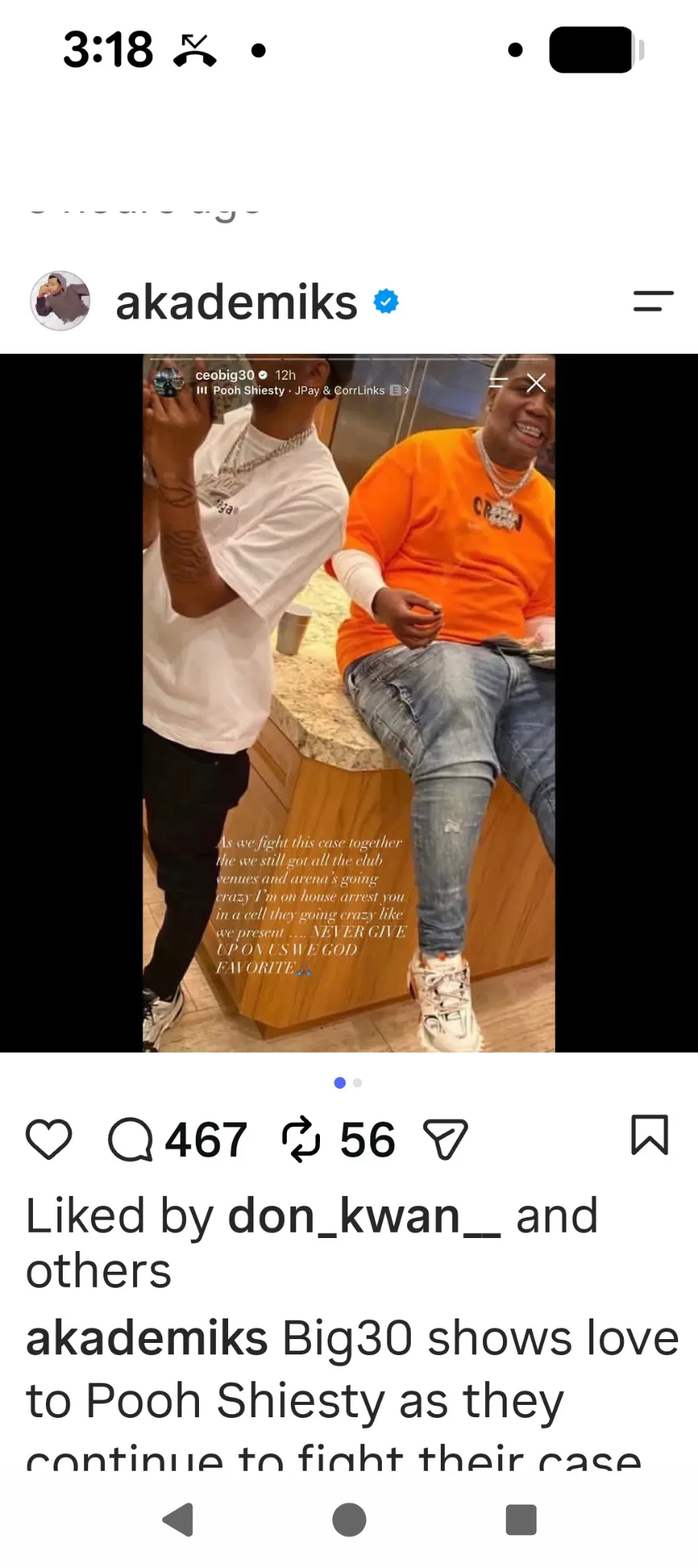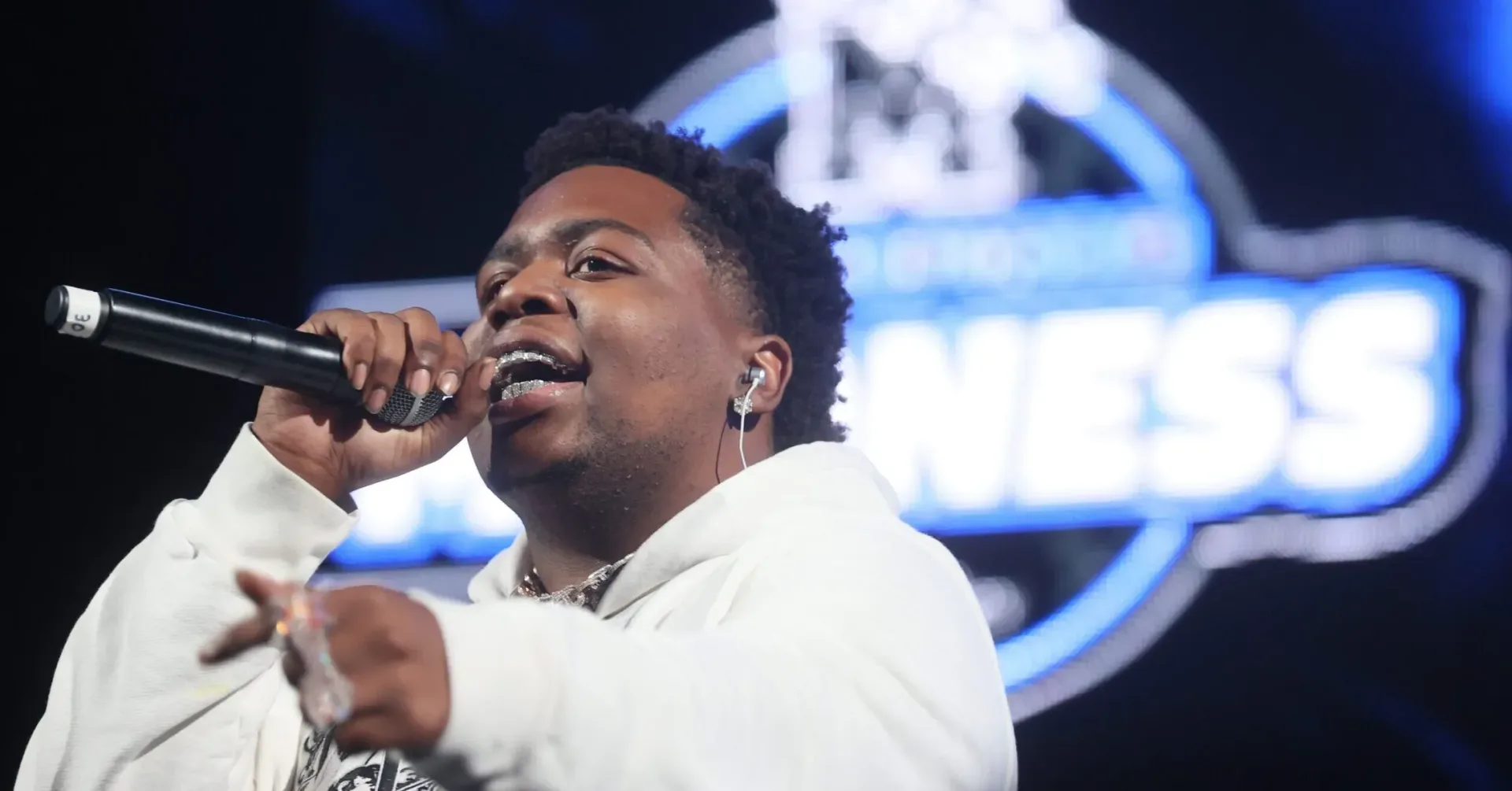
Big30 has publicly denied allegations that he, Pooh Shiesty, Big30’s father and other people robbed and kidnapped Gucci Mane at gunpoint. In remarks from a sit-down with Big Bank, the rapper said he expects the case to end positively and insisted that the conduct alleged in the legal paperwork did not occur.
The matter has been widely discussed because it involves several prominent names in rap, a purported studio video and an allegation that the group tried to pressure Gucci Mane over a record deal. But the available account presents allegations from prosecutors, not a resolution of the case. Big30’s remarks are a direct denial, and they do not establish what a court will ultimately determine.
Big30’s position: the allegations must be proved
Big30’s central point was straightforward: he says he is innocent and that the allegations in the paperwork are false. He said he feels good about his own situation and stressed that accusations must be proved rather than accepted as fact because of how they are framed online.
“I feel like it’s gonna turn out good,” Big30 said, adding that he and the others are innocent and denying that the alleged events happened.
That distinction matters in any criminal case, particularly one playing out alongside viral clips and rapid social-media commentary. An allegation is a claim made by prosecutors. It is not, by itself, a finding of guilt. A defendant’s denial is likewise a position in response to that claim, not a court ruling. The evidence presented and the legal process ahead are what determine the outcome.
The account of the case says prosecutors allege that Pooh Shiesty, Big30, Big30’s father and others robbed Gucci Mane at gunpoint and sought to force Gucci Mane out of his record deal. A video later circulated showing Gucci Mane in a studio while a person who appeared to have a firearm was positioned near a door. The supplied information does not establish the full context of that footage, nor does it say what a court has concluded from it.
A dispute over the narrative beyond court
Much of Big30’s interview focused less on a detailed account of the alleged incident and more on the public conversation around legal cases. He argued that blogs and social platforms often make allegations appear worse than they are, particularly as fragments of information arrive and get recirculated.
He pointed to the discussion surrounding Lil Durk’s case as an example of how online audiences can begin treating themselves as investigators, lawyers or law enforcement. Big30 objected to content that he believes amplifies damaging narratives for attention while overlooking the effect on defendants and their families.
Related coverage includes Big30 Denies Allegations in Gucci Mane Robbery and Kidnapping Case.
That is not a claim that coverage or public scrutiny should disappear. Cases involving recognizable entertainers will inevitably attract attention, and alleged violence or coercion around a recording contract is plainly a serious subject. Still, there is a meaningful difference between reporting the existence of allegations, explaining what is known, and declaring that disputed claims are settled before they have been adjudicated.
Why a record-deal allegation raises the stakes
A record deal is an agreement that can govern an artist’s recording obligations, release arrangements and business relationship with a label or music company. The supplied account says prosecutors believe the alleged robbery and kidnapping were connected to an effort to “strong-arm” Gucci Mane out of such a deal.
That allegation puts the case at the intersection of criminal accusations and music-business relationships. Yet it would be a mistake to fill in missing details about the contract, the supposed desired outcome, or the role of each accused person. None of those specifics are established in the available information.
For readers trying to follow music-business developments without collapsing legal uncertainty into gossip, it is useful to keep the questions separate:
- What is alleged? Prosecutors allege a gunpoint robbery and kidnapping involving Gucci Mane, along with an effort to pressure him over a record deal.
- What does Big30 say? He denies the allegations and says the events described in the paperwork did not happen.
- What does the reported footage prove on its own? The available description only says it appears to show Gucci Mane in a studio and someone apparently holding a firearm near a door; it does not provide a full evidentiary or legal assessment.
- What is the current outcome? No outcome is supplied. Big30 says he expects to be found innocent.
Bond speculation is another point of frustration
Big30 also addressed a separate wave of online speculation that followed his release on bond. He said people quickly accused him of cooperating, an inference he rejected as another example of audiences choosing the most negative explanation.
Bond is a legal arrangement that can permit a defendant’s release while a case proceeds, usually subject to conditions. It is not, on its own, evidence that a person has cooperated with authorities or admitted wrongdoing. The supplied information offers no factual basis for the claims Big30 says circulated about him.
This is where the speed of online music news can produce a distorted version of a still-unfinished event. A clip, a docket-related phrase, a bond decision or a repost can be treated as though it explains a whole case. It rarely does. The responsible reading is narrower: Big30 says he was falsely labeled a cooperator after receiving bond, while the legal allegations themselves remain contested.
What remains unresolved
Big30’s comments are a firm public defense, but they do not change the basic uncertainty surrounding the proceedings. The allegations remain serious, and his denial remains equally clear. The supplied material does not include a trial date, a ruling, a plea, a verdict, specific charges, or a detailed response from Gucci Mane or other defendants.
That lack of resolution is the key fact to retain. Public narratives tend to harden early, especially when well-known artists, a recording deal and a viral-looking video are involved. But the present record is limited: prosecutors’ alleged account, Big30’s denial, and Big30’s criticism of the online response to the case.
The story also arrives in a broader period where the business side of rap is receiving as much attention as the music itself. For a separate look at music-company infrastructure, see this report on a global infrastructure platform for independent music businesses. In Big30’s case, though, the immediate issue is not a business launch or a new deal: it is a contested legal allegation whose final outcome has not been provided.