Obsidian Entertainment is returning to Fallout under a newly reorganized Bethesda Softworks, but Bethesda president Jill Braff says the arrangement is not meant to compel teams into work they do not want to make.
“Nobody’s forcing anybody to build anything they don’t want to build,” Braff said while discussing the company’s revised structure and its focus on a steadier cadence of releases. It is a concise reassurance, but one that arrives with considerable context: Obsidian has reportedly been affected by substantial Xbox cuts, has moved beneath the Bethesda Softworks umbrella, and is now collaborating with Bethesda Game Studios on an as-yet-unnamed Fallout RPG.
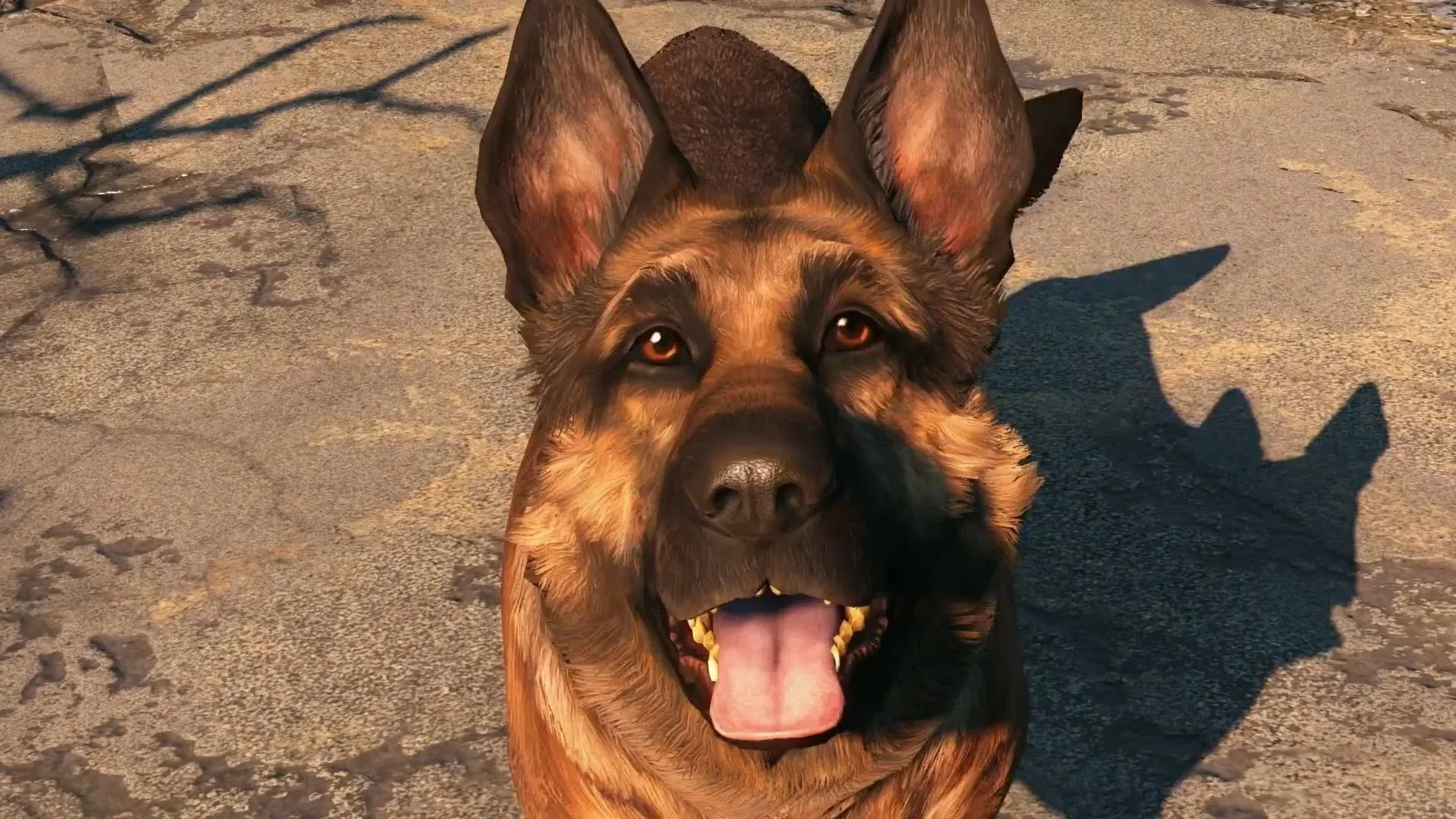
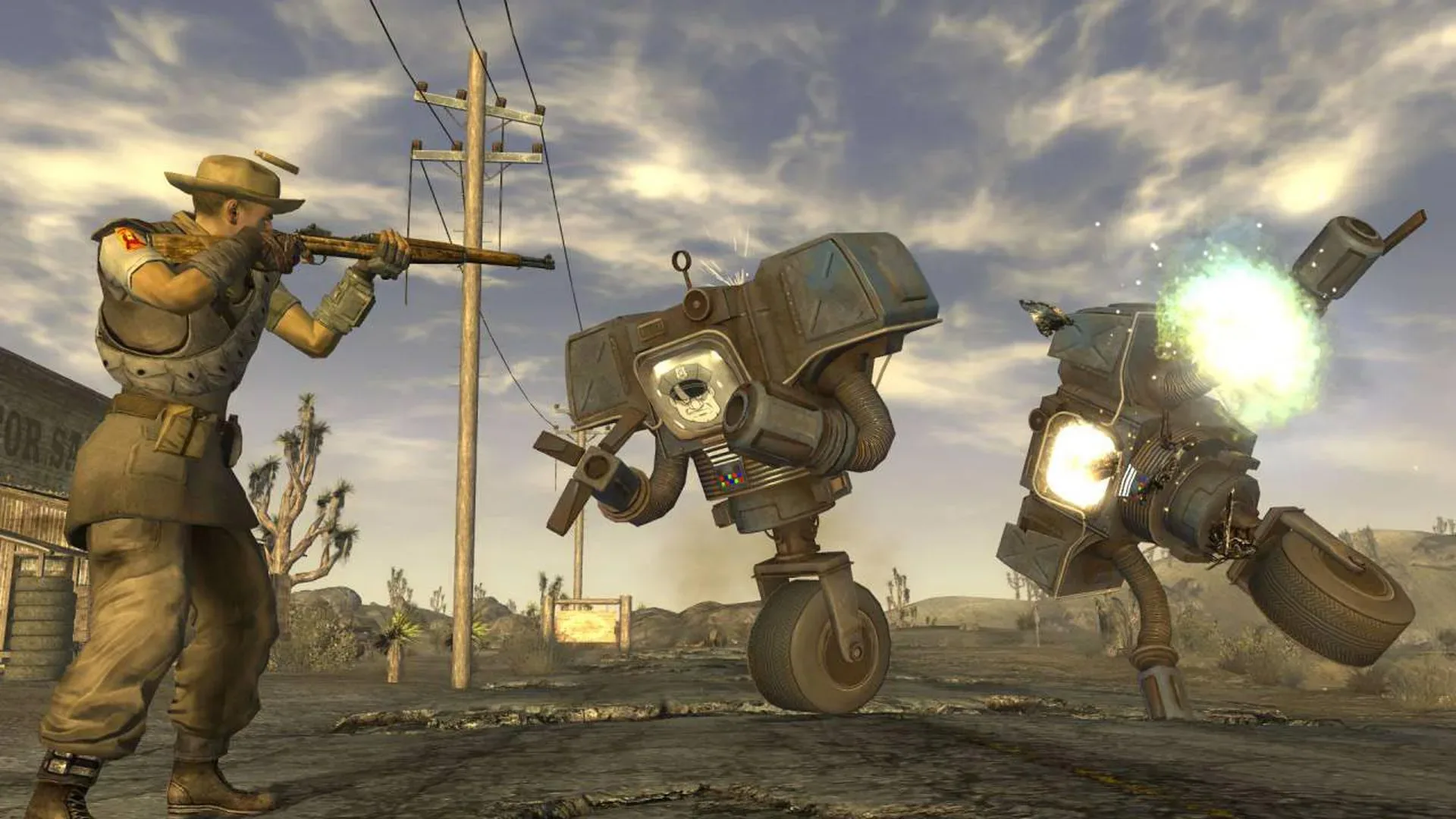
For players, the important confirmed point is not a release window, platform list, setting, or even a title. None of those details have been provided. What is known is that Obsidian is involved with Bethesda Game Studios on another game in the post-apocalyptic series. That matters because Obsidian developed Fallout: New Vegas, while Bethesda Game Studios is the studio associated here with The Elder Scrolls 6 and the broader Fallout franchise direction.
The new project should also be kept distinct from the separately mentioned remasters of Fallout 3 and Fallout: New Vegas. A remaster generally means an updated version of an existing game; the newly discussed RPG is described as a separate, still-mysterious project. Players should not assume the collaboration is a sequel to New Vegas, a remake, or a remaster-related expansion simply because the studios and series overlap.
What Bethesda Softworks now encompasses
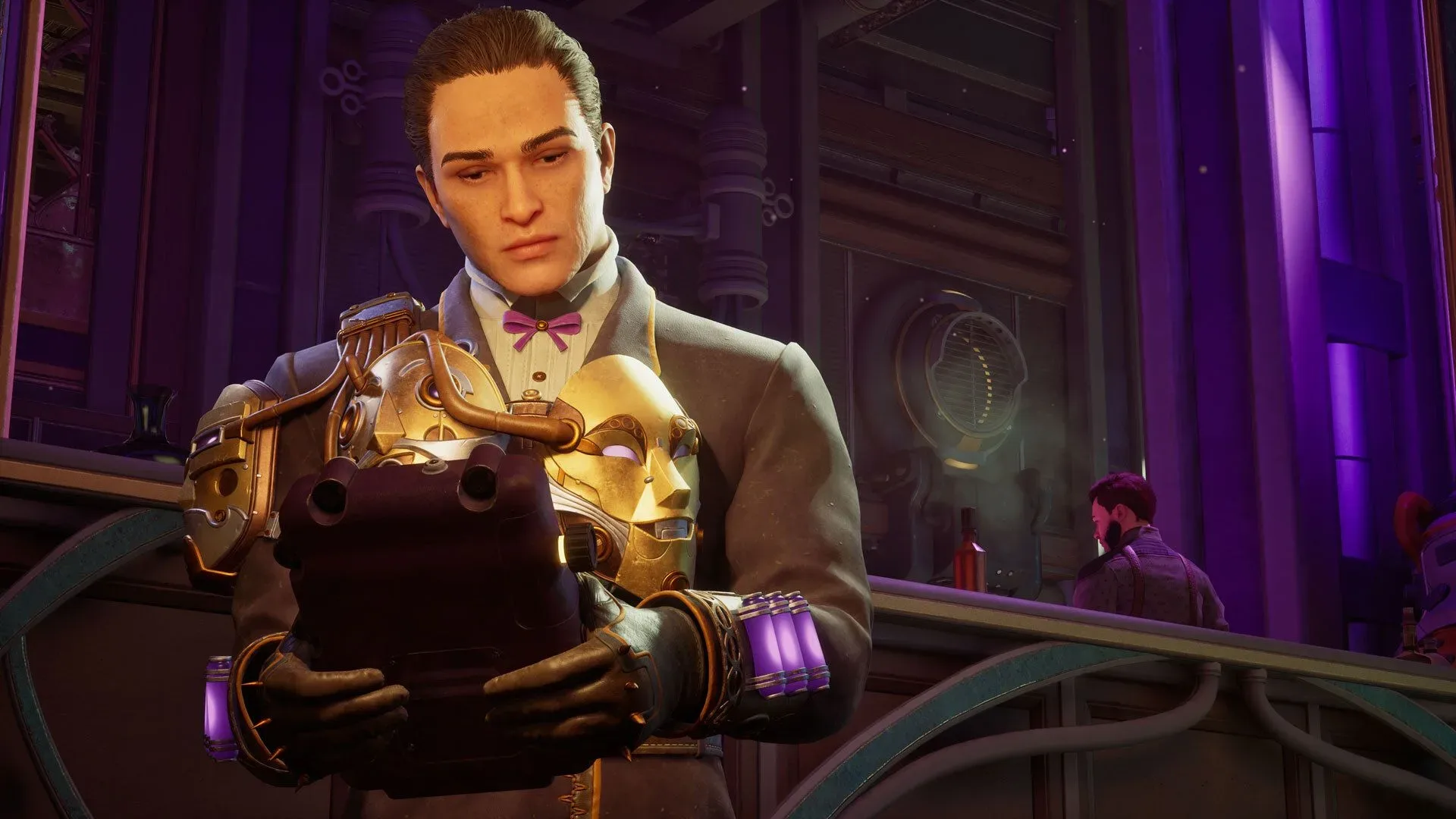
The corporate changes go beyond one team’s assignment. ZeniMax Media is now operating under the Bethesda Softworks name, which encompasses Bethesda Game Studios, id Software, MachineGames, and Obsidian Entertainment. In practical terms, that places studios known for very different kinds of games beneath one brand structure: Bethesda Game Studios is making The Elder Scrolls 6, id Software is associated with Doom, MachineGames with Wolfenstein, and Obsidian with games including The Outer Worlds, Grounded, and Pillars of Eternity.
Reorganizations can be easy to reduce to a logo or reporting-chart change. Here, though, the arrangement comes with a visible creative consequence: Obsidian is working on Fallout again. That is why Braff’s statement about developer choice has drawn attention. It addresses an understandable concern that a studio’s move into a larger franchise organization could narrow its role to supporting existing brands.
The available information does not establish how the collaboration is divided, which studio leads it, or which particular elements Obsidian is responsible for. There is no confirmed information on its engine, combat system, narrative structure, map, characters, platforms, business model, or launch timing. Those gaps are significant. “Working with” another studio can describe many arrangements, from a tightly integrated co-development effort to a more limited contribution, and it would be premature to infer the final shape of the game from Obsidian’s involvement alone.
A quality-and-cadence argument, not a promise of annual Fallout
Braff framed Bethesda’s stated strategy around “quality and a steady pace,” with the aim of maintaining steadier revenue and player involvement rather than simply maximizing volume. That distinction is important. A steady pace does not necessarily mean yearly releases, nor does it confirm a schedule for any individual series. It instead describes a portfolio goal: creating a more regular flow of activity across the company’s games and studios.
Related coverage includes Bethesda says Obsidian’s return to Fallout isn’t being forced.
That portfolio already includes several publicly referenced Fallout and Wolfenstein projects. Bethesda has confirmed Wolfenstein 3 is in development, and remasters of Fallout 3 and Fallout: New Vegas have also been referenced. Alongside them sits the new Fallout RPG involving Obsidian and Bethesda Game Studios.
For fans, the practical implication is that the franchise appears to have multiple lanes of activity, rather than one single project carrying all expectations. The remasters potentially revisit older games; the unannounced RPG points toward a future installment or related new experience; and Bethesda Game Studios remains connected to the series while also developing The Elder Scrolls 6. That is a broader slate, but it is not enough information to predict order, scope, or dates.
It is also worth separating corporate language from a firm production guarantee. Statements about quality, pace, and player involvement explain an ambition. They do not tell players how long individual games will take, whether a project will change during development, or exactly what form the eventual Fallout collaboration will take.
Why the timing puts pressure on the message
Braff’s comments follow an Xbox “reset” that was expected to cut 3,200 jobs and split from several first-party studios. Compulsion Games, Double Fine, and Undead Labs became independent. The situations of Ninja Theory and Arkane Lyon were described as unresolved, while Activision took control of Halo, Age of Empires, and Rare.
Obsidian, meanwhile, was reportedly affected by cuts amounting to 25% of its workforce. Reports also indicated that projects, including a proposed Avowed sequel, were canceled. Those reported changes make the question of creative agency more than an abstract corporate talking point. When a studio loses staff and changes organizational homes, players and developers alike may reasonably ask whether the remaining team can preserve its identity, pursue original work, and choose projects on creative grounds.
There is a tension here that cannot be resolved by a single executive statement. On one hand, a return to Fallout connects Obsidian with a series it previously worked on and may offer a meaningful opportunity for the team. On the other, the broader backdrop includes layoffs, canceled work, and a move away from a recent run of projects set in Obsidian’s own worlds. Both things can be true: a team may have genuine enthusiasm for a franchise assignment while the business circumstances surrounding that assignment remain difficult.
A related memo has said Obsidian will retain its “creative identity” under Bethesda. The most useful way to read that phrase is cautiously. It signals an intent to preserve what distinguishes the studio, but it does not provide a concrete list of safeguards or disclose which original projects may follow the current Fallout work. Its meaning will ultimately be clearer through the games Obsidian is able to make and the degree of authorship visible in them.
What Obsidian’s history adds—and what it does not prove
Obsidian’s place in the discussion comes from more than name recognition. The studio’s catalog cited in the current restructuring conversation includes The Outer Worlds, Grounded, and Pillars of Eternity, all examples of it developing or expanding its own settings. Its return to Fallout therefore reads differently from a studio joining an unfamiliar property for the first time.
Still, nostalgia should not become a substitute for facts. The new game has not been identified as Fallout: New Vegas 2. No official description has said it will recreate that game’s approach, revisit a particular location, or include a certain type of role-playing system. The collaboration may benefit from Obsidian’s prior series experience, but players should avoid treating its past work as a feature list for a game that remains largely unannounced.
The same restraint applies to the remasters. Their existence does not confirm that their creators, release dates, upgrade scope, or relationship to the new RPG have been finalized publicly. They are part of the wider Fallout activity discussed by Bethesda, not evidence that all of the projects are one unified production plan.
For a useful example of why studio history often fuels expectations beyond the available details, see this look at how development direction can shape a game’s eventual identity. A studio’s prior work can provide context, but a new project must still be judged by its own confirmed design and eventual result.
What players can responsibly take from the news
- Confirmed: Obsidian Entertainment is under the Bethesda Softworks umbrella and is working with Bethesda Game Studios on an unannounced Fallout RPG.
- Also referenced: Wolfenstein 3 is in development, while remasters of Fallout 3 and Fallout: New Vegas are part of Bethesda’s discussed slate.
- Not confirmed: The new Fallout project’s title, release date, setting, platforms, features, scale, or precise relationship to Fallout: New Vegas.
- Corporate context: Bethesda is pursuing what it describes as quality plus a steadier release rhythm, amid a much wider Xbox restructuring.
- Creative context: Bethesda says teams are not being forced onto projects they do not want, while Obsidian’s reported cuts and cancellations remain central to how that assurance is received.
For now, the biggest development is not a trailer or a promised feature. It is the reappearance of Obsidian and Bethesda Game Studios in the same Fallout conversation during a period of substantial organizational change. That creates understandable interest, especially for players who remember Obsidian’s earlier work in the series. But the responsible expectation is a modest one: more details are needed before anyone can say what this Fallout RPG actually is.