Apple has acquired Sonera, a California-based startup working on biomagnetic sensing technology, with a European Commission notice indicating that the deal was completed earlier in 2026. Sonera’s prior public descriptions of its research make the purchase especially notable: the company has said it developed technology intended to measure magnetic fields produced by the brain and body without requiring direct contact with the skin.
That is a long way from a confirmed product, a feature list, or a timetable. Apple has not laid out public plans connecting Sonera’s work to a particular device. Still, the acquisition puts an intriguing kind of sensor research under Apple’s roof—research that could eventually matter for wearables, health tracking, accessibility tools, and perhaps new ways people interact with personal technology.
For players, the immediate practical takeaway is restraint. There is no evidence that a biomagnetic Apple Watch, headset, controller, or game-input feature is imminent. The more interesting question is what Sonera’s stated goals say about the broad direction of wearables: devices that may someday read more useful bodily signals with less equipment, fewer contact points, and less friction than current approaches.
What Sonera said its sensing technology could do
Sonera has described its core work as non-invasive sensing of the magnetic fields generated by neural and physical activity. In plain language, the company was pursuing a way to collect certain signals associated with the brain and body without the direct skin contact often associated with electrical sensing.
The distinction matters because sensors that depend on close, stable contact can be difficult to place, uncomfortable over long sessions, or impractical for everyday consumer devices. Sonera argued that its approach could analyze neural information at a distance from the skin, positioning the technology as a potential alternative or complement to more conventional electrical methods.
In a 2023 statement, Sonera framed its ambition as making brain activity easier to measure alongside familiar physiological information such as heart rate and temperature. It also described a proprietary biomagnetic chip and suggested that the platform could support a new category of consumer wearable experiences centered on muscle activity.
Those are ambitious claims, and they should be read as the startup’s own vision for its technology—not as a commitment from Apple. Yet they offer a useful map of why a large device maker with deep interests in health, sensors, silicon, and accessibility might see strategic value in this kind of work.
Why an Apple acquisition is notable
Apple’s existing hardware already treats sensors as a major part of the experience rather than invisible background components. Wearables use them to collect activity and health-related information, smartphones use them to understand motion and orientation, and accessibility features use device hardware and software to reduce barriers for different users.
Adding Sonera’s team or intellectual property could expand Apple’s long-term research options in exactly that territory. A biomagnetic chip, if it can be refined into something compact, reliable, power-efficient, and suitable for consumer hardware, could potentially give a future wearable a different class of input. But each part of that sentence carries substantial uncertainty. A startup demonstration, a research direction, and a commercial product are very different things.
There are also major responsibilities attached to technology involving neural or neuromuscular information. Accuracy, repeatability, data handling, user consent, clinical validation where applicable, battery demands, manufacturing scale, and regulatory requirements would all matter. In other words, this is not merely a matter of fitting a fascinating sensor into a watch-shaped gadget and calling it a day. Even the most enthusiastic concept pitch has to survive the boss battle named real-world deployment.
Apple’s acquisition does not establish that Sonera’s technology will appear in a shipping product. It does establish that the company considered the work valuable enough to bring in-house, which is meaningful on its own.
Possible health and accessibility paths
Sonera previously listed several possible use cases for its biomagnetic technology: advanced prosthetics control, ongoing observation of neuromuscular conditions, disease-biomarker research, and sports-performance tracking. These examples span medical research, assistive technology, and fitness, all areas where better sensing could potentially make devices more informative or more responsive.
Accessibility may be the most compelling path to watch. A system capable of recognizing muscle activity in a convenient, non-invasive form could theoretically lead to alternative ways to control software or hardware. That could be important for people who cannot comfortably use traditional touchscreens, small buttons, keyboards, or standard game controls.
It is vital not to overstate what is known. Sonera’s public material discussed possibilities; Apple has not announced an accessibility product based on Sonera’s work. There is no confirmation of any interface that would let users navigate an Apple device, play games, or operate a prosthetic through this technology. Still, the underlying idea fits a wider and worthwhile industry goal: offering more than one “normal” way to use a device.
That principle already has relevance to games. Accessible control schemes can include remapping, one-handed layouts, switch inputs, voice features, touch alternatives, eye tracking, and adaptive controllers. New sensing methods could someday broaden that menu further. Whether biomagnetic sensing becomes practical for entertainment hardware is unknown, but the concept is easier to understand when viewed as another possible input channel—not magic mind-reading and not a substitute for thoughtful accessible design.
What it could mean for wearables
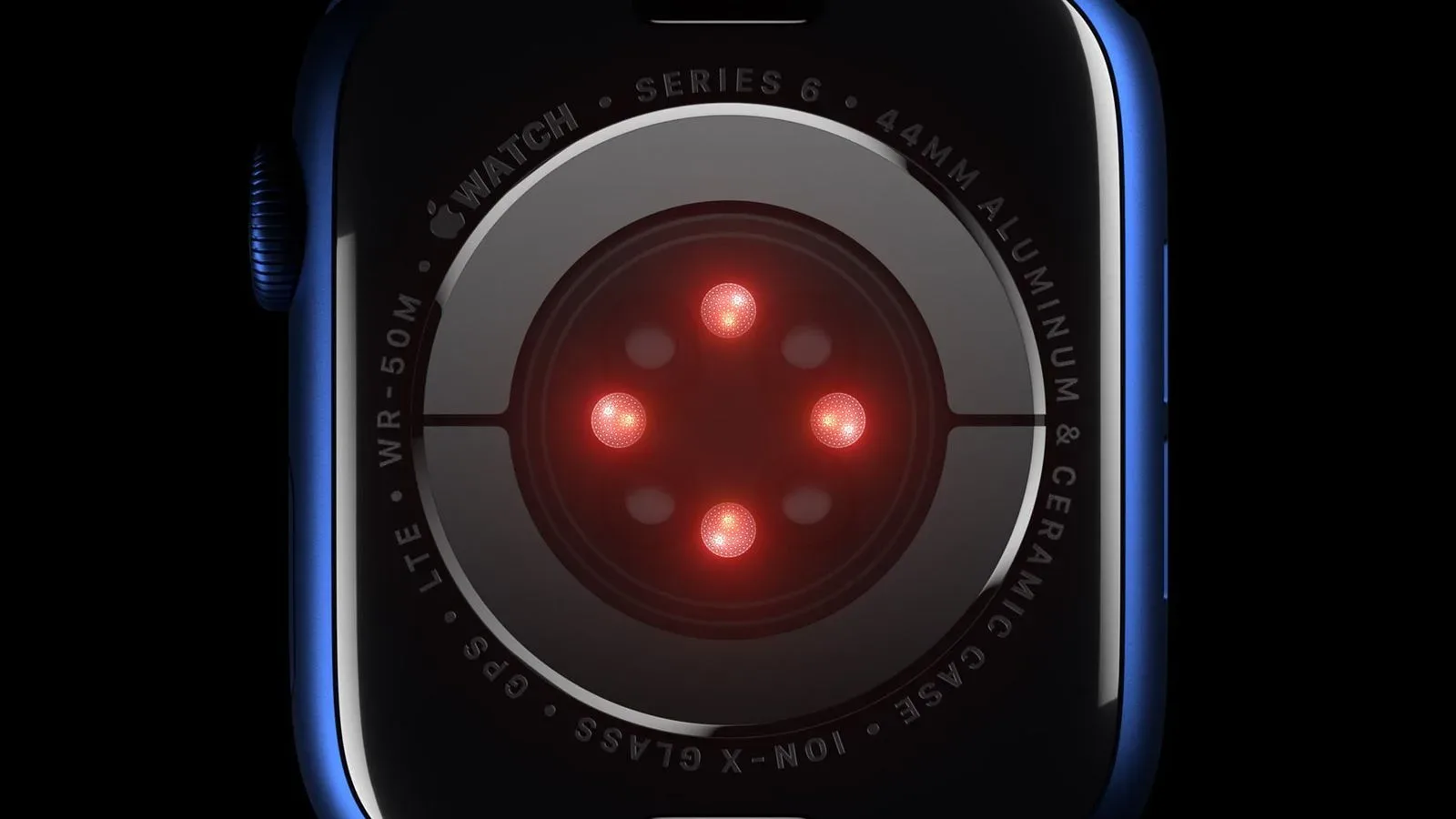
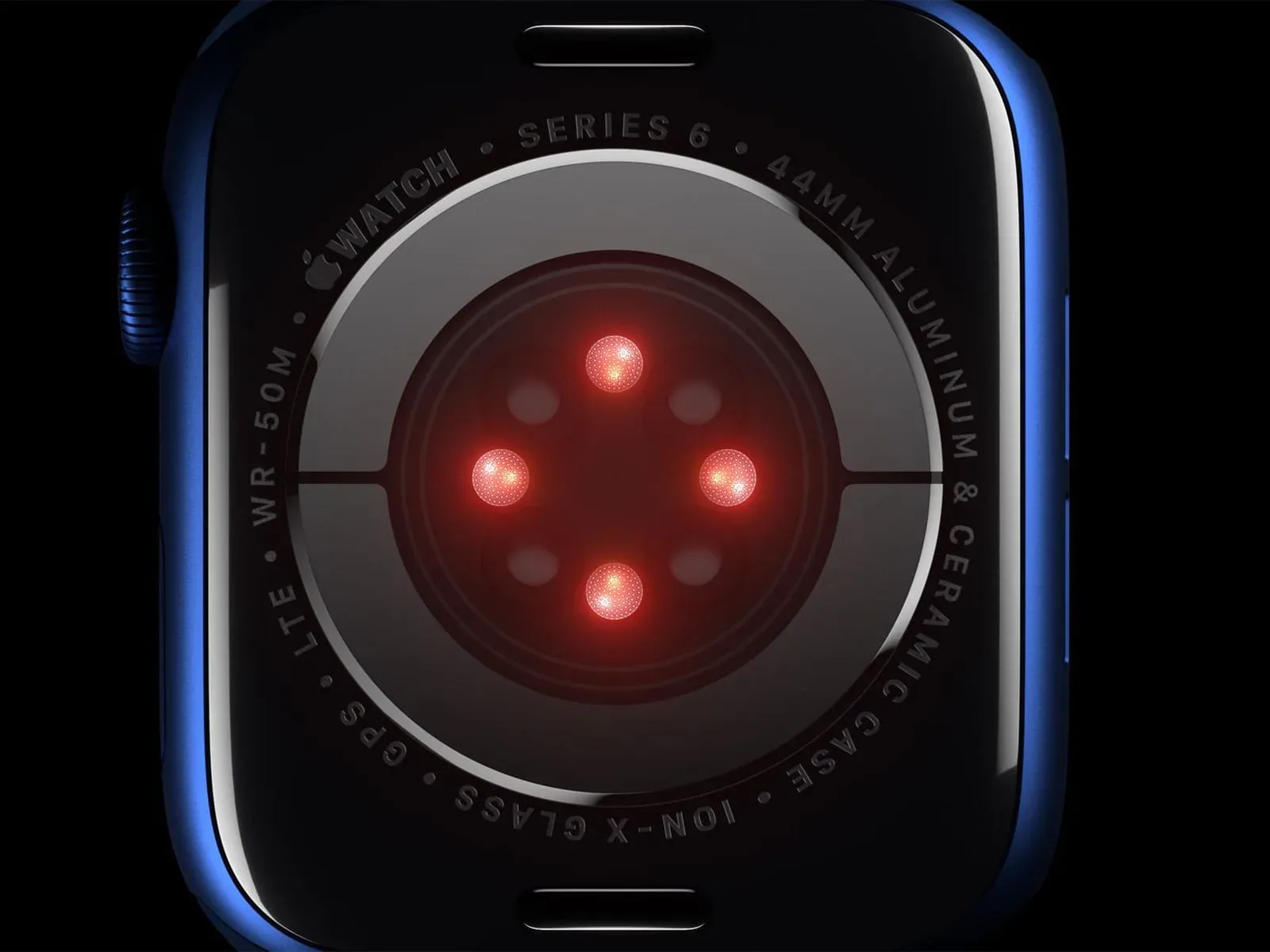
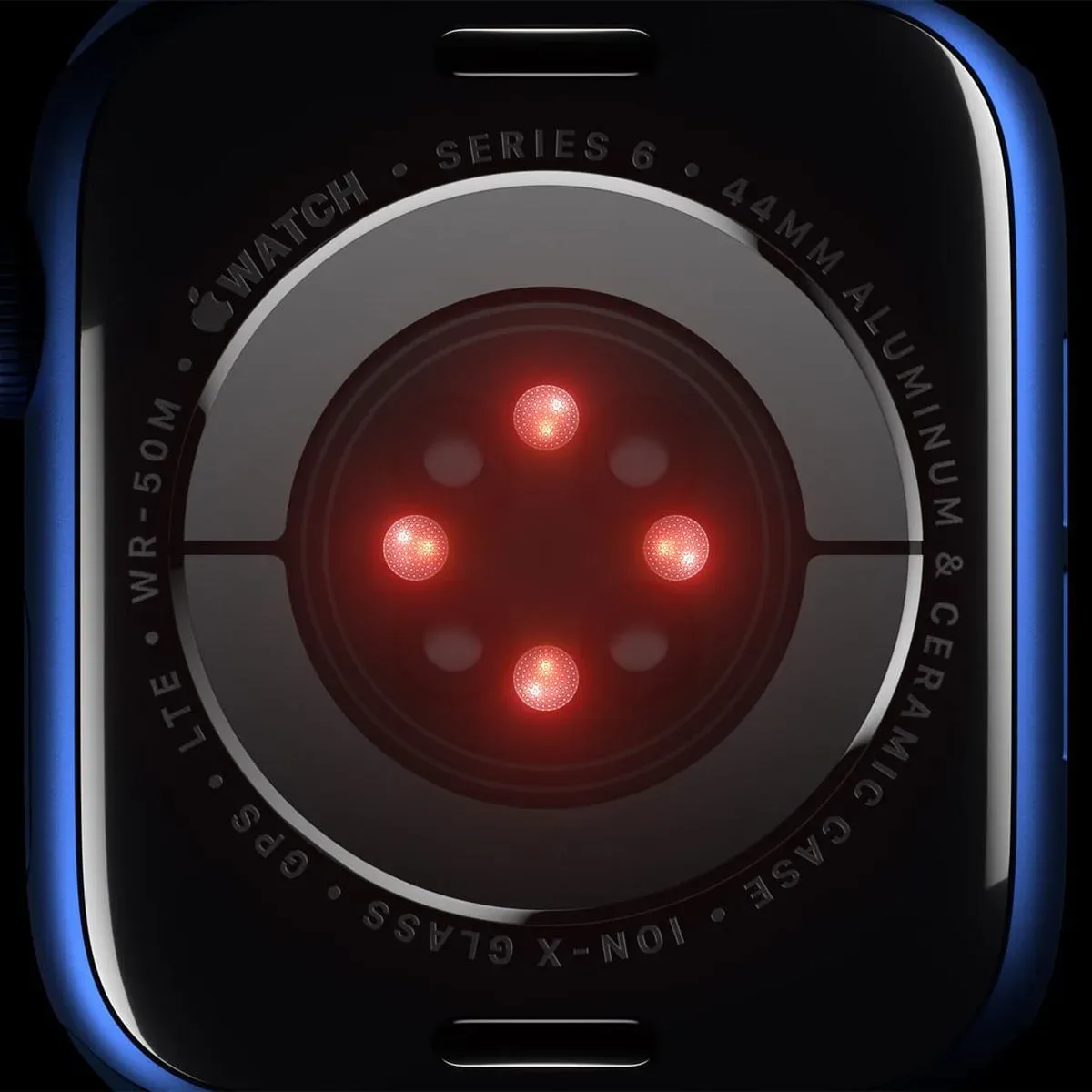
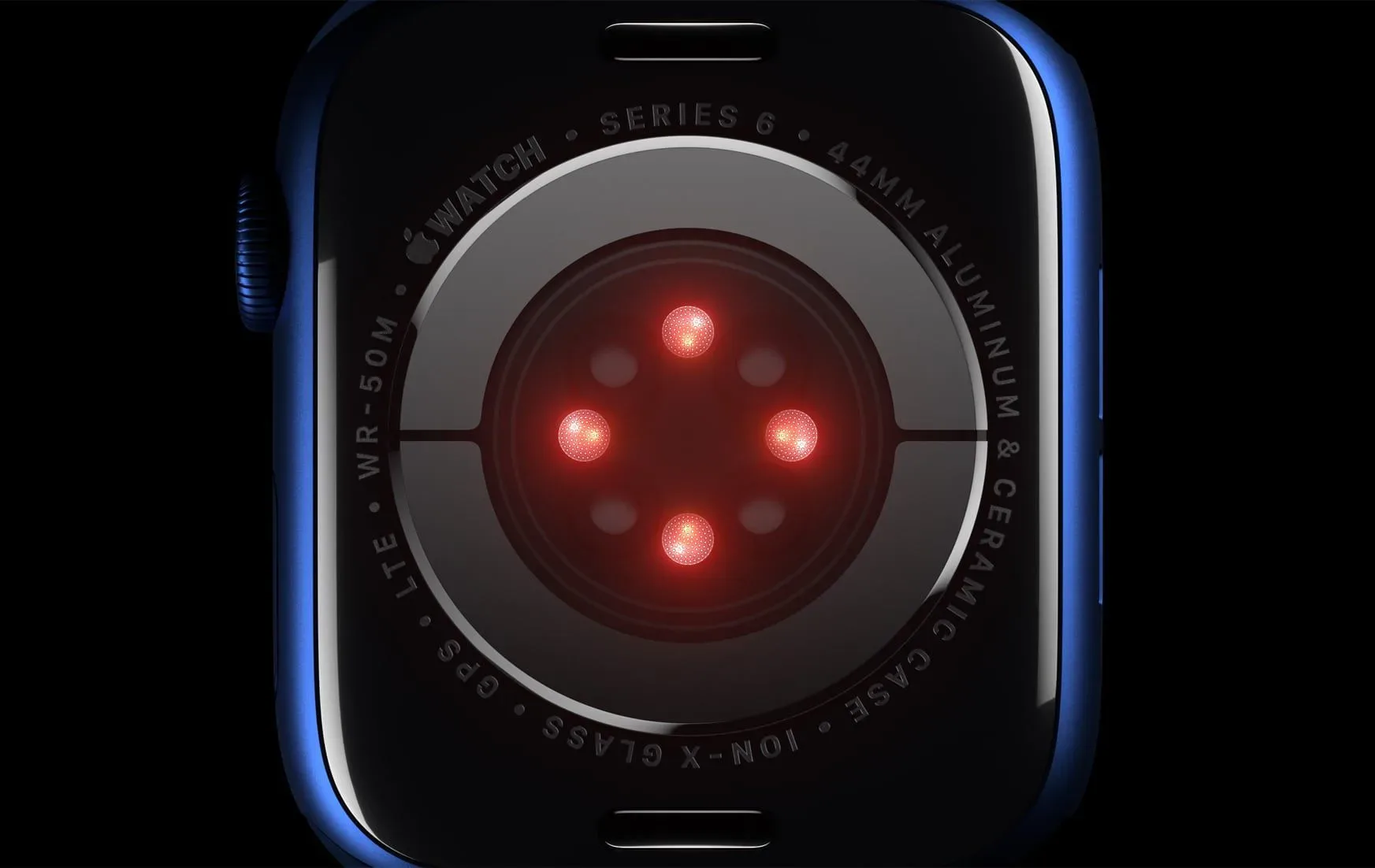
Of Apple’s current product families, wearables are the clearest theoretical landing spot for technology designed to observe body signals. Sonera explicitly positioned its work around consumer wearables and muscle-based experiences, while its possible uses included physical performance tracking and health-oriented monitoring.
A future device could, in theory, use richer neuromuscular information to supplement conventional movement data. That might make certain activity measurements more nuanced, or allow more individualized interaction methods. But it would be premature to assign the acquisition to the Apple Watch specifically. Apple could be acquiring expertise for exploratory work, patents, talent, or technology that takes years to mature—or never reaches a consumer device at all.
There is an equally important difference between detecting a signal and turning it into useful information. A sensor must gather a meaningful measurement. Algorithms must interpret it consistently. The device must explain results responsibly. The user needs a clear reason to trust and use the feature. When health-related interpretations are involved, the standards become even higher.
This is why Apple’s purchase is best seen as a signal of interest, rather than proof of an imminent capability. The public facts tell us Sonera worked on non-contact biomagnetic sensing and imagined applications in health, prosthetics, neuromuscular monitoring, sports, and wearables. They do not tell us which products Apple is developing.
Gaming implications are real, but distant
There is a temptation to jump from “brain and body sensing” straight to science-fiction game controls. The sensible reading is more measured. A controller does not need to interpret thoughts to benefit from a more flexible understanding of muscle movement. If technology in this area ever reached consumer-grade hardware, it could potentially offer optional gesture-like or muscle-based inputs, especially where physical accessibility is concerned.
That is a hypothetical future, not a product announcement. Game developers and platform holders would also need to decide how any new input works alongside established controls, how it avoids excluding players, and how it maintains privacy. The best accessibility technology generally increases choice; it does not demand that everyone abandon familiar tools that already work.
For now, Apple’s gaming-facing news remains much more concrete on the software side, including its subscription service and its evolving device ecosystem. Readers looking for the nearer-term side of that picture can see Apple Arcade’s October lineup. Sonera belongs in a different, earlier category: a technology acquisition whose eventual effects, if any, may take considerable time to become visible.
The practical takeaway
Apple’s purchase of Sonera is a notable piece of wearable-tech news because Sonera’s work centers on a challenging and potentially consequential goal: non-invasively measuring magnetic signals associated with the brain and body, without direct skin contact. The startup connected that goal to muscle activity, advanced prosthetics, continuous neuromuscular monitoring, biomarker discovery, and sports tracking.
None of that confirms a new Apple Watch feature, an accessibility interface, a health tool, or a game-control system. It does, however, reveal an area Apple is willing to invest in. If the technology proves viable at consumer scale, it could one day contribute to devices that understand movement and physiology in new ways. Until Apple says more, the most accurate expectation is curiosity—not certainty.