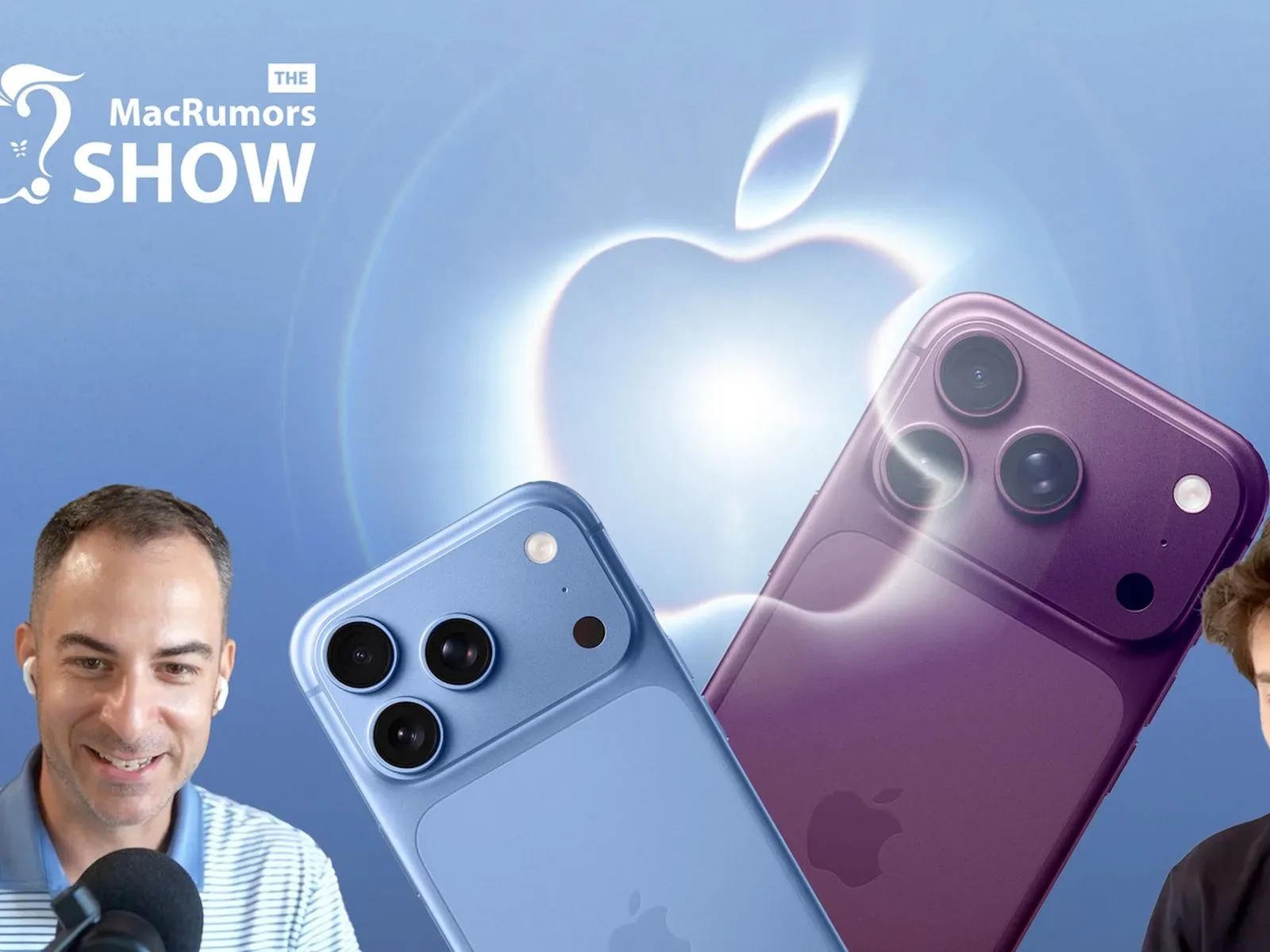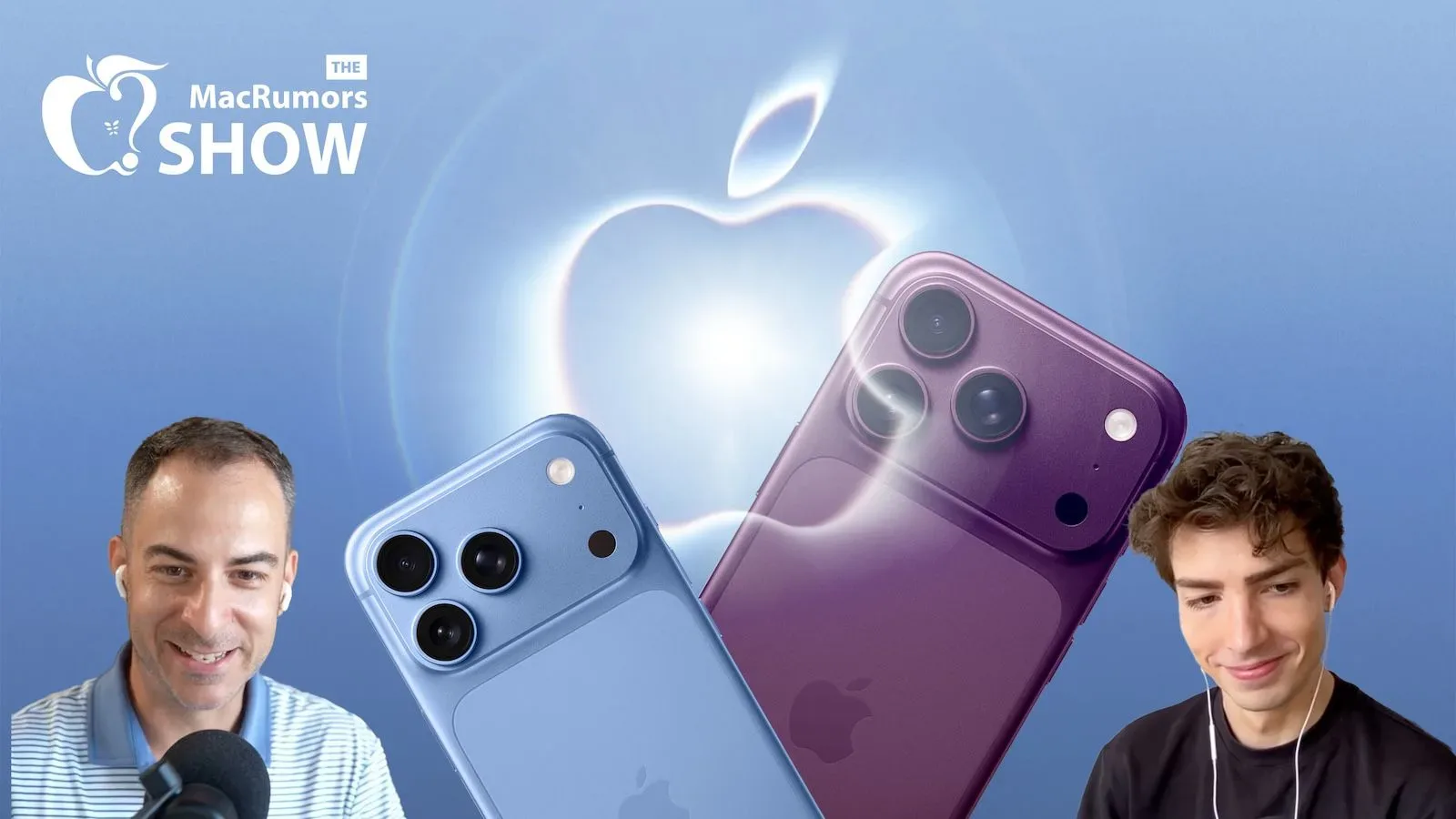
Apple’s September 9 “Surprise and shine” event is shaping up, at least in the rumor mill, as a notably crowded hardware showcase. The expected headliners are the iPhone 18 Pro and iPhone 18 Pro Max, but the product with the greatest potential to shift Apple’s device lineup is a long-rumored foldable handset that may arrive under the name iPhone Ultra.
There are also expectations for Apple Watch Series 12, Apple Watch Ultra 4, and AirPods 5. None of those details are confirmed, and the distinction matters: specifications, regional modem plans, names, colors, and even the presence of entire devices can change before a presentation. Still, the rumored package paints a useful picture of Apple’s possible next moves in mobile silicon, satellite services, health tracking, foldable design, and the increasingly blurry line between phone-sized hardware and miniature tablets.
The iPhone 18 Pro may prioritize internal upgrades over a new look
The iPhone 18 Pro is expected to preserve the outward design language of the iPhone 17 Pro rather than debut a dramatic visual overhaul. That could disappoint anyone waiting for an instantly recognizable new chassis, but a familiar exterior would put more emphasis on the alleged technology inside.
At the center of the rumors is Apple’s purported A20 Pro processor, said to use TSMC’s 2nm manufacturing process. Another reported change is an approach in which RAM is integrated on the same wafer, potentially aiding efficiency and component integration. The claimed memory configuration is 12GB, while base storage could begin at 256GB.
Display and camera rumors point to incremental but meaningful revisions. The iPhone 18 Pro may use an LTPO+ screen, a Samsung image sensor, and a smaller Dynamic Island. Its Camera Control hardware could reportedly be simplified by dropping a capacitive layer. That is a lot of small engineering language for a button, but it could reflect an attempt to refine hardware that sits under a finger constantly rather than merely adding features to a spec sheet.
Perhaps the biggest connectivity claim is 5G satellite internet. Apple has already built satellite-related functionality into its ecosystem, but an internet-capable expansion would represent a substantially larger ambition than emergency-oriented services. It remains a rumor, and practical questions would loom over any such system: coverage, speed, carrier relationships, data limits, battery cost, and which regions receive it.
Modem hardware may also vary depending on location. The expectation is that Apple’s C2 modem would be used outside the United States, while U.S. iPhone 18 Pro models would continue with Qualcomm hardware to support mmWave connectivity. Regional divergence would not be unprecedented in smartphones, yet it would make the fine print unusually important for buyers comparing models across borders.
The iPhone 18 Pro Max could make room for a more ambitious camera
The iPhone 18 Pro Max is expected to share the smaller Pro model’s major upgrades, but reports suggest Apple could reserve a few hardware advantages for the larger device. Battery capacity is one of them: 5,391mAh is rumored for the China version, with the U.S. version said to reach 5,567mAh.
Those larger batteries could contribute to a phone that is thicker, heavier, and roughly 243 grams. The Pro Max has long been the model for buyers willing to trade pocket comfort for camera hardware and endurance, so the general direction is unsurprising. Still, a phone at that weight is less a featherweight daily companion than a highly capable slab with a communications license.
The more intriguing possibility is a variable-aperture main camera exclusive to the Pro Max. In principle, variable aperture hardware can offer a camera more flexibility over light intake and depth of field. Whether it would have a meaningful effect on Apple’s final image processing is impossible to know until and unless the feature becomes real. It is nonetheless the clearest rumor suggesting that the Pro Max might be more than simply a larger iPhone 18 Pro.
The rumored iPhone Ultra could be Apple’s foldable swing
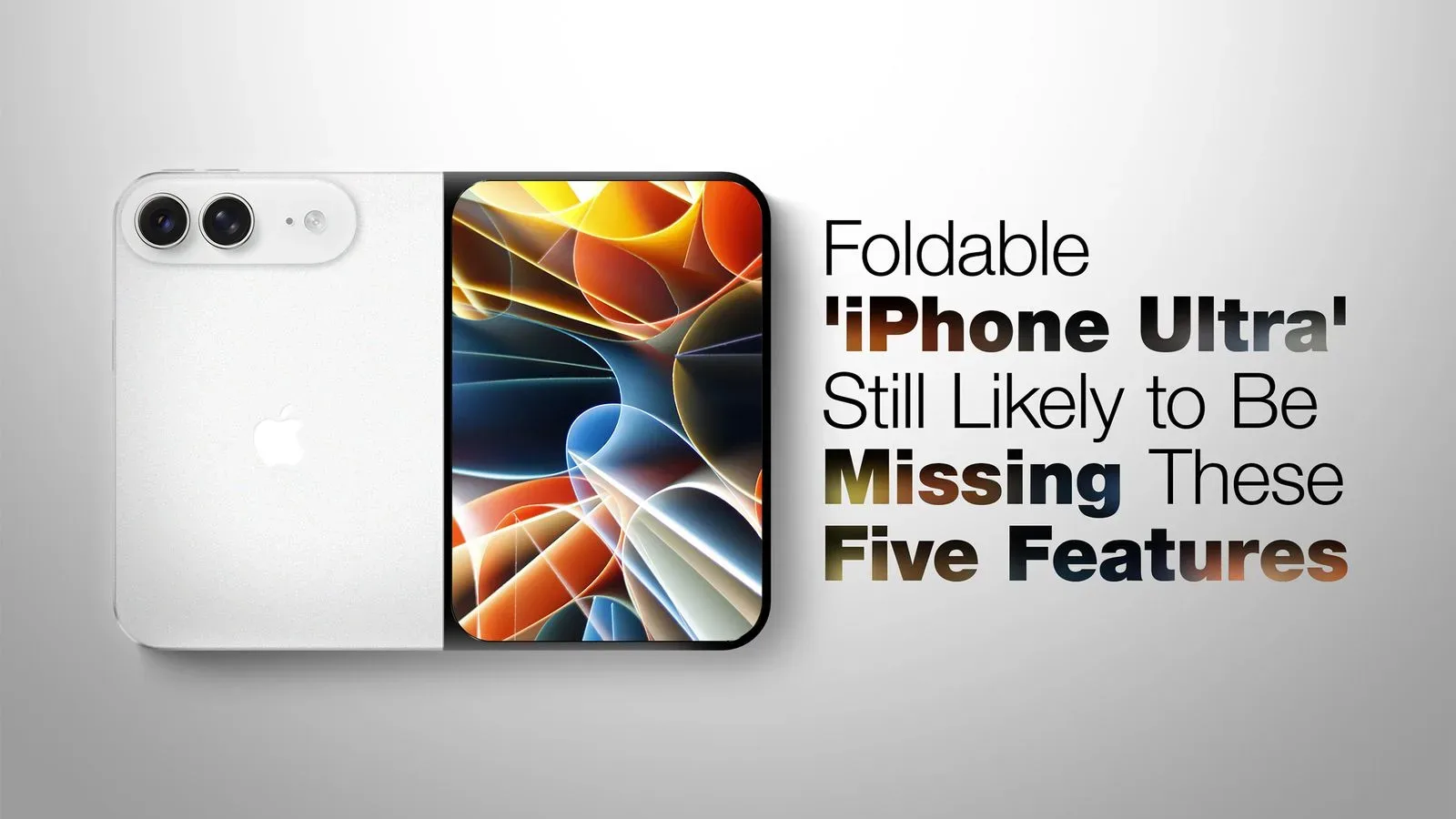
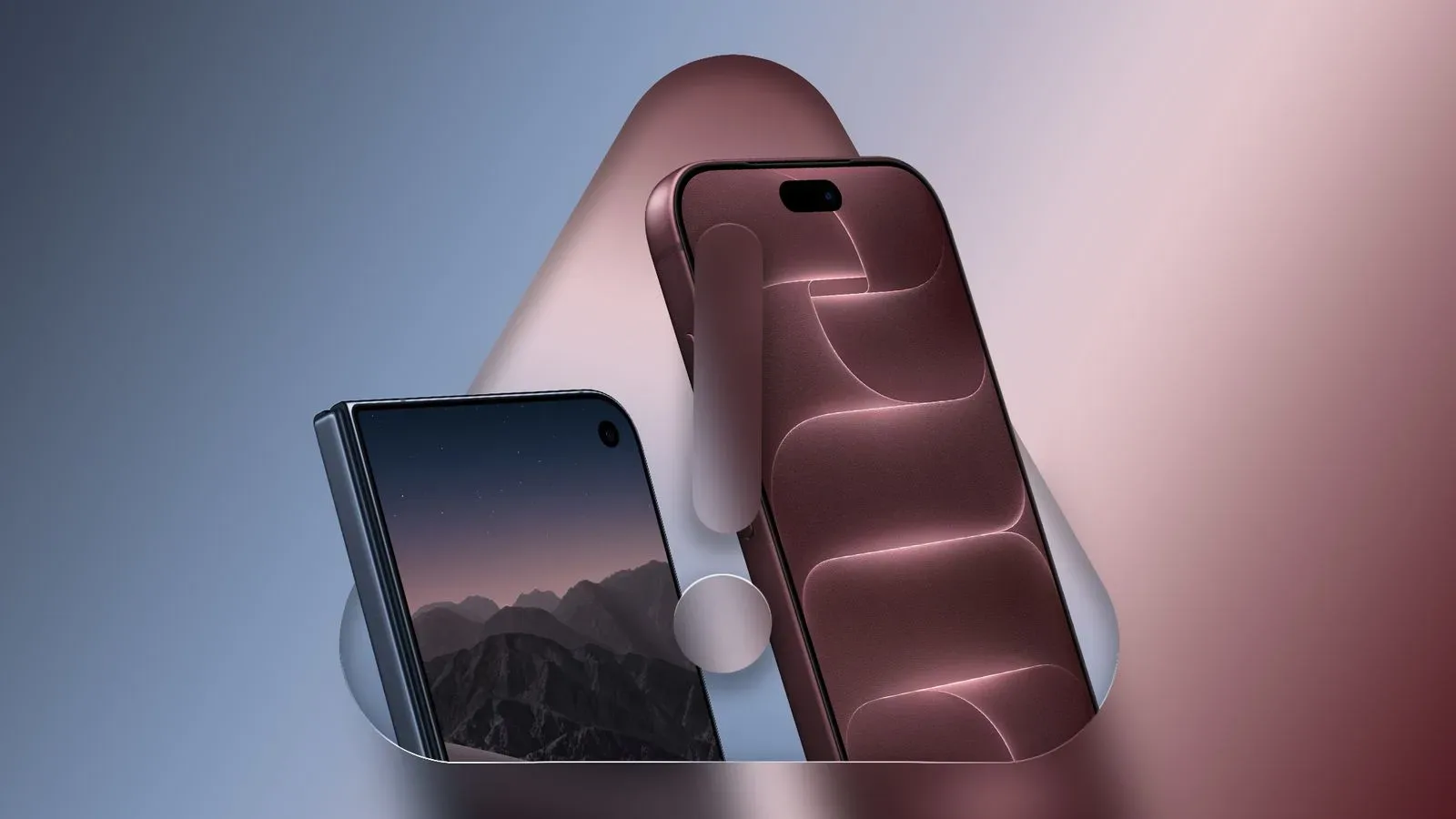
All of the above could become supporting acts if Apple unveils its first foldable iPhone. The device is reportedly likely to be called the iPhone Ultra, though the name itself has not been established. Its purported design is a wide, passport-style foldable with a 5.5-inch exterior display and a 7.8-inch interior screen. Opened up, the interior panel is said to use an iPad-like 4:3 aspect ratio.
The most important design promise is a nearly invisible crease. Foldables have made considerable progress, but their flexible screens and hinges still force difficult tradeoffs involving thickness, durability, repairability, reflections, and the tactile reality of a display that bends. Apple entering this space with an unusually subtle crease would be a notable claim, not least because it implies the company believes it can meet a high finish standard after years of watching competitors establish the category.
Other reported construction details include a titanium-and-aluminum chassis, a liquid-metal hinge, vapor-chamber cooling, and the A20 Pro chip. The iPhone Ultra may also carry dual batteries totaling somewhere between 5,400mAh and 5,800mAh. Such a range would make sense for a device tasked with powering both a conventional outer display and an almost tablet-sized inner screen, although battery capacity alone never tells the complete endurance story.
Biometric authentication could be especially different. Instead of Face ID, the foldable is expected to feature a Touch ID power button. That choice would echo the thinking behind other compact and folding hardware: a side-mounted fingerprint reader can work whether the device is closed, partly opened, or fully unfolded, without requiring a complex face-scanning module in every usable orientation.
Photography rumors point to rear wide and ultra wide cameras, two selfie cameras placed in hole-punch cutouts, and a Camera Control button. Storage configurations may include 256GB, 512GB, and 1TB. The device is also rumored to be more repairable than competing foldables, a claim that would be especially welcome in a category where hinges, flexible displays, and multilayer construction can make servicing daunting.
For games, a 7.8-inch 4:3 display would be fascinating even if Apple’s presentation does not frame it that way. The form factor could suit touch-first games, strategy interfaces, cloud-streaming apps, emulation where permitted, and controller-friendly titles that benefit from tablet-like screen space. It also raises the old question every new Apple screen revives: how effectively will software adapt? Hardware that folds is only half the challenge; apps must make thoughtful use of both compact and expanded states.
That broader relationship between displays, spatial interfaces, and entertainment continues to evolve across the technology sector. For a look at adjacent experiments in immersive storytelling and smart-glasses ambitions, see this overview of XR’s push toward shared spaces and smarter wearables.
Apple Watch Series 12 and Ultra 4 could focus on health and satellite tools
The Apple Watch Series 12 is rumored to gain a new chip, stronger fitness tracking, improved battery life, continuous heart-rate collection, and redesigned Health and Fitness experiences. A ceramic case may return, possibly in white or dark gray. That would provide a premium-material option without requiring a full visual reinvention.
Conversely, major redesign changes and Touch ID are not currently expected for the Series 12. The rumored strategy is therefore refinement: stronger health collection and more efficient hardware, delivered in a familiar watch.
Apple Watch Ultra 4 is expected to receive the same new chip and health-focused improvements without a redesign as well. Its more unusual potential additions involve satellite connectivity. Satellite Apple Maps and the ability to share photos through Messages are both rumored possibilities. For an outdoor-oriented wearable, map access beyond ordinary cellular coverage has obvious appeal, but these capabilities would depend heavily on implementation, local availability, and service constraints.
AirPods 5 may split the lineup by noise cancellation
AirPods 5 may arrive in two versions: one with active noise cancellation and one without it. Both models are expected to use an H3 chip, which could improve sound quality and reduce latency. Lower latency can matter for video, calls, and games, though real-world benefit would depend on the full wireless and software setup rather than a chip name alone.
The earbuds are not currently expected to inherit the heart-rate sensor associated with AirPods Pro 3. That would keep fitness sensing more closely tied to Apple Watch hardware while giving Apple a clearer way to separate its standard earbuds from its Pro line.
What to watch for on September 9
The key word around every one of these products is may. A September event could reveal every device listed here, only some of them, or a different slate entirely. If the rumored iPhone Ultra does appear, attention will naturally settle on its crease, weight, durability, repair pathway, software layout, authentication choice, and how much of its tablet-sized screen is genuinely useful when unfolded.
If it does not appear, the iPhone 18 Pro family still has a potentially consequential mix of 2nm silicon, revised memory integration, camera changes, satellite ambitions, and regional modem differences. The watches and AirPods, meanwhile, could reinforce Apple’s steady move toward health-aware, always-carried hardware. On September 9, the details that matter most will be the ones that move from rumor to product reality.