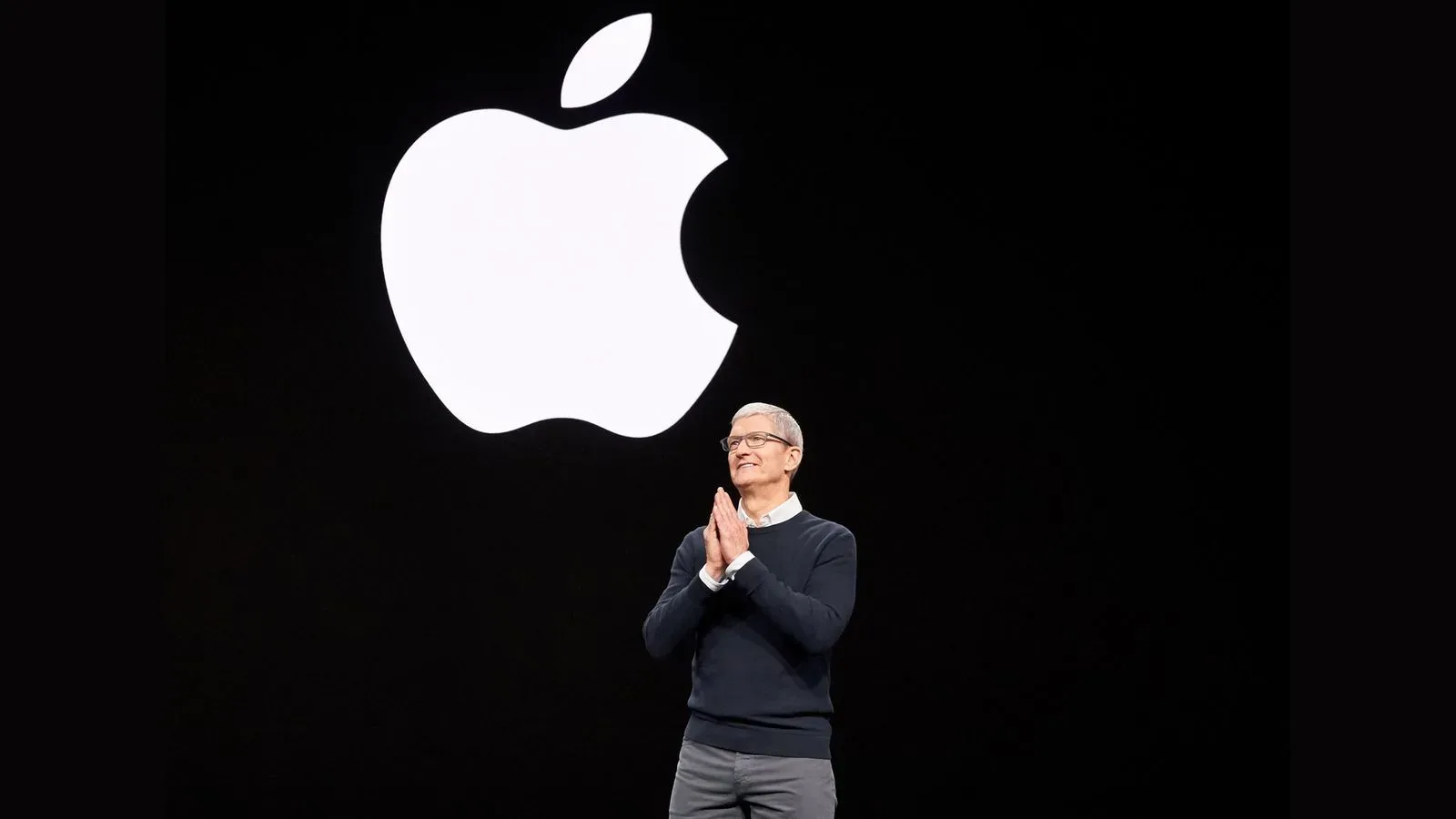
Apple’s next product presentation, branded “Surprise and shine,” is scheduled for September 9 at 1 PM ET / 10 AM PT. The company is expected to stream the Cupertino event through its website, the Apple TV app and its official YouTube presence, making it relatively painless to tune in whether viewers are at a desktop, on a phone or parked in front of a television.
That is the straightforward part. The potentially spicy part is the product speculation surrounding the show. Reports and analyst chatter point toward an unusually consequential iPhone event, one that may finally put a foldable Apple handset on stage after years of concept art, rumor cycles and countless online arguments about whether the company would ever make one at all.
Nothing rumored ahead of a keynote is official until Apple actually presents it, and names, specifications, release plans and pricing can all change. Still, the September 9 program could bring a new chapter for the iPhone lineup, fresh Apple Watch hardware and a keynote debut for John Ternus in his role as Apple’s chief executive.
Where and when to watch Apple’s September 9 presentation
The event begins at 1 PM Eastern / 10 AM Pacific on September 9. Apple viewers have three expected official routes for watching:
- Apple’s website
- The Apple TV app
- Apple’s official YouTube channel
For viewers outside those U.S. time zones, it is worth converting the start time before the show. Apple presentations can move quickly through dense hardware slides, software demonstrations and carefully lit glamour shots of aluminum, glass and suspiciously pristine backpacks. Arriving a few minutes early avoids the classic technology-event mini-boss: discovering a calendar invitation had the wrong time zone.
Apple’s product videos are generally available to replay afterward, which is useful for anyone whose schedule conflicts with the live broadcast—or anyone who simply wants a second look at the details after the applause and dramatic chip animations have settled down.
John Ternus is expected to lead a major keynote
The event carries extra corporate significance because John Ternus is set to lead it as Apple’s new CEO. Tim Cook became executive chairman earlier this month, following a transition announced in April. A September iPhone showcase would therefore be Ternus’ first keynote at the top of the company.
Leadership changes do not automatically predict a radically different presentation style or a surprise product category. Apple keynotes are famously choreographed machines, closer to a polished questline than an open-world sandbox. Yet the timing makes this particular show notable. If Apple does reveal its long-rumored foldable phone, Ternus could be introducing one of the company’s most watched hardware experiments in years.
Apple has also had a busy summer in desktop hardware. The company recently revealed Mac mini and Mac Studio models positioned around new M6 and M5 Ultra chips, respectively. Both models are expected to become available September 22. That context does not mean Macs are guaranteed to take a central role at the September 9 event, but it does underline how much hardware activity has already surrounded Apple’s fall runway.
The foldable iPhone rumor is the headline attraction
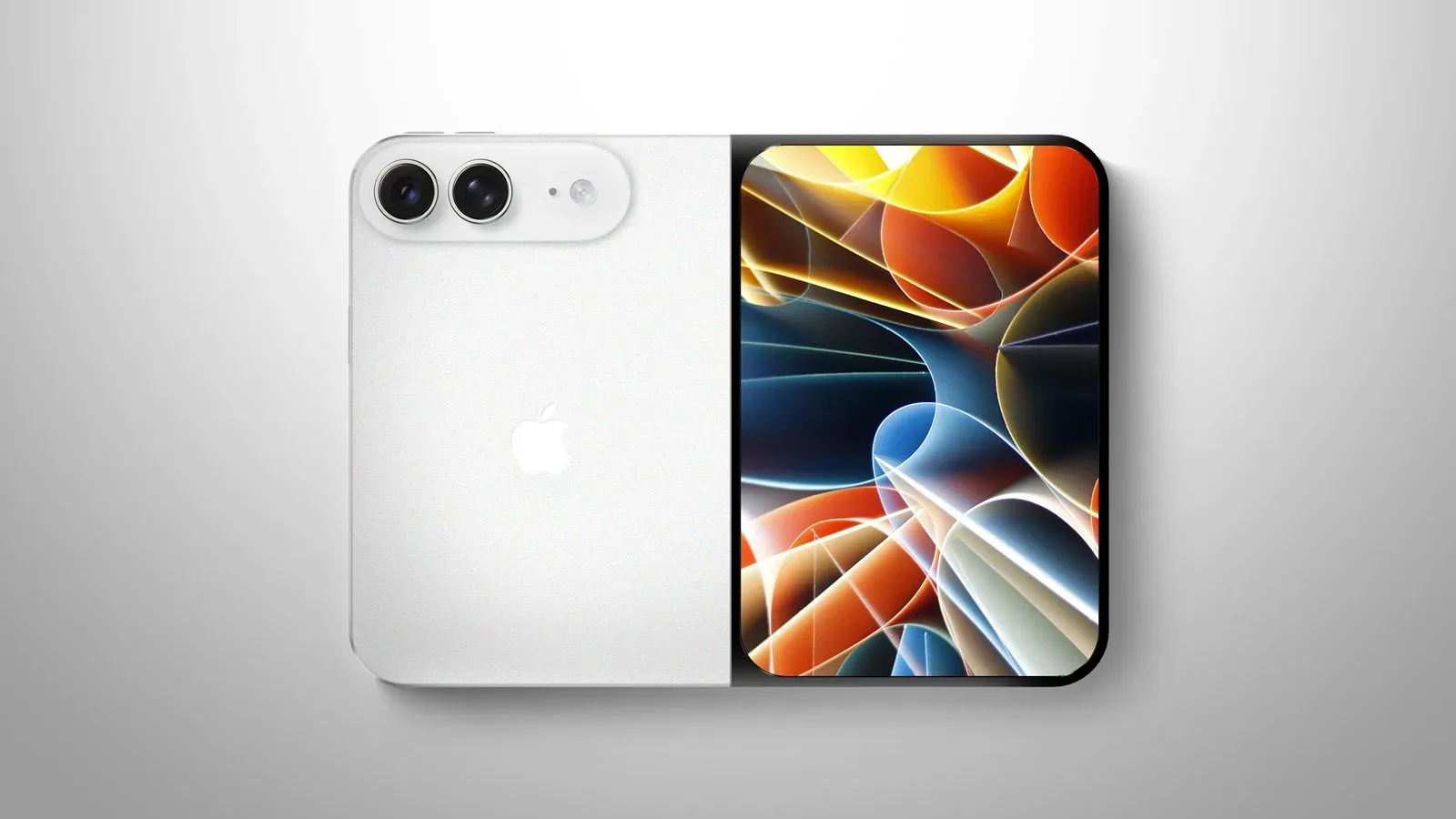
The most persistent expectation is a first foldable iPhone, often referred to in reports as the iPhone Ultra. Apple has not confirmed that name, the product itself or its specifications. But the volume of reporting around a foldable appearance has pushed the possibility beyond the usual “someone saw a mysterious rectangle in a blurry photo” tier of launch-season chatter.
The rumored device is said to use a 5.5-inch exterior display and a 7.8-inch interior screen when unfolded. That larger panel would be only a little smaller than the 8.3-inch display used by the iPad mini. In practical terms, the pitch is easy to understand: a conventional, pocket-sized phone on the outside, then a compact tablet-like workspace after it opens.
That format could be meaningful for people who jump among messaging, video, maps, reading, work tools and games throughout the day. A larger display offers more room for split-screen apps, on-screen controls and media. It could also give developers an opportunity to rethink interfaces that are currently squeezed into a standard phone shape. The important word, though, is could. Hardware dimensions do not automatically guarantee great software, sensible battery life or an experience that justifies carrying a thicker and more complicated device.
Reports have described the foldable’s hinge as sturdy and its interface as more tablet-oriented. Those are promising claims, but a foldable lives or dies by mundane realities as much as splashy demos: crease visibility, durability, weight, pocket comfort, repairability and how elegantly apps adjust between closed and open states. Apple’s presentation may answer some of those questions, while leaving others for eventual real-world evaluation.
A possible premium price and camera compromise
One reported drawback is especially likely to trigger debate among high-end iPhone shoppers. The alleged iPhone Ultra may omit a telephoto camera. If accurate, that would be an awkward limitation for a product rumored to cost $2,000 or more, particularly for customers accustomed to the expanded camera systems on Pro-tier iPhones.
There may be engineering reasons for such a choice, if it proves true. Foldable designs require an internal layout that accommodates a hinge, two display arrangements and thin halves. But consumers do not buy internal-layout explanations; they buy a finished device and compare its capabilities with competing premium phones. At that price, a missing telephoto lens would likely become a major point of scrutiny rather than a footnote.
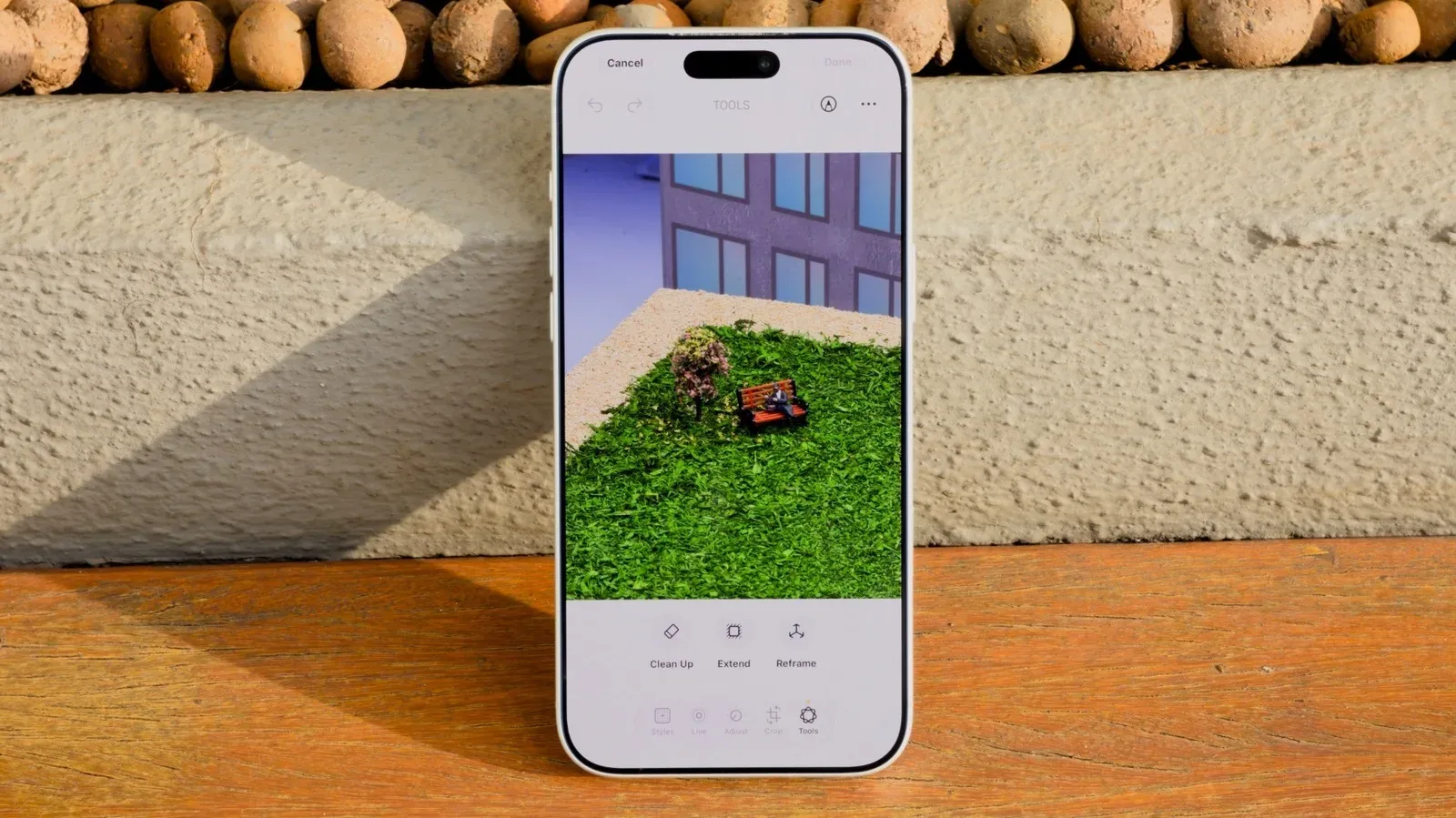
Camera software will remain part of the wider Apple conversation regardless of what happens with the foldable. Anyone keeping up with the company’s image-editing tools can also consult our iOS 27 Clean Up guide for a closer look at removing distractions, extending images and approaching reframe features carefully.
iPhone 18 Pro models may join the foldable
The foldable is not the only handset rumored for the September presentation. Apple is also expected by some observers to reveal the iPhone 18 Pro and iPhone 18 Pro Max. One point of speculation centers on a sky-blue finish, with the event artwork interpreted by some as a possible clue. Color hints in promotional imagery are never a substitute for confirmation, but hardware-color detective work is a time-honored ritual of gadget season.
Prospective buyers should be cautious about assuming the entire iPhone 18 family is arriving together. The base iPhone 18 is not currently expected to be announced alongside the Pro models. Reports indicate Apple may split the lineup’s introductions between the fall and spring 2027. The second-generation iPhone Air and the iPhone 18e are likewise expected by many reports to wait until next spring.
That possible staggered approach matters more than a model-number spreadsheet might suggest. Shoppers focused on the least expensive new option may not have a suitable September replacement to buy, while those who want a Pro device could face a clearer choice sooner. Meanwhile, people interested in a thin Air-style model, an entry-level e model or the ordinary iPhone 18 may need patience rather than an event-day checkout tab.
Apple Watch Series 12 and Ultra 4 are also expected
Apple’s annual iPhone showcase has often included wearables, and this year is expected to be no different. The Apple Watch Series 12 and Ultra 4 are among the anticipated announcements. Specific features remain uncertain, so it is sensible to avoid treating every circulating specification as a promise.
The Apple Watch SE appears less likely to receive attention this time. The Apple Watch SE 3 received a major overhaul last year, and a follow-up is not expected at this event. That does not rule out an unexpected update, but it means prospective SE buyers should not presume a new version is imminent simply because September has arrived.
For the broader Apple audience, the likely watch announcements matter because they show how the company tends to treat its product ecosystem as a connected party rather than a set of isolated gadgets. A phone update can be paired with health, notification, fitness and accessory stories built around the wrist. If the iPhone itself is about to become foldable, the supporting devices and services will be part of the larger question: does this feel like a practical new daily setup, or an expensive novelty with a very nice hinge?
What to keep in mind during the show
The clearest approach is to separate confirmed scheduling details from pre-event expectations. The September 9 stream, its 1 PM ET / 10 AM PT start, and the official viewing options are the things viewers can plan around now. The foldable iPhone, iPhone Ultra branding, screen sizes, price, camera configuration, Pro colors and launch sequencing all remain subjects for the presentation to confirm, revise or ignore.
That uncertainty is not a flaw in watching a launch; it is the whole sport. This event has the potential to turn Apple’s longest-running phone rumor into a real product category, introduce new Pro handsets, update the Apple Watch and establish Ternus’ keynote era in one packed broadcast. If even part of that expected lineup appears, September 9 should offer considerably more than another annual parade of rectangles—though, naturally, some extremely premium rectangles will still be involved.