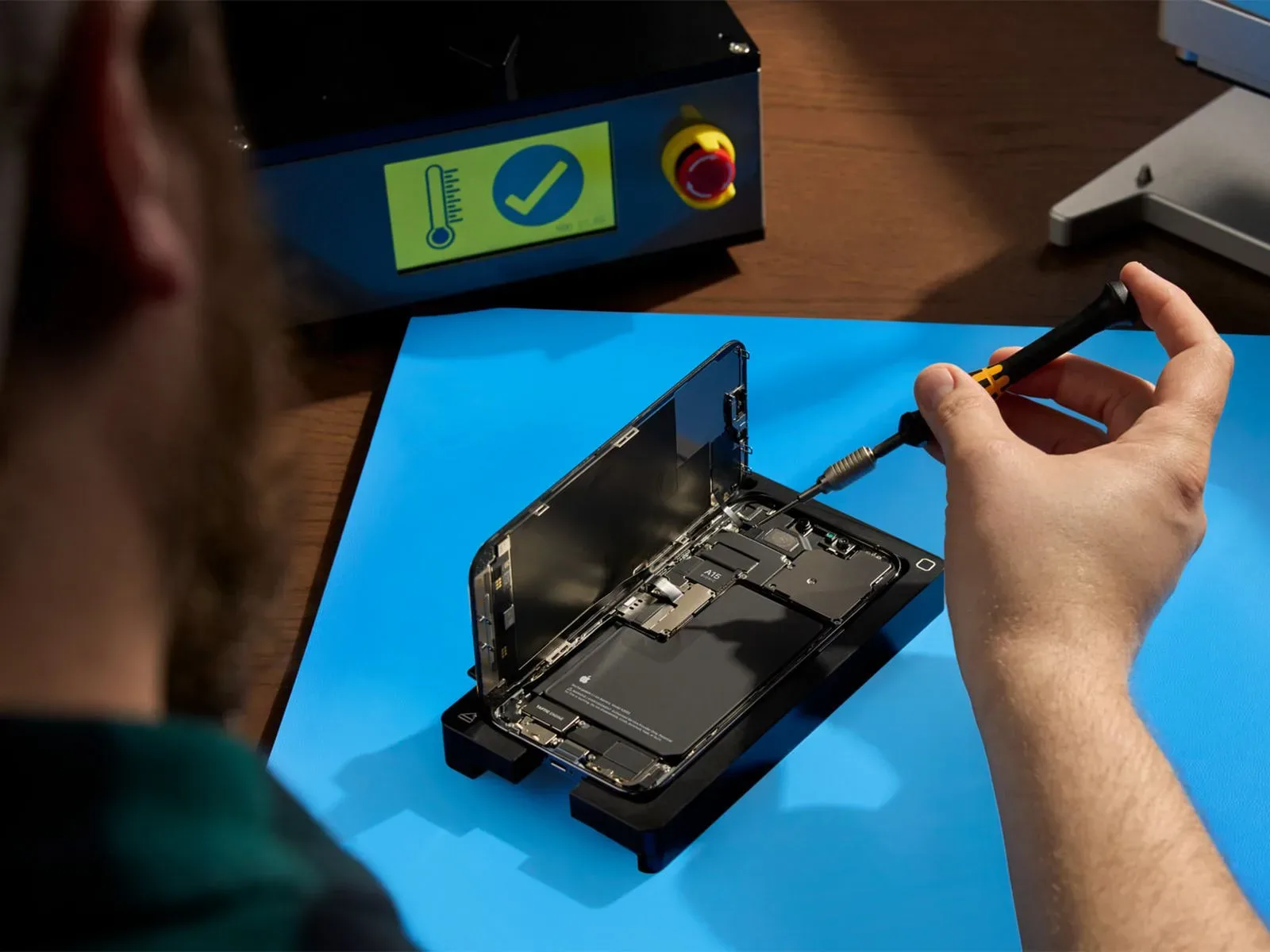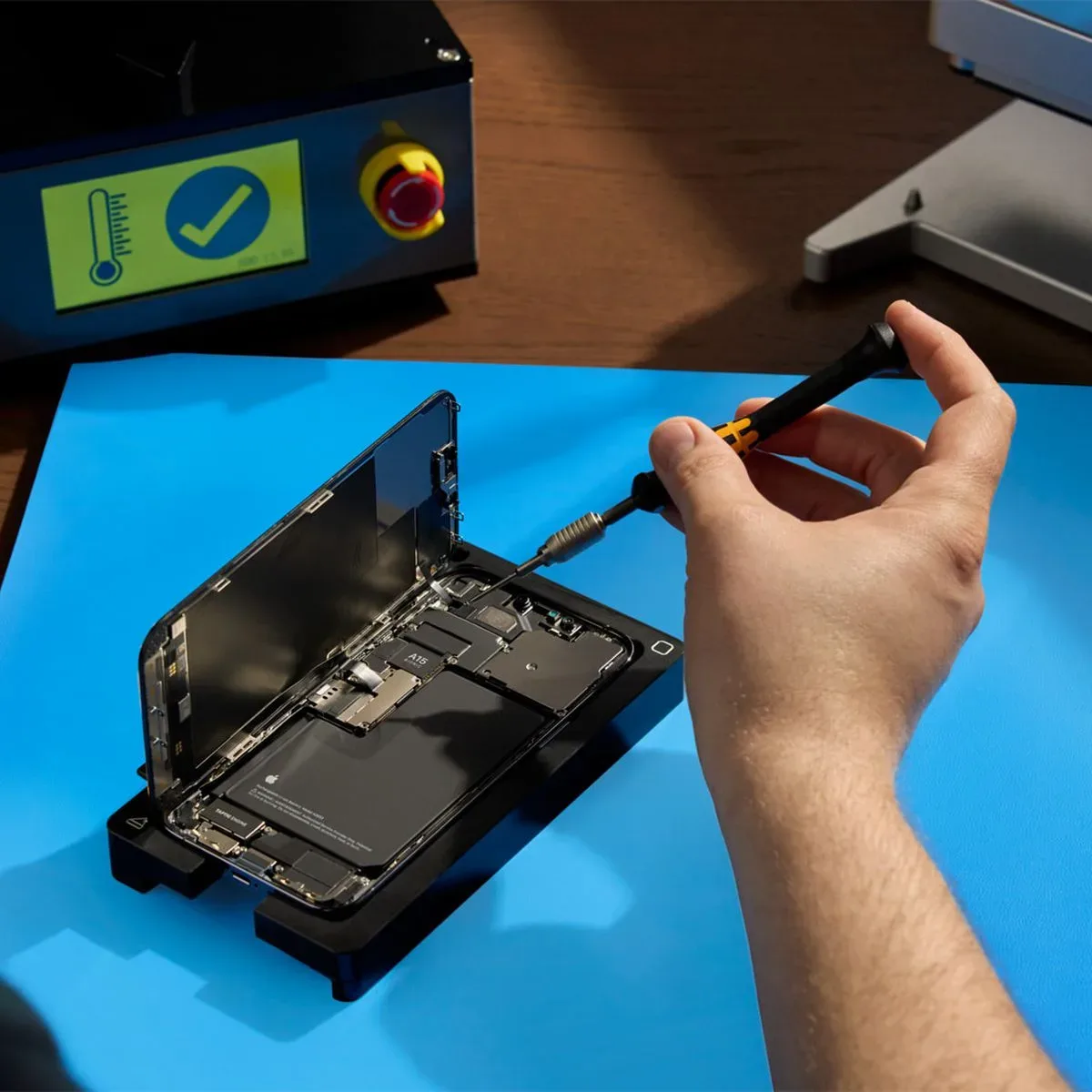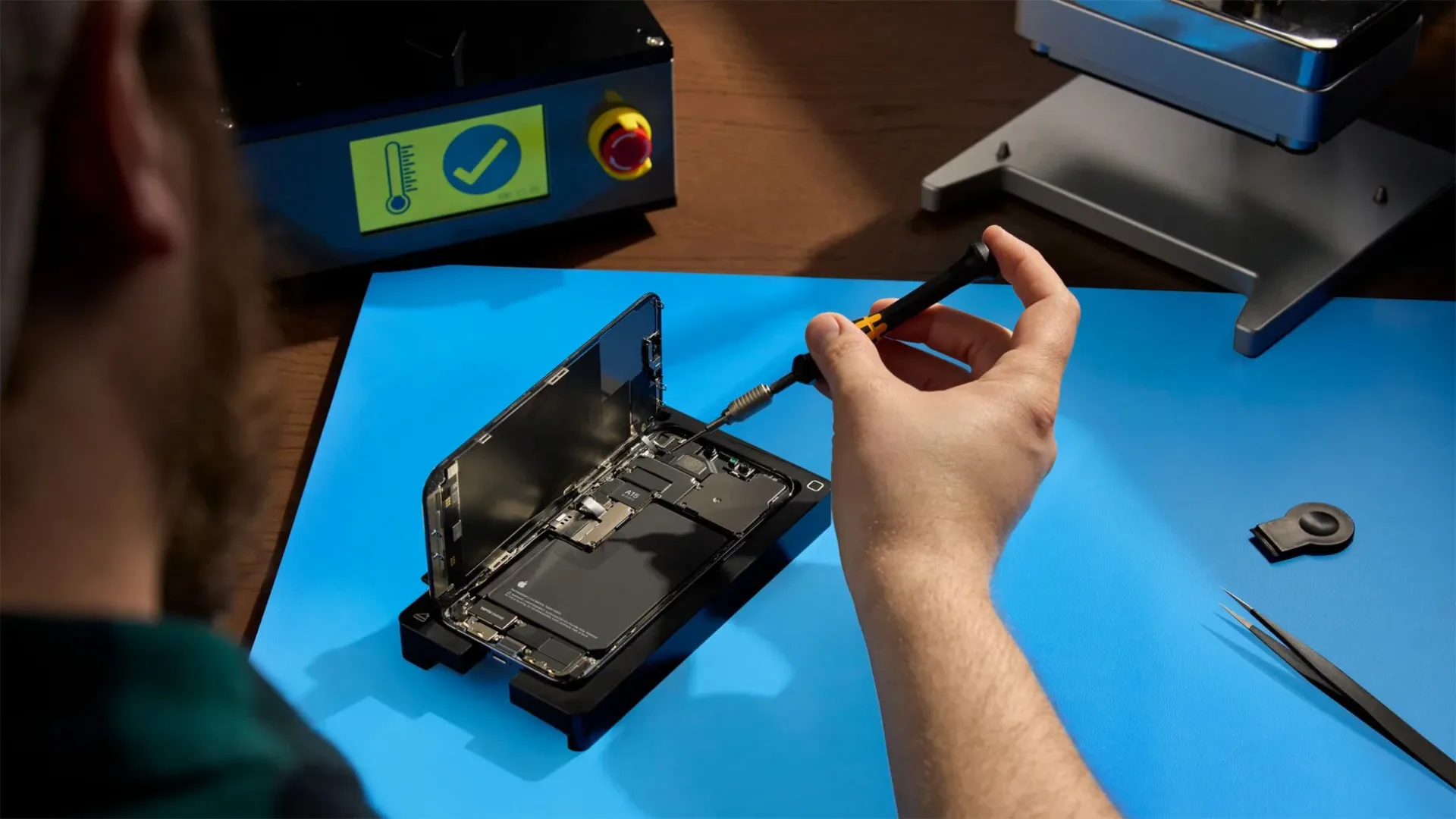
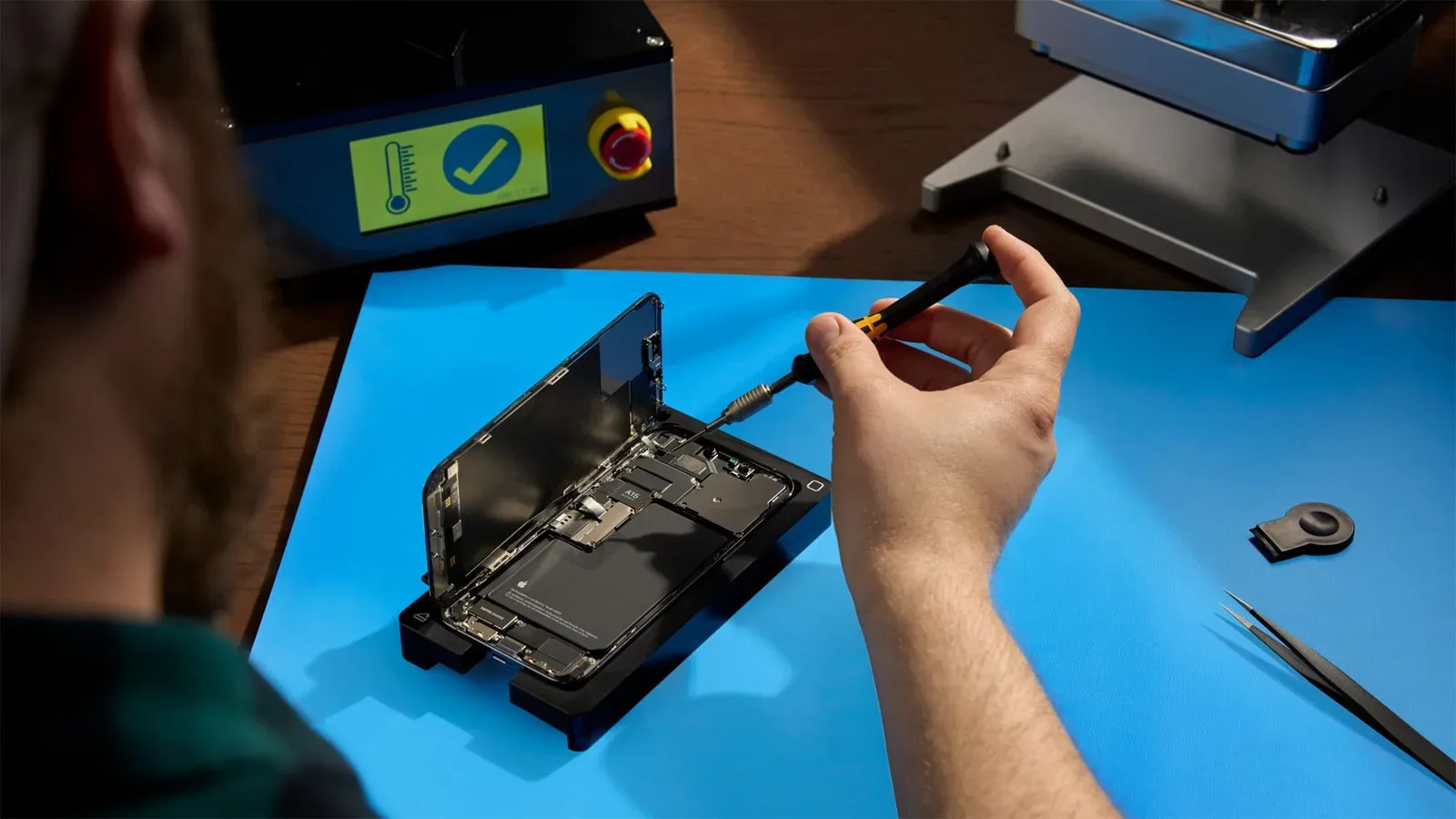
Apple is expected to face a trial in France in June 2027 over claims that its iPhone repair controls made independent repairs unnecessarily difficult. The dispute centers on parts pairing, a system that electronically associates certain replacement components with an individual iPhone.
The legal action follows a complaint lodged in December 2022 by Halte à l'Obsolescence Programmée (HOP), a French advocacy group focused on planned obsolescence. HOP argues that screens, batteries, and cameras could malfunction after being replaced outside Apple-approved channels, including cases involving genuine Apple parts. The group says the disputed practices span 24 iPhone models and occurred from November 2021 through July 2024.
A scheduling hearing is set for February 25, 2027, ahead of several days of arguments anticipated in June. It is a significant date on the calendar, although not a verdict and not a finding that Apple has broken the law. For now, the court will eventually weigh HOP’s allegations against Apple’s defense that the challenged controls serve legitimate privacy, security, and safety purposes.
What the case is actually about
The phrase planned obsolescence naturally grabs attention because it evokes a device being designed to become disposable before its time. That is HOP’s broader framing of the issue. But the reported offense being prosecuted is more precise: obstructing repair and refurbishment under French consumer law.
That distinction matters. The upcoming proceedings are not simply a referendum on whether iPhones should last longer, nor a general trial over every aspect of Apple’s repair policy. The central question is whether the relevant restrictions improperly hindered repair or refurbishment during the period covered by the complaint.
In practical terms, refurbishment means returning a device to usable condition rather than replacing it outright. A phone with a damaged display, tired battery, or failed camera is not necessarily a phone that needs to exit service. If a replacement part can be installed and function normally, the handset may continue to be useful. If software or component-level controls prevent that outcome, the repair can become more complicated or potentially less viable.
That does not itself establish why a restriction exists or whether it is lawful. It does explain why the details are important. A physical repair is only one layer of a modern phone repair. The other is the device’s electronic recognition of what has been installed.
Parts pairing, explained without the screwdriver smoke bomb
Parts pairing is the term used for electronically linking a component to a specific device. In this dispute, HOP alleges that the pairing system caused replacement displays, batteries, and cameras to malfunction when independent repairers performed the work, even where genuine parts were used.
The key point is that a part being physically compatible is not necessarily the same as it being fully accepted by a phone’s software. The allegation is not merely about whether an independent technician can open an iPhone and fit a component. It is about what happens after installation: whether the phone recognizes the part and whether features operate as intended.
Apple’s stated justification is that parts pairing protects privacy, security, and safety. Those are distinct concerns. Privacy concerns can involve protecting data and preventing unauthorized changes; security concerns can involve preserving the integrity of device systems; safety concerns can be particularly relevant where batteries and other hardware are involved. The company denies HOP’s allegations, calling them baseless.
HOP’s position is that the effects on repair and refurbishment are the issue, particularly where genuine parts are concerned. The forthcoming case is therefore likely to turn on the application of French consumer law to the evidence surrounding those effects, rather than on a simplistic idea that every software-linked component is automatically improper or every repair limitation is automatically justified.
Apple points to changes already made
Apple has highlighted repair restrictions it has removed. One example is support for True Tone with third-party replacement displays.
True Tone is a display feature designed to adjust the screen’s appearance in response to surrounding light. Its relevance here is straightforward: display replacement is not only about restoring an image to the screen. For people accustomed to a particular feature set, a replacement that changes how the display behaves can feel like a partial repair rather than a fully equivalent one.
Apple has also expanded support for used genuine parts, initially for iPhone 15 models and newer. That change is relevant because it acknowledges a category that sits at the heart of repair and refurbishment: a genuine component does not have to be brand-new to be potentially useful. A used genuine part can be important to the resale, refurbishment, and independent repair ecosystem, provided it can be installed and used effectively.
HOP acknowledges that Apple has made changes, but says their effectiveness needs to be assessed over time. That response is also measured: a policy change can be meaningful while still leaving open questions about its practical scope, how it works across models, and whether it resolves the concerns raised by past conduct.
The timing matters as well. The complaint covers practices from November 2021 to July 2024. Changes made after the complaint began may be pertinent context, but they do not erase the need for the court to examine the specific period and conduct at issue. Likewise, an improvement affecting newer models does not automatically answer questions about every model among the 24 covered by the case.
Why independent repairers and phone owners should watch
For phone owners, this case concerns the choices available after a device suffers common hardware problems. A cracked screen, declining battery, or camera issue can lead to a repair through the manufacturer, an authorized provider, an independent repairer, or, sometimes, no repair at all. Software-linked part restrictions can influence which routes are practical.
For independent repair businesses, the dispute concerns more than access to a screwdriver and a replacement component. A repair may need to result in a phone that works properly after reassembly. If a component needs electronic recognition, the repair process can depend on whether the required support is available beyond approved channels. The question of genuine used parts adds another layer: refurbishment often depends on the ability to reuse viable components instead of treating them as waste.
There is a consumer-information angle, too. Anyone arranging an iPhone repair can reasonably ask what type of part is being installed, whether it is new or used, and whether relevant functions will operate after the work is complete. Those questions do not decide the French case, but they are sensible practical checks in a market where hardware replacement and software behavior can be interdependent.
Owners should also avoid treating this pending trial as a broad instruction to bypass safety precautions. Apple’s stated concerns include safety, and batteries in particular deserve careful handling. The reported dispute is about the legality of alleged obstruction of repair and refurbishment, not a declaration that every repair method or component source carries the same risk.
A case with a narrow legal target and wider implications
The court case has a defined jurisdiction, a specified period, and allegations contested by Apple. It would be premature to assume its outcome or to describe the claims as proven. Still, it highlights an increasingly consequential divide in consumer electronics: ownership of a device is not always the same thing as complete control over every step needed to restore it.
That divide can be especially noticeable with products as integrated as smartphones. Replacing a component may involve mechanical work, software configuration, device-specific authentication, or all three. The more those layers overlap, the more consequential repair policies become for consumers and businesses seeking to keep devices in service.
Apple’s defense frames the issue around protection: privacy, security, and safety. HOP frames it around repair access and the viability of refurbishment. The French proceedings should provide a formal venue to test how those competing considerations apply to the practices alleged in the complaint.
Apple is also facing other high-profile questions around how it handles sensitive technical controls, including a separate UK proceeding concerning encryption that has been allowed into public view. That UK tribunal development is a different matter, but it underscores how product protections can become the focus of public legal scrutiny when they intersect with consumer or government interests.
What happens next
The next firm milestone is the February 25, 2027 scheduling hearing. Several days of trial arguments are expected in June 2027. Until then, the important facts are limited but clear: HOP’s complaint challenges parts-pairing-related practices involving 24 iPhone models; Apple rejects the claims; and both sides point to sharply different interpretations of controls that can affect repair outcomes.
For now, this is not a verdict on Apple, nor proof that every replacement part or independent repair was blocked in the same way. It is a pending consumer-law case focused on whether the alleged restrictions obstructed repair and refurbishment. The distinction may sound legalistic, but it is the difference between a dramatic headline and the actual match being played.