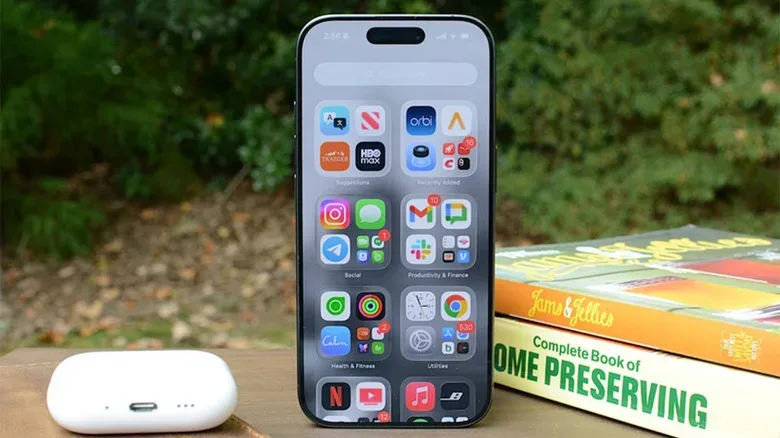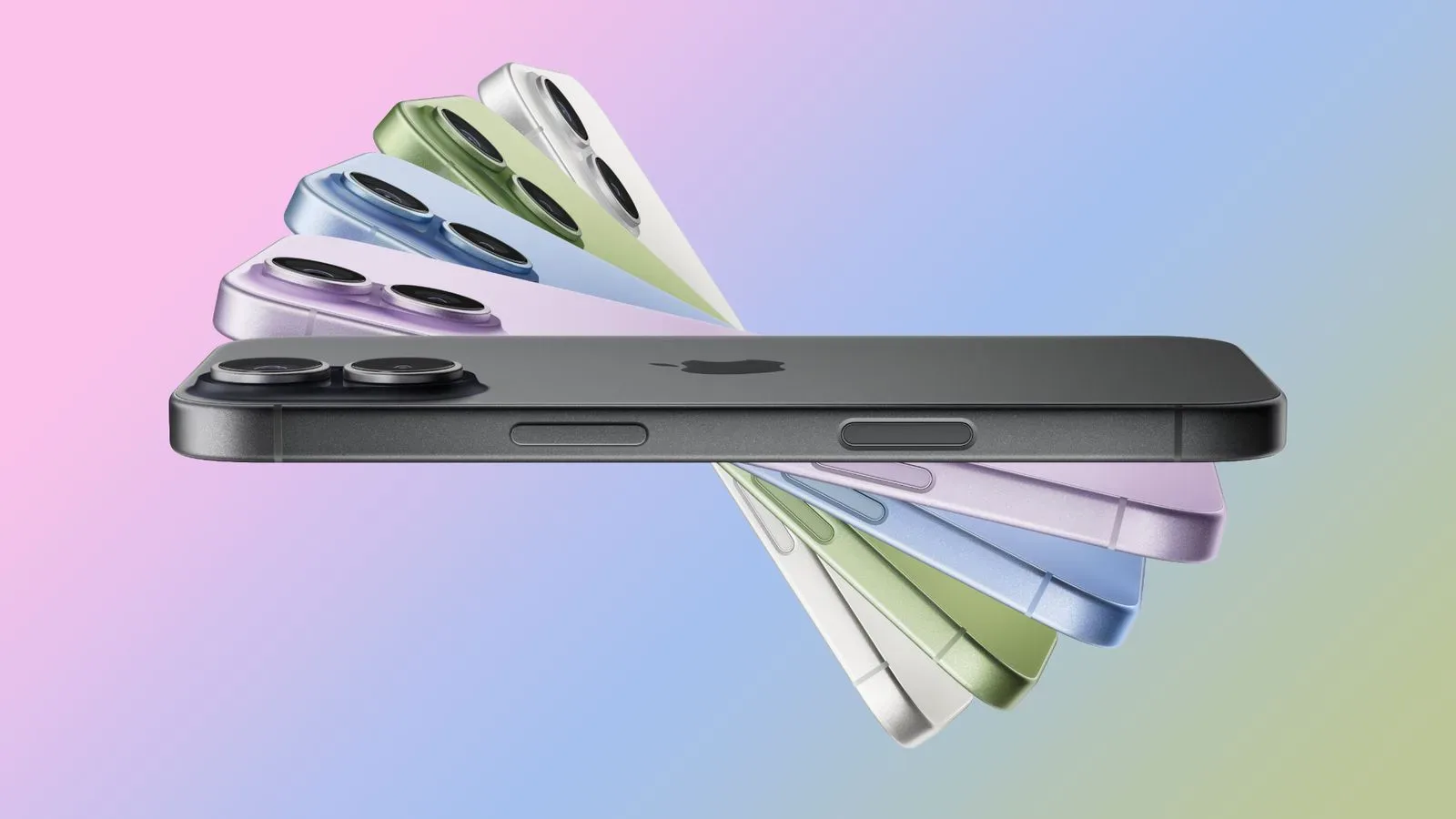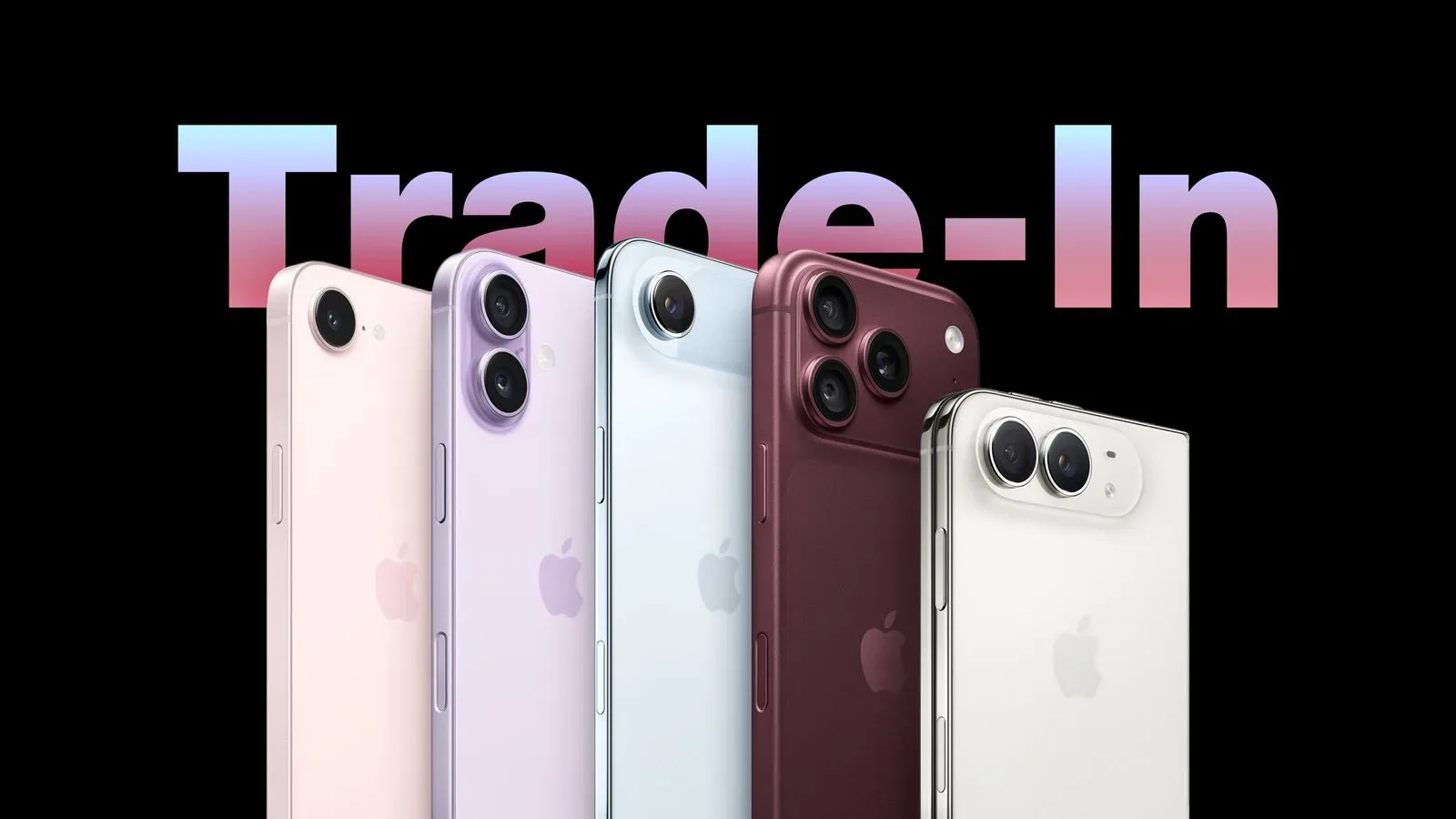
Apple’s newest product presentation came with a reassuring refrain for shoppers watching their budgets: certain new hardware starts at the same price as the models it replaces. But a look at the company’s current store pricing reveals a less comforting change for anyone planning to buy a still-available older iPhone. Apple has increased the price of every prior-generation iPhone it continues to sell by $100.
That matters because the outgoing handset range is normally where buyers look for a simpler value proposition. A device may no longer be the flashy center of a launch event, but it can retain plenty of appeal for people who do not need the newest hardware—whether they want a capable daily phone, a second device for mobile games, a camera for conventions, or a dedicated way to keep a collection catalogued. The old rule was that waiting a generation could yield a modest discount. At the moment, Apple’s listed prices are telling a different story.
The iPhone 16 returns to its earlier $799 starting point
The clearest example is the iPhone 16. It now starts at $799, up from $699. That brings the handset back to the price it carried when it launched in 2024, after it had received a reduction following the arrival of the iPhone 17.
In other words, the $699 entry point was not simply preserved as an ongoing lower-tier option. It has been removed from the current pricing picture for the iPhone 16. For a buyer comparing current Apple listings rather than tracking the recent price history, $799 is now the number that matters. For a buyer who had been waiting to make a purchase after seeing the earlier $699 figure, the difference is substantial enough to change the calculation.
A $100 rise does not automatically settle whether an iPhone 16 is a bad buy. Value depends on a person’s needs, storage requirements, existing accessories and preferred size. Still, it changes the pressure around comparison shopping. The prior-generation product is now closer in cost to newer models, which may make the newest lineup harder to ignore even for shoppers who began by looking for a discount.
The current iPhone ladder has shifted at multiple points
The iPhone 16 is not the only affected device. The iPhone 17 family now begins at $699 with the iPhone 17E. That entry-level model had been offered at $599 earlier in the year. Meanwhile, the iPhone 17 with 256GB of storage is listed at $899, rather than $799.
The iPhone Air has also moved upward. Its starting price is now $1,099, up from $999. These changes create a very direct before-and-after list for consumers:
- iPhone 16: $799 now, previously $699.
- iPhone 17E: $699 now, after being sold at $599 earlier this year.
- iPhone 17 with 256GB: $899 now, previously $799.
- iPhone Air: starts at $1,099 now, previously $999.
The important detail is that this is not merely one configuration quietly edging upward. The listed $100 increase reaches across the previous-generation iPhones Apple still offers. That broad approach makes the price architecture itself part of the launch-day story.
Apple’s event messaging put attention on products whose prices were unchanged, but the older-phone adjustments mean shoppers should verify the specific model and storage tier they want instead of relying on last week’s comparison chart or a remembered starting price. That is basic shopping advice, but it is especially relevant during a launch cycle when an outgoing model can seem familiar enough that its price is assumed to be unchanged.
Unchanged watch pricing offers a sharp contrast
Apple Watch pricing did not follow the same pattern. The Apple Watch 12 starts at $399, the same stated starting price as its predecessor. The Apple Watch Ultra 4 likewise starts at $799, again matching the prior model’s starting point.
That contrast is notable because it means “new Apple hardware” does not describe one unified price move. The watches stayed level at their respective entry points, while the older iPhones on sale became more expensive. Buyers building out a personal tech setup—or deciding which hardware upgrade gets priority—are therefore looking at very different pricing behavior depending on product category.
For players, that distinction can matter in practical, if unglamorous ways. A watch may be an optional accessory for notifications, activity tracking, timers or music controls, whereas a phone can be the device handling cloud saves, controller companion apps, store authentication and mobile titles. Nobody needs a smartwatch to enjoy a console game, of course, but the phone purchase is often attached to far more everyday tasks. A $100 shift in the phone budget can have ripple effects even if the buyer was not originally considering the latest iPhone as a gaming purchase.
Apple is also continuing to discuss its new foldable direction through developer-facing material. For more on that separate thread, see Apple’s iPhone Duo developer video series and its focus on foldable app layouts, displays, and camera design. The older-iPhone increase is a different issue, but together the developments illustrate how much attention is currently being placed on Apple’s evolving hardware lineup and the software that will run across it.
AirPods Pro 3 remain at $249
Not every Apple product in the current picture has become pricier. AirPods have not received a price increase. AirPods Pro 3 remain at $249.
There is a straightforward hardware distinction worth noting: AirPods Pro 3 do not include onboard memory. That separates them from the iPhones affected by the increases and may help explain why their price has not changed, though Apple has not presented a detailed public accounting in the information at hand. It would be premature to treat that single difference as a complete explanation for every price decision. What is certain is the visible result: the earbuds’ $249 price remains in place while several iPhone price points have climbed.
For someone putting together a purchase bundle, that gives at least one fixed number to work with. An iPhone plus AirPods Pro 3 will cost more than it did when the phone was priced $100 lower, but the entire increase comes from the handset side in this comparison. Buyers do not need to account for a simultaneous increase in the listed AirPods Pro 3 price.
Why the timing is awkward for value-focused buyers
Older models occupy an unusual role in a product launch. They are still official, current retail products, yet they are measured against the new devices that have just taken over the spotlight. Their strongest argument is often familiarity at a lower price. Once the gap narrows, shoppers have more reasons to reconsider their plan: buy the newer phone, choose a less expensive model in the new range, wait, or look at other retailers and trade-in options where applicable.
None of those paths is automatically better, and the available information does not establish broader pricing across every seller or region. It does establish Apple’s newly listed figures for the affected phones. That distinction is worth keeping straight. The change concerns Apple’s own current prices for the older iPhones it still sells; it does not, by itself, tell shoppers what every carrier, reseller or used-device marketplace will charge.
It is also a reminder that a product’s age and its price do not always travel neatly together. The iPhone 16 has returned to its 2024 launch price despite no longer being the newest headline model. The iPhone 17E’s $699 starting point is $100 above the $599 price seen earlier this year. The 256GB iPhone 17 and iPhone Air have each moved up by the same amount. Shoppers who regard the calendar as a guarantee of lower official prices may find this cycle unusually frustrating.
What to check before committing to an iPhone purchase
The immediate takeaway is not that every shopper should rush toward or away from a particular iPhone. It is that the comparison should be rebuilt using the present figures. A careful buyer can start with a short checklist:
- Confirm the exact model, because the iPhone 16, iPhone 17E, iPhone 17 and iPhone Air occupy different points in the lineup.
- Check the storage configuration, since the cited iPhone 17 price is specifically for the 256GB version.
- Use the current $799, $699, $899 and $1,099 figures rather than older sale or launch assumptions.
- Separate unchanged accessories from the phone decision; AirPods Pro 3 remain $249.
- Remember that Apple Watch 12 and Apple Watch Ultra 4 begin at $399 and $799, respectively, without an increase versus their predecessors.
Apple’s latest pricing produces an unusual split-screen launch story. New watches maintain their starting prices. AirPods Pro 3 remain at $249. Yet the previous-generation iPhones still sold by Apple have each risen by $100. For anyone whose upgrade strategy was “wait for last year’s phone to get cheaper,” the store now presents a much steeper obstacle than it did yesterday.