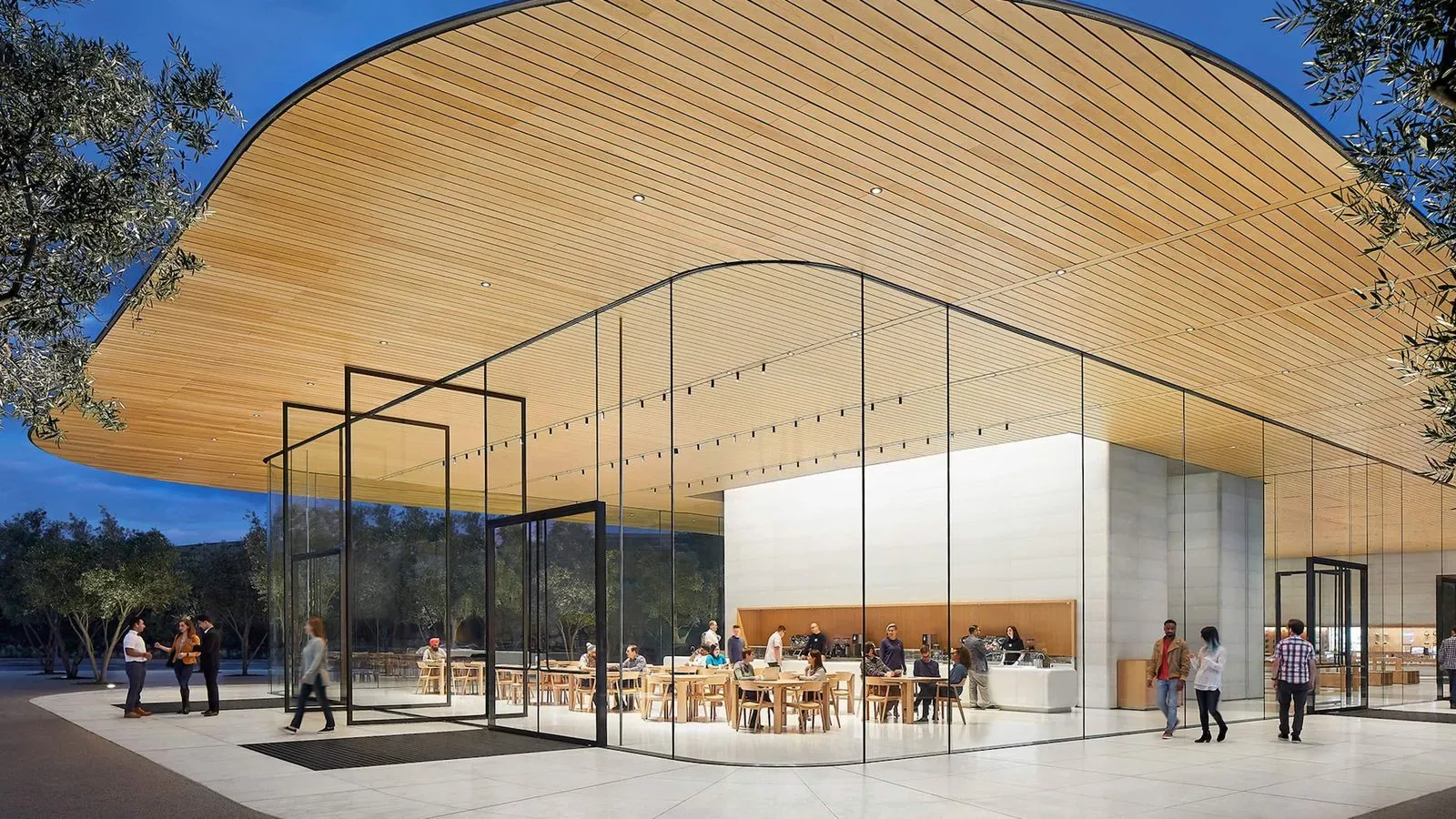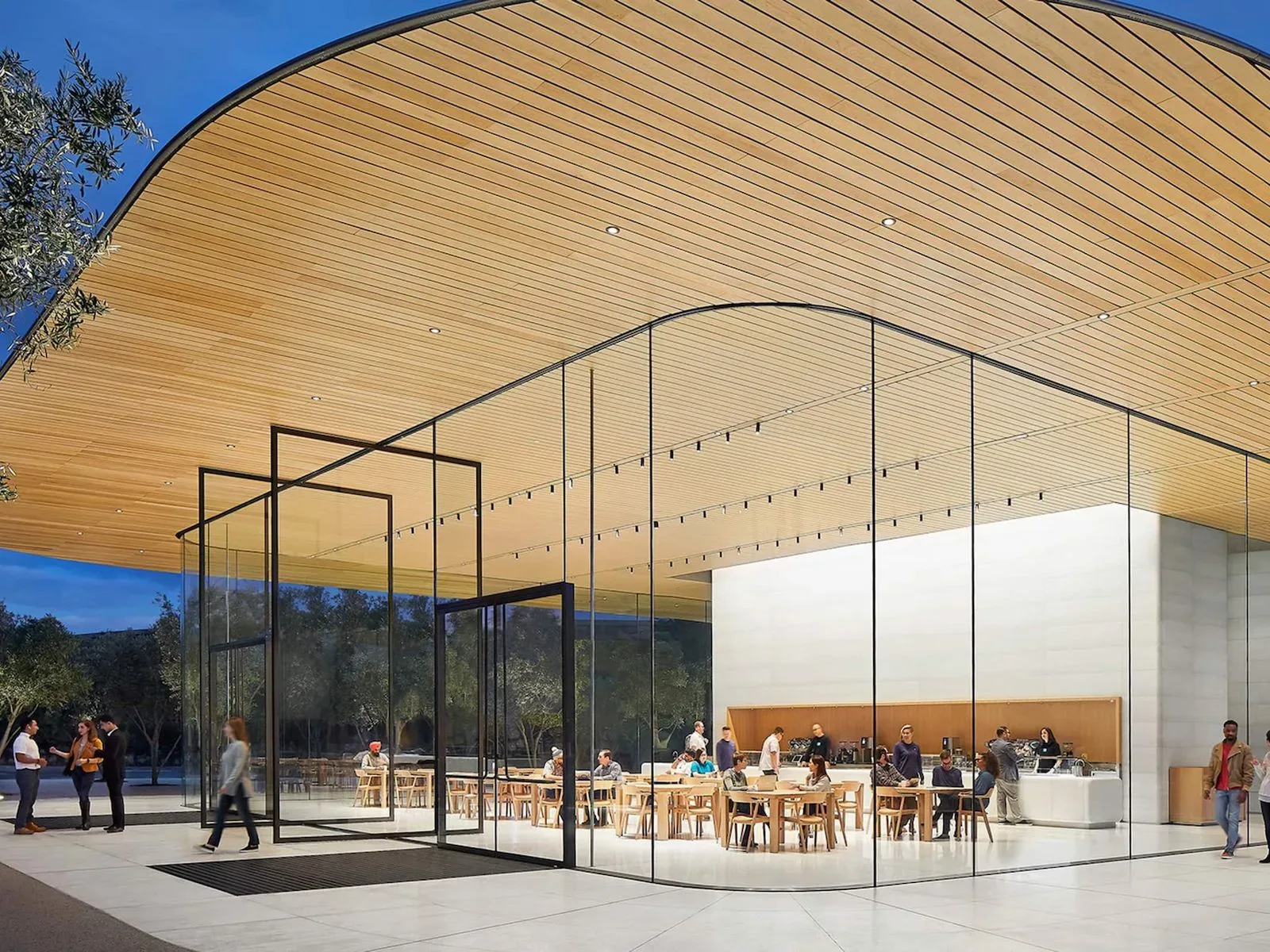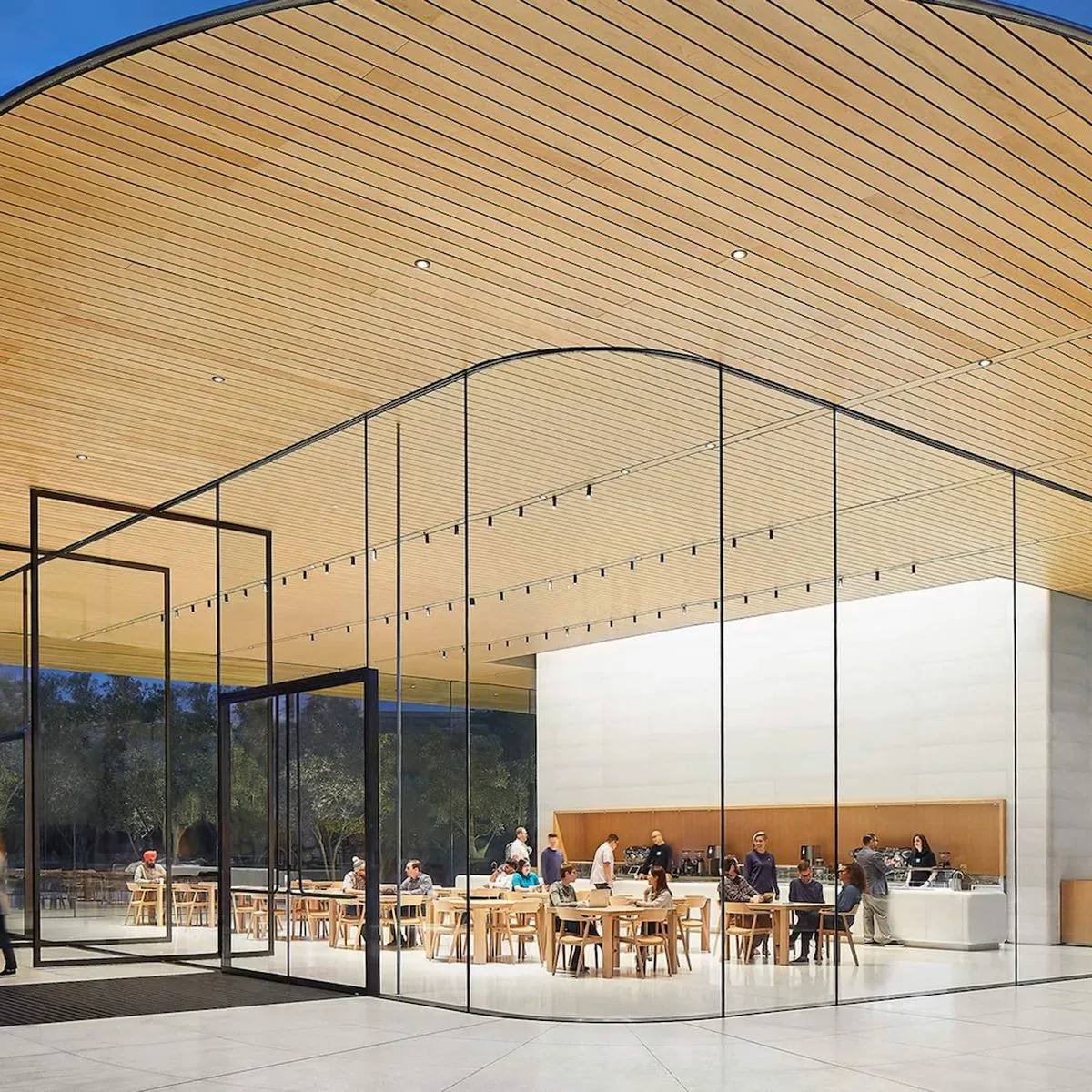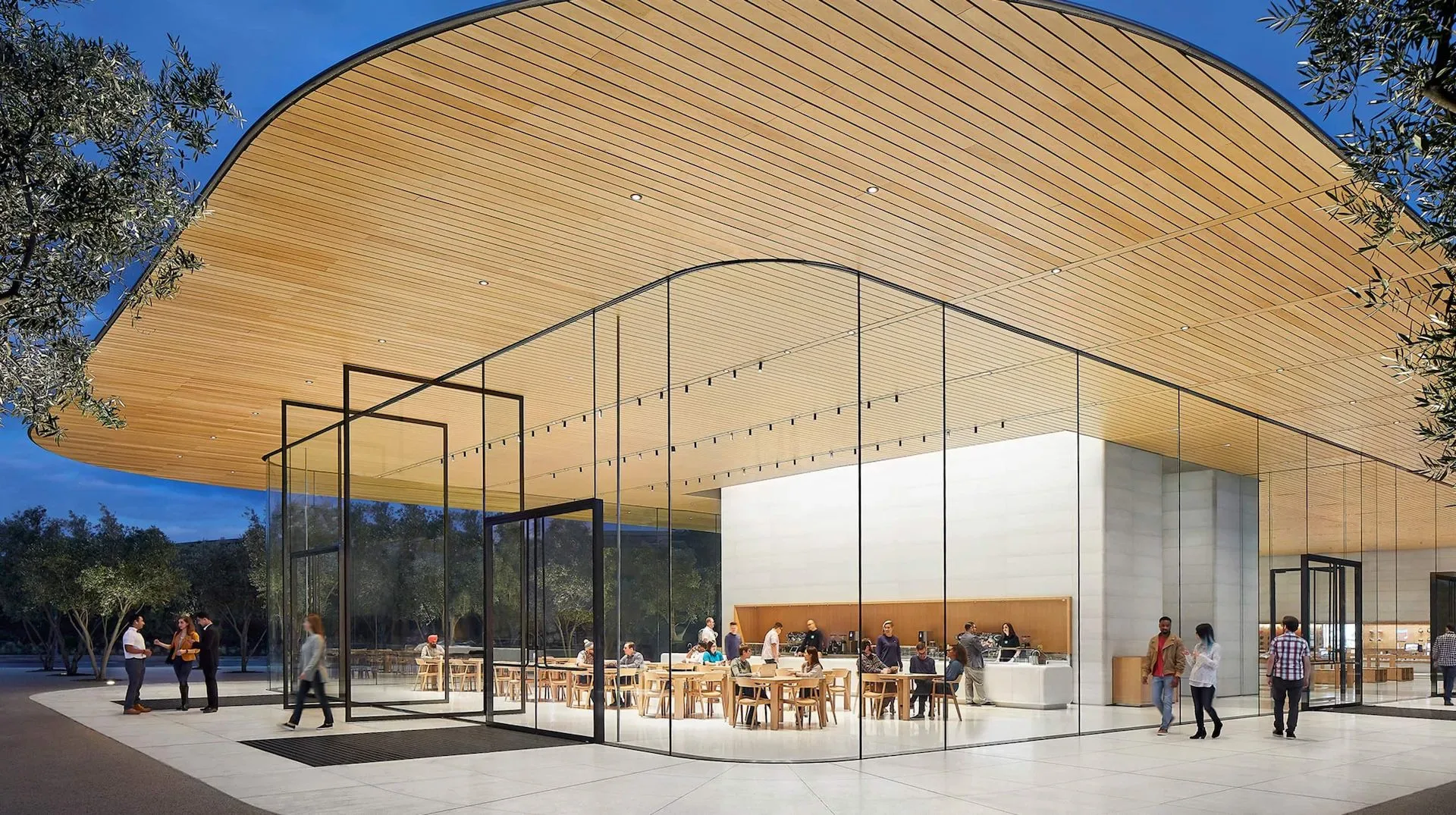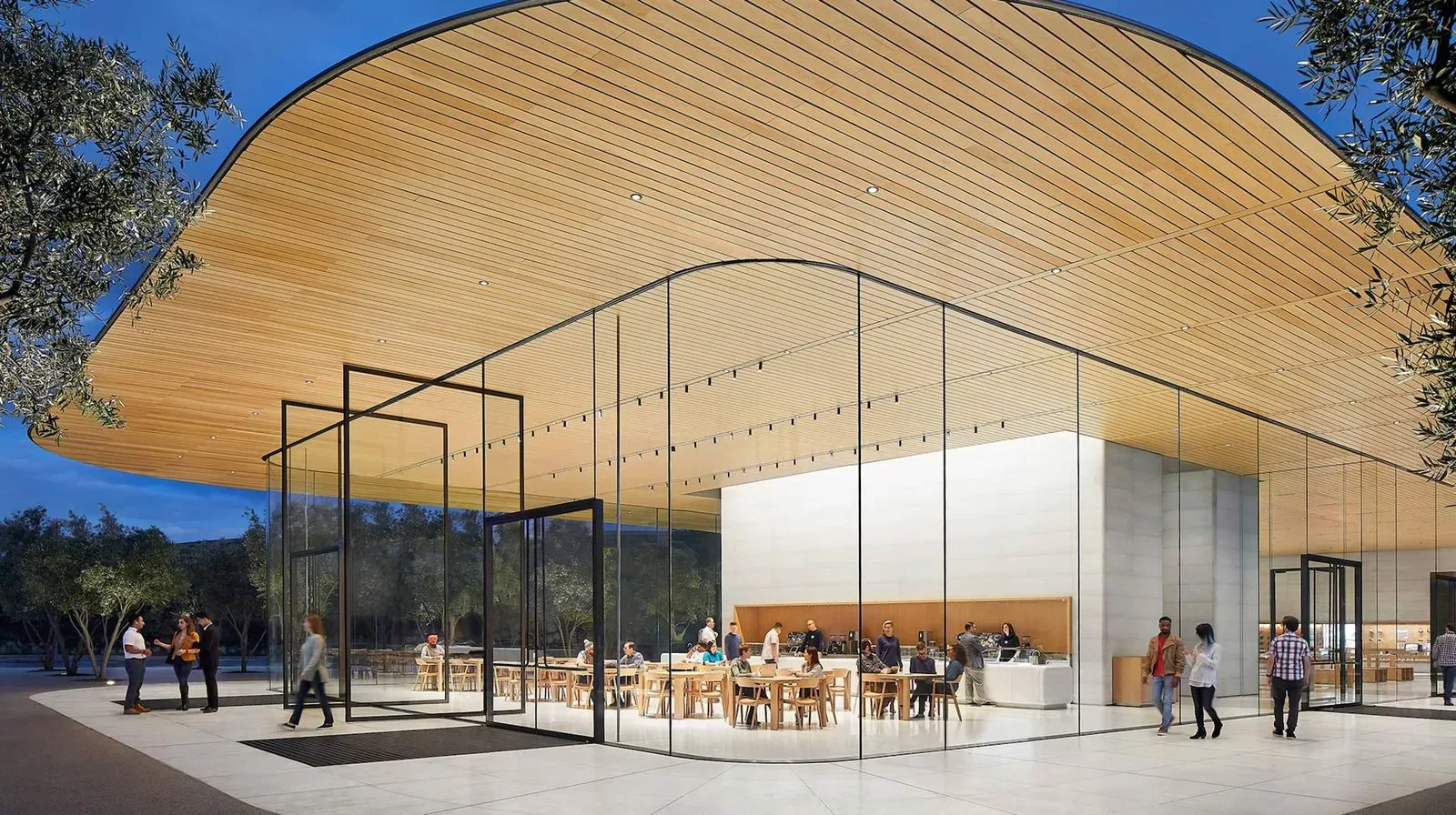
The Apple Park Visitor Center in Cupertino, California has retired one of its most distinctive attractions: the 3D augmented-reality model of the Apple Park campus. The model had been part of the Visitor Center since the location opened in 2017, but it is no longer present following a recently completed renovation.
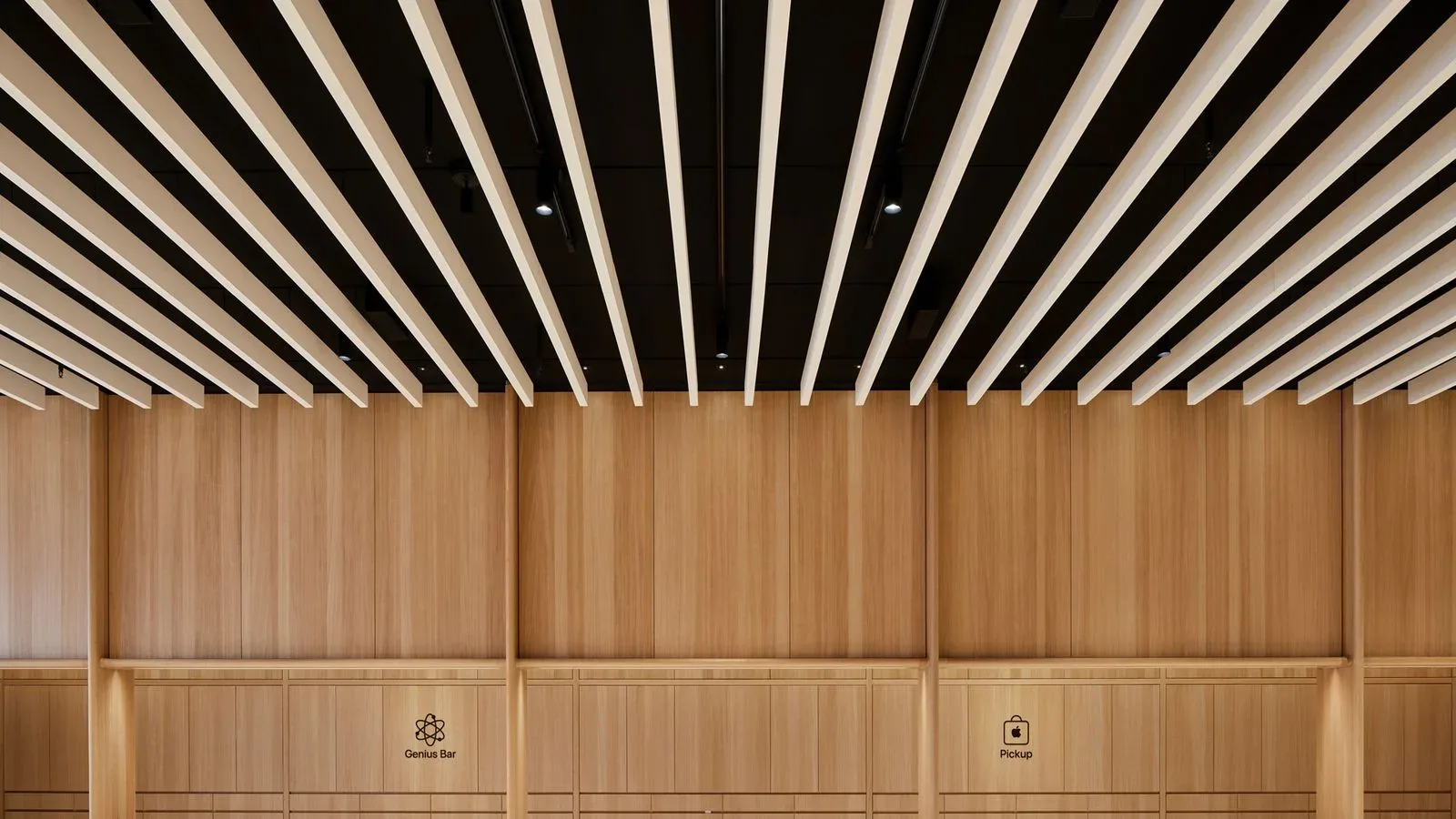
Its former home, identified as the Exhibition Space, has been reworked into a more product-oriented area. The remodeled space now includes wall-mounted shelves called “Avenues” and newly rounded tables intended for product displays. Renovation work began in July and has now concluded.
A visitor attraction gives way to product presentation
The change is simple in physical terms, but it meaningfully alters what visitors encounter. The campus model served as an exhibit: something to look at, explore, and use as a focal point for the architecture and scale of Apple Park. The replacement elements—shelving and display tables—are designed around products rather than a dedicated installation about the campus itself.
That does not necessarily mean the Visitor Center has stopped being a destination for people interested in Apple Park. It does mean the Exhibition Space is no longer centered on a permanent 3D representation of the campus. Visitors who had expected the model as part of the location’s experience should not assume it remains available after the remodel.
What changed:
- The 3D Apple Park model has been removed.
- The model’s area was known as the Exhibition Space.
- Wall-mounted “Avenues” now occupy part of the redesigned presentation.
- New rounder tables have been installed for product displays.
- The renovation began in July and was completed recently.
What augmented reality meant in this setting
Augmented reality, commonly shortened to AR, refers to digital information or imagery being placed over a person’s view of the real world. In the Visitor Center installation, the physical scale model was the real-world object, while the AR layer added an interactive digital component to the campus presentation.
That distinction matters. A conventional architectural model can communicate layout, shape, and relative scale on its own. An AR-enabled model adds another way to interpret the object, blending a tangible exhibit with digital visualization. The installation therefore sat somewhere between an architectural display and a technology demonstration—an appropriate combination for a visitor venue associated with a technology company.
With the model gone, the reported redesign shifts emphasis from that blended physical-and-digital exhibit toward conventional retail fixtures. “Avenues” and product tables are retail-display vocabulary: shelves and surfaces that organize devices or related merchandise for browsing. The source material does not specify which products are being displayed, how the floor plan has changed beyond the former Exhibition Space, or whether another AR experience will replace the campus model. Those details remain unknown.
Why the removal stands out
The model’s significance is tied to its longevity. It had been a fixture from the Visitor Center’s 2017 opening until this latest remodeling work. A long-running attraction can become part of the informal expectation surrounding a place, even if it is not the main reason every person visits. Removing it changes the character of the visit in a way that a new shelf or table, viewed alone, may not fully convey.
For architecture-minded visitors, the loss is especially notable because the model made the campus itself the subject of the room. For shoppers, the update may make the space feel more directly aligned with product browsing. Neither use is inherently better; they answer different needs. One invites visitors to spend time with a specific representation of Apple Park, while the other puts more visual attention on items being displayed.
Analysis: The available information supports a clear change in emphasis, not a broader claim about strategy. The remodel replaced an exhibit area with product-display infrastructure. It would be reasonable to describe that as a move toward a more retail-focused use of that particular space. It would not be justified to infer, from this change alone, why the company removed the model or what future visitor-experience plans may be.
A small reminder that tech spaces are not static
Visitor centers, showrooms, and stores often look permanent because their fixtures are polished and purpose-built. In practice, they can be revised as display priorities change. This renovation is a concrete example: a feature present since 2017 was removed, while the room around it gained different display hardware.
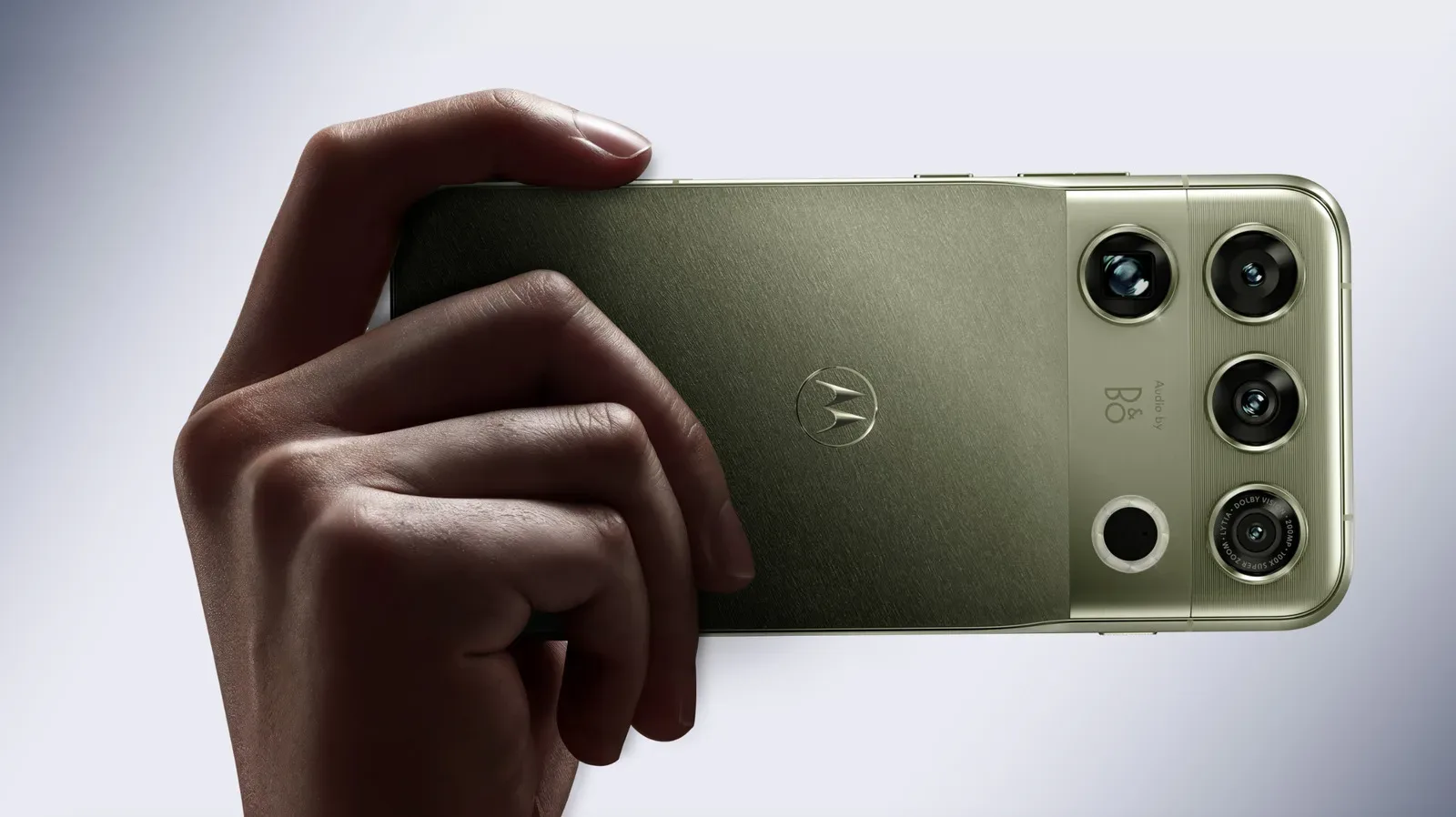
That is relevant beyond Apple Park. Consumer-technology presentation is often shaped by physical space as much as by the devices on the tables. A retail setting can frame a product as an object to compare, a device to try, or part of a broader ecosystem. The same basic dynamic is visible in coverage of new mobile hardware, such as the Motorola Signature 27 and its 200MP telephoto upgrade: specifications matter, but the way a device is introduced and displayed also shapes how people encounter it.
At Apple Park, the former model was itself part of that presentation language. It connected a physical miniature of the campus to an AR interaction. The updated room instead foregrounds shelves and tables, two familiar tools for presenting hardware. The result is not just a subtraction of an attraction; it is a change from campus storytelling to product display within the Exhibition Space.
Practical implications for prospective visitors
Anyone planning a visit specifically to see the AR model should update their expectations. The reported remodel is complete, and the installation is no longer a feature of the Visitor Center. People visiting for the retail space or the setting may find the new Avenues and rounder product-display tables instead.
There are also important limits to what has been established. There is no stated indication that the 3D model has been moved elsewhere, preserved for a future exhibit, or permanently disposed of. There is likewise no provided explanation for the decision, no described replacement interactive attraction, and no detail about whether the revised product area changes the wider Visitor Center experience beyond the former Exhibition Space.
For now, the confirmed picture is narrow but notable: after roughly the span from the Visitor Center’s 2017 opening to the recent completion of renovations, its 3D AR Apple Park model has been removed. In its place is a redesigned area built around Avenues shelving and rounder product tables.