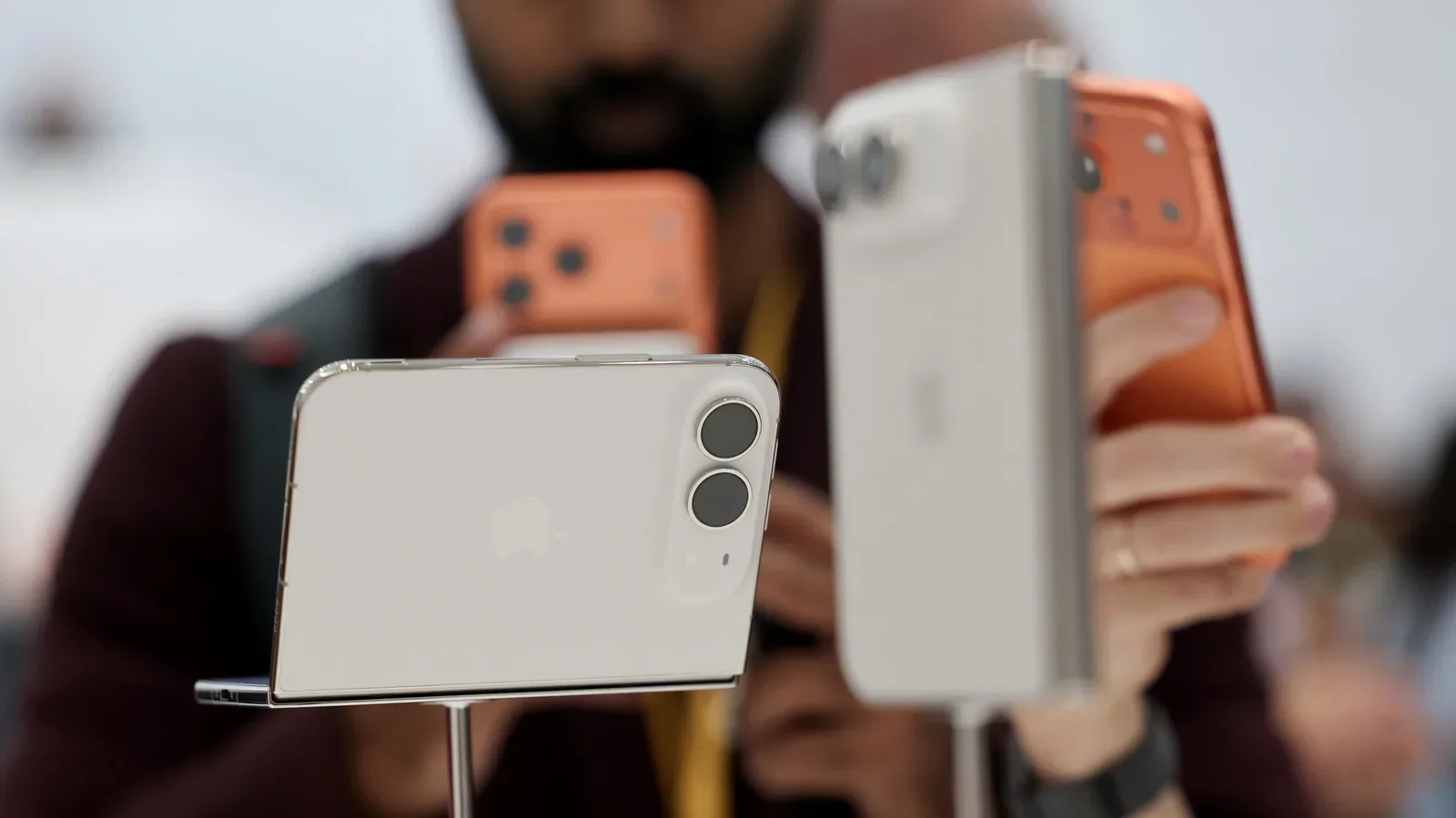
Apple is asking some iPhone Duo owners for unusually direct feedback on the trade-offs that come with its first foldable phone. An email survey sent to a portion of buyers focuses on the device’s closed-screen size, the visibility of its display crease, its under-display camera, and the quality of images from that camera.
The questionnaire also starts at a useful place: motivation. Buyers can select reasons including wanting to try Apple’s first foldable, making an impulse purchase, or expecting smartphone prices to rise. That framing matters because the iPhone Duo is not merely another standard slab-shaped iPhone with an annual camera revision. It is a product category change, and the survey’s questions suggest Apple is trying to learn which compromises owners consider acceptable in exchange for a foldable design.
The survey focuses on the visible hardware compromises
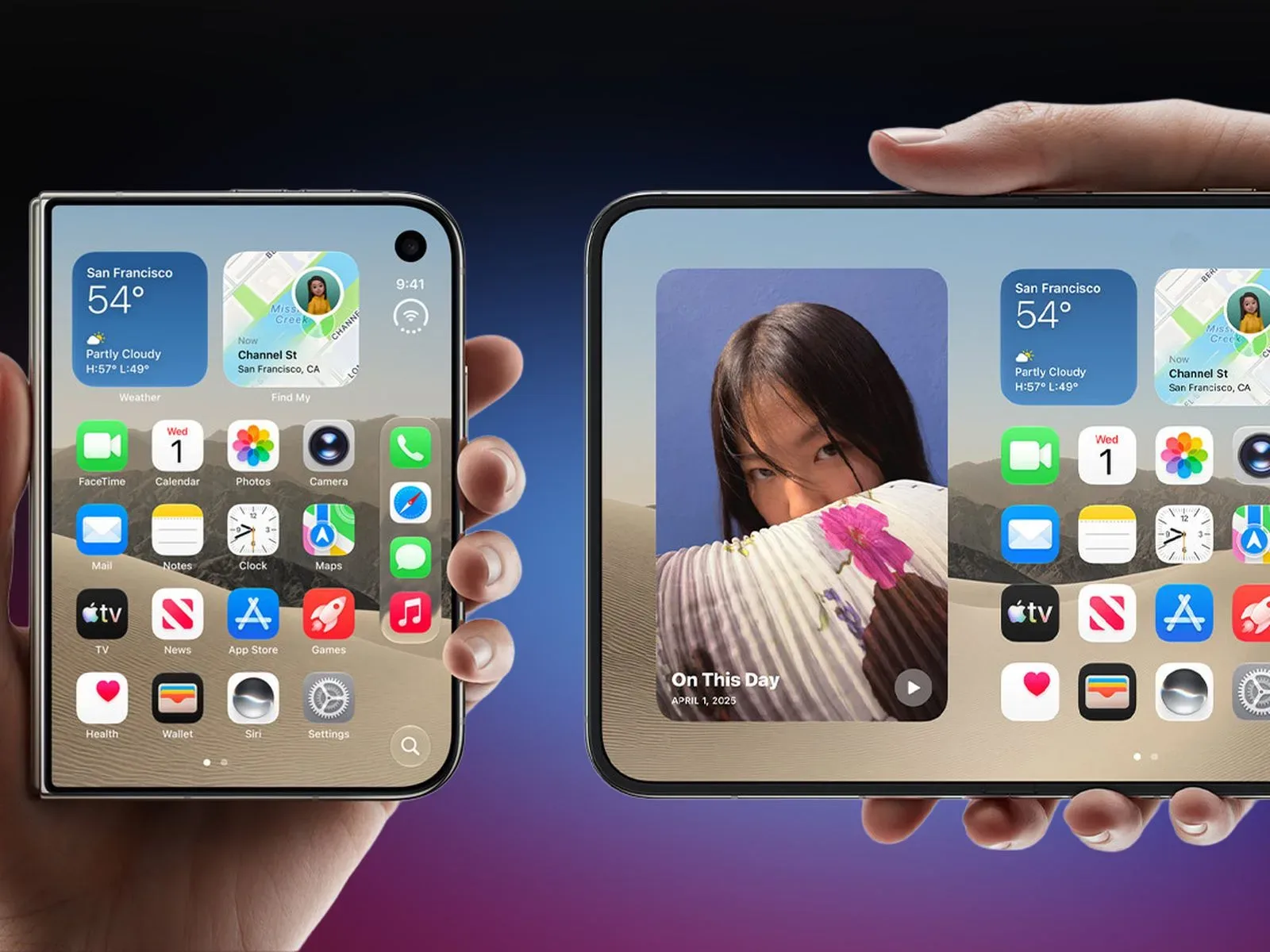
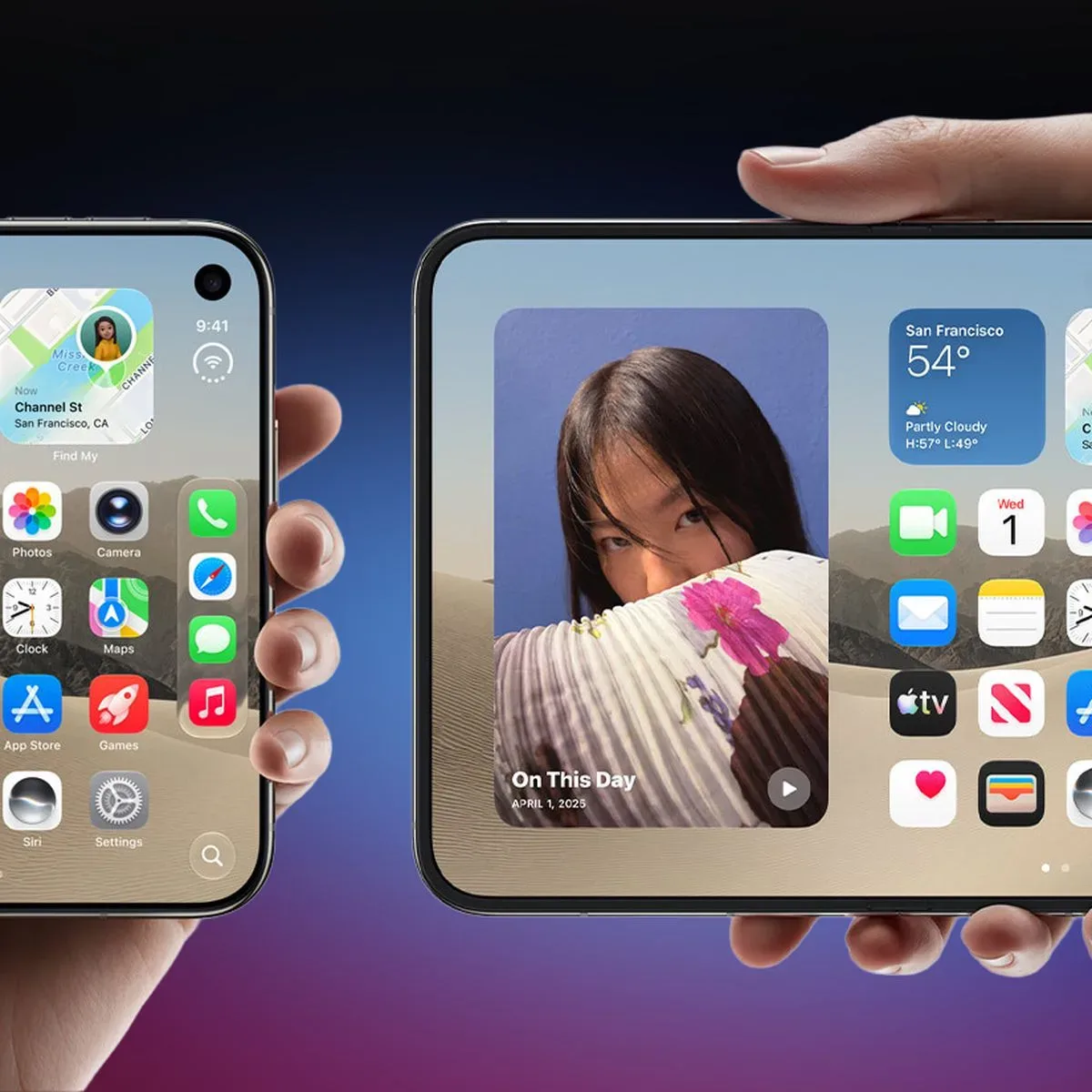
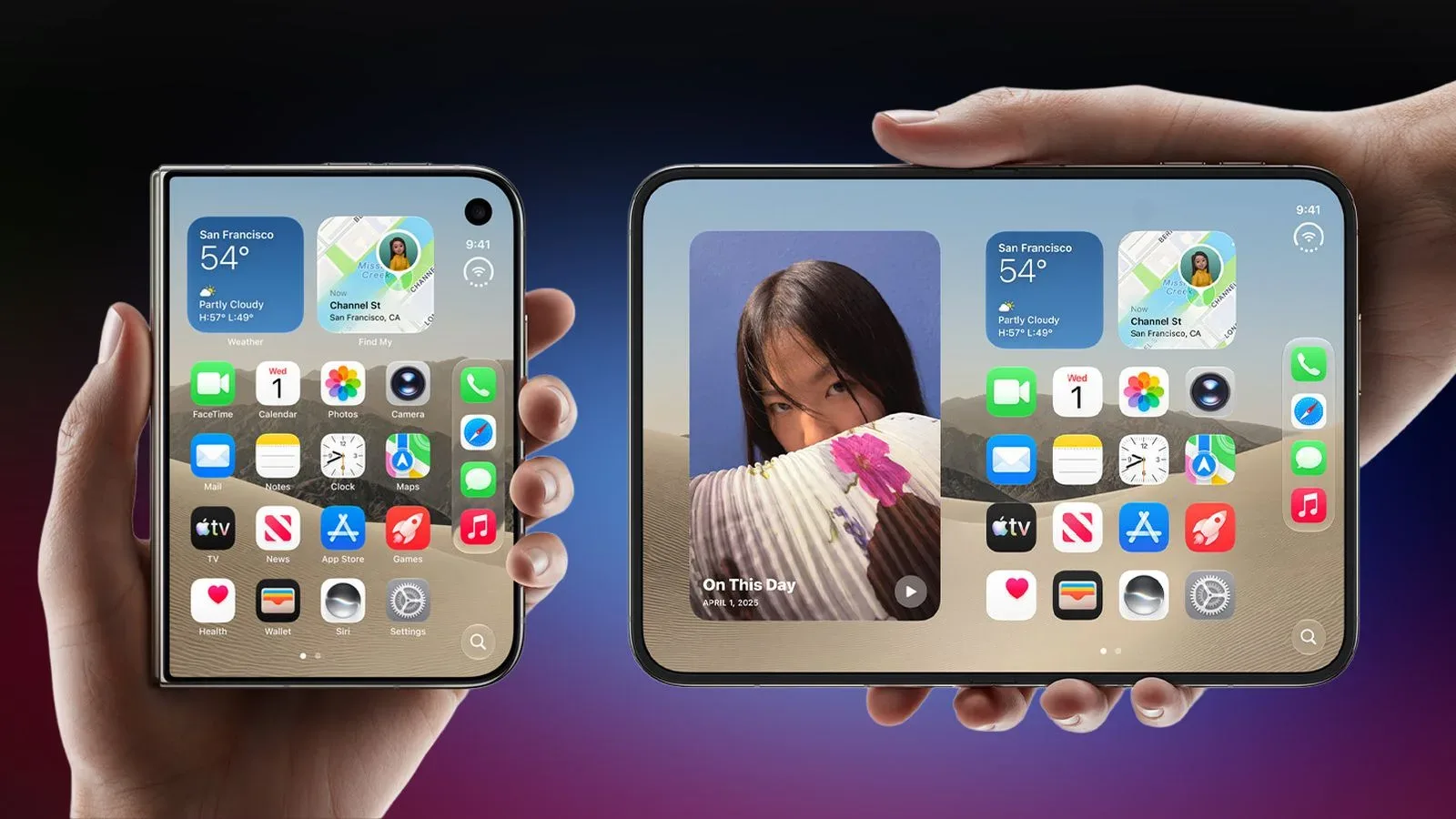
Foldables ask a device to do two different jobs. Closed, the iPhone Duo is meant to be a phone that can be handled in a compact form. Open, it presents a larger display. The hinge and flexible internal screen are what enable that transformation, but they also create design constraints that do not apply to a conventional flat-screen phone.
Apple’s questions concentrate on precisely those constraints. Owners are asked how they feel about the outer display’s size when the phone is closed, how noticeable the inner display’s crease is, whether the under-display camera is distracting, and how that camera performs. The final prompt is open-ended, inviting respondents to say what they would add or change.
That is a more valuable format than a simple satisfaction score. A rating can indicate that an owner is unhappy; an open response can reveal whether the problem is a small daily annoyance, a fundamental reason not to buy another foldable, or a feature the owner would happily trade for a different benefit. It can also surface issues that a fixed list of questions did not anticipate.
What a display crease means in everyday use
A crease is the line or indentation associated with the part of a flexible screen that bends when the device closes. Its importance is subjective. Some people may mostly notice it at certain angles, while others may find it persistent during reading, video viewing, scrolling, or gaming. Asking specifically about visibility indicates Apple is interested in the experience of looking at the screen, not solely whether the hinge opens and shuts.
The survey does not establish that the crease has changed, nor does it promise a redesign. It is feedback collection, not a product roadmap. Still, crease visibility is one of the clearest ways a foldable can feel different from a standard phone, so it is unsurprising that Apple wants owners to describe the trade-off in their own terms.
A 5.4-inch cover display brings a familiar size reference
The iPhone Duo’s outer display measures 5.4 inches. That places it roughly in line with the discontinued iPhone mini models, providing a straightforward reference point for people who remember Apple’s smaller phones. A compact closed display can make a foldable easier to carry and operate one-handed, but it may also make certain tasks feel more constrained before the device is unfolded.
Apple’s survey asks directly about that closed-screen size rather than treating it as an incidental specification. That distinction is meaningful. The cover display is not just there to show notifications; it is the screen owners encounter each time they use the Duo while it is folded. Satisfaction with that screen can shape whether unfolding feels like an optional expansion for larger tasks or a frequent requirement for basic phone use.
The practical question for owners is therefore not simply whether 5.4 inches sounds small or large on paper. It is whether that form works for the person’s routine. Someone who prefers a pocketable phone may see compactness as a major advantage. Someone who expects to do most tasks without unfolding may judge the same dimension much more harshly. Apple’s answers could help identify which expectations are most common among actual buyers.
The under-display camera is under particular scrutiny
The Duo’s inner under-screen camera is limited to 4MP, and its image quality was among the main criticisms raised in reviews. Apple’s survey separates two related but distinct questions: whether the camera is visually distracting and how well its photos look.
An under-display camera sits beneath the screen rather than appearing through a traditional visible cutout. The appeal is easy to understand: it allows the larger internal display to avoid a prominent camera opening. But that approach can present a trade-off between a more uninterrupted screen surface and camera performance. The iPhone Duo questionnaire appears designed to find out whether buyers feel that balance is worthwhile.
Those are not interchangeable concerns. A buyer might accept weaker image quality if the camera becomes less noticeable while watching video or using the expanded display. Another might barely notice the camera during ordinary use but consider image quality unacceptable for calls, photos, or other camera-dependent tasks. By asking about distraction and output separately, Apple can distinguish between dissatisfaction with the camera’s presence and dissatisfaction with its results.
This is especially relevant for people who use their phone as a portable entertainment and game device. A larger unfolded display has obvious appeal for touch-based games, video, web use, and streaming, while a camera visible through or under the screen can affect the sense that the display is one continuous canvas. Separately, a camera’s limitations can matter to anyone relying on it for visual communication. Neither use case automatically outweighs the other; the survey is a chance for owners to say which compromise they actually feel.
Apple remains involved in games through products and services such as Apple Arcade’s expanding game lineup, but the survey itself does not ask iPhone Duo buyers about gaming performance or game-specific use. It would be a mistake to read those questions into the questionnaire. The documented focus is hardware experience: screen size, crease visibility, camera distraction, and camera image quality.
What Apple did not ask is also notable
The survey does not include questions about several complaints that have been associated with the iPhone Duo: Touch ID, the experience of using apps that have not been optimized for the foldable form factor, and display cracks reported by some users.
That omission should not be treated as proof that Apple is ignoring any of those concerns. Surveys are limited instruments, and no single questionnaire can cover every aspect of a product. It does, however, set boundaries around what this particular outreach is attempting to measure. The company is seeking responses on a defined group of design choices rather than conducting a comprehensive public accounting of every reported issue.
App optimization in this context refers to software being adapted to make effective use of the Duo’s distinct display states and larger internal screen. A foldable can alter the available space and shape of an app’s interface when opened. If an app is not built to accommodate that change well, the expanded display may not deliver the advantage a buyer expects. Because the survey does not ask about unoptimized apps, respondents who see that as their biggest issue would need to raise it through the final open-ended response, if they choose to do so.
Likewise, Touch ID and reports of display cracks are absent from the listed questions. The lack of a direct prompt makes the open-ended final question more significant: it is the survey’s clearest route for respondents to elevate an issue outside Apple’s preset topics. Whether Apple will act on any individual response, or what changes may result from the broader feedback, is unknown.
Why buyer motivation is an important part of the data
The first question may be the survey’s most revealing one. Asking why someone bought the Duo now creates context for every later answer. An owner who bought the phone specifically to experience Apple’s first foldable may be more tolerant of first-generation compromises. An impulse buyer may have entered with different expectations. A person concerned about increasing smartphone prices may have been motivated by timing rather than by enthusiasm for folding hardware itself.
Those distinctions can help explain conflicting feedback. For example, two people can both describe the outer screen as too small, yet one may still consider the overall device a success because compactness was an intended benefit. The other may feel misled because they expected a conventional phone experience when closed. Raw satisfaction totals do not capture that difference nearly as well as motivation paired with open-ended comments.
For potential buyers, the practical lesson is to consider these same questions before treating a foldable as a straightforward upgrade. How often will the device be used closed? Is the larger internal display the central reason for buying it? Is a visible crease likely to be a minor cosmetic issue or a recurring annoyance? How important is inner-camera image quality? The iPhone Duo survey does not answer those questions for every user, but it identifies the areas most likely to define ownership experience.
Feedback, not a promise of a revised Duo
There is no indication in the survey that Apple has committed to change the iPhone Duo’s 5.4-inch outer display, crease, or 4MP under-screen camera. Customer surveys are evidence gathering. They can inform future priorities, but they do not announce a timeline, a replacement product, or a fix.
Even so, the choice of questions is useful because it puts the first foldable’s trade-offs in plain view. The Duo offers a compact 5.4-inch screen when closed and a larger flexible display when opened. In return, owners must assess details conventional iPhone buyers rarely need to weigh as closely: a crease, an under-display camera, and how the phone fits into two distinct physical modes.
Apple is now asking some of those owners to say where that balance lands. Their answers may clarify whether the defining issue is size, visual polish, image quality, or something not covered by the multiple-choice prompts at all.