Apple’s next smart-home move may be bigger than a refreshed speaker or a new box beneath the television. A reported collaboration with LG Electronics points to a wider ecosystem that could eventually cover the front door, climate controls and home security: a smart doorbell, smart thermostat, smart deadbolt, indoor and outdoor security cameras, and a floodlight camera.
The important wrinkle is branding. The reported accessories would not carry Apple branding. LG would sell them under its own name, while also handling manufacturing and product support. Apple is reportedly developing the hub around which that collection would revolve, with a revised HomePod Mini and an updated TV set-top box also potentially part of the broader initiative.
None of that is official at this stage. The device list has been linked to LG regulatory filings, and the timing and final product details remain uncertain. The hardware is reportedly expected to be shown next week, but the LG accessories may not reach buyers for at least several more months. That distinction matters: a presentation can establish a platform’s direction without meaning every piece of the proposed system is ready to install.
What is reportedly on the table
The reported LG range would cover several of the most visible categories in a connected home:
- Smart doorbell: a connected device for a home entrance, generally associated with visitor alerts and door monitoring.
- Smart deadbolt lock: a connected lock intended to make entry control part of the same household setup.
- Smart thermostat: a networked temperature-control device.
- Indoor and outdoor security cameras: cameras designed for different home placements and monitoring needs.
- Floodlight camera: an outdoor camera combined with a floodlight.
Individually, these are familiar product categories. Taken together, they suggest an attempt to make a hub meaningful by giving it a practical role across the house. A smart-home hub is the organizing device or service that brings connected accessories into one control environment. Instead of treating a lock, camera and thermostat as separate purchases with separate routines, the promise is coordinated access through a common system.
That promise is also the difficult part. Hardware categories may be easy to list, but a connected-home lineup is judged by whether its devices remain clear to manage, dependable in daily use and appropriately supported after installation. The report assigns manufacturing and support duties to LG, which would make LG—not Apple—the most direct point of contact for owners of these particular accessories.
Why the LG name is more than a logo choice
LG is better known for appliances and larger consumer electronics than for a standalone portfolio of smart-home accessories. Entering doorbells, locks, thermostats and dedicated cameras would therefore represent a notable shift in the company’s apparent product scope.
At the same time, the companies are not strangers. LG has previously offered Apple software through its smart TVs, served as a third-party monitor option within the MacBook ecosystem, and produces panels for Apple’s Studio Display and Studio Display XDR monitors. Those existing connections do not confirm how the reported smart-home devices will work or what their specifications will be. They do, however, provide a concrete backdrop for a partnership in which one company provides a platform focus while the other takes responsibility for producing and supporting accessories.
For Apple, a partner-led accessory strategy could allow a smart-home system to expand beyond a narrow set of Apple-branded devices. For LG, it could put its products at the center of a new connected-home push while leaving Apple to concentrate its own branding on the hub and other core devices. That is analysis rather than a confirmed strategy, but it follows directly from the reported division of responsibilities.
The hub is the key piece, even with few details available
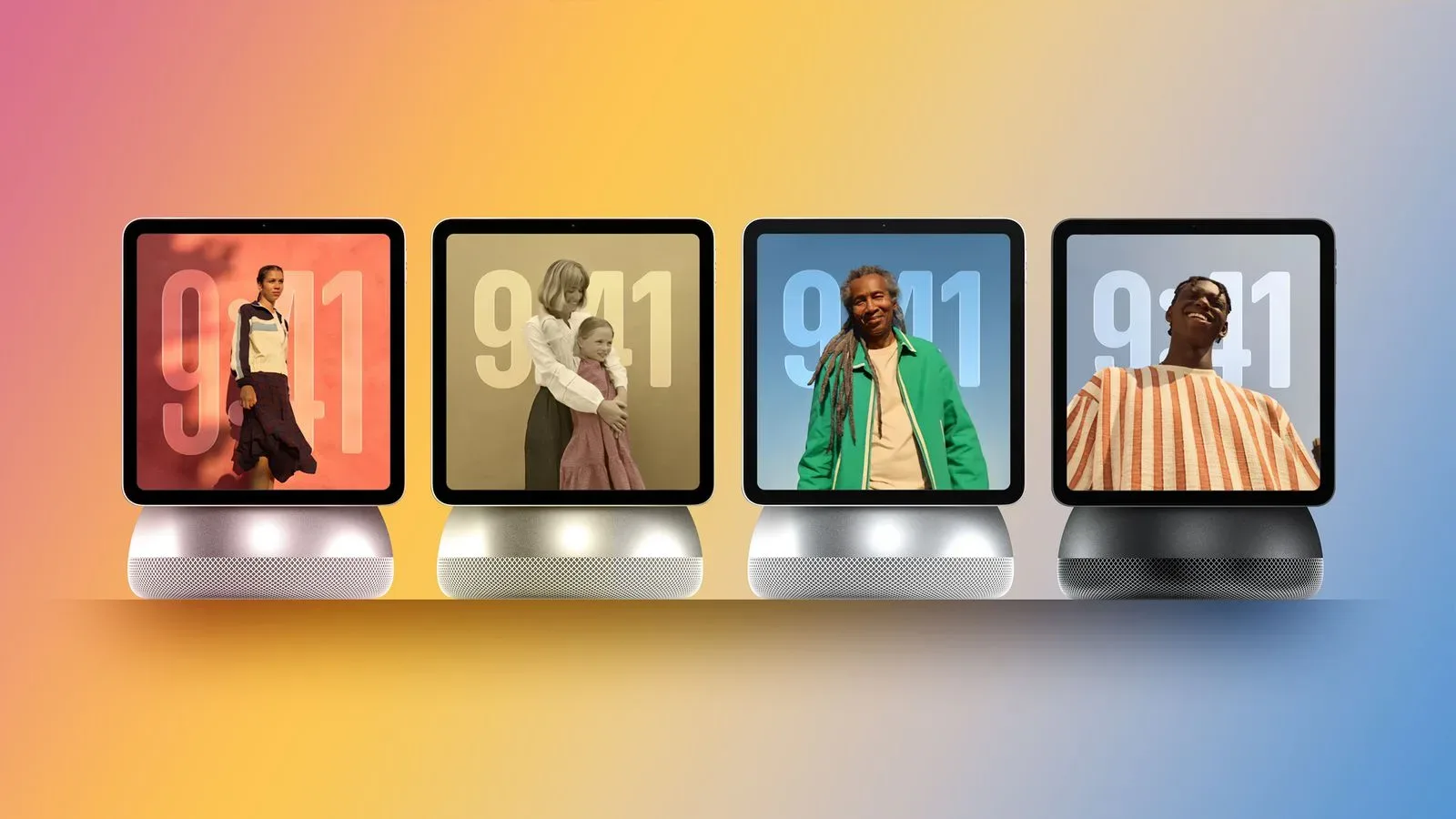
The proposed lineup reportedly centers on an Apple hub that has been in development for several years. No specifications, interface details, compatibility list or price have been provided. It is therefore too early to assume that it will function in a particular way or that every LG product named in reports will launch alongside it.
Still, a hub is the logical connective tissue in a lineup spanning entry access, video monitoring and temperature management. A doorbell becomes more useful when alerts can live alongside camera views. A deadbolt becomes part of a larger system when household access is managed in the same place as other devices. A thermostat belongs in the same conversation when home status and controls are grouped rather than scattered across unrelated products.
The reported possibility of a revamped HomePod Mini and TV set-top box reinforces the suggestion that Apple is pursuing a connected system rather than a one-off device. But “may be coming” is not confirmation. Readers should separate the relatively specific categories associated with the LG filings from the less-defined reports of Apple hardware updates.
A practical distinction: ecosystem versus product list
A product list says what can be bought. An ecosystem explains how products operate together and who maintains the experience when something goes wrong. The available reporting supports the first part more strongly than the second. It identifies possible categories and the reported manufacturing/support split, but does not establish setup requirements, app behavior, feature parity, subscription terms, security policies, interoperability or regional availability.
Those unknowns are especially important for security-adjacent devices. A lock or camera is not evaluated only on industrial design; people will need to know who provides help, how the device is updated and what controls are available. The report says LG would be responsible for product support, which is useful clarity, but it does not spell out the practical support process.
What potential buyers should watch for
There is no reason to make a purchase decision from a reported product slate alone. If an announcement arrives, the most useful information will be the details that turn broad categories into actual products. Shoppers considering a future smart-home setup should look for clear answers in several areas:
- Release timing: Apple-branded hardware is reportedly expected sooner, while LG accessories may be months away. A staged release can affect whether early adopters have a complete setup on day one.
- Support ownership: LG is reportedly set to manufacture and support the accessories. Buyers should identify which company handles device-specific service before assuming one brand covers the entire system.
- Compatibility: The report does not provide a complete compatibility matrix. Confirmation of which devices work together will matter more than the number of categories announced.
- Installation needs: Doorbells, locks, thermostats and outdoor cameras can involve very different home requirements. No installation guidance has been disclosed, so assumptions would be premature.
- Network expectations: Connected accessories rely on a home network. For a useful grounding on local wired connections, see why most gaming setups need only one Ethernet port; the networking principles do not reveal specifications for these unannounced products, but they underline why a stable home connection is a practical consideration for connected gear.
That last point deserves restraint. The report does not say whether any of the proposed devices use Ethernet, Wi-Fi, another wireless approach, or a particular standard. It would be inaccurate to assign technologies that have not been disclosed. The useful takeaway is simply that smart-home products are dependent on the wider home setup, and the final technical details will determine what that means in practice.
What has not been confirmed
The report does not establish final names, designs, prices, exact specifications, feature sets or release dates for the doorbell, thermostat, lock, cameras or floodlight camera. It also does not confirm that all products will appear at once, nor does it explain the exact relationship among a possible hub, a refreshed HomePod Mini and an updated TV box.
Likewise, the report does not say how Apple and LG will market the experience beyond the division in which LG sells, manufactures and supports the accessories under its own banner. That makes it sensible to treat the story as a strong indicator of direction, not as a finalized shopping list.
If the reported lineup materializes, its clearest significance will be scope. Apple’s smart-home effort would no longer be framed solely around a speaker or television device; it would have a path toward the devices people encounter at the door, on the wall and around the outside of the home. LG, meanwhile, would gain a more explicit role in those smart-home categories while continuing a business relationship that already includes televisions and monitor panels connected to Apple’s broader hardware world.
For now, the calendar is as important as the product names. A prospective unveiling next week could clarify Apple’s hub ambitions quickly. The LG devices, even if presented alongside that direction, are reportedly farther out. Until official details arrive, the most accurate view is that a potentially substantial Apple-LG smart-home partnership is in development, with the accessories likely to carry LG branding and the practical specifics still waiting to be filled in.