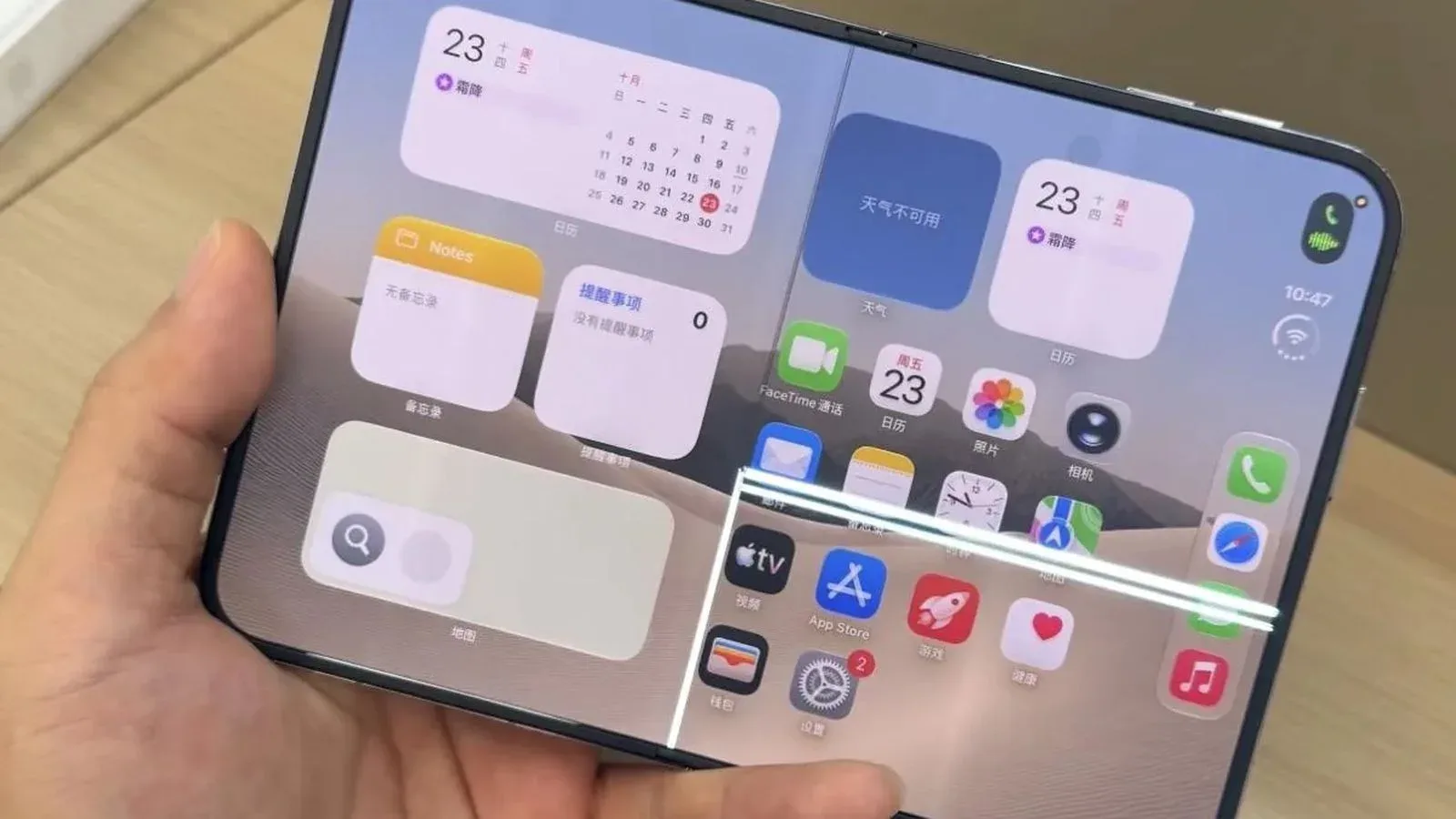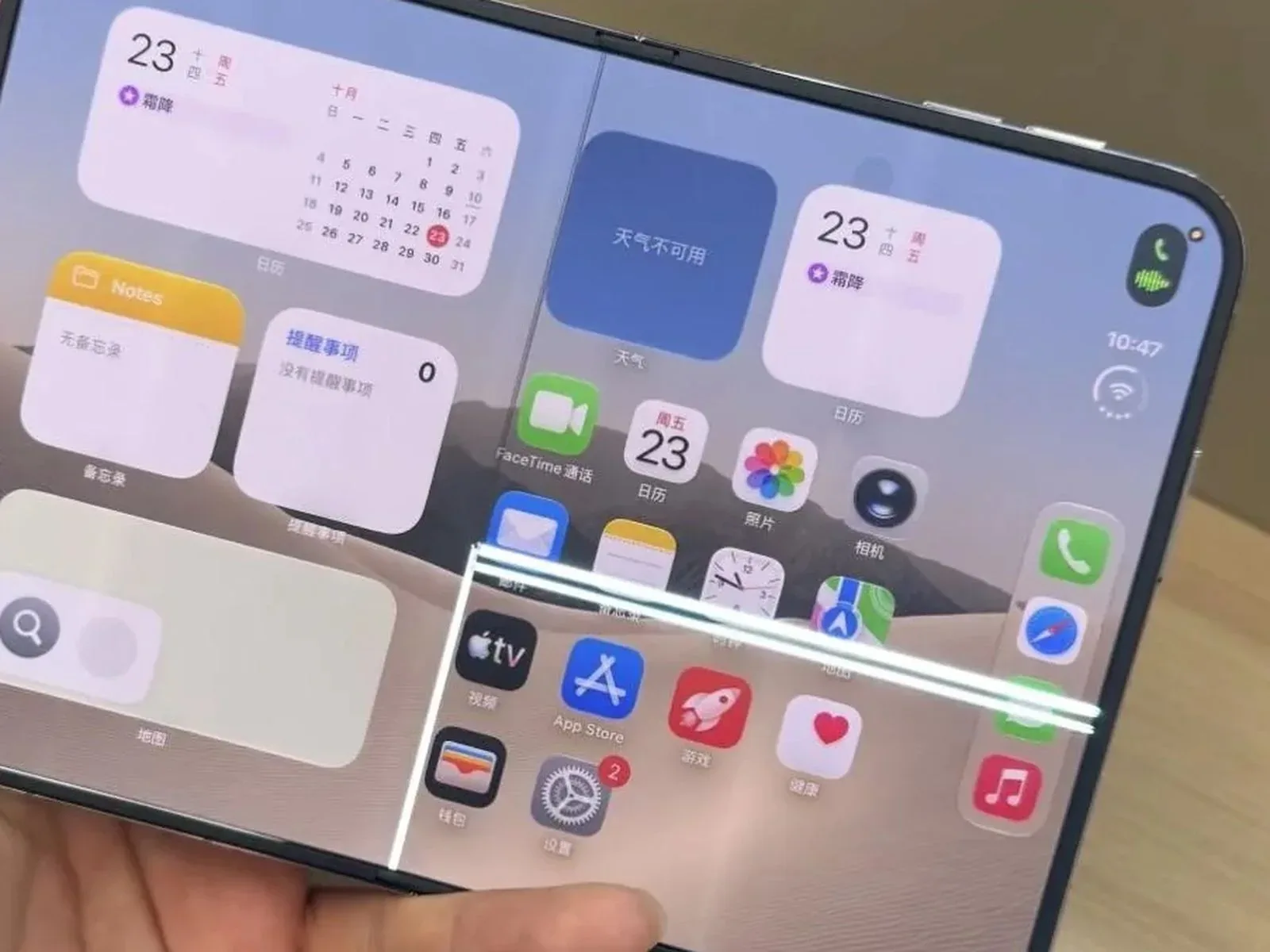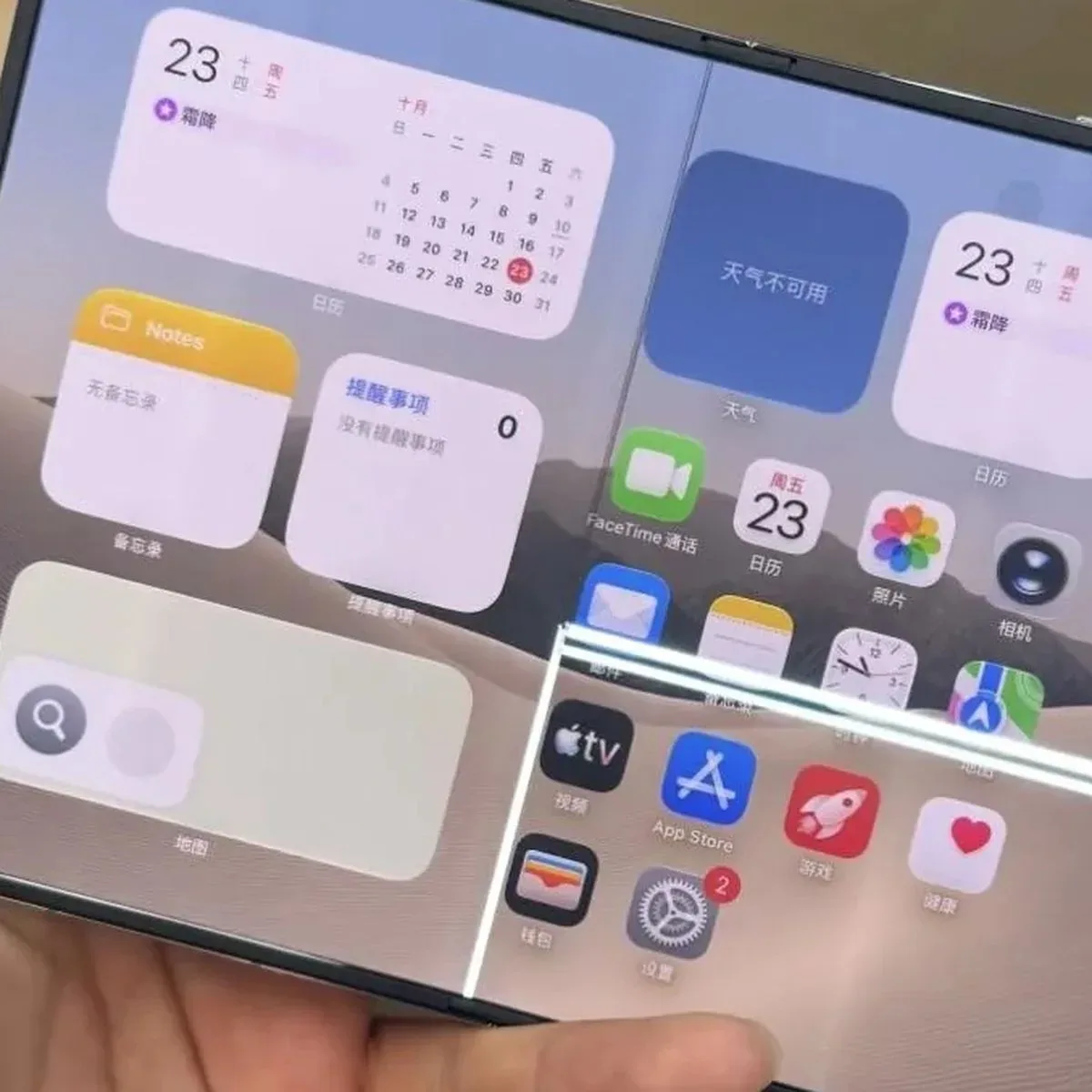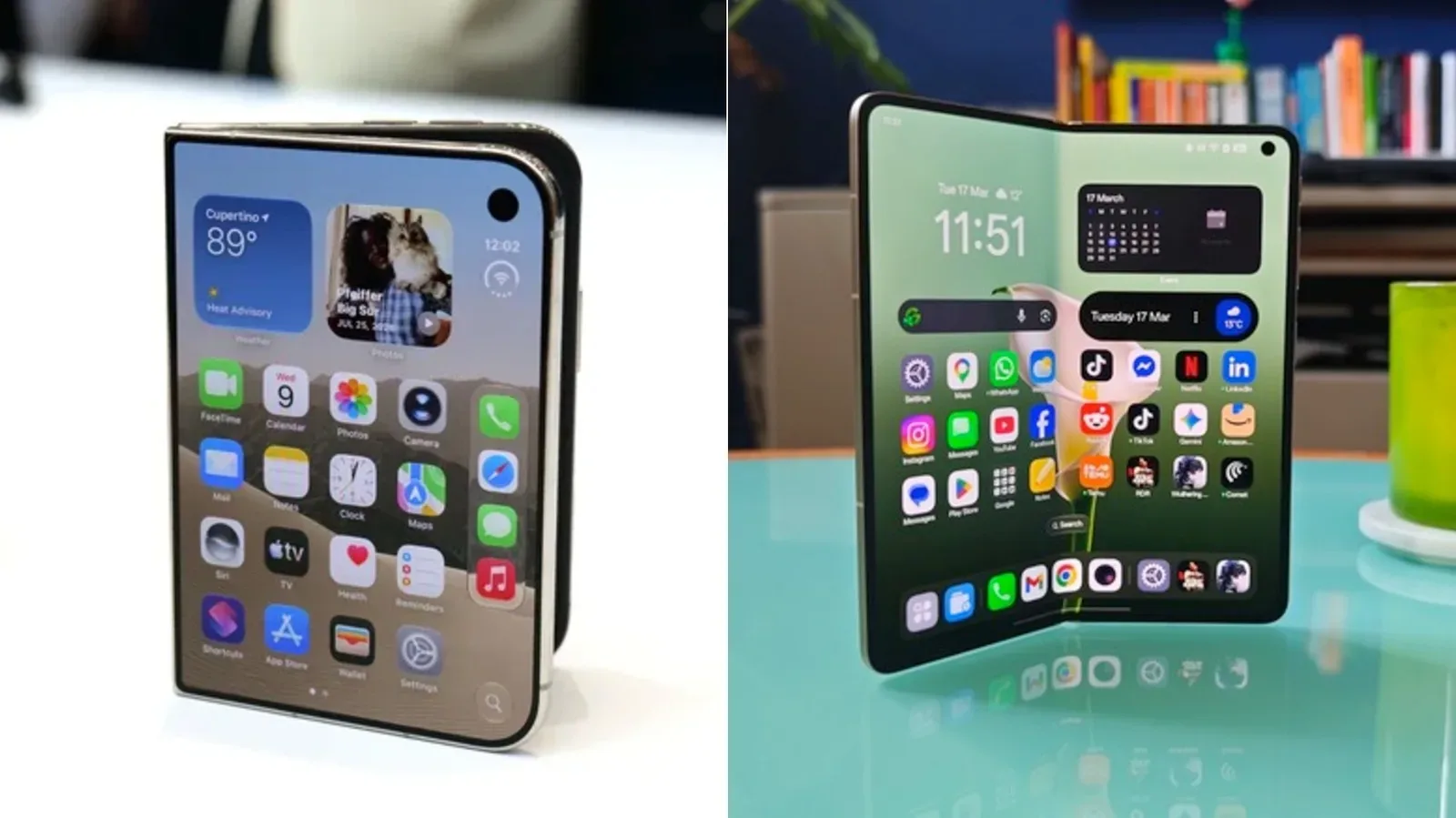
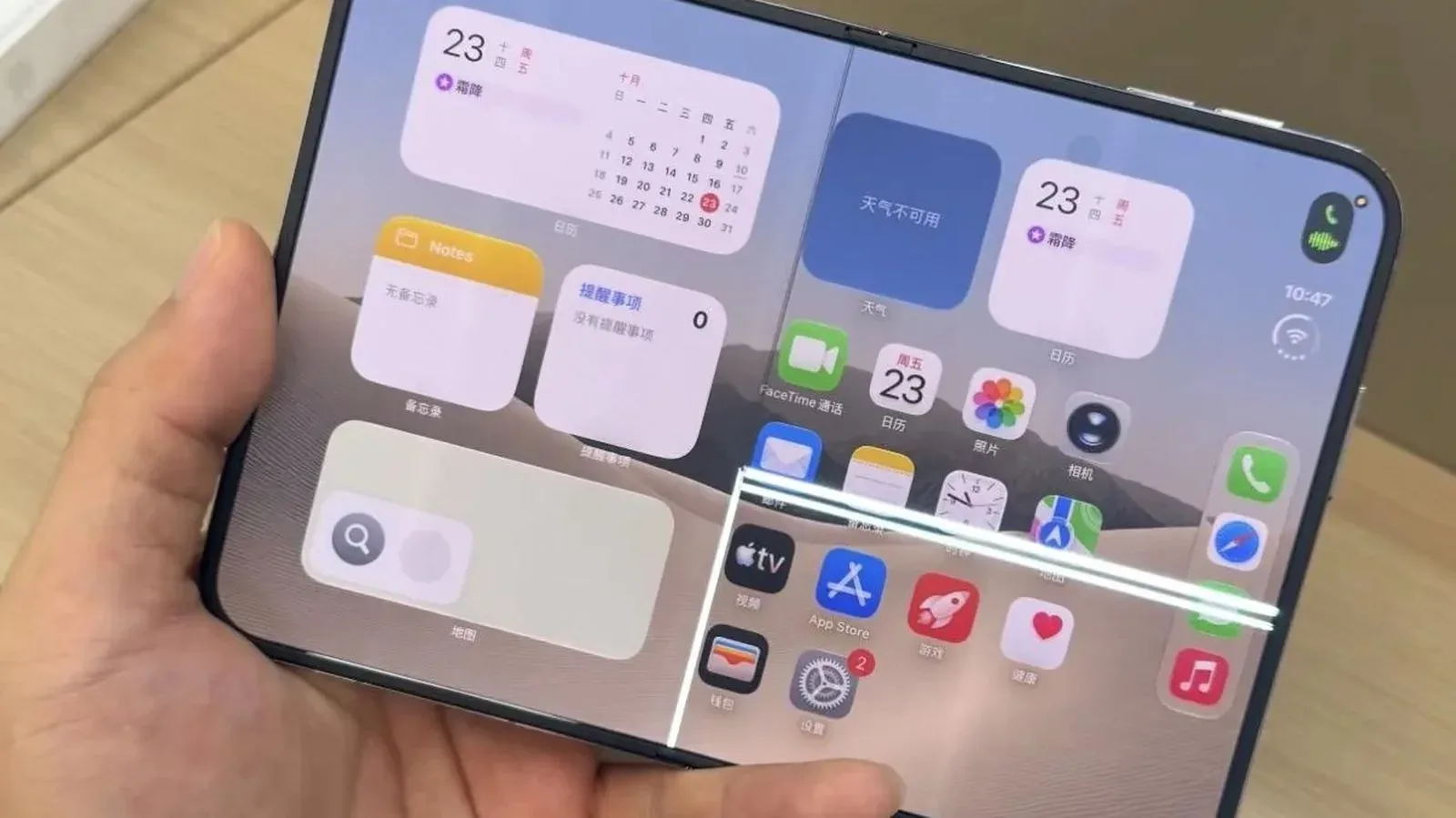
Apple is alleged to have pressured a supplier to remove a public statement that denied responsibility for display cracking reported on some iPhone Duo units. The claim concerns Fine M-Tec, a Korea-based company reported to supply internal metal plates that support the folding display assembly in Apple’s first foldable phone.
The key point is still unresolved: Apple has acknowledged that a small number of iPhone Duo devices have experienced display cracking and has offered replacements, but it has not publicly identified the technical cause. Nor has Apple publicly addressed the allegation that it asked Fine M-Tec to take down its statement.
A statement appeared, then disappeared
Fine M-Tec published a notice on October 26 under the heading Our official position on the customer’s new product quality issue. It did not name Apple or the iPhone Duo directly. Nevertheless, its timing connected it to reports of hinge-related screen damage that had begun circulating online around Apple’s foldable handset.
“The quality issues that are known to have occurred in some products recently are not caused by quality defects in the parts we supply.”
Fine M-Tec said the notice was intended to counter claims linked to suspected short sellers, and it warned that it could pursue legal action against people spreading what it viewed as unsupported allegations.
A short seller is an investor who bets that a company’s share price will fall. Public concern around a potential component defect can have real consequences for a supplier, particularly when the supplier has been associated with a high-profile new device. That context helps explain why Fine M-Tec may have wanted to make an unusually direct public denial. It does not, however, establish whether the company’s component was or was not involved in the cracking reports.
By November 4, the statement was no longer on Fine M-Tec’s website. Subsequent reporting cited industry sources who said Apple had applied pressure for it to be removed. A Fine M-Tec representative also reportedly asked for an earlier report about the withdrawn statement to be deleted, saying Apple had objected to the supplier publicly denying responsibility for the failures.
What Fine M-Tec’s role means—and does not mean
The supplier is reported to provide internal metal plates supporting the iPhone Duo’s folding screen. In a foldable device, a display is not simply a flat panel attached to a rigid chassis. It sits within an assembly that must repeatedly open and close, with the hinge and supporting structures managing movement and stresses around the bend.
That makes a supporting plate relevant to any discussion of folding-display durability. But relevance is not proof. A reported crack near a hinge could potentially involve more than one part or process within the broader assembly. Based on the available information, there is no public technical finding tying Fine M-Tec’s plates to the issue, and there is likewise no public technical explanation that clears every possible part of the assembly.
This distinction matters because the withdrawn statement was a denial by one company, not a disclosed root-cause analysis. A root-cause analysis is the process of determining the underlying mechanism behind a failure, rather than merely identifying the visible symptom. “Display cracking” describes what users can see; it does not tell the public whether the trigger is a material flaw, mechanical stress, assembly variation, damage after use, or another factor.
Apple’s acknowledgement is also deliberately limited in scope. The company has said the issue affects a small number of units and has offered replacements. That is useful practical information for affected owners, but it should not be read as a public diagnosis of the failure. Replacement support addresses the customer outcome without necessarily disclosing what happened inside the product.
Why the allegation is significant
If accurate, the alleged request would put a spotlight on the tension between a major device maker’s need to manage a developing quality issue and a supplier’s wish to publicly protect its own reputation. A supplier denial can shape how investors, customers and industry observers assign blame before a technical investigation has been made public. From Apple’s perspective, competing public messages from firms within its supply chain could also make a limited device issue harder to communicate consistently.
Yet the removal of Fine M-Tec’s post alone cannot confirm why it vanished. The available account attributes the removal to Apple’s objection, but Apple has not publicly confirmed that account. Fine M-Tec’s original statement was removed, while its reported position had been categorical: its supplied parts were not the cause of the known quality issues.
For readers following the story, the clearest way to separate established facts from unverified claims is straightforward:
- Confirmed: Apple has acknowledged cracking in a limited number of iPhone Duo units and is offering replacements.
- Reported: Fine M-Tec supplies internal metal plates used to support the phone’s folding screen.
- Confirmed: Fine M-Tec posted a denial on October 26 and the notice had disappeared by November 4.
- Alleged: Apple pressured Fine M-Tec to remove the denial and objected to the supplier discussing responsibility publicly.
- Unknown: The underlying mechanical or manufacturing cause of the reported cracking.
What iPhone Duo owners should take from this
There is no evidence here that every iPhone Duo is affected, or that a particular user action causes the reported cracks. Apple’s own wording places the issue in a small number of devices. At the same time, the company has not published a technical explanation that would allow owners to identify a specific risk factor or distinguish one possible cause from another.
For an owner who sees a crack or suspected hinge-related display damage, the practical takeaway is that Apple has stated it will provide replacements for affected units. Keeping a clear record of the device’s condition and seeking support promptly may be sensible, but the current reporting does not justify speculative fixes, theories about a particular part, or assumptions that Fine M-Tec has been found responsible.
The case is also a reminder that public information about hardware failures often arrives in layers. First come isolated user reports, then a manufacturer may acknowledge an issue and offer a remedy. A complete explanation—if one is ever shared publicly—can take longer, especially when the product involves multiple specialized suppliers and a mechanically complex design.
Apple’s handling of product communication remains relevant across its wider ecosystem, including changes that could affect how apps handle multiple phone lines, as covered in this look at Apple’s advancing dual-SIM tools. In the iPhone Duo case, though, the immediate issue is narrower: customers know replacements are being offered for affected phones, while the explanation for the cracks—and the alleged supplier pressure—remains unaddressed publicly.
What to watch next
The most meaningful update would be a specific explanation from Apple of what is causing the cracking reports and whether any particular production range, component, condition or usage scenario is implicated. A direct statement from Apple or Fine M-Tec about the withdrawn notice would also clarify the central allegation.
Until then, the public record supports a cautious reading. There is an acknowledged, limited iPhone Duo display-cracking issue. There was a supplier statement denying that its parts caused it. That statement was removed. Reports say Apple objected to the supplier’s public denial. The technical cause itself has not been disclosed.