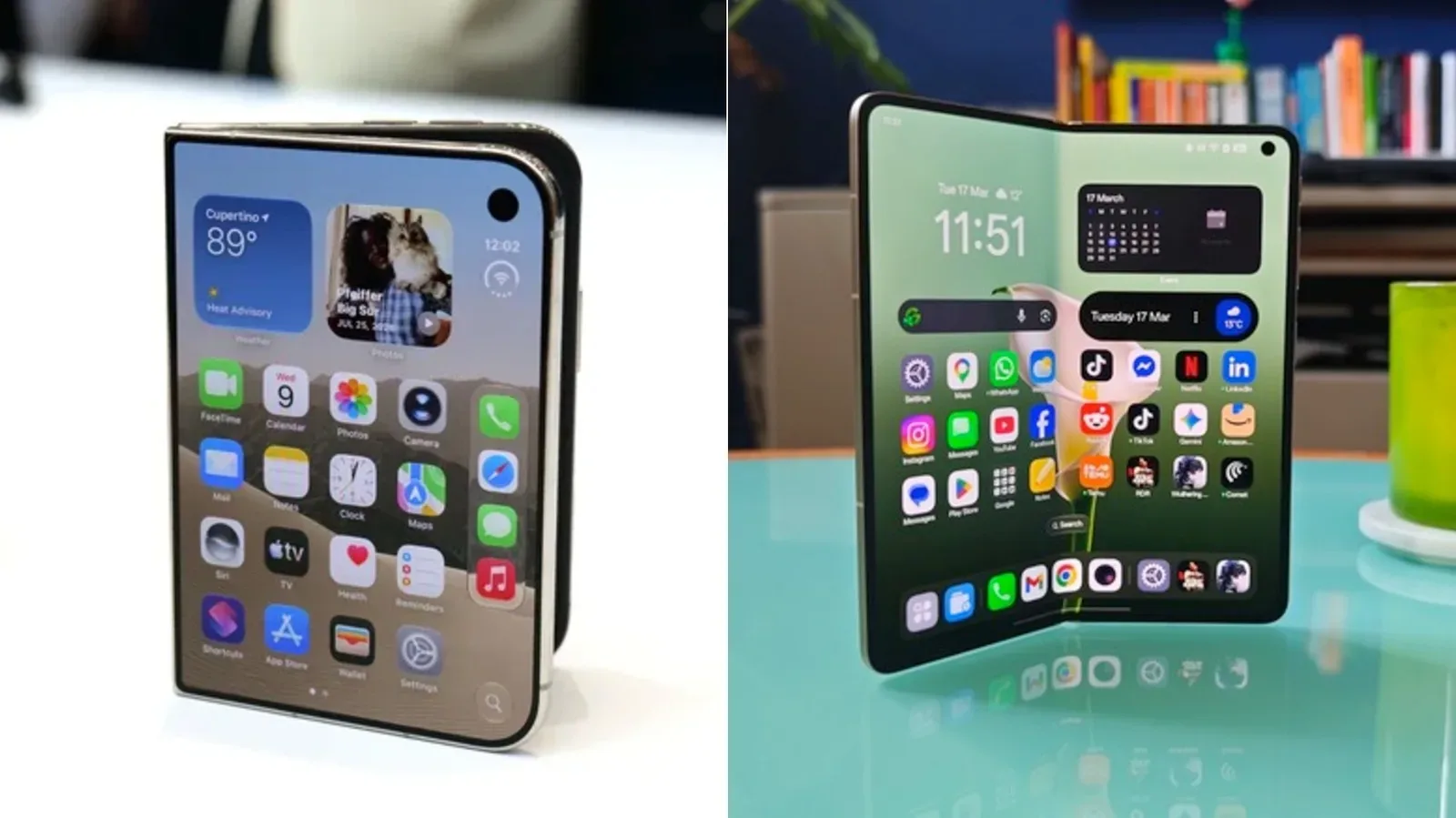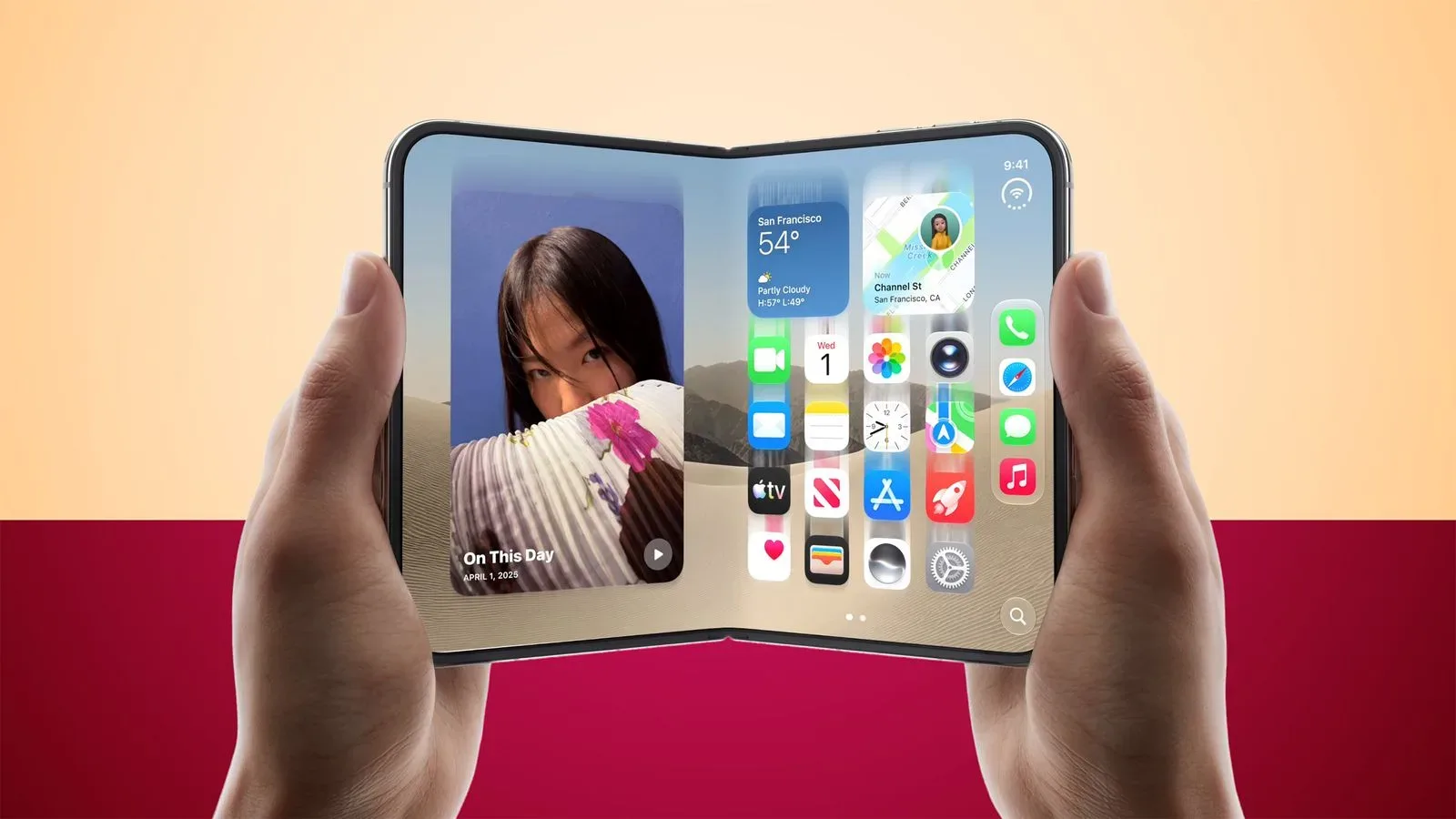

Apple’s iPhone Duo delivery picture appears to be improving quickly in the United States. New orders for the foldable handset now carry estimated arrival dates of December 16 through December 23, a substantial move forward from the previous estimate of January 25.
The revised December window applies across every listed iPhone Duo color and capacity. That matters because it suggests the improvement is not limited to one less-popular configuration or a narrow set of models. Only last Thursday, new orders were still showing January timing, meaning the online availability estimate shifted within a matter of days.
For people waiting on an early order, the news is potentially even more useful. Delivery estimates for iPhone Duo pre-orders have been moving forward steadily, and the new-order dates indicate that existing pre-orders should arrive in December or earlier. Several customers whose orders originally showed January delivery have reportedly seen their windows change to December 14 through December 21, with some dates pushed forward further still.
What the updated dates actually tell buyers
An online delivery estimate is an expected shipping-and-arrival window, not a guarantee that every order will land on the first day shown. It can change as Apple allocates incoming inventory, processes regional shipments, and matches stock to the exact device configuration selected. Still, a shift from late January to the week before Christmas is a meaningful signal: Apple expects to have considerably more iPhone Duo units flowing through its U.S. order system than it did a few days earlier.
The update also narrows the distinction between people who secured an early order and people deciding whether to buy now. Pre-order customers had faced some of the longest waits, including January estimates in some cases. With their dates apparently improving alongside those for new orders, the immediate backlog looks to be shrinking.
That does not necessarily mean supply has fully caught up to demand. A product can have shorter delivery windows while still facing limited inventory, and dates can move again in either direction. The clearest interpretation is more modest: availability has improved enough for Apple to project December fulfillment for new U.S. orders across the line.
All colors and capacities are showing the December window
The detail that every color and capacity is included is particularly notable for anyone still choosing a model. During constrained launches, buyers sometimes find that one storage option or finish arrives far sooner than another because stock is uneven. Here, the stated December estimate spans the iPhone Duo range.
That does not turn the posted dates into an inventory promise for every moment of every day. Storefront estimates can update as orders are placed. But shoppers who had been holding off because their preferred configuration appeared to be delayed until January now have a clearer reason to check again rather than assuming only a compromise option can arrive before the holidays.
Anyone who already ordered should also keep an eye on the status attached to their own purchase. The reported changes for January pre-orders show that the original date is not fixed when Apple’s supply outlook changes. An order that once appeared to miss the holiday period may now be scheduled for mid-to-late December.
Why a delivery-date change is important
Delivery windows are one of the most visible indicators of the balance between demand and supply for a newly released device. Demand is the number of customers trying to buy the product. Supply is the number of units Apple can make available for shipment. When demand outruns supply, dates often stretch out because future production and inbound stock have already been assigned to earlier orders.
When estimates move earlier, it may reflect growing output, a reduction in the queue of unfulfilled orders, more efficient allocation, or some combination of those factors. The available information does not specify which factor is responsible for the iPhone Duo movement, so it would be premature to attribute the update to a particular factory, component, or manufacturing change.
What is established is the practical result for U.S. buyers: the projected wait has dropped from a late-January estimate to a December 16–23 window for newly placed orders. In holiday-shopping terms, that converts the Duo from an after-the-season purchase into a device currently expected to arrive before the holiday period.
Apple had not set a timetable for full supply-and-demand balance
Apple has acknowledged the challenge of getting the Duo to customers quickly. During the company’s fourth-quarter earnings call, CEO John Ternus said Apple was working to deliver the device to as many customers as possible as soon as it could. He did not provide a deadline for when demand and supply would be fully balanced.
Apple’s public position has been focused on getting the Duo to as many customers as quickly as possible, without offering a timetable for full supply-and-demand balance.
The absence of a timetable remains relevant even after this delivery improvement. A December estimate is encouraging for customers, but it is not the same as a declaration that the product is freely available without delay. Buyers should treat the current delivery range as the best available snapshot, particularly if timing is important for a gift or planned upgrade.
Practical implications for shoppers and pre-order customers
- New U.S. orders: The current projected arrival range is December 16–23, rather than January 25.
- Configuration choice: The December timing is listed for all iPhone Duo colors and capacities, so there is no stated need to select a particular finish or storage tier to get the improved window.
- Existing pre-orders: Customers with January estimates may see their dates improve. Reported examples have moved to December 14–21, and some have moved earlier.
- Timing-sensitive purchases: Check the estimate shown during checkout and the status page after ordering, since expected dates can be revised as inventory is allocated.
- Supply status: Faster delivery is evidence of improvement, not proof that Apple has completely eliminated the gap between supply and demand.
For prospective buyers, the key change is simple: ordering the iPhone Duo in the U.S. no longer necessarily means waiting into the new year. For those already in line, the change offers reason to watch for a revised estimate rather than relying on the original January date.
The speed of the shift also underlines how quickly a device launch’s availability outlook can change. A January estimate visible last Thursday has been replaced by a broad December range, while previously delayed pre-orders are being brought forward. Apple has not said when supply will fully meet demand, but the current dates point to an improving situation heading into the holidays.
Readers following Apple’s wider hardware business can also see the latest Apple TV 4K and Siri Remote pricing update.